.png)
Effective Dog Allergy Management: Natural Solutions Explained
- wix mentor

- 5 days ago
- 10 min read

TL;DR:
Dogs have distinct food and environmental allergies requiring different management approaches.
Accurate diagnosis involves strict elimination diets and testing for fleas and infections first.
Combining natural nutrition with proven diagnostics optimizes long-term allergy relief for dogs.
If you’ve ever watched your dog scratch relentlessly, chew at their paws, or deal with recurring ear infections, you already know how frustrating allergies can be. What most dog owners don’t realize is that not all allergies work the same way, and treating them as a single, simple problem is one of the most common mistakes made. Managing allergies in dogs, especially when you’re committed to natural nutrition, requires understanding the real types of triggers, using proven diagnostic steps, and building a daily routine that supports long-term relief. This guide walks you through exactly that, with practical steps grounded in evidence.
Table of Contents
Key Takeaways
Point | Details |
Allergy types overlap | Dogs often have both food and environmental allergies, so management strategies must address both. |
Natural is not enough | Natural pet nutrition supports health but does not replace the need for evidence-based diagnosis and protocols. |
Consistency is vital | Success depends on strict diet adherence and avoiding off-plan foods or treats during allergy trials. |
Improvement takes time | Visible allergy relief can take weeks even with the right diet, so patience and persistence are key. |
Understanding allergy types and symptoms in dogs
Dog allergies are not one-size-fits-all, and that misconception leads to a lot of wasted time and continued suffering. There are two primary categories you need to understand: food allergies and environmental allergies, also called atopy or atopic dermatitis. Knowing the difference shapes every decision you make about your dog’s care.
Food allergies occur when your dog’s immune system reacts to a specific protein or ingredient in their diet. Common culprits include beef, chicken, dairy, wheat, and eggs. These reactions are typically non-seasonal, meaning your dog shows symptoms year-round regardless of the time of year. It’s also important to distinguish between a true food allergy and a food intolerance. True allergies involve an immune response, while intolerances cause digestive upset without triggering the immune system. Both can look similar on the surface, but they require different management strategies.
Environmental allergies, on the other hand, are triggered by things like pollen, mold, dust mites, and grass. These often follow seasonal patterns, flaring in spring and fall when pollen counts are high. However, dust mites and mold can cause year-round symptoms, which adds to the confusion. For more context on how to approach these two types together, this allergy management overview breaks down the full picture.
One of the most important things to recognize is that food allergy signs are typically non-seasonal but can overlap or worsen with environmental factors. This overlap is what makes diagnosis so tricky. A dog with both a food allergy and seasonal atopy may show symptoms almost constantly, with noticeable worsening during pollen season. Owners often assume it’s purely environmental when diet is also playing a role.
Here’s a quick look at how symptoms compare between the two types:
Symptom | Food allergy | Environmental allergy |
Itchy skin | Yes | Yes |
Ear infections | Common | Common |
Gastrointestinal upset | Yes | Rare |
Seasonal pattern | No | Often yes |
Paw chewing | Yes | Yes |
Year-round symptoms | Yes | Sometimes |
Common symptoms across both types include:
Persistent scratching, especially around the face, ears, and paws
Red, inflamed, or thickened skin
Recurring ear infections
Watery eyes or nasal discharge
Vomiting or loose stools (more common with food allergies)
Hot spots or secondary skin infections
“The overlap between food and environmental allergies is real and common. A dog presenting with year-round itching that worsens seasonally may have both conditions simultaneously.”
If your dog’s symptoms seem to shift with the seasons but never fully resolve, that’s a strong signal worth investigating. Resources on dog pollen allergy solutions can offer additional context on environmental triggers. Recognizing the pattern is the first step toward getting the right answers.
Diagnosing the root cause: Proven approaches
Once symptoms are identified, it’s time to get a clear diagnosis. Here’s how the process works and the mistakes to avoid along the way.
Before jumping into diet changes, your veterinarian should rule out two other major contributors: flea allergy dermatitis and secondary skin infections. Flea allergy dermatitis is one of the most common causes of itching in dogs, and even one flea bite can trigger a significant reaction in a sensitive dog. Secondary bacterial or yeast infections often develop on top of allergic skin, making symptoms worse and harder to interpret. Treating these first gives you a cleaner baseline.
Once those are ruled out, a structured elimination diet trial is the gold standard for diagnosing food allergies. Here’s how a proper trial works:
Choose a novel protein and carbohydrate source your dog has never eaten before. This could be venison and sweet potato, rabbit and pea, or another combination not in your dog’s history.
Feed only the elimination diet for a minimum of 8 to 12 weeks. No treats, flavored medications, or table scraps. Nothing else.
Monitor symptoms weekly and document changes in itching, skin condition, and digestion.
Challenge with the original diet after the trial period. If symptoms return within 2 weeks, a food allergy is confirmed.
Reintroduce individual ingredients one at a time to identify the specific trigger.
This elimination diet protocol explains each phase in more detail if you want a step-by-step walkthrough. The key point is that elimination-and-challenge protocols remain the gold standard, and non-adherence is the main reason trials fail.
Here’s a comparison of the two primary diagnostic approaches:
Feature | Food elimination trial | Environmental allergy testing |
Purpose | Identify food triggers | Plan immunotherapy |
Duration | 8 to 12 weeks minimum | Single session |
Cost | Low to moderate | Moderate to high |
Accuracy | High when followed strictly | Useful for atopy planning |
Requires vet oversight | Yes | Yes |
For environmental allergies, intradermal skin testing or serum allergy testing can help identify specific environmental triggers. These tests are most useful for planning allergen-specific immunotherapy, which gradually desensitizes your dog to their triggers. You can review the dog allergy diagnostic steps for a broader look at how these approaches work together.

The elimination diet for dogs is a well-documented approach that requires commitment but delivers real answers. Remember that natural approaches do not replace diagnostic rigor, and ruling out fleas and infections first is essential to getting accurate results.
Pro Tip: Check every flavored medication, dental chew, and supplement your dog takes during an elimination trial. These are hidden sources of protein that can invalidate weeks of careful work.
Natural pet nutrition and allergy management: What really works together?
With the diagnosis clarified, let’s see how natural nutritional strategies fit into a comprehensive allergy management plan, without skipping the science.
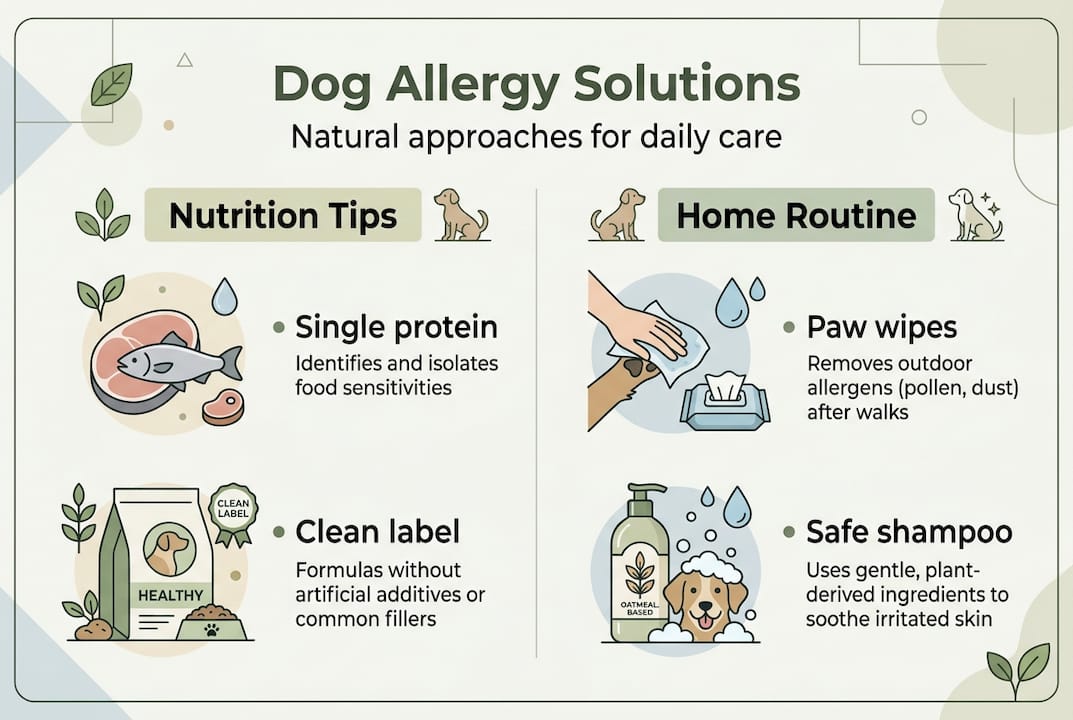
Natural pet nutrition, when done right, can be a powerful part of managing your dog’s allergies. The key word is “part.” Natural pet nutrition can be compatible with evidence-based allergy management, but it is not a diagnostic tool on its own. You still need the testing and protocols described above. What natural nutrition does is reduce the overall burden on your dog’s immune system and support skin and gut health over time.
Here are the core principles of natural nutrition for allergic dogs:
Whole, single-source proteins are easier to track and less likely to contain hidden allergens than processed blends.
Minimal ingredients make it simpler to identify what your dog tolerates and what triggers a reaction.
No artificial additives, fillers, or preservatives reduce unnecessary immune stimulation.
Human-grade ingredients offer greater transparency and quality control.
Balanced omega-3 and omega-6 fatty acids from sources like fish or flaxseed support skin barrier function and reduce inflammation.
A common misconception worth addressing: grain-free or raw diets are not automatically better for allergic dogs. Grains are actually a less common allergen than animal proteins. Switching to a grain-free food that still contains chicken, for example, won’t help a dog with a chicken allergy. The focus should be on avoiding the specific confirmed trigger, not eliminating entire food categories based on trends. You can explore natural solutions for dog allergies for a deeper look at ingredient selection strategies.
Effective allergy-friendly whole foods that work well for many dogs include:
Novel proteins like duck, kangaroo, venison, or rabbit
Easily digestible carbohydrates like sweet potato, pumpkin, or butternut squash
Anti-inflammatory additions like blueberries, turmeric, and leafy greens
Gut-supporting ingredients like bone broth or fermented vegetables in small amounts
Understanding natural dog nutrition basics helps you make smarter choices when reading labels and selecting foods. And if your dog’s allergies have a seasonal component, learning how diet and seasonal allergy relief work together can help you time dietary adjustments for maximum benefit.
Pro Tip: When selecting a natural food for an allergic dog, count the protein sources listed on the label. More than two animal proteins in a single food makes it much harder to pinpoint a trigger if symptoms continue.
Turning evidence into action: Managing allergies day-to-day
Knowing what works, the last step is putting it together in daily habits. Here’s how to act on what you’ve learned.
Building a consistent allergy management routine is what separates short-term relief from lasting improvement. It doesn’t have to be complicated, but it does need to be deliberate. Here’s a practical structure to follow:
Establish a consistent feeding schedule with the same approved food every day. Consistency is everything during and after a diagnostic trial.
Wipe your dog’s paws and coat after outdoor walks, especially during high-pollen seasons. This reduces environmental allergen load on the skin.
Wash bedding weekly in hot water to reduce dust mite exposure, a common year-round environmental trigger.
Keep a symptom log that tracks itching intensity, ear condition, stool quality, and any new foods or exposures. This log becomes invaluable at vet appointments.
Schedule regular vet check-ins every 4 to 6 weeks during active management phases to assess progress and adjust the plan.
Seasonal routines require some adaptation. During high-pollen months, you may need to increase paw wiping, use a gentle rinse after outdoor time, and watch for flare-ups more closely. Year-round allergens like dust mites and mold require ongoing environmental controls regardless of season.
Supporting gut health is another underrated piece of the puzzle. A healthy gut microbiome helps regulate immune responses, and many allergic dogs have compromised gut health. Adding a veterinarian-approved probiotic or choosing foods with natural prebiotic fibers can make a meaningful difference over time.
Key habits to build into your weekly routine:
Review your symptom log and note any patterns or new triggers
Check skin folds, ears, and paw pads for early signs of irritation
Confirm all supplements and treats remain on the approved list
Rotate environmental controls like air purifiers and HEPA filters as needed
It’s worth knowing that improvement may have a time-lag, and symptoms can wax and wane due to overlapping allergies. This is normal, and it doesn’t mean your plan isn’t working. Patience is a real requirement here. Some dogs show meaningful improvement in 4 weeks; others need 12 weeks or more. Exploring pet food for lasting allergy relief and following a step-by-step natural dog nutrition approach gives you a clear framework for the long haul. For additional context on what remedies are proven by research, that resource offers a useful evidence-based perspective.
Statistic to know: Studies show that food allergy trials require a strict minimum of 8 weeks, yet many owners stop early when they see partial improvement. Completing the full protocol is what produces reliable, actionable results.
Our take: Why holistic allergy management means “natural and proven,” not one or the other
Here’s something most allergy guides won’t say directly: the debate between “natural” and “scientific” approaches is a false choice, and it’s actually harming dogs.
We’ve seen the pattern repeat itself. A dog owner switches to a premium natural diet and sees some improvement. They assume the problem is solved and skip the elimination trial. Then symptoms creep back, and they’re left guessing again. The natural food was a good choice. But without the diagnostic step, they never confirmed the actual trigger. Months pass, the dog is still uncomfortable, and the owner is exhausted.
The truth is that comprehensive allergy management often requires blending natural nutritional support with conventional diagnostics and therapies. These two approaches are not competing. They are complementary. Natural nutrition reduces the inflammatory load and supports long-term health. Evidence-based diagnostics give you the specific answers you need to make smart food and treatment choices.
Skipping diagnostics in favor of “eating clean” is like treating a broken bone with a good diet. The nutrition helps recovery, but it doesn’t replace the cast. Commit to both, and you give your dog the best possible outcome. Explore best natural feeding practices to see how this integrated approach looks in practice.
Find allergy-friendly dog food that supports your plan
If you’re ready to put these strategies into action, finding the right food is a critical next step, and that’s exactly where Loyal Saints can help.

Loyal Saints freeze-dried dog food is crafted from human-grade, whole ingredients with no fillers, artificial additives, or hidden proteins. That transparency makes it an excellent fit for elimination diets and ongoing allergy management, because you always know exactly what your dog is eating. Our single-source protein options and minimal-ingredient recipes are designed with allergic dogs in mind. Learn more about why choose freeze-dried food and how it supports digestive health and skin vitality. When you’re ready to find the right fit for your dog, shop natural dog food and explore options that match your dog’s specific needs. More tail wags are coming.
Frequently asked questions
How can I tell if my dog’s allergies are due to food or the environment?
Food allergies typically run year-round, while environmental allergies often flare seasonally. If your dog shows a pattern that is both seasonal and non-seasonal, consider the possibility of overlapping food allergy and environmental atopic dermatitis.
Do natural diets cure allergies in dogs?
Natural diets support overall health and can reduce inflammation, but they won’t cure allergies. Natural pet nutrition is compatible with evidence-based allergy management but is not a diagnostic tool on its own.
How long does it take to see improvement in dog allergy symptoms after a diet change?
Improvement can take 8 to 12 weeks or longer, as even a correct diet may show a time-lag before symptoms visibly improve. Stick to the plan and avoid all off-diet treats during this period.
What is the most common reason allergy elimination diets fail?
Non-adherence is the top reason trials fail. Accidental protein exposures through treats, flavored medications, or table scraps can invalidate the entire trial even when the main diet is correct.
Is environmental allergy testing alone enough to diagnose atopy in dogs?
No. According to the 2023 AAHA guidelines, environmental allergy testing should be interpreted in the context of immunotherapy planning and is not a standalone diagnostic for atopy.
Recommended
Comments