.png)
How to Choose Healthy Dog Food Naturally for Your Pet
- Towanda Brunson
- Feb 13
- 7 min read

Finding the perfect diet for your dog in a busy American city can feel overwhelming with so many options lining the shelves. For health-conscious owners, ensuring your companion’s food meets high standards for nutrition, ingredient purity, and safety matters more than ever. This guide breaks down how to evaluate premium, vet-approved freeze-dried foods so you can confidently support your dog’s well-being and vitality with every meal. Nutritional assessment and ingredient quality are the keys to lifelong canine health.
Table of Contents
Quick Summary
Key Point | Explanation |
1. Assess Unique Nutritional Needs | Consider age, breed, weight, activity level, and health status for your dog’s nutritional assessment. |
2. Examine Ingredient Quality | Focus on whole protein sources and avoid fillers or vague meat descriptions in ingredient lists. |
3. Understand Processing Methods | Be aware of the nutritional impact and safety concerns of various dog food processing methods. |
4. Verify Veterinary Approval | Look for AAFCO approval and nutritional adequacy statements on dog food labels before purchase. |
5. Monitor and Adjust Dietary Choices | Regularly track weight, energy, and coat quality to make informed dietary adjustments with your vet. |
Step 1: Assess your dog’s nutritional needs
Understanding your dog’s unique nutritional profile is the foundation for selecting the perfect natural diet. Every dog is different, and what works for one might not work for another. The key is recognizing that comprehensive nutritional assessment involves evaluating multiple critical factors.
To effectively assess your dog’s nutritional needs, you’ll want to consider several essential elements:
Age: Puppies, adults, and senior dogs have dramatically different nutritional requirements
Breed: Large and small breeds metabolize nutrients differently
Weight: Overweight or underweight dogs need specialized dietary approaches
Activity level: Highly active dogs need more protein and calories
Health status: Existing conditions like allergies or metabolic issues impact nutrition
Consider scheduling a consultation with your veterinarian to conduct a professional nutritional assessment. They can perform specific tests and provide personalized recommendations based on your dog’s unique profile. Some key measurements they’ll evaluate include body condition score, muscle mass, and overall energy levels.
A thorough nutritional assessment supports optimal health and can prevent future medical complications.
Genetic background also plays a significant role in determining nutritional needs. Certain breeds are predisposed to specific health conditions that can be managed through targeted nutrition. For instance, large breed dogs might require different nutrient ratios to support joint health compared to smaller breeds.
Pro tip: Keep a detailed log of your dog’s weight, energy levels, and any dietary changes to help track nutritional effectiveness over time.
Step 2: Examine ingredient lists for quality
Decoding dog food ingredient labels is crucial for ensuring your pet receives the highest quality nutrition. Pet food ingredient transparency requires careful examination and understanding of what manufacturers are truly offering.
When analyzing ingredient lists, keep these critical factors in mind:
First five ingredients matter most, representing the bulk of the food’s nutritional content
Look for whole protein sources like chicken, beef, or fish as the first ingredient
Avoid foods with generic meat by-products or ambiguous protein descriptions
Watch for unnecessary fillers like corn, wheat, and artificial preservatives
Check for named animal protein (e.g., “chicken” not “meat meal”)
Beyond basic ingredients, you’ll want to investigate potential hidden risks. Research from the Clean Label Project highlights that some dog foods contain alarming levels of contaminants. Ingredient purity goes far beyond just listing components.
Quality ingredients are the foundation of your dog’s long-term health and wellness.
Understand that ingredients are listed in descending order by weight, so the first few items are most significant. Whole, recognizable ingredients signal higher quality compared to processed or chemically-altered components.
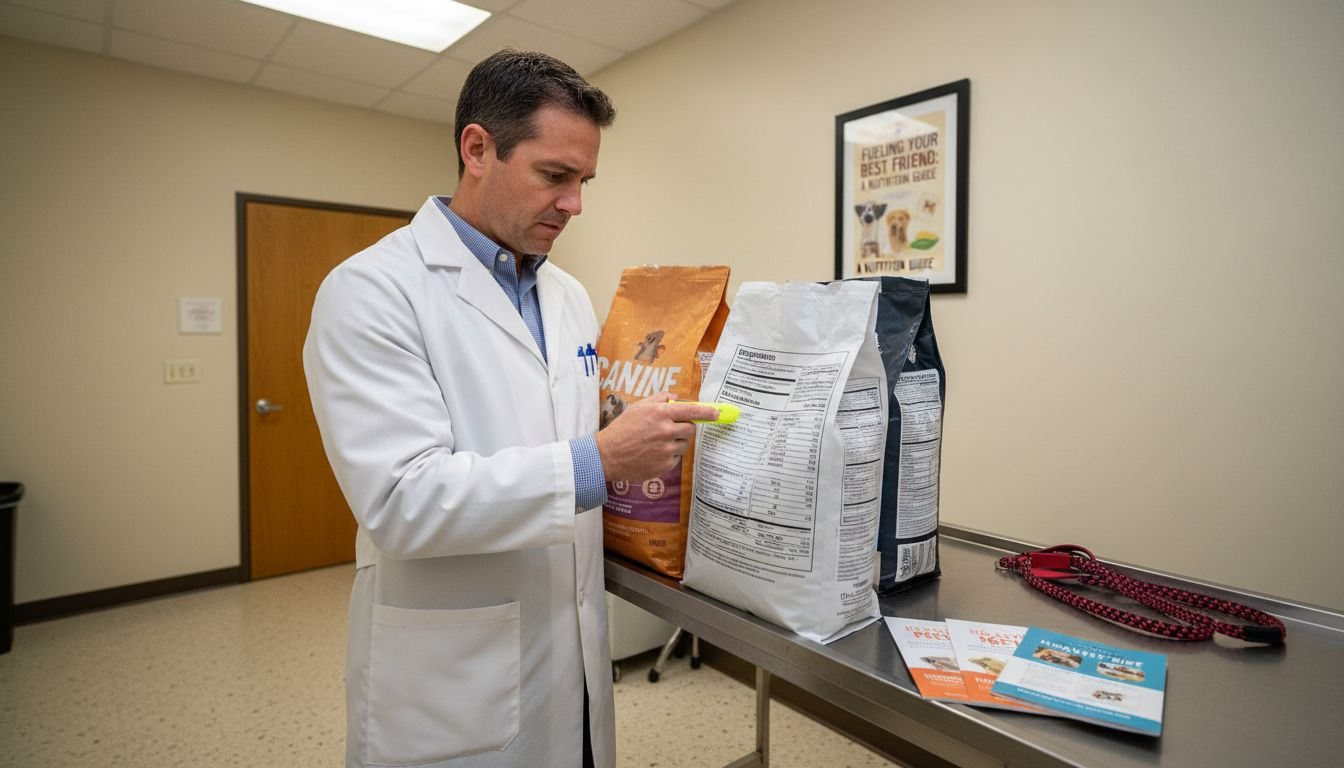
Pro tip: Photograph ingredient labels and consult with your veterinarian to develop a personalized ingredient assessment strategy for your specific dog.
Step 3: Compare processing methods and safety
Choosing the right dog food involves understanding the nuanced world of pet food processing methods. Not all food processing techniques are created equal, and the way your dog’s food is prepared can significantly impact its nutritional value and safety.
Here are the primary processing methods to consider:
Dry kibble: Convenient but often contains more preservatives
Freeze-dried: Preserves nutrients, but potential for higher toxin concentrations
Fresh/frozen: Typically lower in contaminants, closest to whole food nutrition
Air-dried: Moderate nutrient retention with reduced processing impact
Raw: Controversial, requires careful handling to prevent bacterial risks
Each processing method comes with unique advantages and potential drawbacks. Dry and freeze-dried foods might seem convenient, but they can harbor higher levels of industrial contaminants compared to fresh alternatives.
Here’s a comparison of common dog food processing methods and their nutritional impacts:
Processing Method | Nutrient Retention | Safety Concerns |
Dry Kibble | Moderate | Higher preservatives use |
Freeze-Dried | High | Requires careful handling |
Fresh/Frozen | Very high | Shorter shelf life |
Air-Dried | Good | Limited preservatives |
Raw | Highest | Risk of bacteria exposure |
Your dog’s health depends on understanding the subtle differences in food processing techniques.
Pay close attention to manufacturing standards. Food safety regulations play a crucial role in determining the overall quality of pet nutrition. Look for brands that transparently discuss their processing methods and undergo rigorous testing.
Pro tip: Request detailed processing information directly from manufacturers and cross-reference their claims with independent lab testing results.
Step 4: Verify vet approval and nutrition standards
Ensuring your dog’s diet meets professional nutritional guidelines requires understanding veterinary nutritional assessments. Not all dog foods are created equal, and verifying expert approval is crucial for your pet’s long-term health.
Key elements to look for when verifying nutrition standards include:
Nutritional adequacy statement on the food label
AAFCO approval for complete and balanced nutrition
Specific life stage recommendations
Detailed ingredient breakdown
Clear feeding guidelines for your dog’s weight
Professional veterinary endorsement goes beyond a simple stamp of approval. It involves comprehensive evaluation of nutrient profiles, ingredient quality, and potential health impacts specific to your dog’s individual needs.
A veterinarian-approved diet is your pet’s roadmap to optimal nutrition and wellness.
Pay special attention to nutrition labels that specify exact nutrient percentages and meeting specific regulatory standards. Some brands provide more transparent information about their nutritional testing and quality control processes.
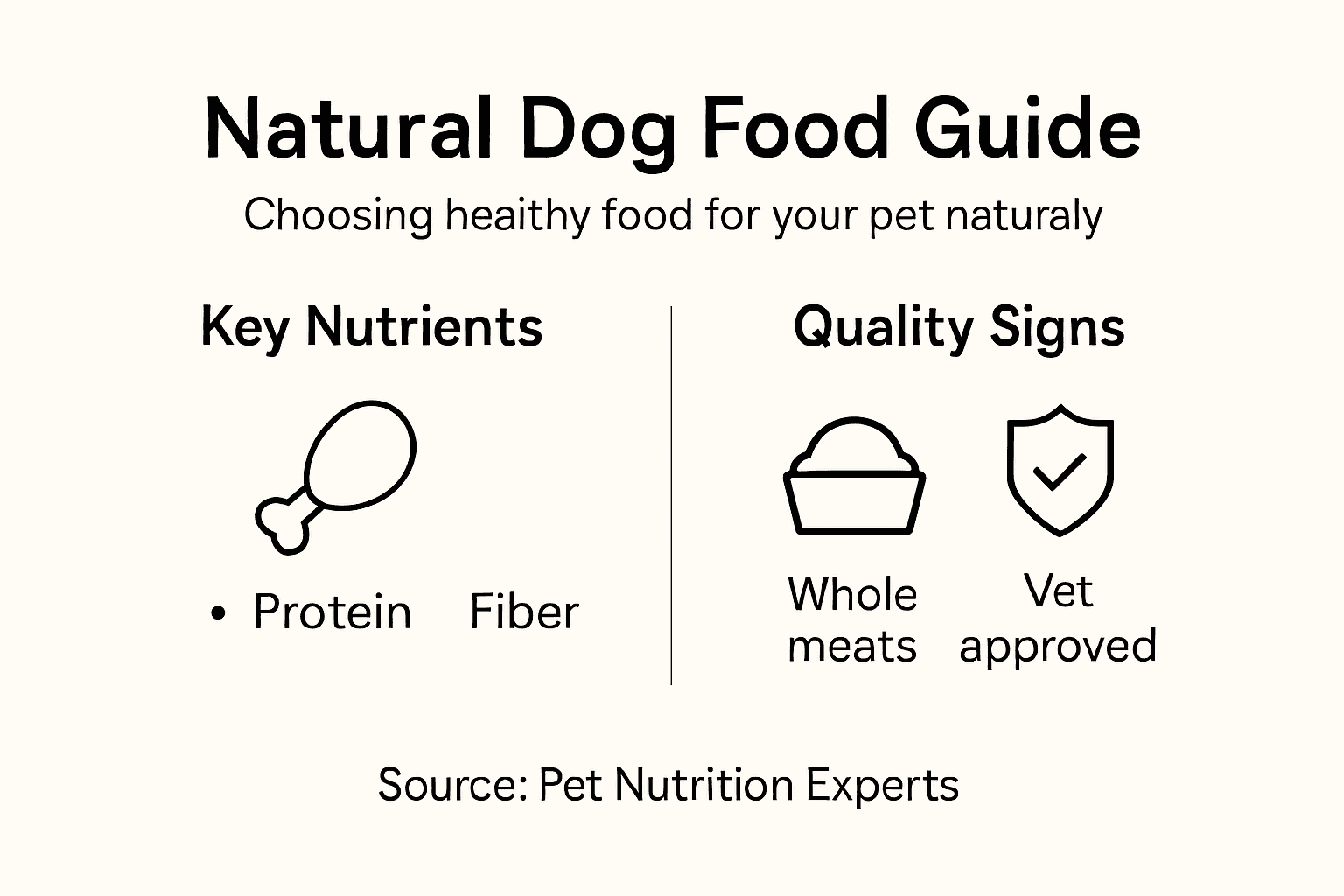
Pro tip: Schedule an annual nutrition consultation with your veterinarian to review and adjust your dog’s diet based on changing health requirements and life stages.
Step 5: Monitor your dog’s health and adjust choices
Ensuring your dog’s nutrition is an ongoing process that requires consistent attention and proactive health monitoring. Your dog’s dietary needs will change throughout their life, making regular assessment critical for maintaining optimal wellness.
Key health indicators to track include:
Weight changes: Sudden gains or losses signal potential issues
Energy levels: Decreased activity might indicate nutritional deficiencies
Coat quality: Dull or patchy fur can suggest inadequate nutrition
Digestive health: Regular bowel movements and no gastrointestinal discomfort
Dental condition: Teeth and gum health reflect overall nutritional status
Consider performing monthly body condition assessments to catch subtle changes early. This involves evaluating your dog’s physical appearance, muscle tone, and overall body composition.
Below is a summary of key health indicators to track and what they reveal about your dog’s nutrition:
Health Indicator | What to Watch For | Potential Nutrition Insight |
Weight changes | Sudden loss or gain | Over or under feeding |
Coat quality | Dull, patchy fur | Lack of essential fatty acids |
Energy levels | Drop in activity | Possible deficiencies or imbalance |
Digestive health | Irregular stools | Ingredient sensitivities |
Dental condition | Red, swollen gums | Excess carbs or poor-quality food |
Consistent monitoring is your most powerful tool in preventing potential health complications.
Documenting these observations and discussing them with your veterinarian will help you make informed dietary adjustments. Nutritional needs evolve with age, activity level, and health status, so flexibility is key.
Pro tip: Take monthly progress photos and maintain a detailed nutrition journal to track your dog’s health trajectory and share comprehensive insights with your veterinarian.
Unlock Natural Nutrition Solutions for Your Dog’s Health
Choosing the right natural dog food is a crucial step toward supporting your pet’s unique nutritional needs as highlighted in this guide. If you are looking for high-quality protein sources, minimal additives, and veterinarian-approved formulas that truly prioritize your dog’s vitality and longevity, explore our carefully curated selections. At Loyal Saints Pets, we understand the importance of nutrient-rich, freeze-dried options crafted from whole ingredients to help maintain muscle strength, digestion, and overall wellness.
Take the next step in elevating your dog’s diet today by visiting our Chicken | Loyal Saints and Bundles | Loyal Saints collections. Each product is designed to uphold AAFCO nutrition standards and is free from fillers and artificial preservatives. Discover the difference that natural, premium pet food can make. Shop now at Loyal Saints Pets and give your beloved companion the healthy, active lifestyle they deserve.
Frequently Asked Questions
How can I assess my dog’s nutritional needs?
To assess your dog’s nutritional needs, consider factors like age, breed, weight, activity level, and health status. Schedule a consultation with your veterinarian for a professional nutritional assessment tailored to your dog’s specific profile.
What should I look for on a dog food ingredient label?
Examine the first five ingredients on the label, as these represent the bulk of the food’s nutrition. Prioritize whole protein sources and avoid generic meat by-products and unnecessary fillers like corn and wheat for better quality food.
How do dog food processing methods affect my pet’s nutrition?
Dog food processing methods can impact nutrient retention and safety. Familiarize yourself with options like dry kibble, fresh food, and freeze-dried as each has unique benefits; for example, fresh food often retains more nutrients and has fewer contaminants compared to dry kibble.
What nutritional standards should I verify before choosing dog food?
Look for a nutritional adequacy statement on the label, AAFCO approval, and specific life stage recommendations to ensure the food meets professional nutritional guidelines. Confirm that the food provides a complete and balanced diet for your dog’s needs.
How can I monitor my dog’s health after changing their diet?
Monitor key health indicators such as weight changes, energy levels, coat quality, and digestive health to evaluate the effectiveness of your new dog food. Track these changes over a month and discuss any concerns with your veterinarian during regular check-ups.
What should I do if my dog’s health indicators show a negative change?
If you notice negative changes in your dog’s weight, energy, or coat quality, consult your veterinarian as soon as possible. Document your observations and review your dog’s diet to determine if adjustments are necessary for better health.
Recommended
Comments