.png)
Step by Step Guide to Feeding Freeze Dried Dog Food for Health
- Nick Willkom
- Jan 26
- 11 min read

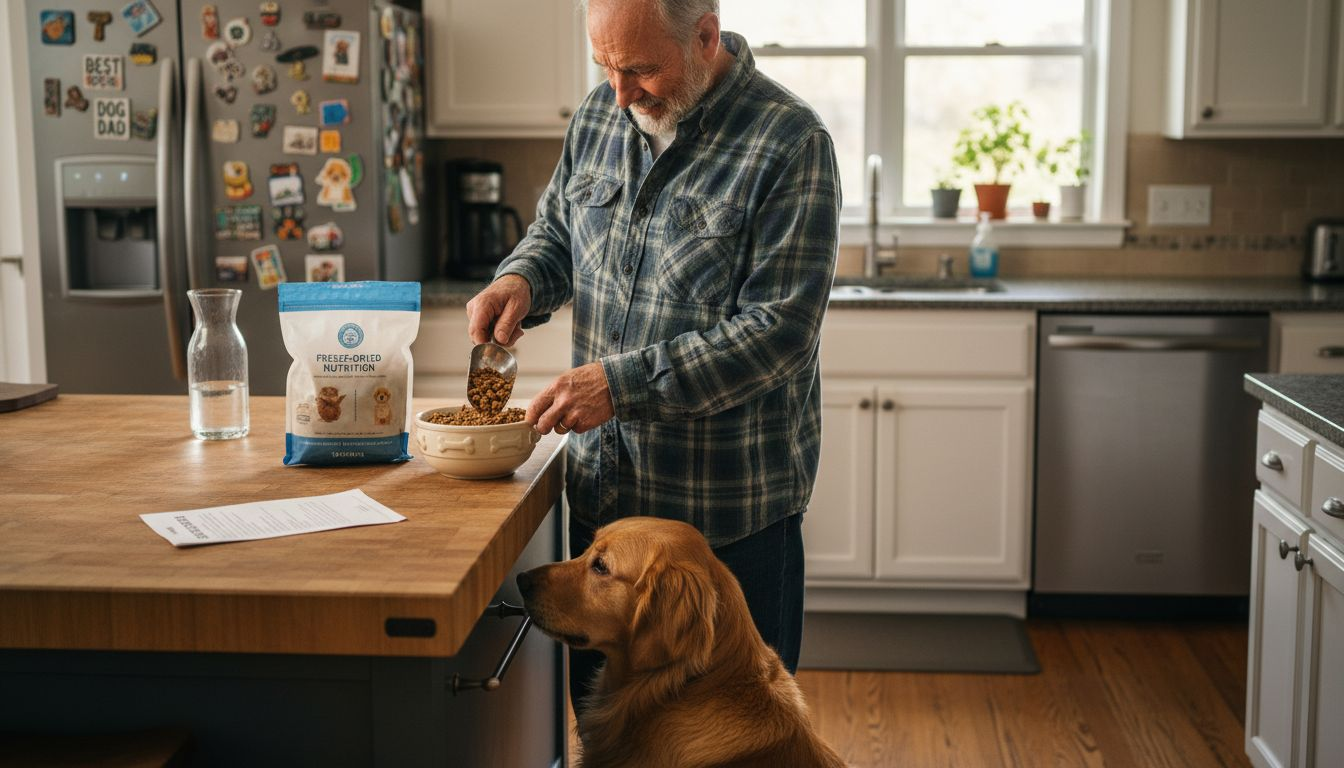
Finding the right nutrition for dogs in busy American cities often feels like a balancing act between convenience and quality. Urban pet owners know every dog has unique health needs, and switching diets safely can make all the difference in energy, digestion, and long-term wellness. This guide offers step-by-step tips for successfully adding freeze-dried dog food to your routine, using proven strategies for improved vitality and happier mealtimes.
Table of Contents
Quick Summary
Important Insight | Explanation |
1. Assess your dog’s dietary needs first | Understand your dog’s age, activity level, and health conditions to choose the appropriate food. Individual needs vary significantly between dogs. |
2. Choose quality freeze-dried ingredients | Look for high-quality proteins and avoid fillers or allergens. Ensure that the food is complete and balanced for your dog’s life stage. |
3. Prepare food properly for best results | Rehydrate freeze-dried food with warm water to enhance palatability and nutrient absorption before serving it to your dog. |
4. Transition diets gradually for stability | Mix new freeze-dried food with current food over 5-7 days to prevent digestive upset, especially for sensitive dogs. |
5. Regularly monitor health and adjust portions | Track your dog’s body condition and energy levels, adjusting food portions as needed to maintain an ideal weight and health. |
Step 1: Assess Your Dog’s Dietary Needs
Before you switch your dog to freeze-dried food, you need to understand what your individual dog actually needs. Every dog is different, and what works brilliantly for your neighbor’s Golden Retriever might not be ideal for your dog. This step involves looking at your dog’s age, activity level, current health status, and any sensitivities they might have.
Start by thinking about your dog’s life stage. A growing puppy has completely different nutritional demands than a senior dog. Puppies need more calories and specific nutrient ratios to support bone development and growth, while older dogs often benefit from adjusted protein and fat levels. An active dog that runs for an hour daily burns significantly more calories than a couch-loving companion. When choosing a food, you’ll want food formulated for the specific life stage and condition of your dog, not just grabbing whatever seems popular.
Next, look at your dog’s current health picture. Does your dog have any known allergies, digestive issues, or skin problems? Freeze-dried dog food offers advantages here because it’s typically free from artificial preservatives, fillers, grains, and common allergens that trigger sensitivities in many dogs. However, you still need to understand which specific ingredients your dog tolerates well. If your dog has a history of pancreatitis, for example, you’ll need different fat levels than a dog with no such concerns. Take time to note any health conditions, recent vet recommendations, or dietary restrictions your dog has.
Consider your dog’s current weight and body condition. A dog that needs to lose weight requires a different caloric intake and nutrient balance than one maintaining a healthy weight. Look at your dog objectively and compare their body shape to breed standards. You might even take progress photos to track changes as you transition to new food.
Here’s how dietary needs differ for common dog categories:
Dog Type | Key Nutritional Focus | Common Considerations |
Puppy | Higher calories, calcium | Rapid growth, bone health |
Adult Active | Elevated protein, energy | Muscle maintenance, stamina |
Senior | Lower fat, joint support | Reduced metabolism, mobility |
Sensitive/Allergic | Limited-ingredient, grain-free | Avoid major allergen triggers |
Finally, understand that different nutrient quantities and feeding rates are necessary depending on age, activity level, and health status to meet your dog’s dietary needs. This is why talking to your veterinarian during this assessment phase makes a real difference. They know your dog’s medical history and can provide specific guidance tailored to your dog’s unique situation.
Pro tip: Write down your dog’s age, weight, activity level, any known allergies, and current health concerns before moving to the next step, then bring this list to your vet for personalized feeding recommendations.
Step 2: Select the Ideal Freeze Dried Dog Food
Now that you understand what your dog needs, it’s time to find a freeze-dried food that matches those requirements. This step involves reading labels carefully, understanding what makes quality freeze-dried nutrition, and matching the product to your dog’s specific situation. The goal is to find food that nourishes your dog while keeping them excited about mealtime.
Start by examining the ingredient list and nutritional content on the package. Look for foods made from high-quality proteins as the primary ingredient, since freeze-dried formulas should support your dog’s muscle strength and overall vitality. Check that the product lists specific meat sources like chicken, beef, or fish rather than vague terms like “meat meal.” You want to see whole vegetables and fruits in the ingredient list too. Avoid products with artificial preservatives, fillers, or common allergens that might trigger sensitivities in your dog.
Next, verify that the food meets nutritional standards for your dog’s life stage. Pet food must be complete and balanced for your dog’s species and life stage, which should be stated on the package. This ensures the food provides proper nutrition tailored to whether your dog is a puppy, adult, or senior. Look for products formulated specifically for your dog’s size category too, since a large breed puppy has very different nutritional needs than a small breed adult.
Consider your dog’s individual digestive system and palatability preferences. Some dogs thrive on beef-based diets while others do better with poultry or fish. If your dog has a sensitive stomach, you might choose a limited ingredient formula. Freeze-dried food can actually be easier on digestion because it preserves nutrients naturally and lacks the fillers and artificial additives found in processed kibble.
Finally, check the feeding directions on the package to understand portion sizes and preparation methods. Freeze-dried food is concentrated nutrition, so your dog typically needs less volume compared to regular kibble. Make sure the cost per serving fits your budget and that you can commit to the feeding routine.
Pro tip: Start with a smaller package or sample if available to test whether your dog enjoys the flavor and tolerates it well before committing to larger bulk purchases.
Step 3: Prepare and Rehydrate the Food Properly
Freeze-dried dog food requires a simple preparation step before serving. Rehydrating the food properly makes it more palatable for your dog and easier to digest. This step takes just a few minutes but makes a real difference in how your dog experiences mealtime and processes the nutrients.
Start by measuring out the appropriate portion size based on your dog’s weight and the feeding guidelines on the package. Place the freeze-dried kibble in your dog’s bowl. Now add warm water or broth to rehydrate it. Warm water is the standard choice, but you can also use bone broth or unsalted chicken broth to enhance flavor and provide additional nutrients that your dog will love. The warm liquid softens the food and restores moisture that was removed during the freeze-drying process.
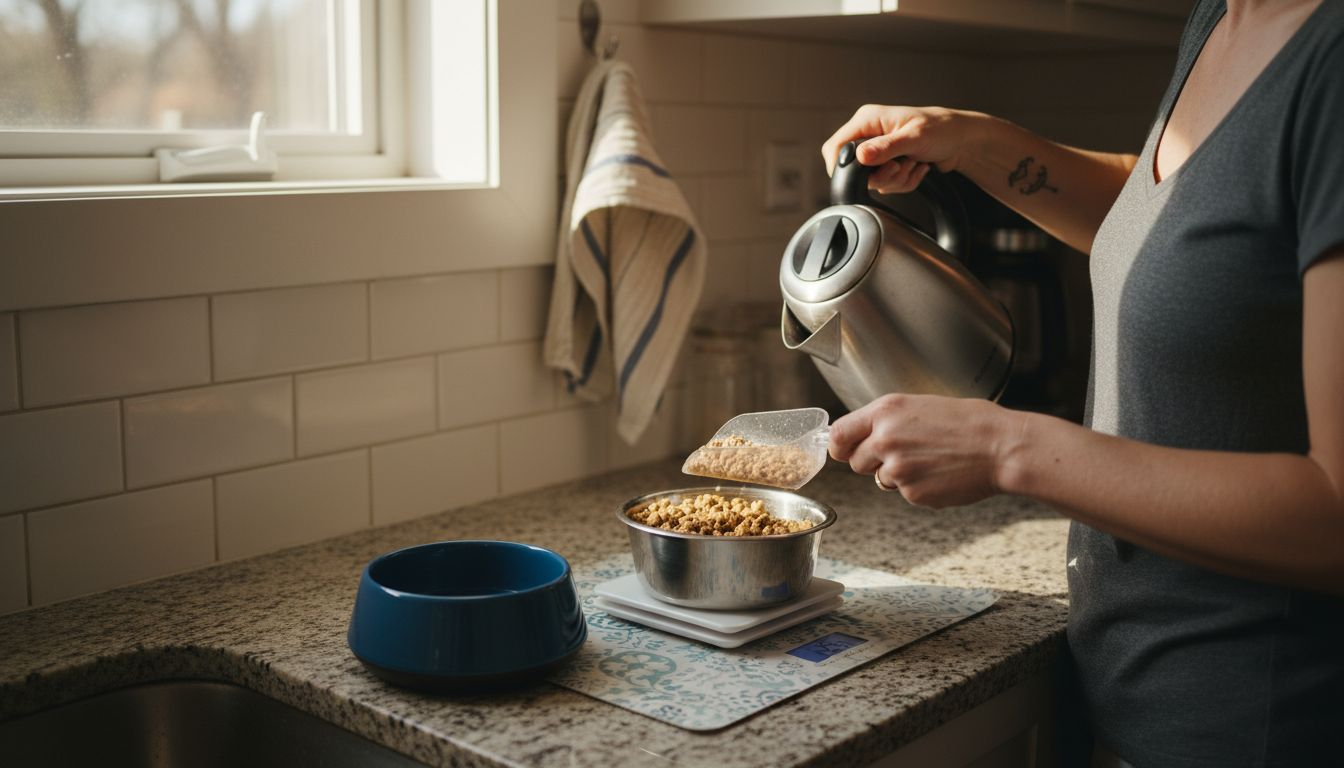
Let the food sit for a few minutes, typically between three and five minutes depending on how soft your dog prefers it. Stir occasionally to ensure even rehydration. You want the food to reach a texture that matches your dog’s preference and chewing ability. Senior dogs or those with dental issues benefit from a softer consistency, while some adult dogs enjoy it slightly firmer. There’s no single perfect texture, so watch your dog and adjust based on what they seem to enjoy most.
The rehydration process does more than just soften the food. It helps preserve the nutrients and enzymes that make freeze-dried nutrition so beneficial. When you add warm water, you’re essentially restoring the food to a state closer to fresh, whole ingredients without the need for artificial preservation. This means your dog gets maximum nutritional value from every bite.
Once rehydrated, serve the food immediately while it’s still warm. Your dog’s nose will tell you how appetizing it is. If your dog doesn’t finish the meal within 20 to 30 minutes, remove any uneaten portions to prevent spoilage.
Pro tip: Prepare the rehydrated food fresh at each meal rather than making multiple portions ahead of time, since the food is most nutritious and appetizing when freshly prepared.
Step 4: Transition Your Dog’s Diet Gradually
Switching to freeze-dried food too quickly can upset your dog’s digestive system and cause discomfort. The best approach is to transition slowly, mixing the new food with your dog’s current diet over several days. This gradual approach gives your dog’s digestive system time to adjust to the new ingredients and prevents problems before they start.
Begin by replacing about 25 percent of your dog’s current food with the new freeze-dried option. Mix them thoroughly so your dog gets a blend of both foods at each meal. Keep this ratio for two days, watching how your dog responds. You’re looking for normal digestion, good appetite, and no signs of upset stomach. If everything looks good, you’re ready to move to the next step.
On days three and four, increase the freeze-dried food to 50 percent of the meal while reducing the old food to 50 percent. Continue mixing well. On days five and six, go to 75 percent freeze-dried and 25 percent old food. Transitioning to freeze-dried dog food should be done gradually over 5 to 7 days, slowly mixing increasing amounts of the new food with the old to avoid digestive upset. By day seven, you can serve 100 percent freeze-dried food if your dog has tolerated the transition well.
If your dog has a sensitive stomach or history of gastrointestinal issues, extend this timeline to 10 to 14 days. Go slower with the percentages and watch carefully for any signs of digestive distress. Vomiting or diarrhea means you should slow down the transition further or consult your veterinarian.
Monitor your dog’s appetite, energy level, and bathroom habits throughout the transition. You might notice improved coat quality, better digestion, or increased energy as the new food takes effect. These are signs that freeze-dried nutrition is working well for your dog. Stay patient with the process and trust that gradual change sets your dog up for long term success.
These are typical freeze-dried dog food transition timelines:
Dog Sensitivity | Transition Duration | Example Ratio Progression |
Normal Digestion | 7 days | 25%→50%→75%→100% (over a week) |
Sensitive Stomach | 10–14 days | Increase new food more gradually |
Gastro Issues History | 14+ days | Slowest pace, watch closely |
Pro tip: Keep a simple log of each day’s food ratio and any digestive changes you notice, which helps you identify your dog’s ideal transition pace and provides helpful information if you need to discuss progress with your veterinarian.
Step 5: Monitor Health and Adjust Portions
Once your dog is eating freeze-dried food regularly, your job isn’t done. Ongoing monitoring ensures your dog stays healthy and maintains an ideal weight. This step involves watching your dog’s body condition, energy levels, and overall wellness while being ready to adjust portions as needed.
Start by establishing a baseline. Take photos of your dog from the side and top to track body condition visually over time. Weigh your dog once a month and record the results. You should be able to feel your dog’s ribs easily but not see them prominently. There’s a sweet spot where your dog looks lean and athletic without being skeletal or overweight. This ideal body condition is your target.
Watch your dog’s energy, coat quality, and digestion closely during the first few weeks on freeze-dried food. You might notice a shinier coat, better muscle definition, or increased playfulness. These are positive signs. However, if you notice weight gain or loss, or if your dog seems sluggish, it’s time to adjust portions. After feeding freeze-dried dog food, monitor your dog’s weight and health regularly, and if the dog gains or loses weight, portion sizes should be modified accordingly to maintain ideal body condition.
The package provides portion guidelines, but these are starting points, not absolutes. Your individual dog may need more or less based on activity level, metabolism, and age. An active dog that plays for hours daily burns significantly more calories than a couch dog. Senior dogs often need fewer calories than young adults. Adjust portions gradually, making small changes of 10 to 15 percent at a time and observing results over two weeks before making additional adjustments.
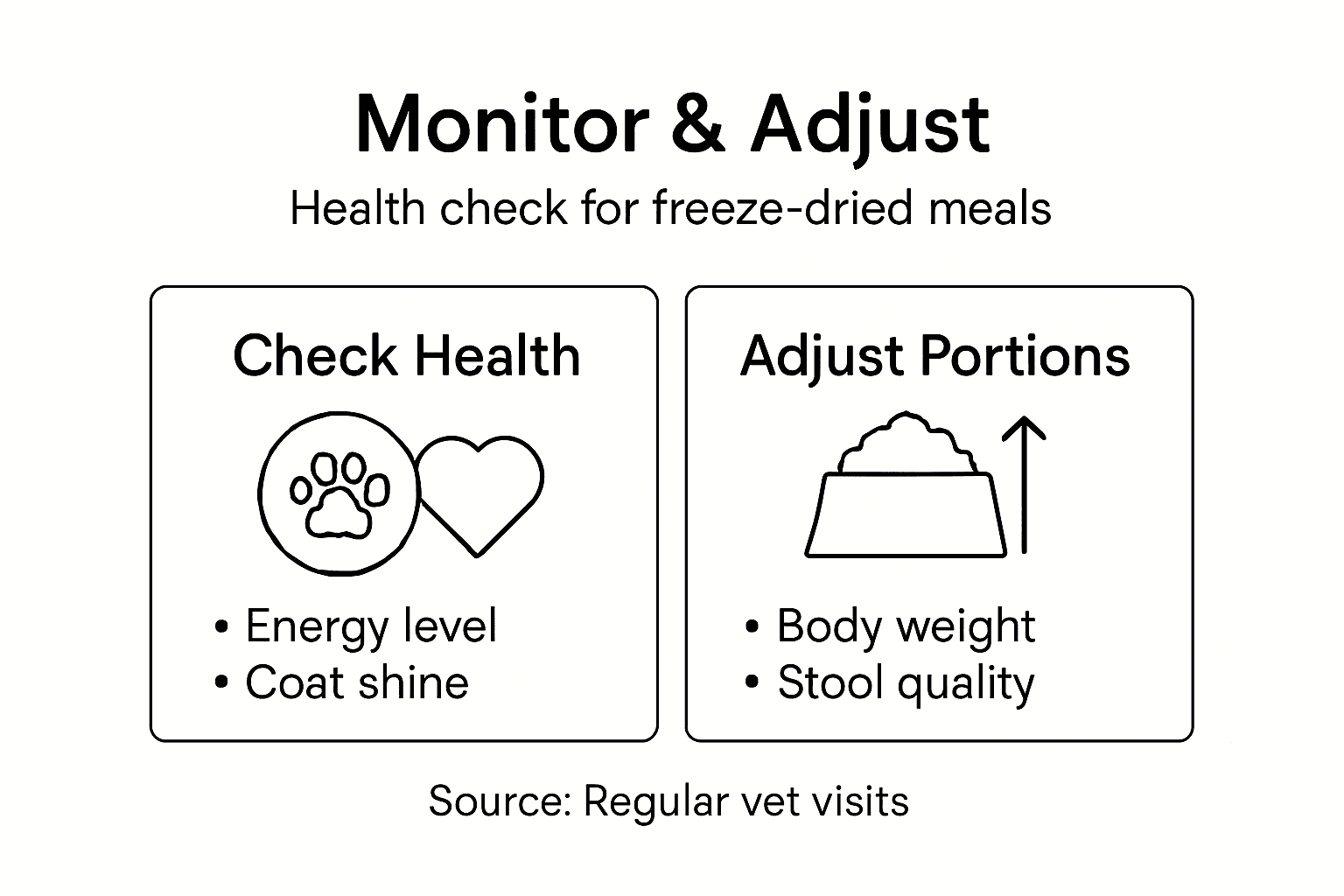
Consider stool quality as well. Healthy stools should be firm and well formed. If stools become loose or too hard, it might indicate a portion adjustment is needed or that the freeze-dried food isn’t quite right for your dog.
Schedule regular veterinary check-ups to discuss your dog’s nutrition and progress. Your vet can identify potential issues early and help you fine-tune portions for optimal health.
Pro tip: Use your smartphone calendar to set monthly reminders for weighing your dog and taking comparison photos, making it easy to track progress and catch any significant changes early.
Unlock the Full Benefits of Freeze Dried Dog Food with Loyal Saints Pets
Feeding your dog freeze-dried food is a fantastic step toward better health and vitality, but selecting the right product and making a smooth transition can feel overwhelming. If you want high-quality nutrition made from human-grade ingredients that support muscle strength, allergy management, and digestive health, Loyal Saints Pets offers premium options that perfectly align with your dog’s unique dietary needs. Whether your dog thrives on rich protein sources like Beef or prefers the wholesome taste of Chicken, our freeze-dried foods are crafted with care to meet AAFCO standards and help your furry family member live a longer, happier life.
Don’t wait to give your pet the nutritional boost they deserve today. Visit Loyal Saints Pets now to explore our carefully formulated freeze-dried options and enjoy convenient, health-focused solutions designed for every stage of your dog’s life. Start a joyful, nourishing mealtime routine that honors their wellbeing and strengthens your bond.
Frequently Asked Questions
How do I assess my dog’s dietary needs before switching to freeze-dried food?
Understanding your dog’s dietary needs involves considering their age, activity level, health status, and any sensitivities. Start by noting your dog’s life stage and any specific health concerns, then consult your veterinarian to tailor a feeding plan that suits their unique situation.
What should I look for when selecting freeze-dried dog food?
Select freeze-dried dog food that lists high-quality proteins as primary ingredients and avoids artificial preservatives and fillers. Check for complete and balanced nutrition specific to your dog’s life stage and size, giving you confidence that it meets their dietary needs.
How do I properly prepare and rehydrate freeze-dried dog food?
To prepare freeze-dried dog food, measure out the appropriate portion and add warm water or broth, allowing it to rehydrate for three to five minutes. This enhances palatability and nutrient absorption, making the food more enjoyable and easier for your dog to digest.
How should I transition my dog to freeze-dried food?
Transition to freeze-dried food gradually over 5 to 7 days, starting by mixing in 25% of the new food with the old. Increase the new food ratio every couple of days while observing for any signs of digestive upset, adjusting the pace as needed.
What should I monitor after my dog starts eating freeze-dried food?
Keep an eye on your dog’s weight, activity levels, coat quality, and digestion after switching to freeze-dried food. If you notice weight gain or loss, adjust their portion sizes by about 10 to 15% to help maintain their ideal body condition.
How often should I weigh my dog after switching to freeze-dried food?
Weigh your dog once a month to track their weight and monitor changes over time. Take comparison photos of your dog every month as well to visually assess their body condition and ensure they remain healthy.
Recommended
Comments