.png)
Top veterinarian recommended dog diets for premium nutrition
- wix mentor

- Mar 25
- 9 min read

Choosing the right diet for your dog can feel overwhelming when faced with countless options claiming to be the best. You want nutrition that truly supports your pet’s health, vitality, and longevity, backed by veterinary expertise rather than marketing hype. This article breaks down the essential criteria for evaluating veterinarian recommended diets and presents the top premium natural options that deliver genuine health benefits. You’ll discover how to make confident, informed decisions that align with your dog’s unique needs and your commitment to providing the highest quality nutrition.
Table of Contents
Key Takeaways
Point | Details |
Vet recommended focus | Understanding what makes a diet veterinarian recommended helps you cut through marketing noise and focus on what truly matters for your dog’s health. |
Premium ingredients matter | Premium natural ingredients provide superior nutrition compared to filler heavy alternatives, directly impacting your dog’s energy levels and lifespan. |
Weigh diet tradeoffs | Comparisons reveal important tradeoffs between cost, ingredient quality, and specific health benefits that suit different dogs. |
Digestibility and palatability | Factors like digestibility, life stage appropriateness, and palatability significantly influence how well your dog thrives on any given diet. |
What to look for in veterinarian recommended dog diets
Selecting a truly veterinarian recommended diet requires understanding the specific qualities that distinguish premium nutrition from standard commercial options. The foundation starts with ingredient quality, where natural, high-quality components free from artificial additives, fillers, and by-products make an enormous difference in how your dog processes and benefits from their food. Look for named protein sources like chicken, beef, or salmon as the first ingredient, followed by recognizable whole foods rather than generic meal or digest.
Balanced nutrient profiles matter just as much as ingredient quality. Your dog’s life stage, breed size, and activity level determine their specific nutritional requirements, and veterinarian recommended diets account for these variables with precision. Puppies need higher protein and fat for growth, while senior dogs benefit from joint supporting supplements and adjusted calorie density. A quality diet provides complete amino acid profiles, essential fatty acids, vitamins, and minerals in ratios that support optimal physiological function.
Digestibility often gets overlooked but directly impacts how much nutrition your dog actually absorbs from their food. Premium diets use ingredients your dog’s digestive system can efficiently break down and utilize, reducing waste and maximizing nutritional value. Ingredient sourcing transparency tells you exactly where components come from and how they’re processed, giving you confidence in what you’re feeding. Veterinarian approval assures the formulation meets clinical nutritional standards established through research and testing, not just marketing claims.
Additional health benefits separate good diets from exceptional ones. Look for formulations that include:
Omega-3 fatty acids for skin, coat, and cognitive health
Glucosamine and chondroitin for joint support and mobility
Probiotics and prebiotics for digestive health and immune function
Antioxidants from fruits and vegetables for cellular protection
Taurine for heart health, especially in larger breeds
Pro Tip: When evaluating veterinarian approved diets, check the guaranteed analysis panel and compare protein and fat percentages to your dog’s specific needs rather than assuming higher numbers always mean better nutrition. Balance matters more than maximums.
Top 5 veterinarian recommended premium natural dog diets
Navigating the landscape of veterinarian recommended options becomes easier when you understand the standout features of proven formulations. These five diets consistently earn veterinary endorsements based on ingredient quality, nutritional completeness, and documented health outcomes.
Freeze-dried raw formulas lead the premium category by preserving nutrients through minimal processing while eliminating pathogens through the freeze-drying process. These diets use human-grade proteins, organ meats for concentrated nutrition, and whole fruits and vegetables that retain their natural enzymes and vitamins. They’re ideal for dogs with sensitive stomachs, food allergies, or owners seeking the closest approximation to ancestral canine diets without raw feeding risks. The convenience of shelf-stable storage combined with the nutrition of fresh food makes this option increasingly popular among health-conscious pet parents.

Limited ingredient diets target dogs with food sensitivities or allergies by using a single novel protein source and minimal additional components. Veterinarians frequently recommend these formulations for elimination diet trials or long-term management of dietary intolerances. They work particularly well for dogs with chronic skin issues, digestive upset, or inflammatory conditions where identifying trigger ingredients proves challenging. The simplified ingredient list makes it easier to pinpoint problems while still providing complete nutrition.
Life stage specific formulations address the distinct nutritional needs of puppies, adults, and seniors with precision. Puppy formulas emphasize higher protein and fat for growth along with DHA for brain development. Adult maintenance diets balance energy needs with weight management. Senior formulations reduce calories while increasing joint-supporting supplements and adjusting protein quality to support aging kidneys. These targeted approaches optimize health outcomes at each life phase.
Grain-free options using alternative carbohydrates like sweet potatoes, peas, or lentils suit dogs with grain sensitivities while providing necessary energy and fiber. However, recent veterinary research suggests some grain-free diets may link to heart issues in certain breeds, making veterinary guidance essential when choosing this category. When formulated properly with appropriate taurine levels and balanced legume content, these diets serve dogs genuinely intolerant to grains.
Therapeutic diets address specific health conditions like kidney disease, diabetes, or obesity under veterinary supervision. These prescription formulations adjust protein levels, mineral content, or calorie density to manage disease progression and improve quality of life. They represent the most specialized category of veterinarian recommended nutrition, requiring ongoing monitoring and adjustment based on your dog’s response.
Comparing veterinarian recommended dog diets: benefits and trade-offs
Understanding how different veterinarian recommended diets stack up against each other helps you make the most informed choice for your specific situation. Each formulation style offers distinct advantages while presenting certain trade-offs worth considering.
Diet Type | Key Benefits | Considerations | Best For | Price Range |
Freeze-Dried Raw | Maximum nutrient preservation, high palatability, convenient storage | Higher cost, requires rehydration, not ideal for all budgets | Dogs with allergies, picky eaters, health-focused owners | $$$$ |
Limited Ingredient | Simplified troubleshooting, reduces allergen exposure, easily digestible | May lack variety, potentially boring for some dogs | Food-sensitive dogs, elimination diets, allergy management | $$$ |
Life Stage Specific | Optimized for developmental needs, prevents over or under-nutrition | Requires switching formulas as dog ages, multiple-dog households need separate foods | Puppies, seniors, dogs with age-related health changes | $$ |
Grain-Free | Suits grain-intolerant dogs, often higher protein content | Potential heart health concerns, requires veterinary monitoring | Confirmed grain allergies, active working dogs | $$$ |
Therapeutic | Manages specific diseases, slows condition progression | Requires prescription, ongoing vet monitoring, limited availability | Dogs with diagnosed health conditions | $$$$ |
Cost versus ingredient quality represents the most common trade-off pet owners face. Premium natural diets with human-grade ingredients, transparent sourcing, and minimal processing cost significantly more than standard commercial options. However, the investment often reduces veterinary expenses over time by preventing diet-related health issues and supporting longevity. Consider the lifetime cost of feeding, including potential medical interventions, rather than just the per-bag price.
Palatability sometimes conflicts with nutritional density. Some highly nutritious formulations taste less appealing to picky eaters, while dogs eagerly consume certain foods that offer less optimal nutrition. Finding the intersection of excellent nutrition and high palatability ensures your dog actually eats enough to thrive. Trial periods help identify formulations your dog enjoys while meeting their health needs.
Pro Tip: Calculate the true daily feeding cost by dividing the bag price by the number of days it lasts based on your dog’s weight and the feeding guidelines. Premium diets often require smaller portions due to higher nutrient density, making the actual cost difference smaller than the bag price suggests.
Consulting your veterinarian before switching diets or when comparing options provides personalized guidance based on your dog’s health history, current condition, and breed-specific considerations. Veterinarians access research and clinical experience that helps predict how your individual dog will respond to different formulations, preventing costly trial and error.
Making the right choice: selecting the best veterinarian recommended diet for your dog
Applying the criteria and comparison insights to your unique situation requires a systematic approach that accounts for your dog’s individual characteristics and your household circumstances. Following these steps leads to confident diet selection that supports your dog’s optimal health.
Evaluate your dog’s breed, age, weight, activity level, and any existing health conditions or sensitivities. Small breed puppies have vastly different needs than large breed seniors, and active working dogs require more calories than couch companions. Document any digestive issues, skin problems, or food reactions your dog has experienced to identify patterns that inform diet selection.
Review comparison data and prioritize the criteria most important for your dog’s specific situation. If your dog has no health issues and normal activity levels, focus on high-quality ingredients and life stage appropriateness. For dogs with sensitivities, prioritize limited ingredient formulations or novel proteins. Budget-conscious owners can find quality options by comparing cost per day rather than cost per bag.
Discuss your top options with your veterinarian before making a final decision. Bring your comparison notes and ask specific questions about how each diet aligns with your dog’s needs. Veterinarians can identify potential issues you might miss and suggest alternatives based on their clinical experience with similar cases. This conversation prevents choosing a diet that seems perfect on paper but poorly suits your dog in practice.
Introduce the new diet gradually over 7 to 10 days by mixing increasing amounts with the current food. Start with 25% new food and 75% old food for two days, then move to 50/50, then 75% new, and finally 100% new food. Monitor your dog’s stool consistency, energy levels, coat condition, and appetite throughout the transition. Sudden diet changes cause digestive upset even with superior formulations, so patience during transition sets your dog up for success.
Adjust your dietary plan as your dog ages or their health needs evolve. Regular veterinary checkups should include nutrition discussions to ensure the current diet still serves your dog’s changing requirements. Senior dogs may need different formulations than they thrived on as adults, and developing health conditions might necessitate therapeutic diets. Staying flexible and responsive to your dog’s needs ensures they receive optimal nutrition throughout their entire life.
Explore veterinarian recommended freeze dried dog diets from Loyal Saints
Now that you understand what makes a dog diet truly veterinarian recommended and how to evaluate your options, it’s time to explore formulations that meet the highest standards for premium natural nutrition. Loyal Saints specializes in freeze dried dog food that preserves the nutritional integrity of whole, human-grade ingredients while providing the convenience modern pet parents need.
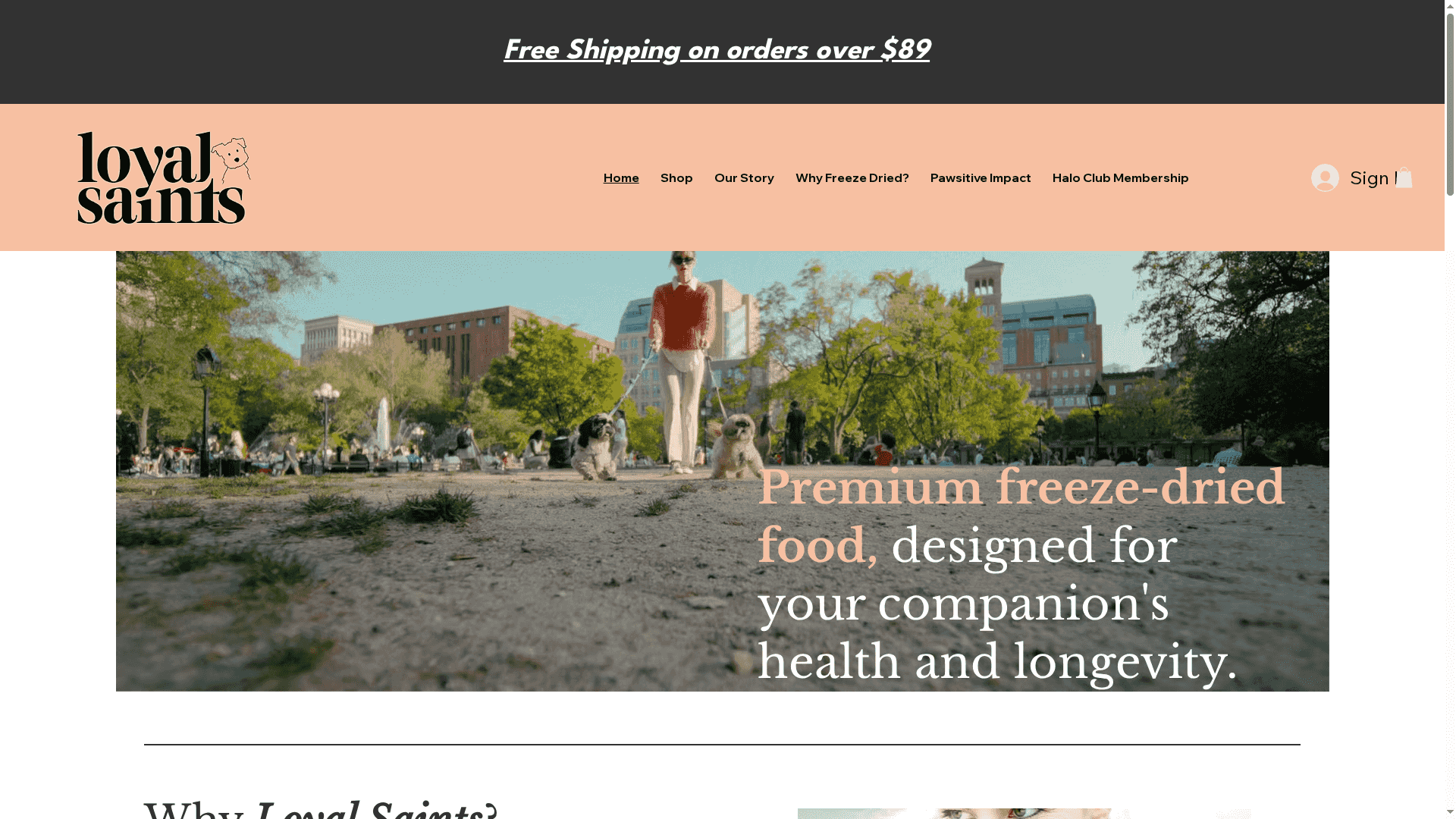
Our freeze dried formulas lock in vitamins, minerals, and enzymes that traditional processing methods destroy, giving your dog access to nutrition as close to fresh as possible without refrigeration requirements. Every batch uses premium proteins, organic fruits and vegetables, and carefully selected supplements that support vitality, longevity, and overall wellness. Veterinarians recommend our products because they meet AAFCO standards while exceeding typical commercial food quality by substantial margins.
The benefits of freeze dried dog food extend beyond nutrition to include improved palatability that even picky eaters love, easier digestion that reduces stomach upset, and flexible feeding options that work as complete meals or food toppers. You can feel confident knowing every ingredient serves a purpose in supporting your dog’s health, with no fillers, artificial additives, or mystery components.
Visit our premium freeze dried dog food shop to explore formulations designed for health-conscious dog owners who refuse to compromise on quality. Your dog deserves nutrition that supports them living their longest, healthiest, most vibrant life as a cherished family member. Loyal Saints makes that level of care accessible and convenient.
FAQ
What are veterinarian recommended dog diets?
Veterinarian recommended dog diets are nutritionally complete formulations that animal health experts endorse based on clinical research, ingredient quality, and documented health outcomes. These diets meet or exceed AAFCO standards while using premium ingredients that support optimal canine health. Veterinarians recommend specific brands and formulations after evaluating their safety, nutritional adequacy, and effectiveness for various life stages and health conditions.
How do I know if a dog diet is veterinarian approved?
Look for explicit veterinarian endorsements on packaging, AAFCO certification statements confirming nutritional adequacy, and evidence of feeding trials or clinical studies supporting the formulation. Many premium brands provide detailed information about their veterinary advisory boards and the research backing their recipes. You can also ask your veterinarian directly which brands they trust and recommend to their clients based on their professional experience and knowledge of current nutritional science.
Can veterinarian recommended dog diets help with specific health issues?
Yes, many veterinarian recommended diets include specialized formulations targeting allergies, digestive sensitivities, joint problems, skin conditions, and chronic diseases like kidney disease or diabetes. These therapeutic diets adjust protein levels, add specific supplements, or eliminate common allergens to manage symptoms and slow disease progression. Working with your veterinarian to select an appropriate therapeutic diet often reduces medication needs and significantly improves your dog’s quality of life when dealing with health challenges.
Are premium natural dog diets more expensive, and are they worth it?
Premium natural dog diets typically cost more per bag than standard commercial options, but the higher nutrient density means you feed smaller portions, narrowing the actual cost gap. The investment often pays off through reduced veterinary expenses, fewer health problems, increased energy and vitality, and potentially longer lifespan. Many pet owners find the peace of mind from feeding high-quality, veterinarian recommended nutrition worth the additional cost, especially when they see tangible improvements in their dog’s health and happiness.
Recommended
Comments