.png)
Unlock pet longevity with digestive health support
- wix mentor

- Mar 21
- 8 min read

Your dog’s gut holds the secret to a longer, healthier life. Research reveals that digestive health plays a far more critical role in canine longevity than most pet owners realize. The gut microbiome, a complex ecosystem of bacteria living in your dog’s intestines, directly influences inflammation levels, immune function, and even the aging process itself. Recent studies on the Dog Aging Project show that microbiome diversity declines with age, accelerating disease development and shortening lifespan. This guide explores how digestive health shapes your dog’s longevity and reveals practical dietary strategies to help your best friend live longer and thrive.
Table of Contents
Key Takeaways
Point | Details |
Microbiome diversity declines with age | As dogs age, gut microbiome diversity declines, which is linked to higher inflammation and greater disease risk. |
Dysbiosis fuels obesity | Dysbiosis promotes obesity by altering nutrient processing and triggering inflammatory pathways that drive fat gain. |
Fresh diets improve digestion | Switching to fresh diets can improve digestion and support healthier metabolism. |
Premium natural foods boost immunity | Choosing premium natural foods supports digestion and immune health compared with processed kibble. |
Understanding the gut microbiome’s role in dog aging
The gut microbiome consists of trillions of bacteria, fungi, and other microorganisms living in your dog’s digestive tract. These microscopic residents do far more than help digest food. They produce essential nutrients, regulate immune responses, and communicate directly with your dog’s brain through the gut-brain axis. A diverse, balanced microbiome acts as a protective shield against disease and supports healthy aging.
As dogs age, their microbiome undergoes predictable shifts that accelerate biological aging. Beneficial bacteria groups like Firmicutes decline, while potentially harmful Proteobacteria increase. The gut microbiome shifts predictably with age, with reduced diversity linked to inflammaging and age-related diseases. This imbalance triggers chronic low-grade inflammation throughout the body, a process scientists call inflammaging. The constant inflammatory state damages tissues, weakens organ function, and opens the door to conditions like arthritis, kidney disease, and cancer.
Large breed dogs face unique microbiome challenges due to longer gut retention times. Their digestive systems produce more short-chain fatty acids (SCFAs), beneficial compounds that influence metabolism and energy regulation. However, this advantage disappears when dysbiosis develops. Dysbiosis refers to an unhealthy imbalance in gut bacteria composition, where harmful species outnumber beneficial ones. This disruption compromises nutrient absorption, weakens the intestinal barrier, and allows toxins to leak into the bloodstream.
Pro Tip: Monitor your dog’s stool consistency and energy levels regularly. Sudden changes often signal microbiome imbalances that need dietary adjustments or veterinary attention.
Key signs of healthy gut microbiome function include:
Consistent, well-formed stools without excessive odor
Strong immune response with fewer infections
Stable weight and healthy appetite
High energy levels and mental alertness
Shiny coat and healthy skin condition
Understanding probiotics and dog longevity helps you make informed decisions about supporting your pet’s microbiome health through targeted dietary interventions.
Dysbiosis, obesity, and their impact on pet lifespan
Dysbiosis creates a cascade of metabolic problems that directly shorten your dog’s life. When harmful bacteria dominate the gut, they produce inflammatory compounds and alter how your dog’s body processes nutrients. This metabolic disruption makes weight gain easier and fat loss harder, creating a vicious cycle that leads to obesity.
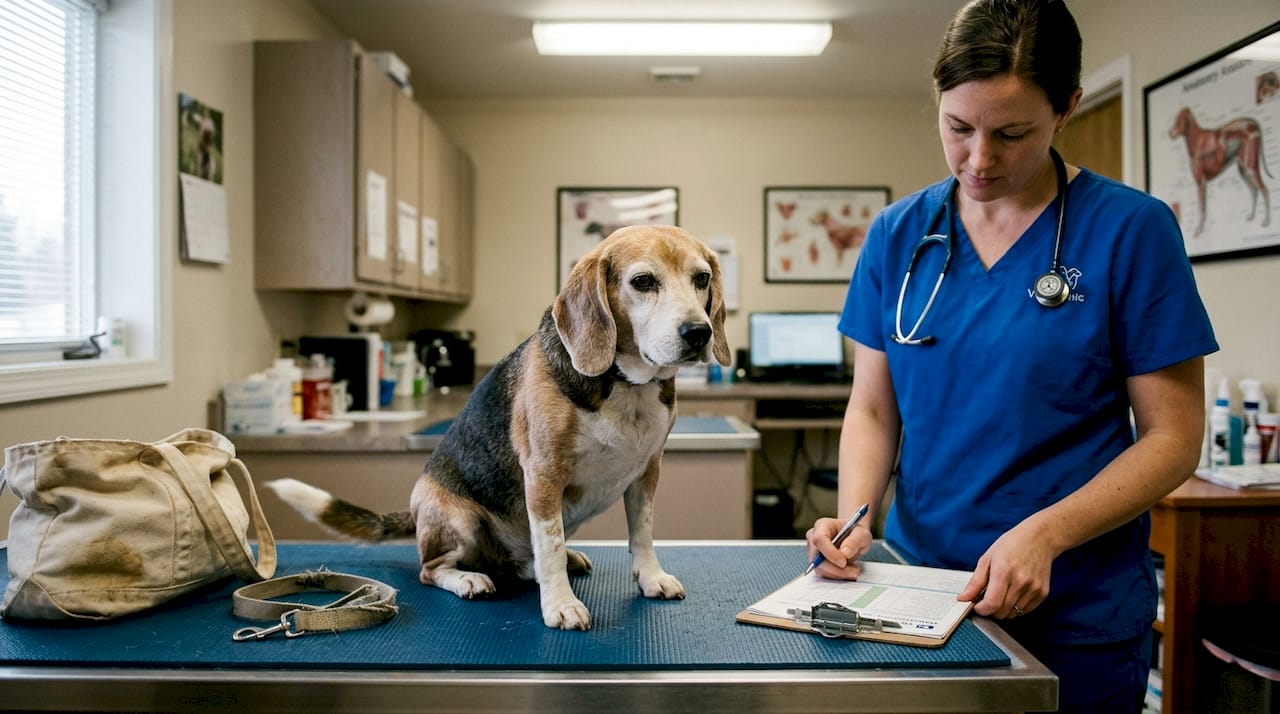
More than 50% of dogs in the United States are overweight or obese, making it the single most preventable factor reducing canine lifespan. Obese dogs face dramatically higher risks of diabetes, heart disease, joint problems, and certain cancers. They typically live two years less than dogs maintained at healthy weights. The connection between dysbiosis and obesity runs deeper than simple calorie balance.
Research demonstrates how gut bacteria influence weight through multiple mechanisms:
Altered energy harvest: Dysbiotic microbiomes extract more calories from the same amount of food, storing excess energy as fat.
Increased inflammation: Harmful bacteria produce endotoxins that trigger systemic inflammation, disrupting insulin signaling and promoting fat storage.
Changed appetite regulation: Imbalanced gut bacteria alter production of hormones that control hunger and satiety, leading to overeating.
Reduced fat burning: Dysbiosis decreases production of compounds that help the body break down stored fat for energy.
Studies using fecal microbiota transplants show that dysbiosis contributes to obesity via altered metabolism and inflammation. When researchers transfer gut bacteria from obese dogs to lean dogs, the recipients gain weight even without eating more food. This proves that microbiome composition directly influences body weight independent of diet quantity.
Common symptoms of dysbiosis include:
Chronic diarrhea or constipation
Excessive gas and bloating
Food sensitivities or allergies
Unexplained weight gain
Frequent skin infections or hot spots
Low energy and lethargy
Addressing dysbiosis through digestive health for dogs requires understanding how diet quality shapes bacterial populations. The foods you choose either feed beneficial bacteria that support longevity or promote harmful species that accelerate aging and disease.
How fresh, natural diets improve digestion and longevity
The type of food you feed your dog fundamentally reshapes their gut microbiome and metabolic health. Fresh, minimally processed diets deliver nutrients in forms that beneficial bacteria thrive on, while reducing compounds that promote inflammation and aging. The differences between premium natural foods and conventional kibble extend far beyond ingredient lists.
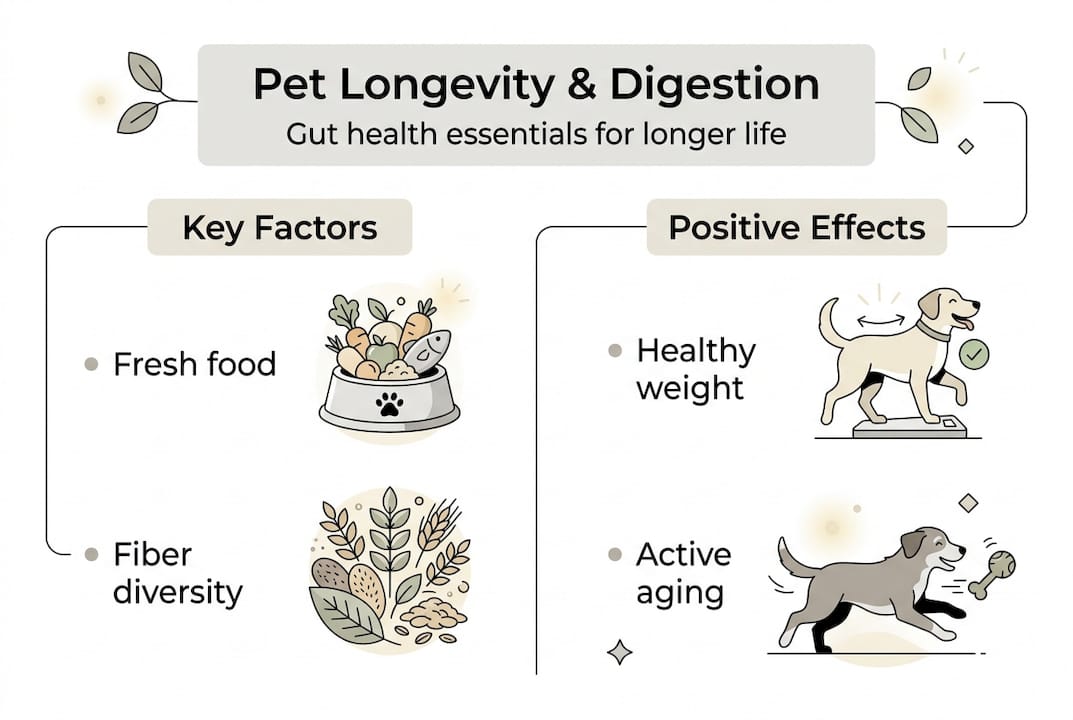
Fresh, minimally processed human-grade diets improve senior dog metabolism with increased antioxidants and reduced advanced glycation end products linked to aging. Advanced glycation end products (AGEs) form when proteins or fats combine with sugars during high-heat processing. These compounds accumulate in tissues over time, causing oxidative stress, inflammation, and accelerated aging. Kibble manufacturing involves extreme temperatures that create high AGE levels, while fresh and freeze-dried foods preserve nutrients without generating these harmful byproducts.
Nutrient Factor | Fresh/Freeze-Dried Diet | Conventional Kibble |
Protein digestibility | 85-95% | 70-80% |
Natural fiber content | High, diverse sources | Lower, often added separately |
Antioxidant levels | Ergothioneine, carnosine elevated | Significantly reduced by processing |
AGE content | Minimal formation | High due to extrusion heat |
Beneficial bacteria support | Increases SCFA producers | Limited prebiotic value |
Fecal quality | Smaller volume, better formed | Larger volume, variable consistency |
Antioxidants play crucial roles in combating cellular damage from free radicals. Fresh diets naturally contain higher levels of ergothioneine and carnosine, powerful antioxidants that protect cells from oxidative stress and support healthy aging. These compounds degrade rapidly during high-heat processing, explaining why kibble-fed dogs show lower blood antioxidant levels than those eating fresh foods.
Dehydrated natural feeds enhance fiber and mineral digestibility, boost antioxidants and immune markers versus extruded kibble. The gentle dehydration process preserves enzyme activity and nutrient integrity while creating a shelf-stable product. This makes freeze-dried and dehydrated options excellent choices for pet owners seeking convenience without sacrificing nutritional quality.
Pro Tip: Look for foods containing diverse fiber sources like sweet potato, pumpkin, and chicory root. Different fiber types feed different beneficial bacteria, promoting overall microbiome diversity.
Fresh diets also positively alter gut bacterial populations. They increase populations of bacteria that produce short-chain fatty acids, compounds that strengthen the intestinal barrier, reduce inflammation, and support immune function. Simultaneously, they reduce populations of potentially pathogenic bacteria associated with digestive upset and systemic inflammation.
Understanding human-grade pet food digestibility helps explain why these diets deliver superior results. Better digestibility means your dog absorbs more nutrients from less food, reducing waste production and metabolic stress. The role of fiber in dog digestion becomes especially important for maintaining healthy gut transit times and feeding beneficial bacteria.
Practical tips for optimizing your dog’s digestive health and lifespan
Transforming your dog’s digestive health requires strategic dietary choices backed by scientific evidence. Focus on incorporating foods and feeding practices that support beneficial gut bacteria while minimizing factors that promote dysbiosis and inflammation.
Essential components of gut-healthy natural diets include:
Soluble and insoluble fiber from whole food sources that feed diverse bacterial populations
Natural antioxidants like vitamin E, selenium, and polyphenols that combat oxidative stress
Omega-3 fatty acids from fish or flaxseed that reduce inflammation
Minimally processed proteins that preserve amino acid integrity
Low AGE content through gentle cooking or freeze-drying methods
Prebiotic fibers like inulin that selectively feed beneficial bacteria
When transitioning to a new diet, move gradually over 7 to 10 days. Start by mixing 25% new food with 75% current food, then slowly increase the new food proportion. This gradual shift allows your dog’s digestive enzymes and gut bacteria time to adapt, preventing upset stomach and diarrhea. Abrupt diet changes shock the microbiome and can trigger temporary dysbiosis.
Hydration plays an often-overlooked role in digestive health. Adequate water intake keeps food moving smoothly through the digestive tract and helps beneficial bacteria thrive. Dogs eating dry kibble need more water than those on fresh or freeze-dried diets that contain natural moisture. Monitor water consumption and encourage drinking, especially in senior dogs who may have reduced thirst drive.
Freeze-dried and dehydrated options offer practical advantages for busy pet owners. These formats preserve nutrients through gentle processing while providing convenient storage and serving. Simply rehydrate with water before feeding to restore moisture content and enhance palatability. Diet impacts dysbiosis index as fresh diets increase beneficial SCFA producers while maintaining healthy range. Maintaining your dog’s dysbiosis index within the healthy range directly correlates with longevity outcomes.
Pro Tip: Always consult your veterinarian before adding supplements or making major dietary changes, especially if your dog has existing health conditions or takes medications.
Recognize warning signs that indicate digestive imbalance requiring professional attention:
Persistent diarrhea lasting more than 48 hours
Blood or mucus in stool
Sudden loss of appetite for more than 24 hours
Vomiting multiple times within 24 hours
Visible abdominal pain or bloating
Rapid unexplained weight loss or gain
Learn how to improve dog digestion naturally through evidence-based strategies. The comprehensive digestive health improvement guide provides additional actionable steps for supporting your dog’s gut health journey.
Explore premium natural pet foods for optimal digestion and longevity
Supporting your dog’s digestive health and longevity starts with choosing foods that deliver genuine nutritional value. Freeze-dried natural foods preserve the nutrient integrity of fresh ingredients while offering convenient storage and serving. These premium options maintain enzyme activity, antioxidant levels, and beneficial compounds that processing destroys in conventional kibble. The gentle freeze-drying process removes moisture without heat damage, creating shelf-stable nutrition that supports healthy gut bacteria populations and reduces inflammatory aging markers.
Discover the advantages of freeze dried pet food benefits and how these products support the digestive health principles discussed throughout this guide. Shop premium natural pet foods formulated with human-grade ingredients, balanced nutrition, and your dog’s longevity in mind.
FAQ
What are early signs my dog’s digestion is declining?
Watch for changes in stool consistency, whether looser or harder than normal. Reduced appetite, increased lethargy, and excessive gas or bloating signal potential digestive issues. Regular veterinary checkups help detect problems early before they impact overall health.
Can switching to fresh diets reverse age-related gut microbiome decline?
Fresh diets improve metabolism and increase beneficial bacteria populations but cannot fully reverse microbiome aging. They significantly reduce inflammation and support healthier aging processes. The earlier you make the switch, the more pronounced the protective benefits become over your dog’s lifetime.
How does obesity shorten my dog’s lifespan through gut health?
Obesity promotes harmful gut bacteria that produce inflammatory compounds and disrupt metabolism. This imbalance accelerates cellular aging and increases risks for diabetes, heart disease, and cancer. The chronic inflammation from dysbiosis damages organs and tissues, reducing both lifespan and quality of life.
Are freeze-dried foods better than kibble for senior dogs’ digestion?
Freeze-dried foods preserve nutrients, natural enzymes, fiber, and antioxidants that high-heat kibble processing destroys. They improve digestibility and promote healthier gut microbiome balance. Senior dogs especially benefit from the enhanced nutrient absorption and reduced inflammatory compounds in minimally processed foods.
Recommended
Comments