
TL;DR:
- A healthy dog’s gut influences immunity, energy, coat, and long-term wellbeing.
- Key ingredients include soluble fibers, pumpkin, greens, probiotics, and easily digestible foods.
- Gradual diet transitions and personalized approaches are essential for optimal digestion.
Choosing the right digestive health solution for your dog can feel overwhelming. The market is packed with products making bold claims, and it’s hard to know which ingredients actually work. Your dog’s digestion affects far more than just stool quality. It shapes immune strength, energy levels, coat condition, and long-term wellbeing. This article cuts through the noise by walking you through evidence-based criteria, a proven ingredient list, a side-by-side comparison, and a practical framework for making the best choice for your specific dog. Whether you have a puppy, a senior, or a dog with a sensitive stomach, there are real answers here.
Table of Contents
- Key criteria for selecting digestive health ingredients
- Top ingredients and supplements for dog digestive health
- Comparing digestive health solutions for dogs
- How to decide what’s best for your dog
- Our take: What most guides miss about canine digestive health
- Premium, vet-approved options for your dog’s digestive health
- Frequently asked questions
Key Takeaways
| Point | Details |
|---|---|
| Prioritize prebiotics and probiotics | Blend whole-food prebiotics like pumpkin and oats with vet-approved probiotics for healthy digestion. |
| Track stool quality benchmarks | Monitor your dog’s stools for firmness and shape, aiming for a fecal score near 2.5. |
| Transition diets gradually | Always introduce new ingredients slowly and observe for improvements or signs of upset. |
| Customize for age and sensitivities | Tailor digestive health strategies to your dog’s breed, age, and history of sensitivities. |
| Choose ingredient transparency | Opt for premium, natural foods where ingredient lists are clear, and formulas receive veterinarian approval. |
Key criteria for selecting digestive health ingredients
Before you pick a product off the shelf, it helps to understand what you’re actually evaluating. Not all ingredients are created equal, and knowing the right benchmarks makes your decision much easier.
Your dog’s gastrointestinal (GI) system does a lot more than process food. The GI system drives 70% of your dog’s immune function, meaning a healthy gut is directly tied to how well your dog fights off illness. This is why digestive health isn’t just about avoiding loose stools. It’s a foundation for overall vitality.
One of the clearest indicators of good digestion is stool quality. Veterinarians use a fecal scoring system, where a score of 2.5 is considered ideal. Stools should be firm, well-formed, and easy to pick up. Anything consistently softer or harder than that is worth paying attention to.
Microbiome diversity is another key factor. A healthy gut hosts a wide variety of beneficial bacteria that produce short-chain fatty acids (SCFAs). SCFAs, like butyrate, feed the cells lining your dog’s intestines and help maintain a strong gut barrier. The more diverse the microbiome, the more resilient your dog’s digestion tends to be.
When evaluating ingredients, it’s useful to understand the difference between prebiotics, probiotics, and fiber sources:
- Prebiotics feed beneficial bacteria already living in the gut
- Probiotics introduce live beneficial bacteria directly
- Fiber sources (soluble and insoluble) regulate stool formation and feed the microbiome
- Synbiotics combine both prebiotics and probiotics for a layered effect
Veterinarian approval matters too. Look for products that have been tested and recommended by credentialed professionals, not just marketed with vague wellness language. And if you’re making any dietary change, gradual transitions are essential. Abrupt switches can disrupt the microbiome and cause the very problems you’re trying to fix. Our digestive health improvement guide covers this transition process in detail.
Pro Tip: When evaluating a new ingredient or food, give it at least 7 to 10 days before judging results. Microbiome shifts take time, and a single day of observation won’t tell you much.
Top ingredients and supplements for dog digestive health
With clear criteria in mind, here’s a detailed list of the top ingredients and supplements shown to support canine digestive health.
- Soluble corn fiber (SCF): Research shows that SCF at 1% supplementation improves fecal scores to the ideal 2.5 range and increases microbiota diversity. It’s one of the most well-studied fibers for dogs and works by feeding beneficial gut bacteria.
- Pumpkin: A classic for a reason. Pumpkin is rich in soluble fiber and helps regulate both loose stools and constipation. It’s gentle enough for puppies and seniors alike.
- Oats: A whole-food prebiotic that provides beta-glucan, a type of soluble fiber that supports microbiome balance and has mild anti-inflammatory properties.
- Leafy greens: Spinach, kale, and similar greens provide antioxidants alongside fiber, supporting gut lining integrity.
- Brown rice: Easily digestible and effective for quick stool firming during recovery from digestive upset.
- Psyllium husk: A concentrated fiber source that absorbs water and helps form stools rapidly. Best used in small amounts and with adequate hydration.
- Vet-approved probiotics: Products like FortiFlora and Purina Proviable have clinical backing and are commonly recommended by veterinarians for recovery from gastroenteritis and antibiotic use.
“Whole-food prebiotics like pumpkin, oats, and greens, combined with vet-approved probiotics, help diversify the microbiome and support long-term digestive resilience.”
The relationship between fiber and microbiome health is well established. Soluble fibers feed beneficial bacteria, while insoluble fibers add bulk and keep things moving. Using both in balance is smarter than relying on just one type. For dogs with recurring digestive issues, natural digestion improvement strategies that combine whole foods with targeted supplements tend to outperform single-ingredient fixes. Understanding the gut microbiome in nutrition can also help you see why ingredient quality matters as much as ingredient type.
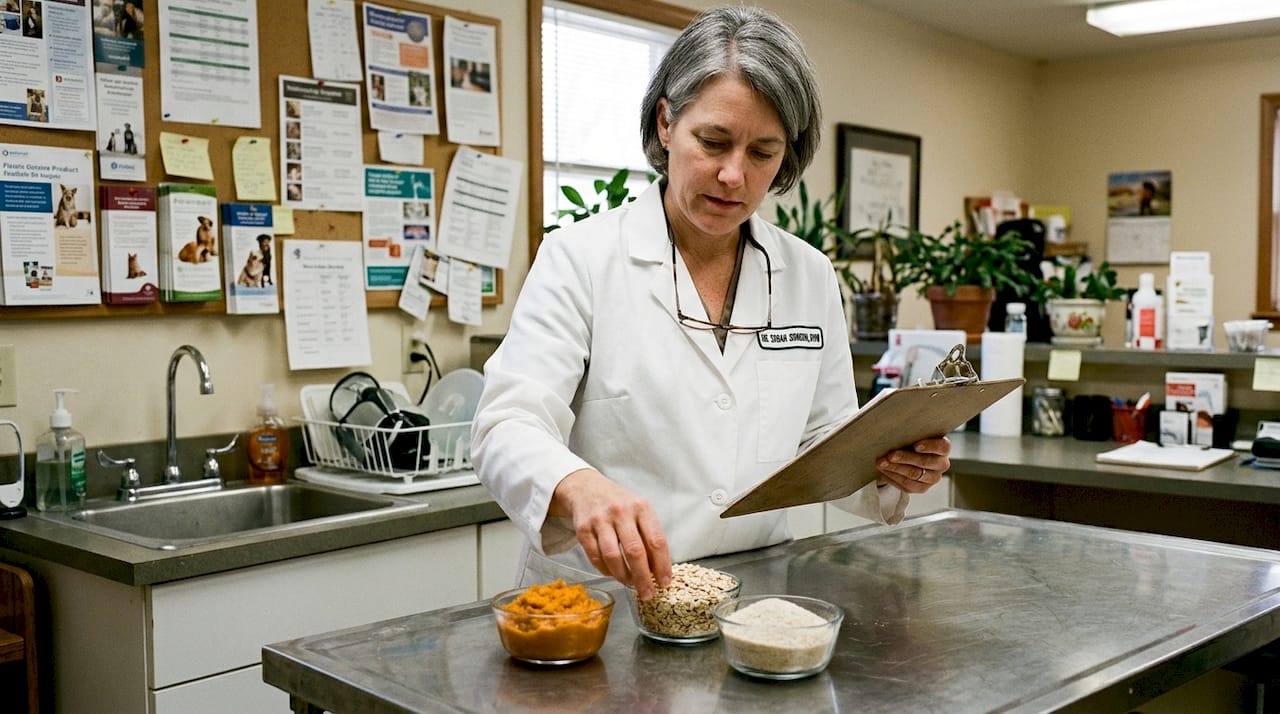
Pro Tip: Start with pumpkin or oats before reaching for a probiotic supplement. Whole-food sources are gentler, more bioavailable, and easier to adjust in terms of dosage.
Comparing digestive health solutions for dogs
To make ingredient choices even easier, here’s a comparative summary spotlighting which solutions suit different needs and dog types.
| Solution type | Best for | Pros | Cons |
|---|---|---|---|
| Prebiotics (whole food) | All life stages | Gentle, natural, affordable | Slower results |
| Probiotics (supplement) | Post-illness, antibiotic recovery | Fast microbiome support | Risk of overuse, cost |
| Soluble fiber supplements | Loose stool management | Clinically studied, effective | Needs hydration balance |
| Freeze-dried whole food | Sensitive dogs, picky eaters | Minimal processing, nutrient-dense | Higher price point |
| Hydrolyzed protein diets | Allergy and sensitivity cases | Reduces immune triggers | Limited ingredient variety |
| Novel protein diets | Undiagnosed food sensitivities | Eliminates common allergens | Requires vet guidance |
Diet-sensitive dogs are especially worth noting here. Research shows that diet-sensitive dogs produce looser stools and that gradual transitions are essential for maintaining stool quality during any food change. Jumping between products too quickly is one of the most common mistakes dog owners make.
Here’s a quick breakdown of which dogs benefit most from each approach:
- Puppies: Gentle whole-food prebiotics and easily digestible proteins; avoid aggressive fiber loading
- Seniors: Probiotics combined with soluble fiber to support slower GI motility
- Large breeds: Structured meal schedules and fiber-rich diets to reduce bloat risk
- Dogs with sensitivities: Hydrolyzed or novel protein diets alongside limited ingredients
The form of the food also matters. Freeze-dried formats preserve nutrients without the heat damage that can occur in kibble production, making them a strong option for dogs who need gentle, bioavailable nutrition. If you’re transitioning sensitive dogs or curious about the differences between formats, comparing kibble vs freeze-dried options is a great place to start.
How to decide what’s best for your dog
Finally, apply all this evidence and comparison to your dog’s specific situation with this practical framework.
Start by assessing your dog’s age, breed, and current health status. These three factors shape which ingredients and delivery methods will work best.
- Assess your dog’s baseline: Track stool quality for 3 to 5 days before making any changes. Note consistency, color, and frequency.
- Choose an ingredient based on the primary issue: Loose stools call for soluble fiber. Microbiome imbalance after illness calls for a vet-approved probiotic. General maintenance calls for whole-food prebiotics.
- Introduce gradually: Start with 1 to 4 tablespoons per meal depending on your dog’s size. Monitor for 1 to 2 days before adjusting.
- Track stool quality: Use the fecal scoring benchmark of 2.5 as your target. Anything consistently above or below warrants a closer look.
- Consult your vet: Especially for puppies, seniors, and large breeds. Research confirms that puppies, older dogs, and large breeds are more prone to loose stools and benefit significantly from tailored dietary approaches.
| Dog type | Recommended focus | Monitoring window |
|---|---|---|
| Puppy (under 1 year) | Gentle fiber, easily digestible protein | 3 to 5 days per change |
| Senior (7+ years) | Probiotic + soluble fiber combo | 5 to 7 days per change |
| Large breed | Structured meals, fiber-rich diet | 3 to 5 days per change |
| Sensitive stomach | Novel/hydrolyzed protein, limited ingredients | 7 to 14 days per change |
Gradual diet transitions and stool monitoring are essential practices, not optional ones. Rushing the process almost always leads to setbacks. If you need a step-by-step process, our guide on how to transition dog food naturally walks you through every stage.
Pro Tip: Keep a simple log with date, food change, and stool score. Even one week of data gives you and your vet a much clearer picture than memory alone.
Our take: What most guides miss about canine digestive health
Most digestive health guides hand you a list of ingredients and call it done. What they skip is the part that actually determines whether those ingredients work: the transition process and the personalization layer.
We’ve seen it repeatedly. A dog owner reads that pumpkin is great for digestion, adds a large spoonful overnight, and ends up with worse stools than before. Too much fiber too fast disrupts the very microbiome you’re trying to support. The same goes for generic probiotics. Not every strain works for every dog, and flooding the gut with the wrong bacteria can cause dysbiosis (an imbalance of gut bacteria) rather than fix it.
Edge cases like puppies and large breeds need extra attention to diet transitions and ingredient choices, yet most mainstream advice treats all dogs as identical. The best digestive outcomes we’ve seen come from combining solid research with careful monitoring and real veterinary input. Ingredients matter, but how you introduce them matters just as much. For a deeper look at what makes freeze-dried formulas stand out, our freeze-dried ingredient tips resource is worth bookmarking.
Premium, vet-approved options for your dog’s digestive health
If you’re ready for a practical upgrade based on these evidence-backed insights, here are premium options trusted by experts and pet owners alike.
At Loyal Saints Pets, every formula is built around the same criteria covered in this article: whole ingredients, no fillers, and complete and balanced nutrition that supports a healthy gut from the inside out.

Our freeze-dried foods are crafted from human-grade proteins, fruits, and vegetables that preserve natural nutrients without harsh processing. They’re especially well-suited for dogs with sensitive stomachs who need gentle, bioavailable nutrition. Learn more about why choose freeze-dried formats and how they compare to conventional options. When you’re ready to shop, browse our full premium dog food shop and find the right formula for your dog’s age, size, and digestive needs. Free shipping is available on qualifying orders.
Frequently asked questions
What are the signs of healthy dog digestion?
Healthy digestion shows up as firm, well-shaped stools, consistent defecation 1 to 3 times per day, and a fecal score close to 2.5. Healthy dogs also show steady energy, good appetite, and no signs of bloating or discomfort after meals.
How should I introduce new digestive health ingredients to my dog’s diet?
Start small, around 1 to 4 tablespoons per meal, and monitor stool quality for 1 to 2 days before adjusting. Sudden diet changes cause loose stools in sensitive dogs, so patience during the transition is key.
Are probiotics always safe for dogs?
Not always. Overuse of probiotics can lead to dysbiosis, and not all strains are clinically validated for dogs. Stick to vet-approved probiotic options and use them with guidance rather than as a daily default.
What ingredient helps most with loose stools?
Soluble fiber sources like pumpkin, psyllium, and soluble corn fiber at 1% supplementation are among the most effective for firming stools quickly while also supporting microbiome diversity.
Do age or breed affect optimal digestive health solutions?
Absolutely. Puppies, older dogs, and large breeds are more prone to digestive upset and require tailored diets with careful ingredient introductions rather than one-size-fits-all approaches.


