Can Dogs Eat…? The Complete Food Safety Guide
Reference hub · Loyal Saints Food Safety Library
Quick answer
Wondering whether a food is safe for your dog? This hub covers the most-searched human foods — which are safe, which to give only in moderation, and which are toxic and must be avoided. Always introduce new foods gradually, and when in doubt, ask your veterinarian.
Not sure which formula is right?
Take the 60-second feeding quiz
Answer a few questions about your dog and get a personalized formula recommendation — built around their breed, age, and needs.
Dogs are family, and it’s natural to want to share. But the human foods that are healthy for us aren’t always safe for dogs — and some are genuinely dangerous. This library breaks down the most common foods dog owners ask about, with clear verdicts and the reasoning behind each.
How to use this guide
Each food page gives you a quick answer, the benefits or risks, how to serve it safely (or why to avoid it), and answers to the most common questions. Foods fall into three broad groups: safe and beneficial, safe in moderation, and toxic — never feed.
The three categories
Safe & beneficial
Whole foods like carrots, blueberries, green beans, and plain cooked meats that add real nutrition.
Safe in moderation
Foods like cheese, bread, and certain fruits that are fine occasionally but shouldn’t be staples.
Toxic — never feed
Chocolate, grapes, raisins, onions, garlic, xylitol, macadamia nuts, alcohol, and caffeine.
When in doubt
Introduce new foods gradually and consult your veterinarian, especially for dogs with health conditions.
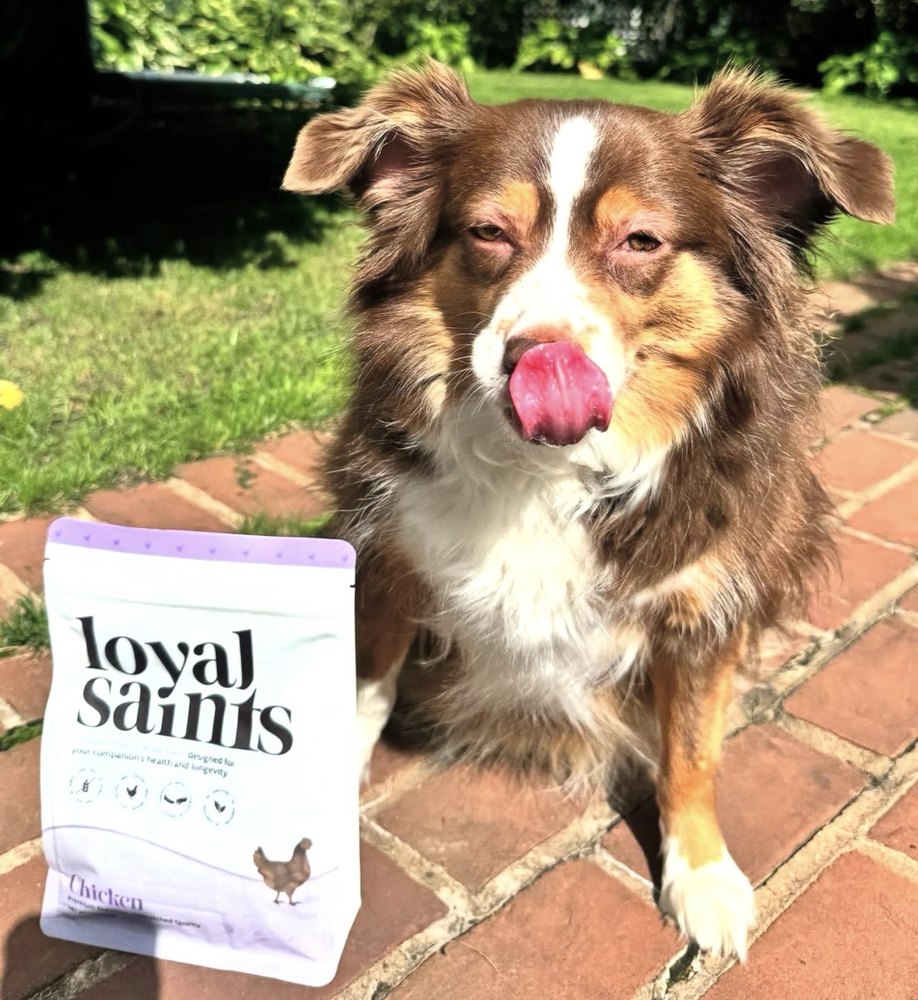
The simplest way to skip the guesswork entirely? Feed a complete, balanced diet built from whole foods. Loyal Saints freeze-dried raw delivers everything your dog needs — real meat, organs, and produce, no fillers, no synthetic premix — so treats can stay treats.
This library is general information, not veterinary advice. If your dog has eaten something potentially toxic, contact your veterinarian or the ASPCA Animal Poison Control Center (888-426-4435) immediately.
Frequently Asked Questions
What human foods are toxic to dogs?
The most dangerous include chocolate, grapes and raisins, onions and garlic, xylitol (a sweetener in sugar-free products), macadamia nuts, alcohol, and caffeine. These should never be fed and can require emergency veterinary care if ingested.
What human foods are safe for dogs?
Many whole foods are safe and healthy in moderation, including carrots, green beans, blueberries, apples (no seeds), plain cooked chicken, turkey, salmon, eggs, pumpkin, and sweet potato. Always serve plain, with no seasoning, and introduce gradually.
How much human food can I give my dog?
Treats and human foods should make up no more than about 10% of your dog’s daily calories, with the rest coming from a complete, balanced diet. Introduce any new food gradually and watch for digestive upset.
What should I do if my dog eats something toxic?
Contact your veterinarian or the ASPCA Animal Poison Control Center (888-426-4435) immediately. Don’t wait for symptoms with serious toxins like xylitol, chocolate, grapes, or raisins — prompt treatment greatly improves outcomes.

Skip the guesswork. Feed complete.
Loyal Saints is a complete, balanced freeze-dried raw meal — real whole-food nutrition with nothing your dog shouldn’t have. No fillers, no synthetic premix.

