
TL;DR:
- Consistent habits such as measuring portions, daily exercise, and regular veterinary exams can significantly extend a dog’s lifespan. Maintaining a healthy weight, providing high-quality protein, and supporting mental stimulation are key factors in promoting longevity and quality of life. Building sustainable routines based on science-backed practices is the most effective way to ensure your dog lives longer and healthier.
Dog health longevity tips are evidence-based practices that help your dog live longer and feel better every single day. The science is clear: nutrition, exercise, preventive veterinary care, dental hygiene, and mental stimulation each play a measurable role in how long your dog lives and how well they age. Sources like the NCVMA, the Dog Aging Project, and the American Animal Hospital Association (AAHA) all point to the same conclusion. Sustainable daily habits, not dramatic interventions, are what move the needle on canine lifespan.
1. measure every meal and monitor body condition
Controlled feeding is the single most impactful dog health longevity tip you can act on today. About 60% of dogs are overweight or obese. That excess weight directly raises the risk of arthritis, diabetes, heart disease, and a shorter life.
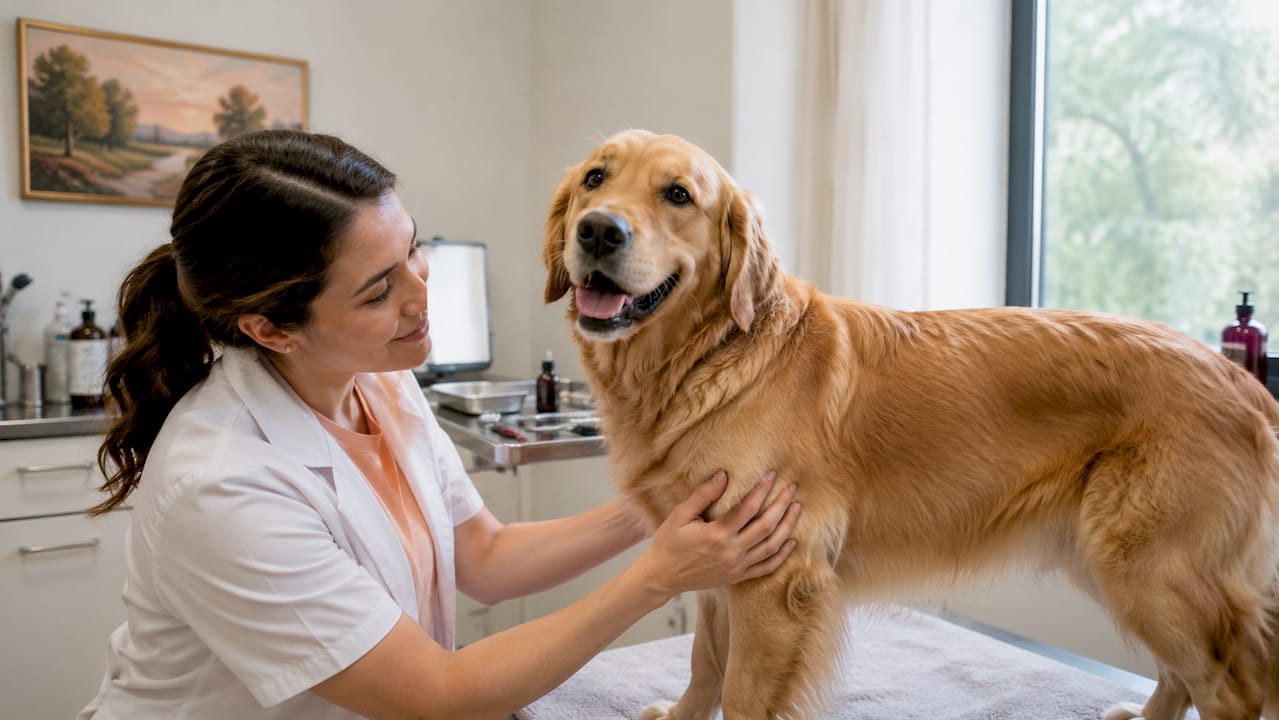
The tool veterinarians use to track this is the Body Condition Score (BCS), a 9-point scale where a score of 4–5 is ideal. Caloric restriction that maintains a lean BCS of 4–5/9 extends median lifespan by approximately 1.8 years in controlled studies. That is nearly two extra years of tail wags, just from keeping your dog lean.
Practical steps to get this right:
- Measure every meal with a kitchen scale or measuring cup. Never eyeball portions.
- Reassess portions every 3–6 months as your dog ages and metabolism slows.
- Count treats as part of daily calorie intake, not extras.
- Ask your vet to score your dog’s BCS at every visit and adjust food accordingly.
NCVMA guidance specifically flags “portion creep” as a common cause of unnoticed weight gain in aging dogs. Metabolism slows with age, and the same cup of food that was right at age 3 may be too much at age 8.
Pro Tip: Switch to a food with a clear calorie-per-cup label, like the freeze-dried options from Loyalsaintspets, so you can calculate portions precisely rather than guessing.
2. feed high-quality protein at every life stage
Protein is not just a macronutrient. It is the building block of muscle, immune function, and organ health. Dogs fed high-quality, whole-food protein sources maintain lean muscle mass longer, which directly supports mobility and metabolic health as they age.
The best dog diet tips from veterinary nutritionists consistently prioritize named protein sources, such as chicken, beef, or salmon, over generic “meat meal.” Freeze-dried raw proteins preserve amino acid profiles better than high-heat processing. That matters because heat degrades certain amino acids, reducing the biological value of the protein your dog actually absorbs.
Life stage matters too. Puppies need higher protein ratios for growth. Senior dogs often need protein maintained or even increased to prevent muscle loss, not reduced as older advice once suggested. Work with your vet to confirm the right protein level for your dog’s age, breed, and activity level. You can find more detail on natural feeding practices that support healthspan at every stage.
3. build a consistent daily exercise routine
Consistent physical activity is one of the clearest dog longevity boosters on any list. Daily walking totaling 30 minutes, split into 2–3 shorter sessions, supports weight management, joint health, cardiovascular function, and mental stimulation all at once.
Here is a practical framework for building that routine:
- Morning walk (10–15 minutes): Sets a calm, focused tone for the day and gets the digestive system moving.
- Midday or afternoon walk (10 minutes): Breaks up long periods of rest, especially for dogs home alone.
- Evening walk (10–15 minutes): Provides social exposure, sniffing time, and a wind-down signal before sleep.
Splitting the 30 minutes into shorter walks is not just more manageable for you. It is also safer for dogs with joint issues, as shorter bursts reduce cumulative impact stress on cartilage. For senior dogs or breeds prone to hip dysplasia, like German Shepherds or Labrador Retrievers, low-impact options like swimming or leash walks on grass are preferable to pavement runs.
Physical activity also correlates with reduced severity of canine cognitive dysfunction signs. Dogs that move regularly show less cognitive decline as they age. The Dog Aging Project data supports this link, even if causation is still being studied.
Pro Tip: Track your dog’s weekly step count using a pet fitness tracker like FitBark or Whistle. Seeing the data makes it easier to stay consistent and catch early signs of reduced mobility.
4. schedule regular veterinary wellness exams
Preventive veterinary care is the backbone of any dog longevity checklist. Annual exams catch problems before they become expensive or life-threatening. For senior dogs, the standard is higher.
Senior pets benefit from twice-yearly wellness exams that include bloodwork, urinalysis, and physical assessment. AAHA defines senior status as age 7 and older for most breeds, though giant breeds like Great Danes age faster and may reach senior status at 5 or 6.
What those exams catch early:
- Kidney and liver disease: Often symptom-free until advanced. Bloodwork detects changes years before clinical signs appear.
- Thyroid dysfunction: Hypothyroidism in dogs causes weight gain, lethargy, and coat changes. It is manageable with medication when caught early.
- Heart disease: Veterinarians can detect murmurs and early cardiac changes through auscultation long before a dog shows exercise intolerance.
- Cancer: Physical palpation and imaging during routine exams identify lumps and masses at earlier, more treatable stages.
- Dental disease: Oral exams reveal periodontal progression that owners rarely notice at home.
Veterinarians recommend scheduling reminders by age and breed to maintain twice-yearly exam compliance for seniors. Ask your clinic to set those reminders for you. It takes one conversation to set up a system that protects your dog for years.
5. prioritize dental care as a whole-body strategy
Dental care is one of the most underrated dog longevity enhancement tips available to every owner. Most people think of it as cosmetic. Veterinary science treats it as systemic disease prevention.
Periodontal disease creates chronic bacterial inflammation in the mouth. That inflammation does not stay local. It travels through the bloodstream and affects the heart, kidneys, liver, and brain. Routine dental care prevents chronic inflammation linked to cardiovascular, metabolic, and cognitive conditions.
| Dental Care Practice | Frequency | Primary Benefit |
|---|---|---|
| Tooth brushing at home | Daily | Removes plaque before it hardens into tartar |
| Veterinary dental exam | Annually | Identifies periodontal pockets and disease staging |
| Professional dental cleaning | As recommended by vet | Removes tartar below the gumline |
| Dental chews or water additives | Daily or as directed | Supplements brushing between cleanings |
Daily tooth brushing is the gold standard for home dental care. Use a dog-specific toothbrush and enzymatic toothpaste. Human toothpaste contains xylitol, which is toxic to dogs. If your dog resists brushing, start with finger brushes and build tolerance gradually over two to three weeks.
6. stimulate your dog’s mind every day
Mental stimulation is a genuine dog energy booster and a proven tool for healthy cognitive aging. Dogs that receive regular mental challenges show fewer signs of canine cognitive dysfunction (CCD), the canine equivalent of dementia.
Mental stimulation and social interaction support cognitive health and reduce signs of CCD in senior dogs. Enrichment does not require expensive equipment. It requires intention and variety.
Effective mental stimulation practices include:
- Food puzzle toys: Kong Classic, Outward Hound Nina Ottosson puzzles, and snuffle mats slow eating and engage problem-solving circuits.
- Training sessions: Even 5 minutes of obedience or trick training per day keeps neural pathways active. Old dogs absolutely can learn new tricks.
- Socialization walks: Routes with new smells, dogs, and people provide more cognitive input than the same loop around the block.
- Scent work: Hide-and-seek games with treats or toys tap into your dog’s most powerful sense and provide deep mental satisfaction.
Physical activity combined with mental challenges delivers the strongest results. A walk that includes sniff breaks, new routes, and brief training moments is more beneficial than a fast, distraction-free jog. Think of it as exercise for the body and the brain at the same time.
Key takeaways
The most effective approach to dog longevity combines measured nutrition, consistent daily exercise, twice-yearly veterinary exams, daily dental care, and regular mental enrichment into one sustainable routine.
| Point | Details |
|---|---|
| Control portions precisely | Use BCS monitoring and adjust meals every 3–6 months as metabolism changes with age. |
| Exercise daily, split into shorter walks | Three 10-minute walks support joints, heart health, and cognitive function better than one long session. |
| Schedule senior exams twice yearly | Dogs age 7+ need bloodwork and physical exams every 6 months to catch kidney, heart, and thyroid issues early. |
| Brush teeth daily | Daily brushing prevents periodontal disease that drives systemic inflammation in the heart, kidneys, and brain. |
| Enrich the mind consistently | Food puzzles, training, and scent work reduce cognitive dysfunction signs and keep senior dogs mentally sharp. |
What i’ve learned about dog longevity after years of watching owners get it wrong
The owners I see add the most years to their dogs’ lives are not the ones buying the most supplements or the fanciest gear. They are the ones who show up consistently. Measured meals, daily walks, and twice-yearly vet visits sound boring. They are also what the research actually supports.
The biggest pitfall I watch owners fall into is free-feeding. It feels kind. It is not. Dogs do not self-regulate calories the way we hope, and the weight creeps on so gradually that owners miss it until the vet flags it at year 7 or 8. By then, joint damage and metabolic stress have already accumulated. Starting portion control at age 2 is infinitely easier than reversing obesity at age 9.
The second pitfall is skipping the senior exam upgrade. Most owners keep their dogs on annual visits out of habit, even after age 7. That six-month gap between exams is where kidney disease quietly progresses from stage 1 to stage 3. Twice-yearly bloodwork is not expensive relative to what it catches.
My honest advice: build your dog’s longevity plan around healthy lifestyle habits that you can actually sustain for 10 or 15 years. Consistency beats intensity every time. And talk to your vet about a personalized plan. Generic advice gets you most of the way there. Tailored guidance gets you the rest.
— Kristina
How Loyalsaintspets supports your dog’s long, healthy life

Loyalsaintspets builds its products around the same principles this article covers: high-quality protein, minimal processing, and no fillers that dilute nutritional value. Their freeze-dried raw chicken and freeze-dried raw beef are made from human-grade, whole ingredients that preserve amino acid profiles your dog needs for lean muscle and immune health. Freeze drying removes moisture without heat, so the nutrients stay intact in a way that kibble processing cannot match. If you want to put the best dog diet tips into practice starting with your dog’s next meal, explore the full Loyalsaintspets shop and find the right protein for your dog’s age and size. More good years start with what goes in the bowl.
FAQ
How many years can good habits add to a dog’s life?
Caloric restriction maintaining a lean BCS adds approximately 1.8 years to median lifespan in controlled studies. Combined with exercise, dental care, and preventive vet visits, the cumulative effect is likely greater.
When should i switch my dog to twice-yearly vet visits?
Most dogs reach senior status at age 7, though giant breeds like Great Danes may need the switch at age 5. AAHA-aligned guidance recommends twice-yearly exams with bloodwork starting at that threshold.
What is the best way to start brushing my dog’s teeth?
Start with a finger brush and dog-safe enzymatic toothpaste, building tolerance over two to three weeks before switching to a standard dog toothbrush. Daily brushing is the gold standard for preventing periodontal disease and its systemic effects.
Does mental stimulation really affect how long a dog lives?
Direct causation is still being studied, but exercise and enrichment associate with reduced cognitive dysfunction severity in senior dogs. Keeping your dog mentally active supports brain health and quality of life well into old age.
How do i know if my dog is at a healthy weight?
Ask your vet to assess your dog’s Body Condition Score at every visit. A score of 4–5 on the 9-point BCS scale is ideal. You should be able to feel your dog’s ribs without pressing hard, but not see them prominently from a distance.


