
TL;DR:
- Dog allergies are caused by food, environment, or both, and understanding their differences guides effective management. An elimination diet, combined with careful reintroduction, is the gold standard for diagnosing food allergies, while diet plays a supportive role in managing environmental allergies. Combining dietary and environmental strategies with veterinary guidance ensures the most comprehensive approach to your dog’s allergy relief.
If your dog is constantly scratching, chewing their paws, or dealing with recurring skin flares, you’ve probably explored every environmental trigger imaginable. What many dog owners overlook, though, is how powerfully diet shapes allergy outcomes. Food can act as both a hidden trigger and a management tool, and knowing the difference between those two roles changes everything about how you approach your dog’s relief. This guide breaks down what the research actually says, how to use diet strategically, and where the common pitfalls are, so you can make smarter decisions for your dog starting today.
Table of Contents
- Understanding canine allergies: Food, environment, and beyond
- How elimination diets uncover food allergies in dogs
- Diet as therapy: When and how food choices support allergy management
- Myths, edge cases, and risks: What every dog owner should know
- What most allergy guides miss: Making diet part of a holistic allergy plan
- Support your dog’s health journey with trusted nutrition
- Frequently asked questions
Key Takeaways
| Point | Details |
|---|---|
| Diet is diagnostic | A carefully controlled elimination diet is essential to prove or rule out food allergies in dogs. |
| Ongoing dietary control | Tailored diets help reduce allergy flares but often need to be part of a larger management plan. |
| Evidence matters | Not every itchy dog benefits from dietary changes—diagnosis and management should be evidence-based. |
| Medical guidance required | Unsupervised dietary restriction carries risks and should always be managed in partnership with a veterinarian. |
Understanding canine allergies: Food, environment, and beyond
Not all dog allergies work the same way, and treating them all the same is one of the most common mistakes owners make. Before you can use diet effectively, you need to understand which type of allergy you’re actually dealing with.
Dog allergies fall into three main categories. Food allergies (also called adverse food reactions, or AFR) occur when the immune system reacts to a specific ingredient, usually a protein like chicken, beef, dairy, or eggs. Environmental allergies (canine atopic dermatitis, or CAD) are triggered by airborne or contact allergens like pollen, dust mites, and mold. Mixed presentations involve both food and environmental components, which makes them harder to sort out without a structured approach.
Food allergies often get missed because their symptoms look a lot like environmental allergy symptoms: itchy skin, ear infections, paw licking, and gastrointestinal upset. What makes them trickier is that the reaction isn’t always immediate. A dog can eat the same food for years before developing a sensitivity to it, which makes the causes of dog allergies feel almost invisible at first glance.
Here’s a helpful comparison to guide your thinking:
| Allergy type | Common triggers | Main symptoms | Primary management |
|---|---|---|---|
| Food allergy (AFR) | Proteins (chicken, beef, dairy) | Itchy skin, GI issues, ear infections | Elimination diet, food avoidance |
| Environmental (CAD) | Pollen, dust mites, mold | Seasonal or year-round skin inflammation | Medications, immunotherapy, diet support |
| Mixed | Both food and environmental | Overlapping, variable symptoms | Combined medical and dietary strategies |
It’s important to know that diet avoidance and specialized diets show more limited evidence for canine atopic dermatitis where non-food triggers predominate. This means that if your dog’s allergies are primarily environmental, diet changes alone aren’t likely to solve the problem. But they can still play a meaningful supporting role, which we’ll cover shortly.
Key facts about food allergy recognition:
- Symptoms are often non-seasonal and persist year-round
- Reactions commonly show up on the face, paws, armpits, and groin
- Ear infections that keep coming back are a major red flag
- GI signs like loose stools or vomiting may accompany skin symptoms
- Blood and skin allergy tests are not reliable for diagnosing food allergies
Understanding these distinctions is the foundation for using dog allergy management strategies that actually work rather than spinning your wheels trying one solution after another.
How elimination diets uncover food allergies in dogs
Once you understand the allergy landscape, diet becomes one of the most precise tools available for diagnosing what’s actually causing your dog’s reactions. The method is called an elimination diet trial, and it’s considered the gold standard in food allergy diagnosis.
Here’s how it works, step by step:
- Choose a novel or hydrolyzed protein diet. This means picking an ingredient your dog has never eaten before, like venison, duck, rabbit, or kangaroo, combined with a single carbohydrate source. A hydrolyzed protein diet uses proteins broken into such small pieces that the immune system doesn’t recognize them as threats.
- Commit to strict feeding for 8 to 12 weeks. No exceptions. This means no table scraps, no flavored medications, no chews or treats that contain old proteins, and no flavored toothpaste.
- Monitor symptoms carefully. Keep a simple daily log of itching, paw licking, ear scratching, skin redness, and stool quality. Small changes often emerge before dramatic improvement.
- Conduct a food challenge. After the trial period, reintroduce the original food. If symptoms return within 1 to 2 weeks, that confirms a food allergy. This step is essential for a true diagnosis.
- Identify the specific culprit. Reintroduce individual ingredients one at a time to narrow down exactly which protein or ingredient is causing the reaction.
The elimination diet as the reference standard for proving food allergy involves a strict diet trial followed by a controlled food challenge to identify offending ingredients. AAHA guidance on elimination trials treats this as a structured step, where symptom resolution and relapse upon food challenge confirm the diagnosis.
One reason these trials fail is hidden ingredients. Many commercial treats, flavored supplements, and even some flea preventatives contain proteins that can sabotage your results. Reading labels becomes non-negotiable during this period.

Pro Tip: Write down every single thing that goes into your dog’s mouth during the trial, including supplements, medications, and anything they might grab off the floor. One accidental bite of the wrong food can delay results by weeks and force you to start over.
Following proper elimination diet steps and understanding the food reintroduction process makes all the difference between getting clear answers and chasing symptoms indefinitely. Patience is everything here. It’s not a quick fix, but the diagnostic clarity you gain is worth every careful week.
Diet as therapy: When and how food choices support allergy management
After you’ve confirmed a food allergy through an elimination trial, diet shifts from being a diagnostic tool to being a long-term management strategy. But its role looks different depending on the type of allergy your dog has.
For dogs with confirmed adverse food reactions, the approach is clear: permanently avoid the offending ingredient. However, managing exposure isn’t always as simple as switching foods once. Clinical signs may be triggered by moderate-to-high protein exposures, with substantial individual variability in how much exposure a dog can tolerate before a flare occurs. Some dogs react to trace amounts while others tolerate small exposures without visible symptoms.
Here’s a comparison of dietary approaches based on allergy type:
| Condition | Dietary goal | Recommended approach | Expected outcome |
|---|---|---|---|
| Confirmed food allergy | Eliminate trigger ingredients | Novel protein or hydrolyzed diet long-term | Significant symptom reduction |
| Canine atopic dermatitis (CAD) | Reduce inflammation, support skin barrier | Omega-3 enriched, high-quality ingredients | Modest supportive benefit |
| Mixed allergies | Address food triggers while managing CAD | Combined dietary and medical approach | Partial symptom improvement |
For dogs with environmental CAD, specialized diets function as adjuncts rather than stand-alone therapy once environmental disease is established. This is a crucial point. Diet can reduce the frequency and severity of flares, support skin barrier health, and improve your dog’s overall resilience, but it won’t eliminate environmental triggers on its own.
Research shows that dietary interventions may provide adjunctive clinical benefit in canine atopic dermatitis when paired with standard care like medications or immunotherapy. This means diet is most powerful when it’s part of a broader plan, not the entire plan.
What you can realistically expect when using diet as ongoing management:
- Fewer and less severe flare-ups over time
- Improved coat quality and skin moisture retention
- Better overall digestive health, which supports immune function
- Reduced need for some medications (though never stop medications without vet guidance)
- Greater tolerance for environmental triggers in some dogs
If you’re exploring pet food allergy management options or wondering how diet and seasonal allergy relief connect for dogs with pollen sensitivities, the key is choosing whole, minimal-ingredient foods with clean protein sources. Avoiding fillers, artificial additives, and multiple protein sources in a single food makes the diet easier to control and easier to troubleshoot. If you’re also thinking about treats, doodle-friendly allergy treats with single ingredients are a smart way to stay consistent without sacrificing your dog’s enjoyment.
Myths, edge cases, and risks: What every dog owner should know
It’s easy to read about elimination diets and dietary management and assume that changing your dog’s food will fix everything. But some persistent myths and real risks deserve honest attention.
Common myths about diet and dog allergies:
- “Diet alone will solve my dog’s allergies.” For environmental CAD, this is rarely true. Diet is supportive, not curative.
- “If my dog isn’t reacting to food, diet doesn’t matter.” Diet still affects inflammation, gut health, and immune function, even in dogs without confirmed food allergies.
- “Grain-free food is automatically better for allergic dogs.” Grains are not common allergens in dogs. Proteins are. Grain-free doesn’t mean allergen-free.
- “Food allergies develop quickly.” Most food allergies develop after months or years of exposure to the same ingredient.
- “Environmental and food triggers are always separate.” Many dogs have both, and one type can lower the threshold for the other to trigger a reaction.
One genuinely tricky edge case is the placebo effect in food challenge testing. Placebo effects during double-blinded food challenge testing can create false-positive reactions, meaning owners and even clinicians sometimes perceive improvement or worsening that isn’t driven by the actual food. This is why challenge testing should be carefully structured and ideally supervised.
Another real risk is unsupervised dietary restriction. Diet elimination should be medically directed and is not risk-free. Overly restrictive diets, especially without proper formulation, can lead to nutritional deficiencies, inadequate caloric intake, or muscle loss, particularly in growing puppies or dogs with other health conditions. A homemade elimination diet without veterinary nutritionist input is especially risky because it’s very difficult to balance all essential nutrients correctly.
Pro Tip: Before you make any significant dietary change, especially a full elimination trial, talk to your vet. A brief consultation can save you weeks of confusion and protect your dog from unintended nutritional gaps. Your vet can also help you identify whether environmental factors need simultaneous attention so you’re not missing half the picture.
Exploring a natural allergy management guide can help you understand how to layer dietary and non-dietary strategies safely for a more complete approach.
What most allergy guides miss: Making diet part of a holistic allergy plan
Here’s something most allergy content won’t tell you directly: many well-meaning dog owners get so focused on finding the one perfect food that they miss several other controllable factors driving their dog’s symptoms. We’ve seen this pattern repeatedly, and it’s genuinely worth naming.
Diet is a powerful tool. But it becomes significantly less effective when environmental burdens are high and unaddressed. A dog living in a home with significant dust mite exposure, bathing infrequently, or lacking regular flea prevention will continue to suffer even on the most carefully selected novel protein diet. The food might be perfect. The rest of the picture isn’t.
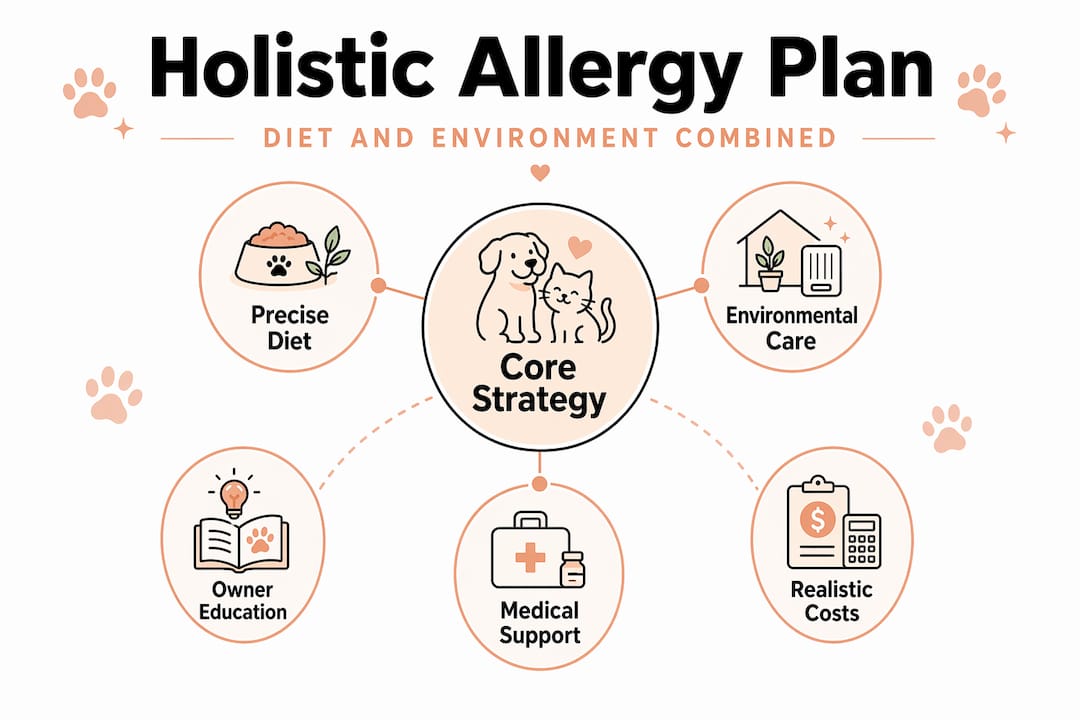
The most effective allergy plans combine dietary precision with environmental management, appropriate medical therapies, and regular veterinary monitoring. These aren’t competing strategies. They’re complementary ones. When you reduce both the food trigger load and the environmental trigger load simultaneously, you often get results that neither approach alone could produce.
We’d also encourage you to be honest with yourself about expectations. A diet change is rarely a dramatic overnight transformation. Real improvement is usually gradual, showing up over weeks rather than days. Owners who stick with the plan, track symptoms carefully, and communicate with their vet are consistently the ones who see meaningful, lasting change.
Thinking carefully about managing allergy costs is also worthwhile. Specialized diets and novel proteins can be more expensive upfront, but they often reduce spending on repeated vet visits, medications, and treatments for secondary infections over time. Investing in the right food now frequently saves money and heartache later.
The bottom line: don’t let diet be the only variable you’re managing. Use it confidently, but use it within a broader strategy designed specifically for your dog.
Support your dog’s health journey with trusted nutrition
Ready to put evidence into action? High-quality nutrition helps your dog thrive alongside smart allergy management.
Choosing the right food is one of the most impactful things you can do for an allergy-prone dog. Clean ingredients, single protein sources, and no hidden fillers make it far easier to identify triggers, maintain consistent results, and support your dog’s skin and immune health long-term.

At Loyal Saints Pets, our freeze-dried foods are crafted from human-grade, whole ingredients with no artificial additives or unnecessary fillers, making them a natural fit for dogs on structured allergy management plans. Explore the freeze-dried food benefits that make our formulas a trusted choice among health-focused dog owners. When you’re ready to find a clean, allergy-supportive option, shop our allergy-support options and take a confident next step toward better days for your dog and more smiling moments for you.
Frequently asked questions
How long does it take to see improvement in my dog’s allergies after changing their diet?
Most dogs show improvement within 2 to 8 weeks of starting a strict elimination diet, though a strict limited diet for weeks to months with careful monitoring is often required depending on the severity of symptoms.
Can I diagnose my dog’s food allergies without a vet?
No. Food allergy diagnosis should be medically supervised because diet elimination is not risk-free and unsupervised restriction can lead to incorrect conclusions and potential nutritional problems.
Is diet enough to fully control my dog’s atopic dermatitis?
Dietary changes provide helpful supportive care, but specialized diets are best viewed as adjuncts rather than stand-alone treatment for environmentally driven atopic dermatitis.
Are grain-free or raw diets better for allergy-prone dogs?
No current evidence shows grain-free or raw diets are universally superior for allergic dogs. Hydrolyzed or novel-protein diets remain the proven starting point for diagnosing and managing true food allergies.


