
TL;DR:
- Freeze-dried dog food preserves up to 97% of nutrients through sublimation, offering superior nutrition and shelf stability. However, it is often marketed as a treat or topper, not a complete diet, and carries safety considerations due to potential pathogen survival. Using freeze-dried food as a supplement provides health benefits at a manageable cost for most dog owners.
Freeze-dried dog food is a minimally processed, nutrient-dense diet option that retains up to 97% of original nutrients through a low-temperature process called sublimation. So is freeze dried dog food worth it? For most dog owners, the honest answer is yes, with conditions. It delivers real nutritional advantages over traditional kibble, but the cost is significant and the safety picture is more complex than the marketing suggests. This guide breaks down the science, the numbers, and the practical feeding strategies so you can decide what makes sense for your dog and your household.
How does freeze drying preserve dog food nutrients?
Freeze drying, known in food science as lyophilization, removes moisture from raw ingredients without applying heat. The food is frozen solid, then placed in a vacuum chamber where ice converts directly to vapor. This skips the liquid stage entirely, which is what makes it so effective at preserving nutrition.
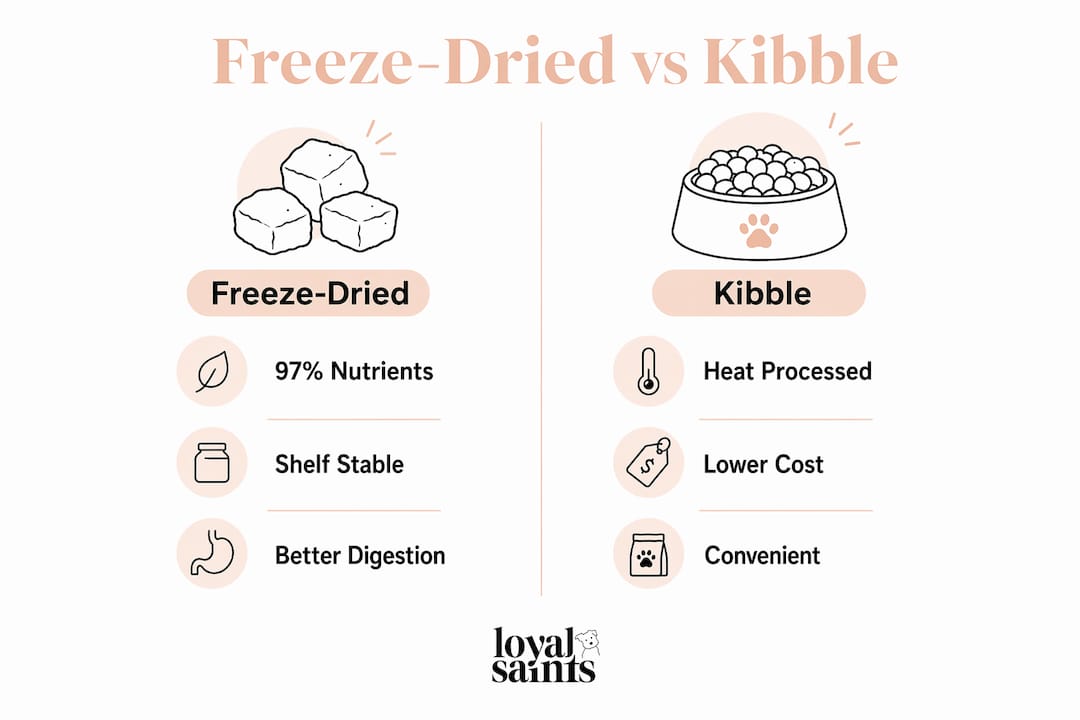
Traditional kibble is made through high-heat extrusion, a process that can degrade heat-sensitive vitamins, enzymes, and amino acids. Freeze drying sidesteps that damage almost entirely. The result is a food that retains up to 97% of nutrients from the original raw ingredients, including proteins, omega fatty acids, and fat-soluble vitamins like A, D, E, and K.
The impact on your dog’s digestion is measurable. Dogs fed freeze-dried food show significantly less stool volume and firmer stools compared to kibble-fed dogs. Less waste means more of what goes in is actually being absorbed. That is a meaningful difference for dogs with sensitive stomachs or chronic digestive issues.
The moisture reduction also creates impressive shelf stability. Freeze-dried food typically reaches a moisture content below 5%, giving it an unopened shelf life of 12–24 months without refrigeration. That makes it far more practical to store and travel with than refrigerated raw food.
| Feature | Freeze-Dried | Kibble | Raw (Refrigerated) |
|---|---|---|---|
| Nutrient retention | Up to 97% | Moderate (heat loss) | High |
| Shelf life (unopened) | 12–24 months | 12–18 months | 3–5 days |
| Refrigeration needed | No | No | Yes |
| Digestibility | High | Moderate | High |
| Cost per day (50 lb dog) | ~$14.73 | ~$1–2 | ~$5–10 |
Pro Tip: Rehydrate freeze-dried food with warm water before serving. This restores moisture, improves palatability, and supports kidney health, especially in dogs that do not drink enough water on their own.
Is freeze-dried dog food nutritionally complete and safe?
Nutrient retention and nutritional completeness are not the same thing. This distinction matters more than most pet food marketing lets on. A food can preserve nearly all of its original nutrients and still fall short of what your dog needs for a balanced daily diet.
The Association of American Feed Control Officials, known as AAFCO, sets the standards for complete and balanced pet food in the United States. Many freeze-dried products lack AAFCO compliance for complete and balanced feeding. That means they are formulated as toppers or treats, not as sole-diet replacements. Feeding them as a primary meal over time can lead to serious nutrient deficiencies.
Before you buy any freeze-dried product, check the label for one of two AAFCO statements:
- “Complete and balanced” for a specific life stage (adult maintenance, growth, or all life stages)
- “Intended for intermittent or supplemental feeding only” which means it is a topper, not a full meal
Safety is the second major consideration. Freeze drying does not sterilize food. Raw pathogens like Salmonella and E. coli can survive the freeze-drying process. This is not a reason to avoid freeze-dried food entirely, but it is a reason to handle it carefully, especially if your household includes young children, elderly adults, or anyone with a compromised immune system.
Wash your hands after handling the food, clean your dog’s bowl after every meal, and store opened bags in a sealed container. These are simple steps that significantly reduce risk.
Pro Tip: Look for brands that use high-pressure processing, or HPP, as an additional step after freeze drying. HPP provides a pathogen kill step that reduces the risk of Salmonella, E. coli, and Listeria without using heat, giving you the safety of processing with the nutrition of raw.
Freeze-dried vs kibble: cost, convenience, and health benefits
This is where the real decision gets made for most dog owners. Freeze-dried food wins on nutrition. Kibble wins on cost and convenience. Understanding exactly where those gaps fall helps you find the right balance.
The cost reality
Feeding a 50-pound dog a complete freeze-dried diet costs about $14.73 per day, which adds up to roughly $5,305 per year. That is 10–15 times more than premium kibble for the same dog. For many families, that number alone makes full freeze-dried feeding impractical. Using freeze-dried food as a topper, even just a tablespoon or two per meal, brings that cost down to a manageable $1–3 per day while still delivering a meaningful nutritional boost.
Health benefits you can actually see
Owners consistently report improved coat quality, less shedding, and higher energy within 3–4 weeks of introducing freeze-dried food, particularly in senior dogs and those with sensitive digestion. The long-term health gains from better digestion and nutrient absorption can also reduce veterinary expenses over time. That is a real return on investment that the sticker price alone does not capture.
For a deeper look at how these two food types compare over months and years, the long-term health impact of freeze-dried versus kibble is worth reviewing before you commit to either approach.
Convenience comparison
Kibble remains the easiest option. It requires no preparation, no refrigeration, and no special handling. Freeze-dried food is more involved but still far simpler than refrigerated raw feeding. It stores at room temperature, travels well, and rehydrates in under a minute. Refrigerated raw food, by contrast, requires thawing, careful temperature management, and a much shorter use window once opened.
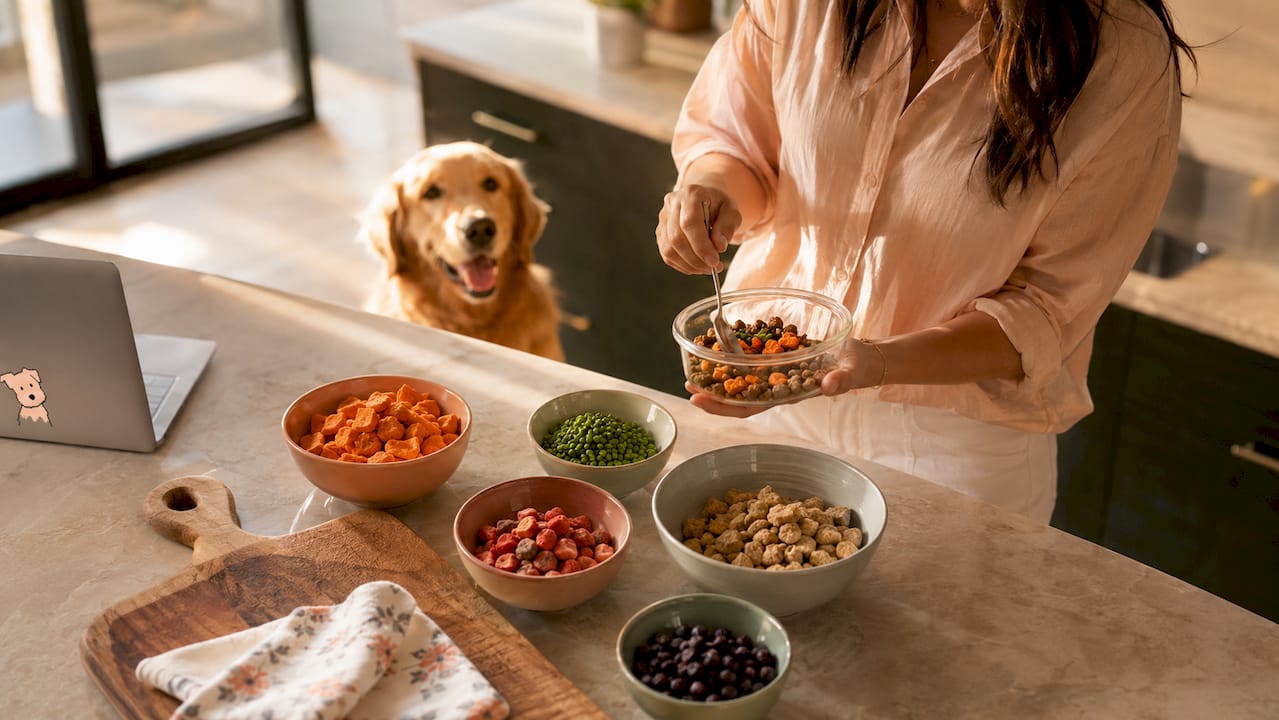
The hybrid approach is what veterinary experts recommend most often. Use a high-quality kibble as the base and add freeze-dried food as a topper two to three times per week. You get the nutritional density and palatability of freeze-dried food without the full cost burden.
What are effective ways to use freeze-dried food in your dog’s diet?
Getting the most out of freeze-dried food comes down to how you introduce it and how consistently you use it. Here is a practical approach that works for most dogs.
-
Start with a topper. Crumble a small amount of freeze-dried food over your dog’s regular kibble. Begin with about one teaspoon per meal and watch for any digestive changes over the first week. Most dogs tolerate the transition well, but sensitive stomachs may need a slower ramp-up.
-
Rehydrate for better results. Add warm water to the freeze-dried food and let it sit for two to three minutes before mixing it into the bowl. Rehydrated food is easier to digest and more appealing to picky eaters.
-
Check the label before feeding as a full meal. Only products with an AAFCO complete and balanced statement should replace kibble entirely. Many freeze-dried products are labeled for supplemental feeding only. Feeding them as a sole diet over time creates nutritional gaps that are hard to detect until they cause health problems.
-
Choose brands with safety protocols. Look for manufacturers that use HPP or other pathogen reduction steps. Store opened bags sealed and away from moisture. Wash hands and bowls after every use.
-
Consider a full freeze-dried diet selectively. A complete freeze-dried diet makes the most sense for dogs with specific health needs, such as food allergies, inflammatory bowel disease, or extreme pickiness, where the nutritional and palatability advantages justify the cost. For a detailed breakdown of which nutrients dogs absorb better in freeze-dried form, that resource can help you make the case to your vet.
Pro Tip: If your dog is a senior or has a chronic condition, talk to your veterinarian before switching to a freeze-dried diet. Older dogs often benefit most from the improved digestibility, but their specific health needs may require a tailored approach.
Key takeaways
Freeze-dried dog food is worth it as a nutritional topper for most owners, and as a complete diet only when cost, safety protocols, and your dog’s specific health needs all align.
| Point | Details |
|---|---|
| Nutrient retention is high | Freeze drying preserves up to 97% of original nutrients, far more than kibble extrusion. |
| Cost is the biggest barrier | A complete freeze-dried diet costs roughly $5,305 per year for a 50-pound dog. |
| Not all products are complete | Check for an AAFCO complete and balanced statement before feeding as a sole diet. |
| Safety requires active steps | Freeze drying does not kill pathogens; choose HPP brands and practice careful handling. |
| Topper strategy is the sweet spot | Using freeze-dried food as a topper delivers real benefits at a fraction of the full-diet cost. |
My take on when freeze-dried food is genuinely worth the investment
I have spent a lot of time looking at the research and talking with dog owners who have tried freeze-dried food across every feeding scenario. My honest view is that the topper strategy is the right call for the vast majority of people reading this.
The nutritional science is real. The digestibility improvements are real. The coat and energy changes owners report within a month are consistent enough to be credible. But the full-diet cost is genuinely steep, and the pathogen risk, while manageable, requires more attention than most people expect when they first open a bag.
Where I think freeze-dried food earns its price without question is in dogs with chronic digestive issues, food sensitivities, or aging bodies that struggle to extract nutrition from heavily processed kibble. For those dogs, the investment often pays back in fewer vet visits and a noticeably better quality of life.
For healthy adult dogs with no specific issues, I recommend starting with a quality freeze-dried topper two or three times a week. Give it 30 days. Watch your dog’s coat, stool quality, and energy. The changes are usually visible enough to tell you whether it is worth going further. Always loop in your veterinarian when you are considering a significant diet change, especially for puppies, seniors, or dogs managing a health condition.
— Kristina
Discover premium freeze-dried options at Loyalsaintspets
If you are ready to try freeze-dried food with your dog, starting with a trusted source makes all the difference.
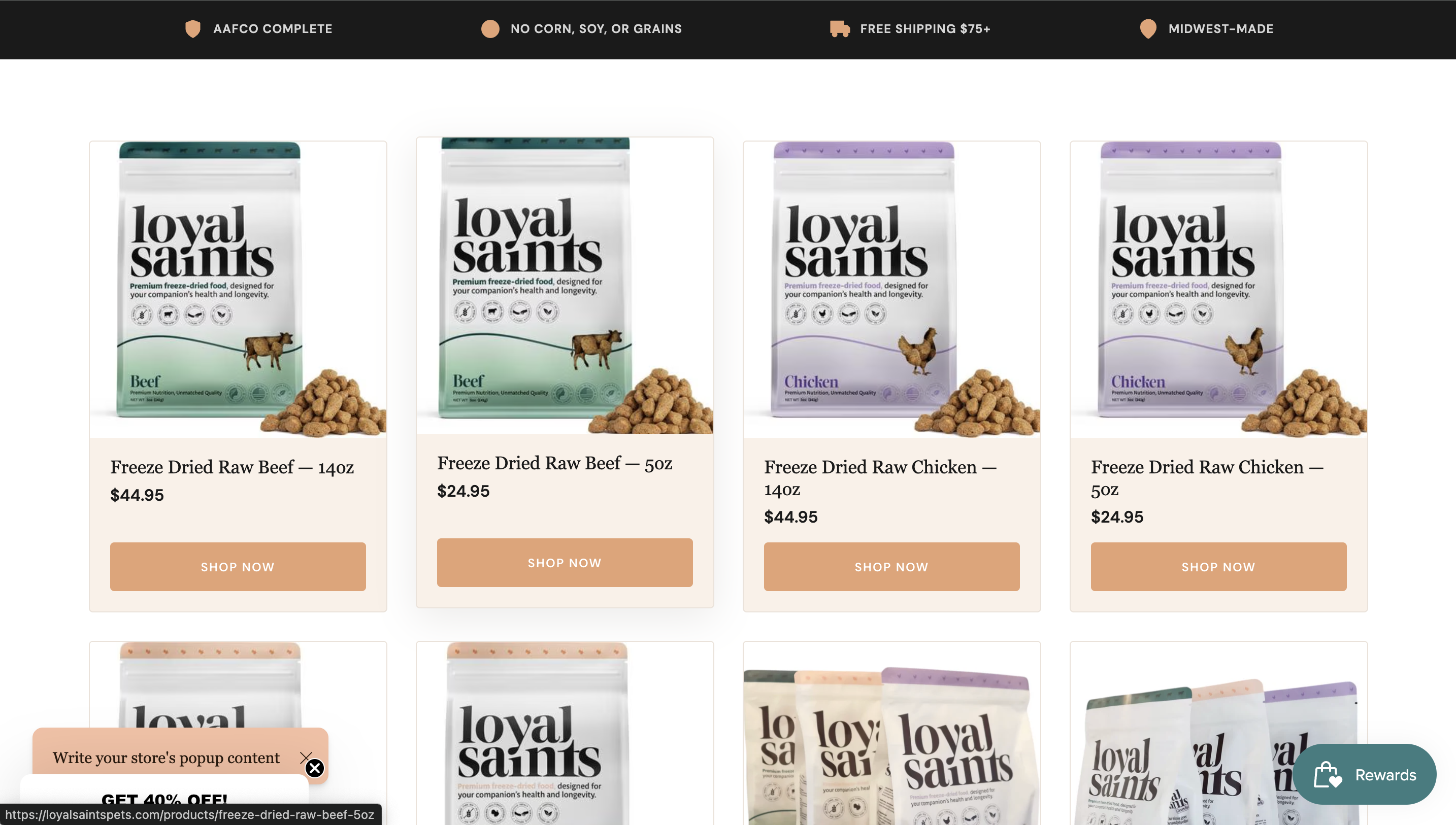
Loyalsaintspets offers freeze-dried raw proteins including freeze-dried chicken in a starter size that is perfect for testing the topper approach, and a 14oz chicken option for dogs you know will love it. Every product is made from human-grade, whole ingredients with no fillers or artificial additives, and meets AAFCO standards for complete and balanced nutrition. If you want to understand the full philosophy behind why freeze-dried food is the choice Loyalsaintspets stands behind, the why freeze dried page lays it out clearly. Your dog deserves food that works as hard as you do for their health.
FAQ
Is freeze-dried dog food worth it for most dog owners?
Freeze-dried dog food is worth it as a premium topper for most owners, delivering measurable nutritional benefits at a manageable cost. As a complete sole diet, it is best suited for dogs with specific health needs and owners with the budget to support it.
How does freeze-dried food compare to kibble nutritionally?
Freeze-dried food retains up to 97% of original nutrients through sublimation, while kibble loses a portion of heat-sensitive vitamins and enzymes during high-temperature extrusion. The digestibility difference shows up in stool volume and coat quality within weeks.
Is freeze-dried dog food safe for my family?
Freeze drying does not sterilize food, so raw pathogens like Salmonella can survive the process. Choosing brands that use high-pressure processing and practicing careful handling, including washing hands and bowls after every use, keeps the risk low.
How do I know if a freeze-dried product is nutritionally complete?
Check the label for an AAFCO complete and balanced statement tied to a specific life stage. Products without this statement are formulated as toppers or treats and should not replace your dog’s primary diet.
Can I mix freeze-dried food with kibble?
Yes, and this is the approach most veterinary experts recommend. Crumbling freeze-dried food over kibble as a topper gives your dog the nutritional and palatability benefits of freeze-dried food while keeping daily feeding costs practical.


