
TL;DR:
- Freeze-dried dog food preserves heat-sensitive nutrients and has a higher animal protein content than kibble. It offers long shelf life, cleaner ingredients, and improved palatability but requires safety precautions due to potential pathogen survival. Using it as a topper can deliver significant nutrition benefits at a lower cost while ensuring proper handling and gradual transition.
Freeze-dried dog food is a minimally processed pet food made by removing moisture through sublimation, a process that converts ice directly to vapor without heat. This method preserves nearly all the natural vitamins, enzymes, and amino acids found in raw ingredients. Brands like Stella & Chewy’s have built entire product lines around this technology, and the raw feeding movement has pushed freeze-dried options into the mainstream. If you’re asking why choose freeze-dried dog food over what’s already in your pantry, the short answer is nutrient density, cleaner ingredients, and a shelf-stable format that works for real life. This guide covers the benefits, safety considerations, cost realities, and practical feeding strategies you need to make a confident decision.
What are the nutritional benefits of freeze-dried dog food?
Freeze-dried dog food preserves heat-sensitive nutrients that conventional kibble processing destroys. High-heat extrusion, the method used to make most kibble, reaches temperatures above 300°F. That heat degrades B vitamins, natural enzymes, and many amino acids. Freeze-drying never exceeds room temperature, so those nutrients stay intact.
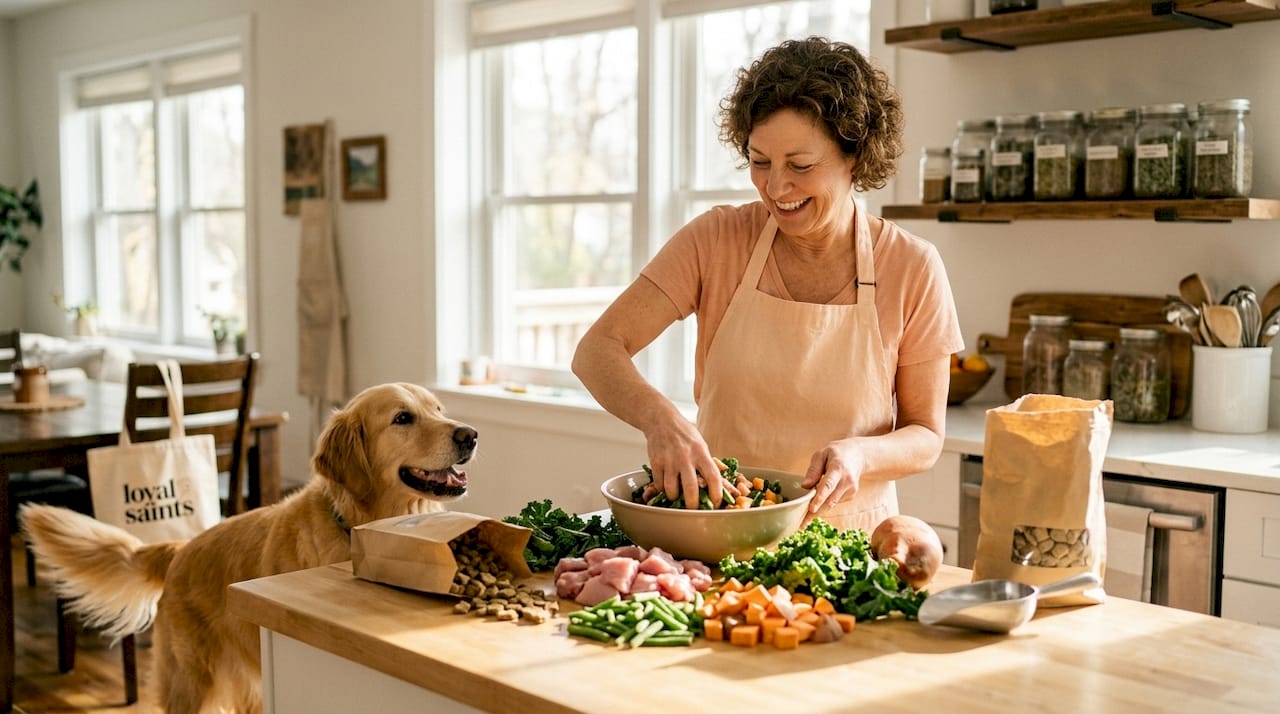
The protein content difference is significant. Freeze-dried formulas typically contain 80–95% animal ingredients, compared to 25–40% in most kibble. That gap matters for muscle maintenance, coat quality, and immune function. Dogs are biologically designed to metabolize animal protein efficiently, and a higher percentage means more usable nutrition per bite.
Ingredient lists are also shorter and cleaner. Most freeze-dried recipes skip corn, wheat, soy, and synthetic preservatives entirely. Fewer fillers mean less digestive strain, which often shows up as firmer stools, reduced gas, and better nutrient absorption. Dog owners frequently report visible coat improvements within a few weeks of switching.
| Criteria | Freeze-Dried | Kibble |
|---|---|---|
| Animal protein content | 80–95% | 25–40% |
| Heat-sensitive nutrient retention | High | Low |
| Synthetic preservatives | Rarely used | Commonly used |
| Typical shelf life (unopened) | 12–24 months | 12–18 months |
| Average daily cost (full diet) | $4–$15 | $1–$4 |
Pro Tip: Check the first five ingredients on any freeze-dried label. A named animal protein like chicken, beef, or salmon should always appear first. If you see “meat meal” or a grain in the top three, keep looking.
Palatability is another real advantage. Freeze-dried food intensifies natural aroma and flavor because moisture removal concentrates the food’s scent compounds. Picky eaters and dogs with low appetite respond well to this, often eating more consistently than they do with standard kibble.
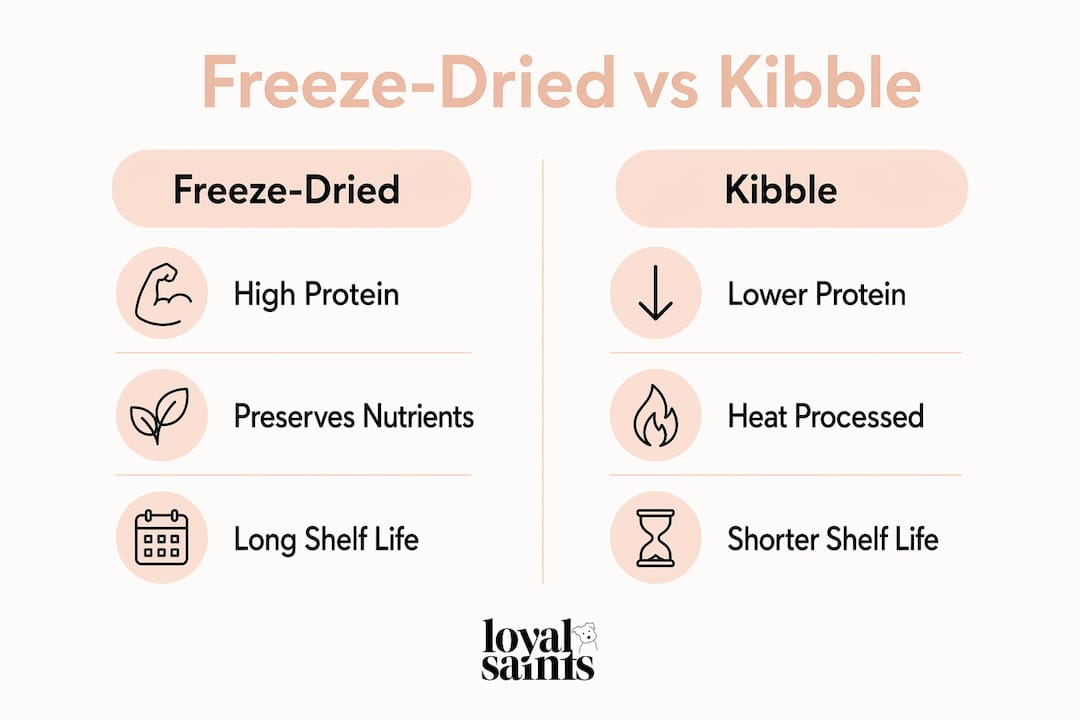
Freeze-dried dog food vs. kibble: how do they compare?
Understanding the differences between freeze-dried dog food and other formats helps you choose what fits your dog and your lifestyle. The comparison goes beyond nutrition.
Processing method is the biggest dividing line. Kibble uses high-heat extrusion. Air-dried food uses low heat over extended periods. Fresh raw food uses no heat at all but requires refrigeration. Freeze-drying uses sublimation at low temperatures, sitting closest to fresh raw in terms of nutrient preservation while offering the shelf stability of kibble.
Shelf life and storage favor freeze-dried significantly. Unopened freeze-dried food lasts 12–24 months without refrigeration. Fresh raw food lasts days in the fridge and weeks in the freezer. That shelf stability makes freeze-dried a practical choice for travel, bulk buying, and emergency preparedness.
| Format | Nutrition Quality | Shelf Life | Convenience | Avg. Daily Cost |
|---|---|---|---|---|
| Freeze-dried | Very high | 12–24 months | High | $4–$15 |
| Kibble | Moderate | 12–18 months | Very high | $1–$4 |
| Air-dried | High | 12–16 months | High | $3–$8 |
| Fresh raw | Highest | Days to weeks | Low | $5–$20+ |
Cost is where freeze-dried dog food draws the most hesitation. Feeding a large dog a full freeze-dried diet can reach $15 or more per day. That’s a real budget commitment. Using freeze-dried food as a topper over kibble brings the daily cost down to $1–$3, which makes the nutrition upgrade accessible for most households. You can read more about this approach in our guide on boosting meals with toppers.
For a deeper look at how these two formats stack up on ingredients and processing, the freeze-dried vs. kibble comparison at Loyalsaintspets breaks it down clearly.
What safety considerations should dog owners know?
Freeze-dried dog food is not sterilized. Pathogens like Salmonella, E. coli, and Listeria can survive the freeze-drying process. This is the most important safety fact to understand before switching your dog to a raw freeze-dried diet.
The solution is to choose brands that include an additional kill step. High-Pressure Processing, commonly called HPP, uses intense water pressure to eliminate pathogens without heat. Not every brand uses HPP, so you need to check. Brands that disclose their pathogen reduction methods on their packaging or websites are the ones worth trusting.
Here are the key safety practices to follow:
- Choose products labeled with HPP or another verified pathogen reduction step.
- Wash your hands thoroughly after handling freeze-dried food and before touching your face or food prep surfaces.
- Use separate bowls and utensils for your dog’s food.
- Store opened packages in a sealed container in a cool, dry location.
- If anyone in your household is immunocompromised, pregnant, elderly, or under five years old, consult your doctor before feeding raw freeze-dried food to your dog.
Pro Tip: Rehydrating freeze-dried food with warm water before serving can improve digestibility for senior dogs and puppies. It also makes the food more aromatic, which helps dogs with reduced appetite eat more willingly.
Transitioning too fast is another common mistake. Switching dogs gradually over 7–10 days reduces digestive upset and improves acceptance. Veterinarians specifically recommend a slow introduction for puppies, senior dogs, and dogs with sensitive stomachs. Start with 25% new food mixed into 75% of the current diet, then increase the ratio every two to three days.
How can you practically incorporate freeze-dried food into your dog’s diet?
Adding freeze-dried food to your dog’s routine does not have to be complicated or expensive. The feeding method you choose depends on your budget, your dog’s health needs, and how much of a dietary change you want to make.
Before you start, confirm whether the product is nutritionally complete. Many freeze-dried products are formulated as toppers or mixers, not complete meals. Always verify the AAFCO “complete and balanced” statement on the label before feeding any product as your dog’s sole diet. Missing this step can lead to nutrient deficiencies over time, especially in large-breed puppies who have specific calcium requirements.
Here is a practical step-by-step approach to incorporating freeze-dried food:
- Decide on your feeding goal. Are you replacing kibble entirely, or adding nutrition and flavor to an existing diet? Full replacement requires an AAFCO-complete formula. Topper use gives you more flexibility.
- Start the transition slowly. Mix 25% freeze-dried food with 75% of your dog’s current food for the first two to three days. Increase to 50/50 by day five, then 75/25 by day seven, and full transition by day ten if your dog tolerates it well.
- Portion by weight, not volume. Freeze-dried food is much lighter than kibble. Follow the manufacturer’s feeding guidelines based on your dog’s body weight and activity level. A 30-pound active dog has different needs than a 30-pound senior.
- Rehydrate when appropriate. Adding water before serving improves digestibility and hydration, especially for dogs that don’t drink enough on their own.
- Monitor and adjust. Watch stool quality, energy levels, and coat condition over the first 30 days. Loose stools in the first week are normal. Persistent issues beyond two weeks warrant a vet conversation.
For detailed guidance on making the switch safely, the Loyalsaintspets guide on transitioning to freeze-dried food walks you through the process step by step.
Key takeaways
Freeze-dried dog food delivers superior nutrient retention and cleaner ingredients compared to kibble, making it one of the most effective upgrades for dogs that need better nutrition, improved palatability, or allergy management.
| Point | Details |
|---|---|
| Nutrient retention advantage | Freeze-drying preserves vitamins, enzymes, and amino acids that high-heat kibble processing destroys. |
| Protein content gap | Freeze-dried formulas contain 80–95% animal ingredients versus 25–40% in most kibble. |
| Safety requires active steps | Choose brands with HPP and practice proper handling to reduce pathogen risk. |
| Topper strategy saves money | Using freeze-dried food as a topper costs $1–$3 per day versus $4–$15 for a full diet. |
| AAFCO label check is non-negotiable | Verify “complete and balanced” on any product you plan to feed as a sole diet. |
What i’ve learned after years of watching dogs thrive on freeze-dried food
The most common mistake I see dog owners make is treating freeze-dried food as an all-or-nothing decision. They either go all in on a full freeze-dried diet and get sticker shock, or they dismiss it entirely because of the cost. Both reactions miss the point.
The real value of freeze-dried food for most dogs is in the topper strategy. A tablespoon or two of a quality freeze-dried formula over a solid kibble base gives your dog a meaningful nutrition boost and dramatically improves meal appeal. For picky eaters, this approach has worked better than any other single change I’ve seen.
Brand selection matters more than most people realize. Not every freeze-dried product is created equal. Some are nutritionally incomplete by design. Others skip pathogen reduction steps entirely. I always tell dog owners to look for three things: an AAFCO complete and balanced statement, a disclosed kill step like HPP, and a named animal protein as the first ingredient.
Consulting your vet before making major dietary changes is not just a disclaimer. It’s genuinely useful, especially for dogs with kidney disease, pancreatitis, or immune conditions. Freeze-dried food is one strong component of a thoughtful nutrition strategy. It’s not a cure-all, but for the right dog and the right owner, it’s one of the best upgrades available.
— Kristina
Try Loyalsaintspets’ premium freeze-dried dog food
If you’re ready to give your dog the nutritional upgrade they deserve, Loyalsaintspets makes it straightforward. Every product is crafted from human-grade, whole ingredients with no fillers, no synthetic additives, and no shortcuts.
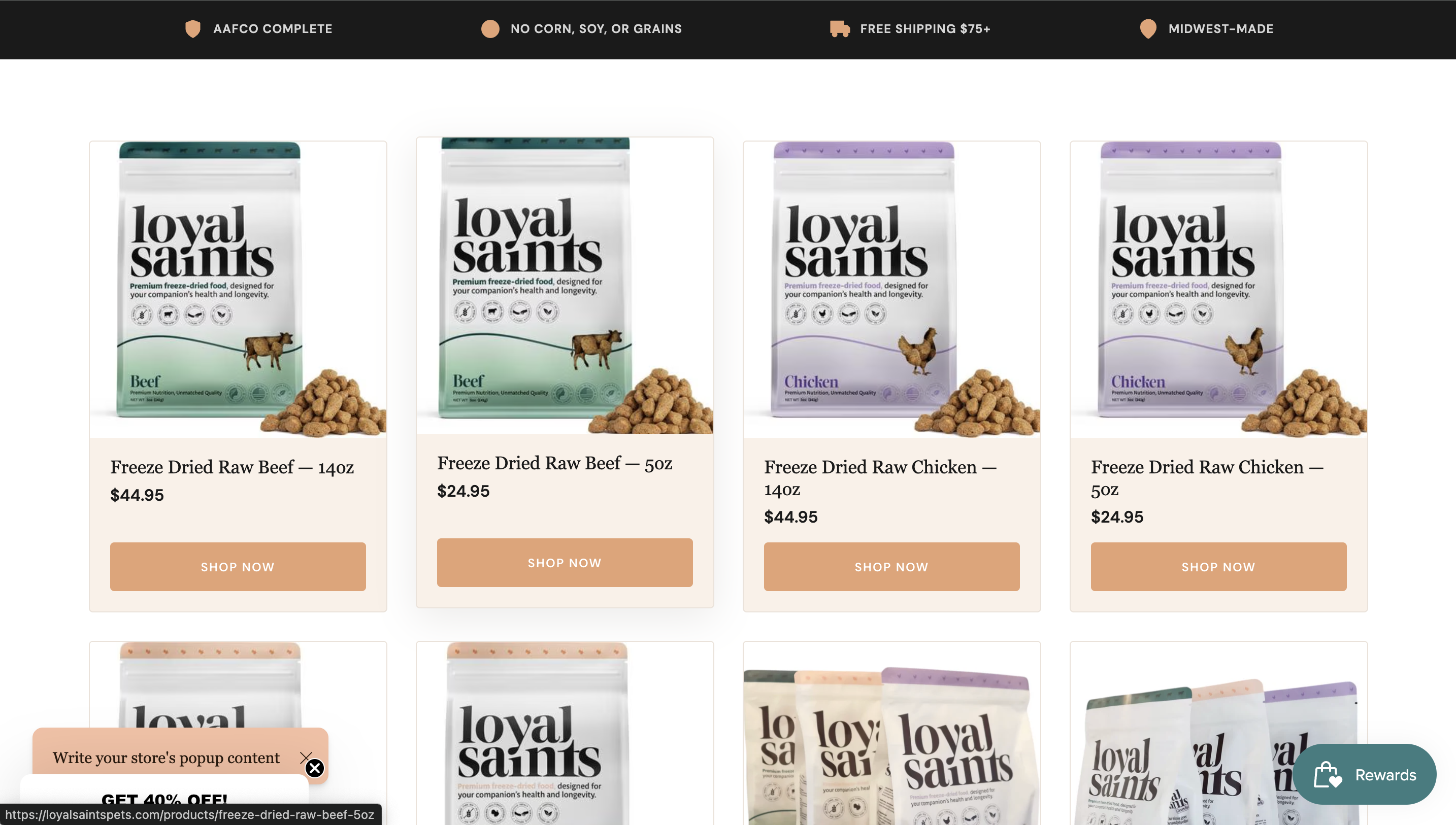
The Freeze-Dried Raw Chicken 14oz is a great starting point, whether you’re feeding it as a complete meal or using it as a topper over your dog’s current food. For owners who want to explore the full range, the Loyalsaintspets shop carries chicken and beef options in multiple sizes to fit any budget or feeding style. All products meet AAFCO standards and are formulated to support vitality, muscle strength, and long-term health. More tail wags are coming.
FAQ
What makes freeze-dried dog food healthier than kibble?
Freeze-drying preserves heat-sensitive vitamins, natural enzymes, and amino acids that high-heat kibble processing destroys. Freeze-dried formulas also contain 80–95% animal protein compared to 25–40% in most kibble.
Is freeze-dried dog food safe for all dogs?
Most healthy dogs tolerate freeze-dried food well, but pathogens like Salmonella and E. coli can survive the freeze-drying process. Choose brands that use High-Pressure Processing and consult your vet for dogs with immune conditions or sensitive digestion.
Can i use freeze-dried food as a topper instead of a full diet?
Yes, and for many owners this is the most practical approach. Using freeze-dried food as a topper costs $1–$3 per day and still delivers a meaningful nutrition and palatability boost over kibble alone.
How long does freeze-dried dog food last?
Unopened freeze-dried dog food lasts 12–24 months without refrigeration, making it convenient for travel, bulk buying, and emergency use. Proper storage after opening extends freshness significantly.
Do i need to rehydrate freeze-dried dog food before serving?
Rehydration is optional but recommended for senior dogs, puppies, and dogs that don’t drink enough water. Adding warm water before serving improves digestibility and makes the food more aromatic, which helps picky eaters respond better.
