
TL;DR:
- Balanced dog nutrition requires meeting AAFCO standards with high-quality ingredients tailored to each life stage and health condition. Proper ratios of protein, fat, and minerals are essential for preventing preventable diseases and supporting overall health. Regular evaluations and veterinary input ensure that a dog’s diet remains appropriate throughout its lifetime.
Balanced pet nutrition is defined as a diet that delivers all essential nutrients in the correct proportions for a dog’s specific life stage and health profile. The industry standard for this is the AAFCO nutritional adequacy statement, which every nutritionally complete commercial dog food in the U.S. must carry. Getting this right is not optional. Dogs fed unbalanced diets over time develop preventable conditions including bone disease, immune dysfunction, and obesity. The good news is that understanding a few core principles puts you firmly in control of your dog’s health and longevity.
What essential nutrients compose a balanced diet for dogs?
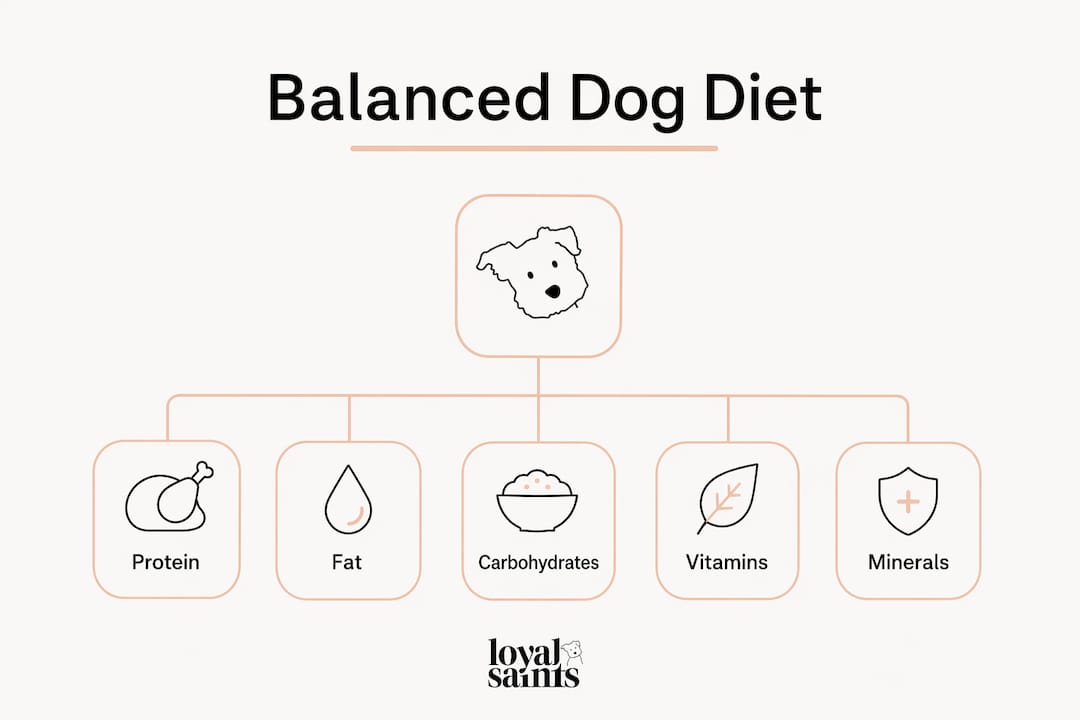
A dog’s diet requires five nutrient categories working together: protein, fat, carbohydrates, vitamins, and minerals. Each plays a distinct role, and the ratios between them matter as much as the individual amounts.

Protein
Protein builds and repairs muscle, supports immune function, and fuels enzyme production. AAFCO protein minimums set adult maintenance at 18% on a dry matter basis, while growth and reproduction require 22.5%. Active or working dogs may need 25–30%. These are floor values, not targets. A dog recovering from illness or building muscle after surgery needs more protein, not less.
Fat
Fat is the most concentrated energy source in a dog’s diet and delivers essential fatty acids like omega-3 and omega-6. AAFCO fat minimums sit at 5.5% for adult maintenance and 8.5% for growth. Most well-formulated diets land in the 12–18% fat range for adults. Fat also carries fat-soluble vitamins A, D, E, and K, so cutting fat too aggressively disrupts more than just energy balance.
Carbohydrates and fiber
Dogs are omnivores. They digest both animal and plant sources effectively. Carbohydrates supply glucose for brain and muscle function, while dietary fiber feeds beneficial gut bacteria and regulates digestion. There is no AAFCO minimum for carbohydrates, but fiber content directly affects stool quality and gut health.
Minerals and the calcium-to-phosphorus ratio
Mineral balance is where many homemade and additive-heavy diets fail. The calcium-to-phosphorus ratio must stay between 1:1 and 2:1 for healthy bone development. Falling outside that range causes skeletal problems, especially in large-breed puppies. This ratio is the single most commonly disrupted metric in home-prepared meals.
| Nutrient | Adult maintenance minimum | Growth/reproduction minimum |
|---|---|---|
| Protein | 18% dry matter | 22.5% dry matter |
| Fat | 5.5% dry matter | 8.5% dry matter |
| Calcium:Phosphorus | 1:1 to 2:1 ratio | 1:1 to 2:1 ratio |
| Fiber | No set minimum | No set minimum |
Pro Tip: The most common nutrient imbalances in home-prepared diets are calcium deficiency and excess phosphorus. If you feed any homemade meals, have a veterinary nutritionist review the recipe before making it a regular part of your dog’s diet.
How do life stage, breed, and health status affect nutritional needs?
No single food fits every dog. Optimal nutrition depends on age, breed size, activity level, and current health status. Treating all dogs as nutritionally identical is one of the most common and costly mistakes dog owners make.
Puppies, adults, and seniors
Puppies need higher protein, fat, calcium, and phosphorus to support rapid growth. Adult dogs shift to maintenance levels once skeletal development is complete. Senior dogs often need fewer calories but more easily digestible protein to preserve muscle mass as metabolism slows. Feeding a puppy formula to a senior dog, or vice versa, creates real nutritional mismatches over time.
Breed-specific considerations
Large-breed puppies like Labrador Retrievers and German Shepherds face a specific risk. Excess calcium during growth accelerates bone development unevenly, increasing the chance of joint disease. Large-breed puppy formulas control calcium and phosphorus levels precisely to prevent this. Small breeds have faster metabolisms and often need calorie-dense foods in smaller portions.
Health conditions that change the equation
Allergies, kidney disease, obesity, and diabetes each require targeted dietary adjustments. Nutritional changes for chronic conditions function as medical interventions, not just food preferences. A dog with kidney disease needs restricted phosphorus. An obese dog needs controlled calories and increased fiber. These are not adjustments you should make without veterinary input.
Factors that influence the right diet for your dog:
- Age and life stage (puppy, adult, senior)
- Breed size and growth rate
- Activity level and working status
- Reproductive status (intact, spayed, neutered)
- Diagnosed health conditions
- Current body weight and body condition score
For a detailed breakdown by age, the age-appropriate dog diets guide from Loyalsaintspets walks through specific examples for every life stage.
What defines high-quality, natural ingredients in balanced pet diets?
High-quality ingredients are defined by digestibility and nutrient bioavailability, not by marketing language. Digestibility and bioavailability matter more than trendy classifications like grain-free or raw. A food can be grain-free and still be nutritionally incomplete. A food can contain grains and still be excellent. The label terms that actually matter are AAFCO compliance and feeding trial verification.
Protein sourcing matters
Named animal proteins, such as chicken, beef, or salmon listed as the first ingredient, indicate a higher proportion of animal-based amino acids. Animal proteins generally offer better amino acid profiles for dogs than plant proteins alone. That said, dogs digest plant proteins effectively when formulated correctly. The goal is a complete amino acid profile, not a single protein source.
Minimally processed ingredients
Minimally processed foods retain more of their natural nutrient content. Freeze-dried foods, for example, preserve protein structure and moisture-sensitive nutrients without the heat damage that occurs in high-temperature extrusion. This is why freeze-dried processing is gaining traction among dog owners who prioritize ingredient integrity.
Characteristics of trusted ingredients in a balanced dog diet:
- Named protein source as the primary ingredient (chicken, beef, salmon)
- No artificial preservatives, colors, or flavor enhancers
- Whole food carbohydrate sources like sweet potato or brown rice
- Omega-3 sources such as fish oil or flaxseed
- AAFCO nutritional adequacy statement on the label
Pro Tip: “Natural” on a pet food label has no regulatory definition enforced by AAFCO. Only the nutritional adequacy statement confirms that a food is complete and balanced. Always read the label past the front panel.
How can you keep your dog’s diet balanced over time?
Maintaining a balanced diet for your dog is an ongoing process, not a one-time decision. Dogs’ nutritional needs shift as they age, gain or lose weight, and develop health conditions. Staying ahead of those changes protects their long-term health.
Here are the steps to maintain lifelong balanced nutrition:
- Read the AAFCO statement on every food label. Confirm it matches your dog’s current life stage. An “all life stages” label meets growth requirements and can cause obesity in sedentary adult dogs if fed without adjustment.
- Monitor body weight and body condition score monthly. A dog at ideal weight has ribs you can feel but not see. Unexplained weight gain or loss signals a diet review is needed.
- Track coat quality and energy levels. A dull coat, excessive shedding, or low energy often reflects a nutritional gap before bloodwork shows anything abnormal.
- Limit treats and toppers to under 10% of daily calories. High-quality toppers exceeding 10% of daily intake disrupt the nutrient ratios in an otherwise complete diet.
- Avoid frequent, unplanned diet switches. Changing foods without a transition period causes digestive upset and makes it harder to identify which food works best for your dog.
- Schedule an annual nutritional review with your veterinarian. Veterinary nutritionists tailor recommendations to individual dogs rather than relying on generic feeding guidelines.
- Monitor calcium-to-phosphorus balance if feeding homemade meals. This ratio is the most frequently disrupted metric in home-prepared diets and the most consequential for bone health.
The balanced dog nutrition checklist from Loyalsaintspets offers a practical framework for reviewing your dog’s current diet against veterinary standards.
Key takeaways
A dog’s diet is nutritionally complete only when it meets AAFCO standards for the correct life stage, uses high-quality bioavailable ingredients, and is adjusted as the dog ages or develops health conditions.
| Point | Details |
|---|---|
| AAFCO compliance is non-negotiable | Only the AAFCO adequacy statement confirms a food is complete and balanced for your dog’s life stage. |
| Protein and fat minimums vary by life stage | Adult dogs need 18% protein minimum; puppies and breeding dogs need 22.5% or more. |
| Calcium-to-phosphorus ratio is critical | Keep this ratio between 1:1 and 2:1 to prevent skeletal problems, especially in large-breed puppies. |
| Ingredient quality means bioavailability | Named animal proteins and minimally processed ingredients deliver more usable nutrients than trendy labels suggest. |
| Nutrition requires ongoing adjustment | Monitor weight, coat, and energy regularly and schedule annual veterinary nutrition reviews. |
Why I think most dog owners are looking at nutrition backwards
By Kristina
Most dog owners I talk to start with the ingredient list and work backward. They look for a food without grains, or with salmon as the first ingredient, or labeled “natural,” and assume that means their dog is covered. That instinct is understandable. But it misses the point entirely.
The question that actually matters is not what is in the food. It is whether the food delivers the right nutrients in the right ratios for your specific dog at this specific point in their life. A food can have an impressive ingredient list and still be nutritionally incomplete. I have seen dogs develop bone problems on expensive, trendy diets because the calcium-to-phosphorus ratio was never checked.
What changed my perspective was watching how quickly dogs respond to genuinely balanced feeding. Coat quality improves within weeks. Energy levels stabilize. Dogs that were chronically itchy or had loose stools often improve dramatically when the underlying nutritional gaps are addressed. Nutrition is not a background detail. It is the most powerful health lever you have access to every single day.
My honest advice: stop reading the front of the bag and start reading the AAFCO statement on the back. Then talk to your vet about whether that statement matches your dog’s actual life stage and health needs. That conversation is worth more than any ingredient trend.
— Kristina
Natural protein from Loyalsaintspets for your dog’s diet
Protein quality is the foundation of any well-formulated dog diet, and the source and processing method determine how much of that protein your dog actually uses.
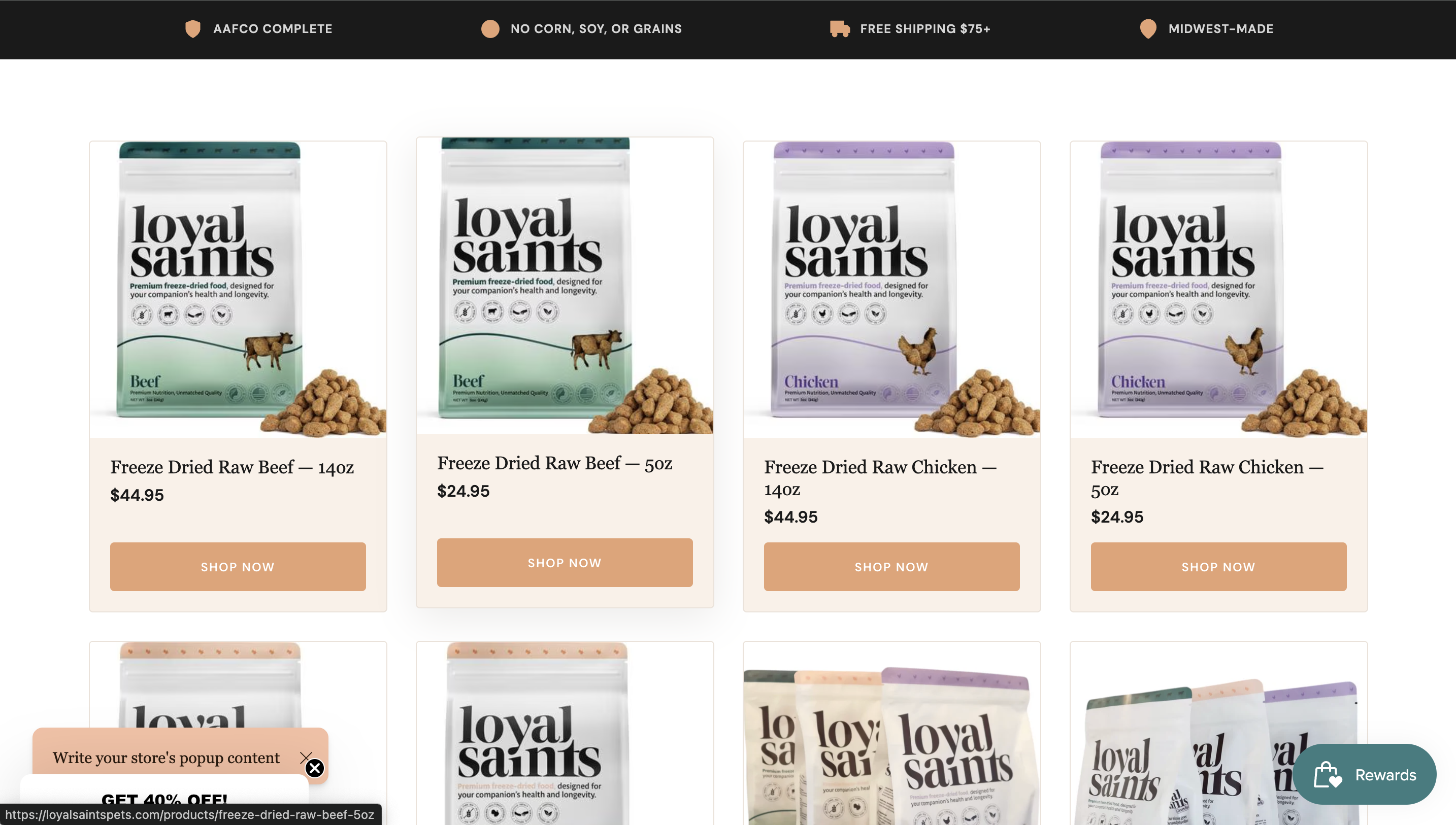
Loyalsaintspets freeze-dried raw chicken is made from human-grade whole ingredients with no additives, fillers, or artificial preservatives. Freeze-drying preserves the natural protein structure and nutrient content that high-heat processing destroys. The result is a minimally processed protein source that meets AAFCO standards and supports muscle strength, coat health, and digestive function. If you are looking for a smaller trial size, the 5oz freeze-dried chicken is a great starting point. For dog owners who want to explore the full range of natural protein options, the Loyalsaintspets shop carries freeze-dried beef and additional formats to fit different feeding strategies.
FAQ
What does “complete and balanced” mean on dog food labels?
“Complete and balanced” means the food meets all AAFCO nutrient requirements for a specific life stage. Every nutritionally adequate commercial dog food in the U.S. must carry this statement to confirm dietary completeness.
How much protein does my dog actually need?
Adult dogs need a minimum of 18% protein on a dry matter basis per AAFCO standards. Puppies, pregnant dogs, and highly active dogs require 22.5% or more to support growth and performance.
Is grain-free dog food better for balanced nutrition?
Grain-free does not mean nutritionally superior. Dogs digest plant and animal proteins effectively, and digestibility outweighs ingredient exclusion trends for real health benefits. Always check the AAFCO statement rather than relying on grain-free labeling.
Can I feed my dog homemade meals and still meet nutritional needs?
Homemade diets can meet nutritional needs, but they frequently fail on calcium-to-phosphorus balance and micronutrient completeness. A veterinary nutritionist review is necessary before making homemade food a primary diet.
How often should I reassess my dog’s diet?
Reassess your dog’s diet at least once a year, or any time their weight, energy, coat quality, or health status changes significantly. Life stage transitions, such as moving from puppy to adult, always require a diet review.


