
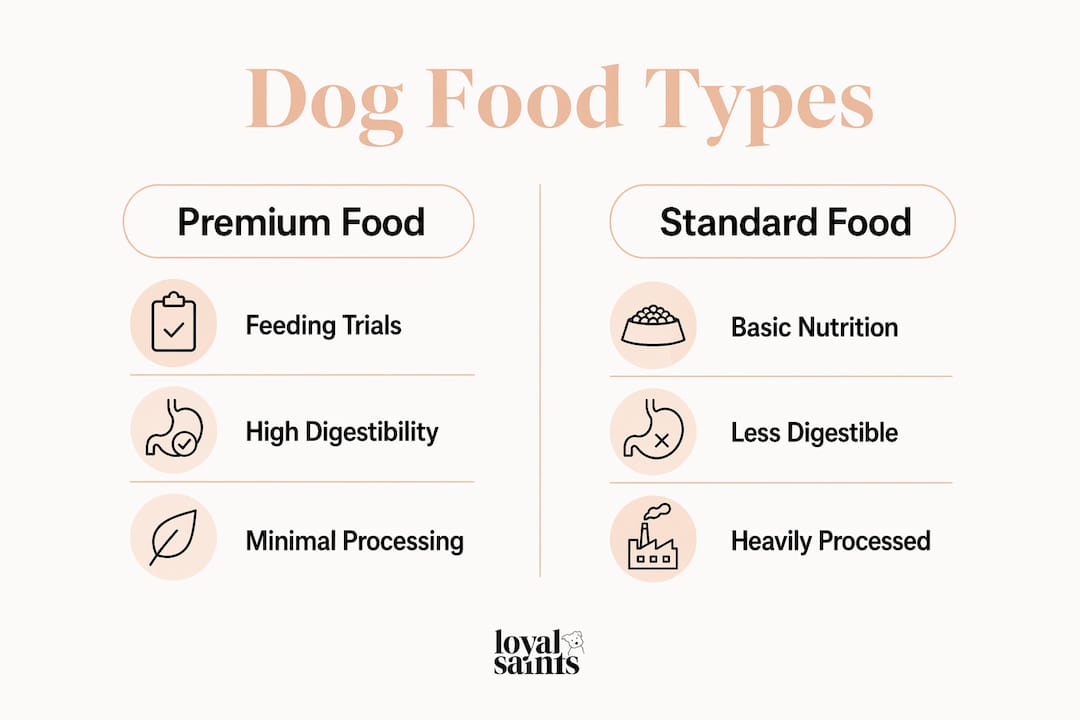
Premium dog food is generally worth the investment for most dogs, and especially for those with allergies, digestive sensitivities, or age-related health needs. The core advantages come down to three things: higher-quality ingredients, better digestibility, and nutritional claims backed by real feeding trials rather than just lab analysis. That said, not every dog needs the most expensive bag on the shelf. What matters most is understanding what separates a genuinely superior food from one that simply carries a premium price tag.
Here is a quick snapshot of how premium and regular dog food typically compare:
| Factor | Premium dog food | Regular dog food |
|---|---|---|
| Protein sources | Named meats, single proteins | Generic by-products, meal blends |
| Ingredient quality | Whole, often human-grade | Variable, filler-heavy |
| Digestibility | Higher, smaller portions needed | Lower, more waste produced |
| Feeding trial validation | Common in reputable brands | Often absent |
| Price per serving | Higher upfront | Lower upfront, more volume needed |
Primary value drivers for premium dog food:
- Named, whole protein sources with complete amino acid profiles
- Minimal processing that preserves nutrient bioavailability
- AAFCO-compliant formulas validated by independent feeding trials
- Transparent ingredient sourcing with no artificial fillers
- Smaller portion sizes due to higher nutrient density
Table of Contents
- Should I buy premium dog food? What the ingredients actually tell you
- How digestibility and nutrient absorption affect your dog’s health
- Manufacturing standards and feeding trials: what “premium” really means
- Is expensive dog food actually worth the cost?
- What veterinarians and researchers say about premium dog food
- How premium dog food compares to homemade, raw, and standard commercial diets
- Loyalsaintspets freeze-dried raw food: real nutrition your dog will love
- Key Takeaways
Should I buy premium dog food? What the ingredients actually tell you
The clearest difference between premium and regular dog food shows up before you even open the bag. Premium foods list named protein sources first, such as beef, chicken, or salmon, rather than vague terms like “meat meal” or “poultry by-product.” Named proteins give you confidence about the amino acid profile your dog is actually getting. Generic by-products are not inherently dangerous, but their nutritional consistency varies batch to batch.
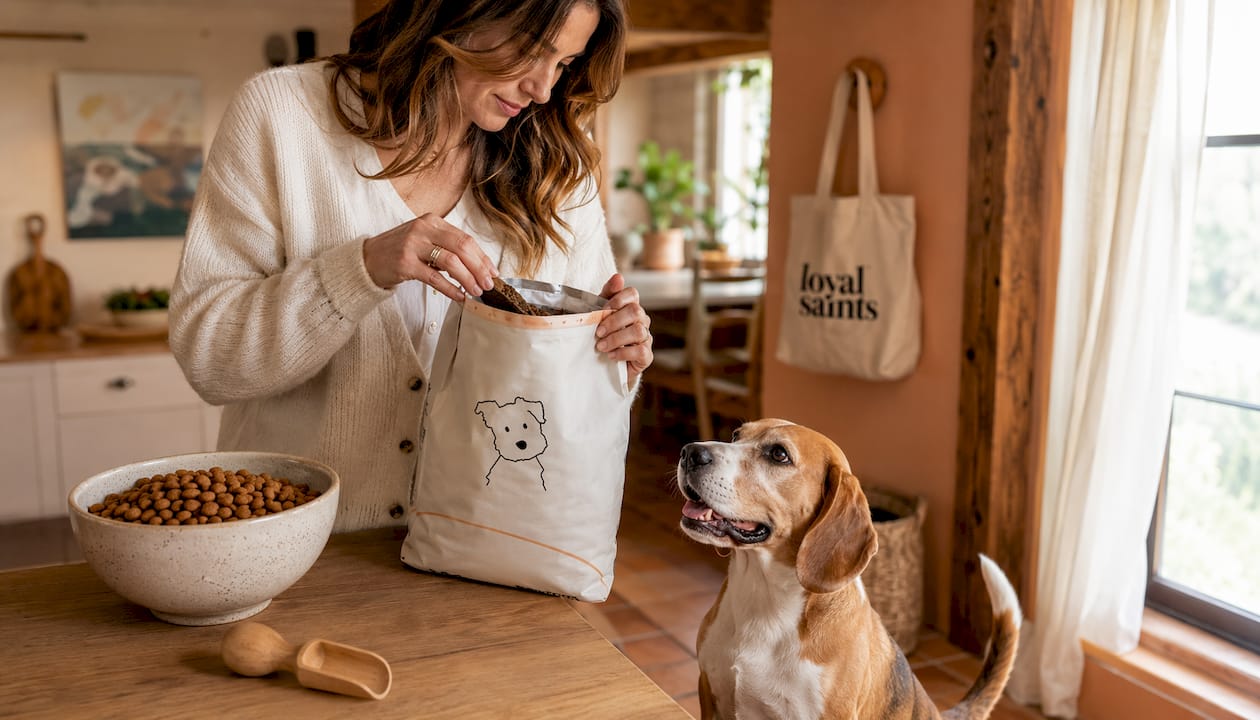
Carbohydrate and fiber quality also diverge sharply. Budget brands often rely on corn syrup, low-grade grain fillers, or artificial preservatives to extend shelf life. Premium formulas tend to use whole vegetables, fruits, and digestible starches that contribute actual micronutrients rather than empty calories. You can learn more about what to look for in premium dog food ingredients before making a switch.
Ingredient quality markers worth checking on any label:
- First ingredient is a whole, named protein (beef, turkey, salmon)
- No artificial colors, flavors, or chemical preservatives
- Whole fruits and vegetables listed, not just “vegetable powder”
- Limited ingredient list with no mystery fillers
- Clear country of origin for primary protein sources
How digestibility and nutrient absorption affect your dog’s health
Higher-quality ingredients need gentler processing to preserve amino acids like lysine and reduce the formation of harmful Maillard reaction products. High-heat extrusion, the method used for most standard kibble, decreases lysine availability and raises AGE levels, compounds linked to accelerated aging and metabolic stress. Minimally processed formats like freeze-dried raw preserve these nutrients far more effectively.

A peer-reviewed study comparing premium and grocery kibble in 60 dogs found that dogs fed premium food had lower liver enzyme concentrations, a healthier gut microbiome balance, and a lower dysbiosis index than those fed the grocery diet. That translates directly to better digestion, less gut inflammation, and more efficient nutrient use. Research on freeze-dried raw formats also showed higher protein digestibility compared to extruded diets, with firmer stools and less fecal output, a reliable sign that more nutrition is being absorbed rather than passed.
Digestibility benefits and what they mean for your dog:
- Higher protein absorption means stronger muscles and better coat condition
- Lower fecal output signals more nutrients are being used, not wasted
- Healthier gut bacteria balance reduces bloating and digestive upset
- Better fat digestibility supports skin health and energy levels
- Reduced AGE formation may lower long-term inflammation risk
Pro Tip: When comparing foods, check the guaranteed analysis for crude protein AND ask whether the brand publishes digestibility data. A food with 30% crude protein but poor digestibility delivers less usable nutrition than one with 25% that is highly bioavailable.
Manufacturing standards and feeding trials: what “premium” really means
Here is something most dog food marketing will not tell you: “premium” is a completely unregulated term in U.S. feed law. Unlike “organic” or “natural,” it carries no legal requirement for higher ingredient standards or stricter manufacturing controls. A brand can print “premium” on a bag of low-grade kibble without violating any rule. Virginia Tech’s consumer guide on pet food labels confirms the same point, noting that premium and gourmet labels are not required to meet any higher nutritional standards than any other complete and balanced product.
What actually separates a trustworthy premium brand from a marketing exercise is feeding trial data and manufacturing transparency. Many reputable premium manufacturers invest in independent feeding trials that validate nutritional performance in real dogs over time. Budget brands typically rely only on nutrient analysis, which confirms a food meets AAFCO profiles on paper but says nothing about how well a dog actually absorbs those nutrients. Because pet food lacks formal processing classifications, the burden falls on you to ask the right questions.
How to recognize a genuinely reputable premium brand:
- States “feeding trial substantiation” on the label, not just “formulated to meet AAFCO profiles”
- Publishes digestibility data or peer-reviewed research on its website
- Lists a full ingredient source and manufacturing location
- Employs a board-certified veterinary nutritionist on staff
- Avoids vague marketing claims without supporting evidence
Pro Tip: Look for the phrase “Animal feeding tests using AAFCO procedures” on the label. That single line means the food was tested in real dogs, not just calculated in a lab. It is one of the most reliable quality signals available to you as a buyer.
Is expensive dog food actually worth the cost?
Price alone does not predict quality. Research on 41 dog foods found that some pricier products had higher levels of heat-related compounds than cheaper ones, confirming that processing method matters more than the number on the price tag. You can pay a lot for a heavily processed food and get less nutritional value than a moderately priced, minimally processed alternative.
That said, the cost-per-serving math often shifts in favor of premium food once you account for nutrient density. Premium foods tend to have higher nutrient density and digestibility, which means smaller required portions and potentially lower daily feeding costs over time compared to standard foods. A dog eating a highly digestible food also tends to have fewer vet visits related to digestive issues, skin problems, or nutritional deficiencies, though individual results vary.
Cost-benefit considerations when buying high-quality dog food:
- Calculate cost per serving, not cost per bag, for a fair comparison
- Smaller portions from nutrient-dense food can offset the higher unit price
- Dogs with allergies or sensitivities often need fewer vet visits on a cleaner diet
- A trial size, like a 5oz freeze-dried option, lets you test digestibility before committing to a full bag
- Long-term health benefits are harder to quantify but real for many dogs
What veterinarians and researchers say about premium dog food
Veterinary experts consistently recommend premium food for dogs with allergies, sensitivities, and certain health conditions, citing more consistent nutritional profiles and ingredient quality as the primary reasons. The endorsement is not blanket. Vets are careful to distinguish between brands with genuine scientific backing and those relying on marketing language alone.
The science behind fresh and minimally processed diets is growing. A year-long metabolomics study of senior dogs found that those fed fresh, human-grade food showed increased branched-chain amino acid metabolism, higher levels of long-chain omega-3 fatty acids, and decreased advanced glycation end products compared to dogs eating extruded kibble. Those are meaningful markers of healthier metabolism and reduced inflammation, not just theoretical benefits. Separately, research on human-grade ingredients showed amino acid digestibilities exceeding 85% for most essential amino acids, with some surpassing 90%. Human-grade status signals a manufacturing safety standard, though experts note that transparency in sourcing matters more than the label claim alone.
Expert recommendations for dog owners evaluating premium food:
- Prioritize brands with feeding trial data over those citing only AAFCO formulation
- Look for veterinary nutritionist involvement in the formula development
- Choose named, single-protein sources if your dog has known sensitivities
- Consider your dog’s life stage: senior dogs and puppies benefit most from optimized nutrition
- Ask your vet to review bloodwork after a diet transition to track real health changes
How premium dog food compares to homemade, raw, and standard commercial diets
Understanding where premium commercial food fits among all your options helps you make a genuinely informed choice. Each feeding approach has real trade-offs.
Standard commercial (extruded kibble) meets AAFCO minimum requirements and is widely available at low cost. The trade-off is heavy processing that reduces amino acid bioavailability and produces higher AGE levels, as the research above confirms. It works for healthy adult dogs without specific needs, but it is the nutritional floor, not the ceiling.
Homemade cooked diets appeal to owners who want full control over ingredients. The reality is harder. A large-scale study of 27,478 dogs in the Dog Aging Project found that home-cooked diets were associated with higher odds of gastrointestinal, renal, and hepatic disease compared to extruded diets. Nutritional adequacy requires oversight from a board-certified veterinary nutritionist, and most home-cooked meals fall short without it.
Raw diets (commercial and homemade) attract owners seeking ancestral feeding patterns. The same Dog Aging Project study found commercial raw diets were associated with higher odds of respiratory disease. Bacterial contamination risk is real, though freeze-drying reduces water activity and limits pathogen growth, making freeze-dried raw a safer format than fresh raw for most households.
Premium freeze-dried raw sits at the intersection of minimal processing and safety. Freeze-dried raw formats showed higher protein digestibility than extruded diets in controlled research, with better fecal scores and microbiome outcomes. They preserve the nutritional integrity of raw ingredients without the contamination risk of fresh raw, and they meet AAFCO standards when properly formulated. For dog owners who want the benefits of premium dog food without the complexity of home preparation, this format offers the most evidence-backed middle ground.
Loyalsaintspets freeze-dried raw food: real nutrition your dog will love
If you have been weighing whether to switch to a higher-quality diet, Loyalsaintspets makes that decision straightforward. Every product is made with human-grade, whole ingredients, including named proteins, fruits, and vegetables, with no fillers, no synthetic additives, and no mystery by-products. The formulas meet AAFCO nutritional standards and are veterinarian approved, so you get the feeding trial confidence and ingredient transparency that actually matter.
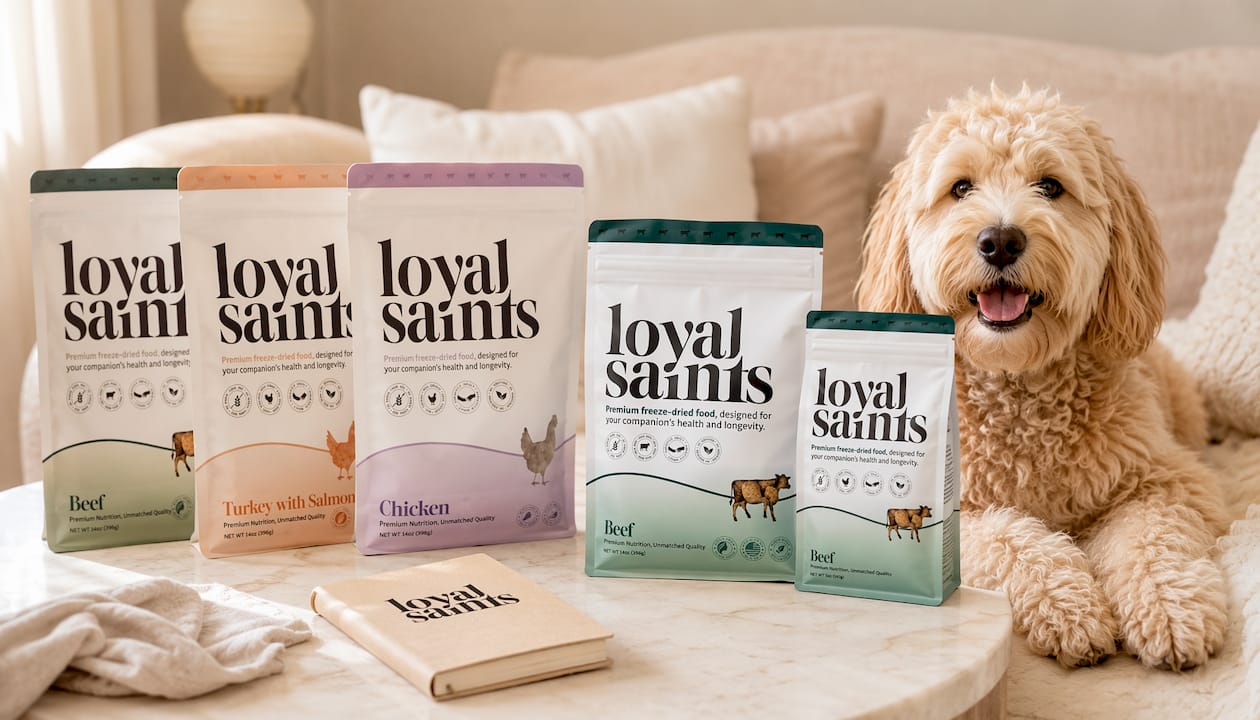
The Variety Pack (14oz) gives your dog beef, chicken, turkey, and salmon across multiple proteins, which is ideal if you want to rotate sources or identify sensitivities. For a focused single-protein option, the Freeze Dried Raw Beef (14oz) delivers clean, high-quality beef nutrition with nothing added. Not sure where to start? The Freeze Dried Raw Beef (5oz) is a low-commitment way to see how your dog responds before buying in bulk. Loyalsaintspets also offers the Halo Club membership for recurring savings and free shipping, so the cost of feeding your dog well stays manageable. Browse the full range at Loyalsaintspets and find the right fit for your dog today.
Key Takeaways
Premium dog food backed by feeding trials and minimally processed ingredients delivers measurably better digestibility, gut health, and metabolic outcomes than standard kibble for most dogs.
| Point | Details |
|---|---|
| “Premium” is unregulated | The term carries no legal standard; look for AAFCO feeding trial language on the label instead. |
| Ingredient quality drives results | Named proteins and whole ingredients outperform generic by-products for amino acid availability and gut health. |
| Processing method matters more than price | Some expensive foods score worse on heat-related compounds than moderately priced, minimally processed options. |
| Homemade diets carry real risks | Without veterinary nutritionist oversight, home-cooked meals are linked to higher odds of gastrointestinal and organ disease. |
| Loyalsaintspets freeze-dried raw | Offers AAFCO-complete, human-grade, minimally processed nutrition with named proteins and no fillers, available in single-protein and variety formats. |


