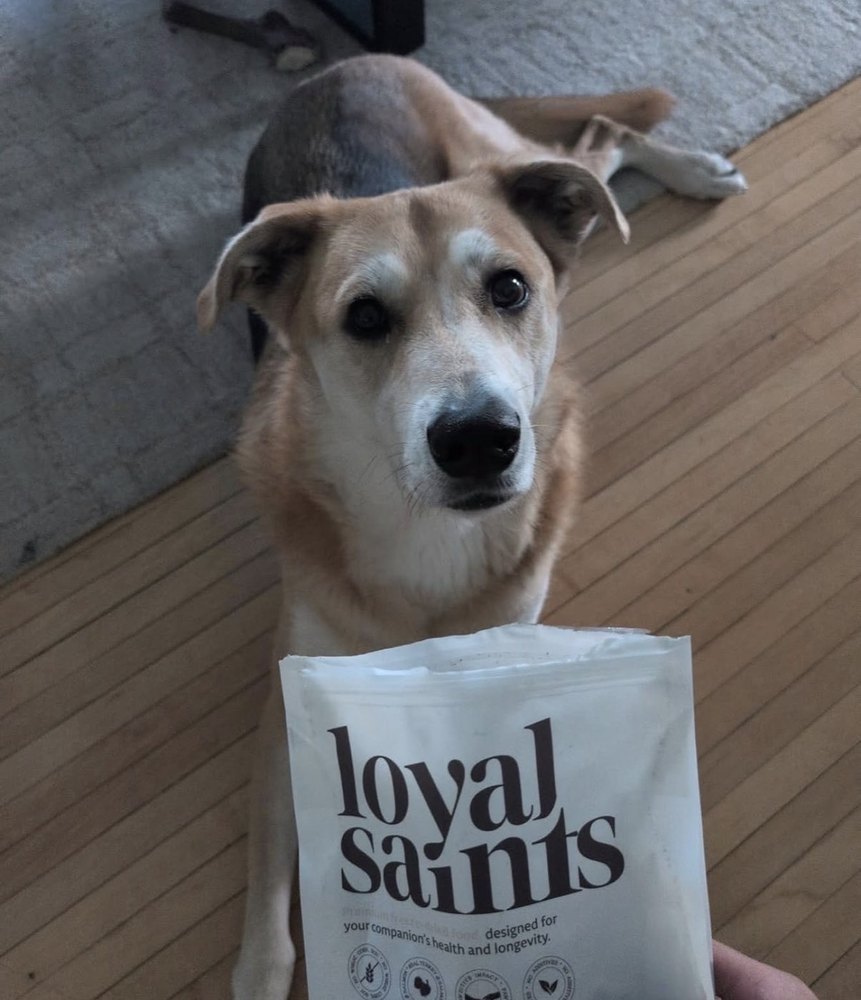
5 Signs Your Dog Needs a Better Food Formula
- Kristina Voltin
- Mar 25
- 9 min read
Updated: Nov 21
Your dog's diet directly impacts their health, energy, and happiness. Here are 5 key signs that it might be time to switch to a better food formula:
Poor Digestion: Issues like vomiting, bloating, or irregular stools suggest your dog's food may not be meeting their needs. Look for high-quality protein and fiber-rich ingredients.
Unhealthy Coat: A dull, dry, or thinning coat can signal a lack of essential nutrients like omega-3s and quality protein.
Low Energy: If your dog seems tired, uninterested in play, or unusually lethargic, their diet might not provide enough energy.
Weight Problems: Overweight or underweight dogs often need a diet adjustment, focusing on proper protein and portion control.
Skin Issues: Persistent itching, redness, or hot spots may indicate food allergies or nutritional deficiencies.
Quick Tips:
Switch to freeze-dried raw diets for better nutrient retention.
Gradually transition to new food over 7–10 days to avoid stomach upset.
Consult your vet for tailored recommendations.
Addressing these signs early can improve your dog's overall health and well-being.
5 Signs Your Pet Might Have A Nutrient Deficiency
Sign 1: Poor Digestion
Digestive problems can indicate that your dog's current food isn't meeting its needs. According to veterinarians, stomach issues are among the top reasons for vet visits [2]. Below, we’ll explore common digestive symptoms and how diet changes can help.
Common Digestive Symptoms
Watch for these signs of digestive trouble:
Changes in stool color, consistency, or frequency
Drooling, bloating, or signs of abdominal discomfort
Vomiting or loss of appetite
Straining during bowel movements or other signs of distress [1]
If these symptoms persist, it could be time to reassess your dog’s diet. As veterinarian Erin Bortz points out:
"Digestive issues can present in a number of different ways, including obvious symptoms (like vomiting) or subtle changes in behavior that may be more difficult to detect" [2].
Food Changes That Help
Adjusting your dog's diet can improve digestion. Here’s what to focus on:
High-Quality Protein: Freeze-dried raw diets are easier to digest and provide better amino acid absorption [4].
Fiber-Rich Ingredients: Look for foods containing:
Whole grains like brown rice or oatmeal
Vegetables such as pumpkin and sweet potatoes
Fibers like flaxseed, with a total fiber content above 4.5% [5]
Hill's Pet Nutrition has developed ActivBiome+ technology, featuring a specialized blend of fibers to support gut health, introduced in December 2024.
Gradual Transition: When switching foods, take 1–2 weeks to slowly introduce the new formula to avoid upsetting your dog’s stomach [2].
Consider trying Loyal Saints' freeze-dried raw formulas. Made with cold-pressed, human-grade ingredients, they’re designed to promote better digestion [3].
Sign 2: Unhealthy Coat
Your dog's coat can reveal a lot about their health and diet. In fact, issues with skin and fur account for about 25% of vet visits for dogs [10].
How Food Impacts Fur
Did you know that 25–30% of the protein in your dog's diet supports their skin and coat? With fur being 95% protein, proper nutrition is a must [9].
Look out for these warning signs:
Dull, dry, or oily fur
Brittle texture
Thinning or bald patches
Split ends in longer-haired breeds [8]
"Just the same, if something is going wrong with your dog's health often one of the first warning signs will be a change in coat condition." [6] - Julie Swan
These symptoms often suggest that your pup's diet needs some fine-tuning.
Foods That Support a Healthy Coat
Nutrient Type | Ideal Levels (Adult Dogs) | Benefits |
Protein | 25–30% | Promotes fur growth and repair |
Fat | 10–15% | Keeps the coat shiny |
Linoleic Acid | >1% | Essential for skin health [10] |
To improve your dog's coat, focus on these key ingredients:
High-Quality Animal Protein: Look for foods with real chicken, beef, or fish as the first ingredient. These are packed with amino acids vital for a healthy coat [11].
Omega-Rich Foods: Add cold-water fish like salmon to your dog's diet. They provide omega-3 fatty acids, which reduce inflammation and enhance coat shine [10].
Nutrient-Packed Additions: Eggs are a great source of biotin and healthy fats. Adding one to meals can noticeably boost coat vibrancy [11].
"A healthy coat should be shiny and smooth, not brittle or coarse, and healthy skin should be supple and clear, not greasy, flaky, or bumpy." [7] - Ryan Llera, BSc, DVM; Tammy Hunter, DVM; Cheryl Yuill, DVM, MSc, CVH
Freeze-dried raw diets are another excellent option. They preserve more nutrients than traditional kibble, offering bioavailable proteins and essential fatty acids. Many dog owners see coat improvements in just 14–30 days [6][12].
Sign 3: Lack of Energy
Your dog's energy levels can take a hit if their diet is missing key nutrients [13].
Energy Needs Based on Dog Type
Different dogs have different energy requirements, and their diet plays a big role in meeting those needs.
Dog Type | Daily Protein Needs | Energy Level Indicators |
Growing Puppies | 22% minimum | High energy with frequent play bursts |
Adult Active Dogs | 18% minimum | Consistent energy for 2–3 play sessions |
Working/Athletic Dogs | 24–30% | Strong endurance and fast recovery |
If your dog is:
Sleeping more than usual
Avoiding play or exercise
Getting tired quickly during activities
Losing interest in walks
It might be time to reevaluate their diet. These behaviors often signal that their food isn't meeting their energy needs.
Nutrients That Boost Energy
The right balance of proteins, fats, and carbohydrates can make a big difference in your dog's vitality. Here are some key nutrients to look for:
Freeze-dried raw foods, like those from Loyal Saints, are a great option. They retain up to 97% of essential nutrients [15] and provide a high-protein formula without unnecessary fillers.
Tips for Transitioning to Better Food
While most commercial dog foods are nutritionally balanced, dogs with specific needs might benefit from a vet's guidance [13]. Making thoughtful adjustments to your dog's diet can help restore their energy and overall well-being.
Sign 4: Weight Problems
Keeping your dog at a healthy weight is key to their overall well-being. Did you know nearly 50% of household dogs are overweight? [23] Spotting weight issues early can make a big difference.
How to Check Your Dog's Weight
Here are a few ways to assess if your dog is at a healthy weight:
"If a dog is underweight, it should be examined by a veterinarian to make sure there are no underlying medical issues." - Dr. Jerry Klein, Chief Veterinarian for the AKC [20]
Why Protein Matters for Weight Control
Protein plays a big role in managing your dog's weight. Here's what it does:
Benefit | Impact on Weight Management |
Muscle Preservation | Helps maintain lean body mass during weight loss [22] |
Enhanced Metabolism | Boosts calorie burn after protein-rich meals [22] |
Better Satiety | Helps your dog feel full and satisfied [22] |
Fat Loss | Aids in burning excess fat [22] |
Tips for Effective Weight Management
For a balanced diet, premium options like Loyal Saints' freeze-dried raw formulas offer essential nutrients without unnecessary fillers. These human-grade ingredients can help your dog maintain their ideal weight while staying healthy and satisfied.
Sign 5: Skin Problems
Your dog's skin issues could be a sign that their diet is missing important nutrients. In fact, skin problems are one of the most common reasons for veterinary visits, accounting for about 25% of them [10].
Allergy Warning Signs
Certain skin symptoms might suggest that your dog's food is causing problems. Here are some common signs to watch for:
Symptom | What to Look For |
Itching | Persistent scratching, especially outside allergy seasons |
Skin Changes | Redness, hives, or visible irritation |
Paw Licking | Excessive licking or chewing on paws |
Ear Problems | Frequent scratching or shaking of the head |
Hot Spots | Red, inflamed areas on the skin |
Food allergies are responsible for 10–20% of allergic reactions in dogs [26]. Ingredients like beef, chicken, dairy, and wheat are often culprits. If your dog - especially a younger one - shows these symptoms, it might be time to evaluate their diet. Simplifying their food ingredients can help minimize triggers and improve their skin health.
Simplified Ingredient Diets
Certain nutrients can make a big difference for dogs with skin issues. Aim for:
Omega-3 fatty acids: Helps reduce inflammation.
Zinc: About 120 mg per kg of dry food to support skin repair.
High-quality protein: Should make up roughly 30% of their diet.
Vitamin E: Protects the skin from oxidative damage.
Studies show that diets rich in omega-3 fatty acids can improve itching, skin condition, and coat quality in as little as six weeks [27].
When choosing food, avoid common allergens like beef, dairy, wheat, and soy. Steer clear of artificial colors, preservatives, unnamed meat products, by-products, and heavily processed ingredients. Freeze-dried raw diets are a great option - they naturally eliminate many allergens while keeping essential nutrients intact. These minimally processed formulas can be especially helpful for dogs with sensitivities.
Picking Better Dog Food
If you've noticed issues in your dog's diet, it's time to choose a better option to boost their health and address those concerns. The first step is selecting food that meets strict nutritional standards.
What to Look For
Good dog nutrition depends on the right balance of ingredients and quality sources. According to AAFCO guidelines, adult dogs need at least 18% protein (dry matter basis), while growing puppies require 22% [14]. When reading labels, focus on these key elements:
Nutrient | Recommended Source | Why It Matters |
Protein | Named animal sources | Provides a complete amino acid profile |
Fats | Omega-3 and omega-6 rich | Supports healthy skin and coat |
Carbohydrates | Whole grains | Offers fiber and energy |
Vitamins | Specifically listed | More reliable than generic "vitamin mix" |
"Studies have shown that there are nutrients present in grains that are essential for a complete and balanced diet, and the fiber that grains contribute to the diet helps keep the dog's gastrointestinal system functioning and healthy." - Dr. Klein, Chief Veterinary Officer at the American Kennel Club [28]
Once you're familiar with these nutritional basics, you might want to consider how freeze-dried options can further improve your dog's diet.
Why Choose Freeze-Dried
Freeze-dried dog food has several advantages:
Retains nutrients due to minimal processing
Contains no artificial preservatives
Tastes better thanks to preserved natural flavors
Easier on sensitive stomachs
Includes fewer fillers and processed ingredients
The freeze-drying process removes moisture while keeping natural enzymes and vitamins intact, resulting in a shelf-stable product packed with nutrients. In fact, the freeze-dried pet food market is projected to hit $525.3 million by 2025 [30].
"Freeze-dried raw pet food offers a nutrient-dense, highly palatable, and natural alternative to kibble. From its allergy-friendly ingredients to its natural preservation methods, freeze-dried food has unique advantages that make it a worthy consideration for pet parents seeking the highest quality nutrition." - Ruth Hatten, Holistic Animal Wellness Specialist [29]
After picking the right formula, it's equally important to transition your dog to the new food carefully to avoid digestive issues.
Switching Food Safely
Switching dog food takes patience to prevent stomach upset. Use this 7-10 day transition plan:
Days | New Food | Current Food |
1-2 | 25% | 75% |
3-4 | 50% | 50% |
5-7 | 75% | 25% |
8-10 | 100% | 0% |
For dogs with sensitive stomachs, you may need to extend the transition period [25]. Keep an eye on your dog's digestion throughout the process. Also, remember that dietary fats provide 2.25 times more calories than protein or carbs [14], so adjust portion sizes carefully when introducing nutrient-rich freeze-dried food to maintain a healthy weight.
Conclusion
Pay attention to the signs that your dog’s diet might need a change. Symptoms like poor digestion, a dull coat, low energy, weight fluctuations, or skin irritations often point to nutritional gaps.
"Chronic flatulence, loose stool, or rumbly stomachs can be the result of food intolerance or the low quality of food that you're feeding your pet." [31]
Overlooking these signs can lead to bigger health problems down the road. Freeze-dried diets are a great option for maintaining nutrients while avoiding artificial additives that can cause sensitivities. As Dr. Doug Knueven from Beaver Animal Clinic explains:
"For most animals, it's more beneficial than processed foods." [33]
For a plan tailored to your dog’s specific needs, always consult your veterinarian. They often recommend diets with a proven track record [32]. This ensures your pet gets the right nutrition while addressing any concerns you’ve noticed.
.png)
Comments