
TL;DR:
- A breeder allergy management workflow combines diagnostic testing, environmental controls, cleaning protocols, and record-keeping to reduce allergens. Regular testing, humidity control, HEPA vacuuming, and documented SOPs create effective and scalable allergen reduction strategies. Proper implementation fosters healthier environments and improves breeder and animal well-being.
An allergy management workflow for breeders is a structured process combining diagnostic testing, environmental controls, and systematic record-keeping to minimize allergic reactions in breeding environments. The industry term for this approach is “multi-component allergen management,” and it applies to both animal health and handler safety. Without a defined workflow, allergen levels in kennel spaces rise unpredictably, putting puppies, breeding stock, and your own staff at risk. This guide gives you a practical, evidence-based system you can apply immediately, built around the latest 2026 standards for allergy control strategies in professional breeding operations.
What are the essential components of an allergy management workflow for breeders?
A complete allergy management workflow rests on four pillars: diagnostic testing, environmental controls, cleaning protocols, and documented Standard Operating Procedures (SOPs). Skipping any one of these reduces the effectiveness of the others. Targeted testing using skin prick tests or specific IgE blood assays for both handlers and animals is more effective than broad allergen reduction efforts without confirmed sensitization. This matters because you need to know exactly what you are fighting before spending money on equipment or products.
Environmental controls that actually work
Environmental intervention is the backbone of any breeder allergy protocol. A multi-component approach combining allergen-proof encasements, hot-water washing, humidity control, and HEPA vacuuming reduces dust mite allergen levels by 80–95% within 4–12 weeks. That reduction also correlates with a 25–50% improvement in allergy symptoms for handlers and sensitive animals. No single measure achieves this result on its own.
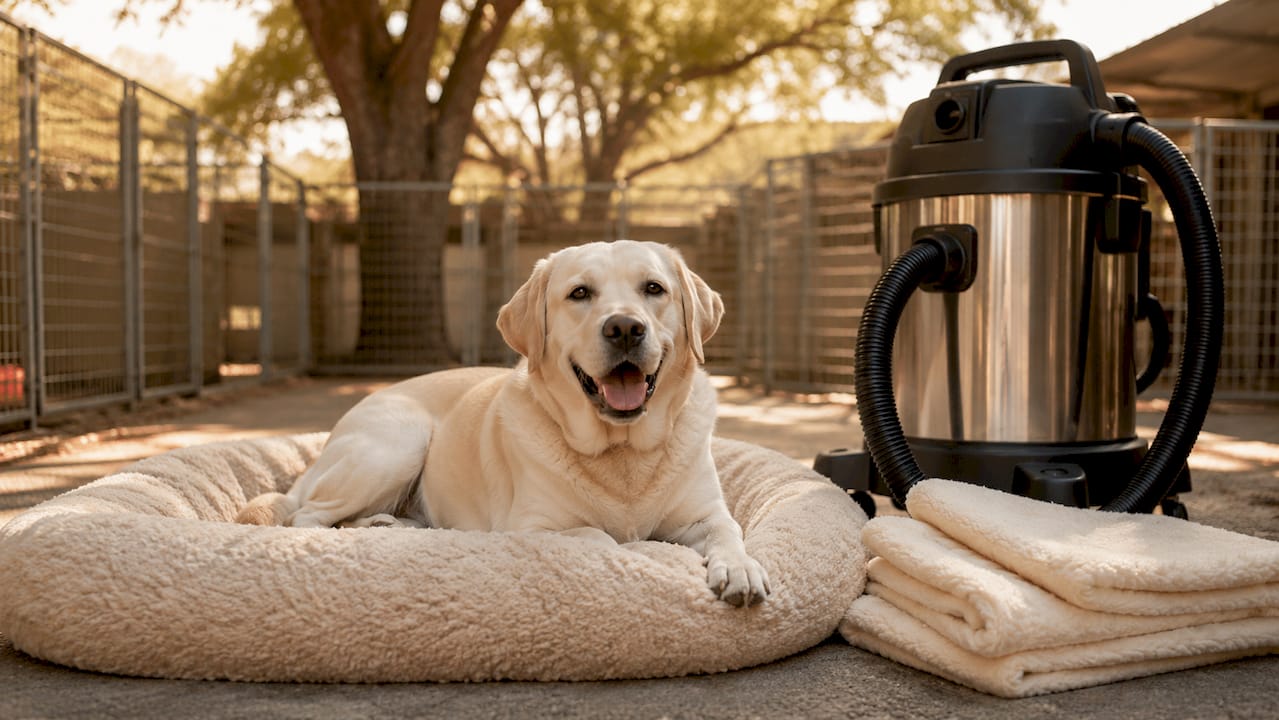
Humidity control is a non-negotiable part of this system. Maintaining indoor humidity below 50% suppresses dust mite reproduction significantly, and keeping it below 35% for 22 or more hours daily can eliminate mites entirely. The optimal target range of 40–50% also prevents mold growth, giving you two allergy control benefits from one environmental adjustment.
Cleaning protocols and SOPs for kennel spaces
Standard vacuums recirculate allergens back into the air rather than removing them. Industrial-grade HEPA or robot vacuums significantly reduce allergen presence in breeding spaces compared to standard equipment. Pair HEPA vacuuming with weekly hot-water washing of all bedding at 130°F or higher to kill mites and remove dander effectively.
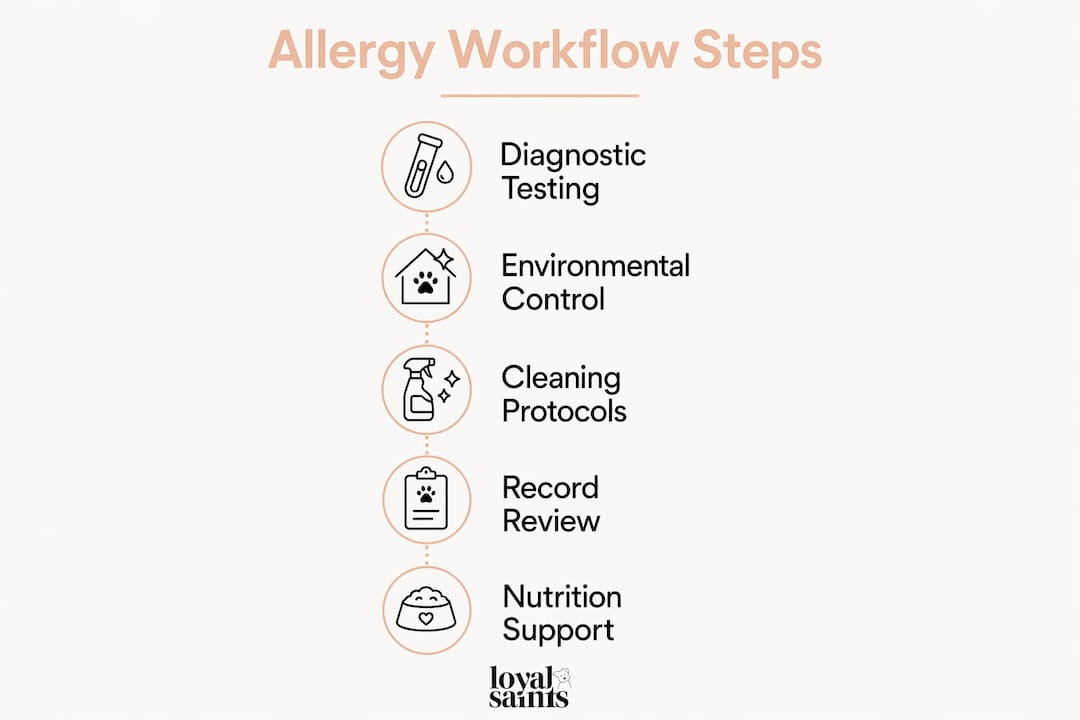
SOPs turn these practices into repeatable, delegatable tasks. Write out each cleaning step, assign it to a named role, and attach a completion checklist. This removes guesswork and keeps your allergy control strategies consistent even when you are not present.
Pro Tip: Label each SOP with a time estimate. Breeders who know a task takes 10 minutes are far more likely to complete it consistently than those facing an open-ended chore.
Here is a quick reference for the core tools and steps in a breeder allergy protocol:
| Workflow Step | Tool or Method | Frequency |
|---|---|---|
| Diagnostic testing | Skin prick test or IgE blood assay | Before program launch, then annually |
| Bedding management | Hot-water wash at 130°F+ | Weekly |
| Vacuuming | Industrial HEPA or robot vacuum | 3–4 times per week |
| Humidity monitoring | Smart hygrometer | Continuous |
| Allergen-proof covers | Encasements on all dog beds and mattresses | Ongoing |
| Record updates | Digital log or breeding management software | Weekly |
How to implement the allergy management workflow step by step
Putting your allergy prevention techniques into daily practice requires a clear sequence. Follow these steps to build a workflow that holds up under the pressure of a busy breeding season.
- Run diagnostics first. Test handlers and key breeding animals for specific allergen sensitivities before purchasing any equipment. This prevents wasted spending on controls that target the wrong allergens.
- Set up environmental controls. Install allergen-proof encasements on all dog beds. Set your HVAC or dehumidifier to maintain 40–50% relative humidity. Place HEPA air purifiers in whelping rooms and high-traffic kennel areas.
- Schedule HEPA vacuuming. Run a robot vacuum or industrial HEPA unit in kennel spaces at least three times per week. Program robot vacuums to run during off-hours so they do not disturb puppies or breeding stock.
- Wash all bedding weekly. Hot-water washing at 130°F kills dust mites and removes accumulated dander. Assign this task to a specific staff member and log each wash in your records.
- Conduct a 7-day exposure protocol before puppy transfers. 2026 guidelines recommend a stepwise approach: a 60-minute in-person visit followed by a 24-hour controlled home trial to assess allergic reactions before a puppy goes to its new home. This protects buyers and reduces returns.
- Review and update health logs weekly. Block 15 minutes every week for allergy record review. Log any new symptoms, cleaning completions, and environmental readings.
- Coordinate with your veterinarian. Share your allergy logs at each vet visit. A veterinarian can adjust protocols based on observed symptoms and recommend additional testing when needed.
Pro Tip: Tie your weekly log review to a fixed event, like Monday morning before feeding rounds. Attaching it to an existing habit makes it far easier to sustain.
Common pitfalls include using standard vacuums that push allergens back into the air, skipping humidity monitoring during dry winter months, and failing to document interventions. Each of these gaps breaks the chain of evidence you need to improve your workflow over time. For a broader look at natural allergy relief strategies, Loyalsaintspets offers additional guidance on managing pet allergies from multiple angles.
What diagnostic and monitoring strategies enhance allergy control in breeding environments?
Diagnosis before investment is the single most important principle in managing allergies in breeding. Skin prick or IgE testing identifies exactly which allergens affect your handlers and animals, so every environmental control you add targets a confirmed sensitivity. Broad allergen reduction without this data wastes resources and often misses the real problem.
Effective monitoring goes beyond the initial test. Here is what a complete diagnostic and monitoring strategy looks like in practice:
- Pre-program handler testing: Test all staff who handle breeding animals before the workflow launches. This establishes a baseline and protects your team.
- Genetic screening for breeding animals: No dog is completely allergen-free. Individual allergen production varies widely even within breeds marketed as low-allergen, which makes genetic screening and allergen protein level disclosure a practical necessity rather than a marketing choice.
- Extended exposure trials for buyers: Use the 7-day stepwise protocol before any puppy transfer. A 60-minute visit followed by a 24-hour home trial gives buyers real data on their own reactions.
- Air quality sampling: Take periodic allergen samples from whelping rooms and high-traffic kennel areas. Compare results over time to measure whether your controls are working.
- Post-adoption monitoring: Forward-thinking breeders share generational allergen data and facilitate post-purchase indoor air monitoring. This practice rebuilds buyer trust and sets realistic expectations.
- Veterinary collaboration: Share your monitoring data with your vet at every scheduled visit. Vets can spot symptom patterns in your records that you might miss day to day.
Responsible communication with buyers is part of allergy monitoring. Ethical breeders avoid claiming 100% hypoallergenic dogs and instead use genetic screening and allergen protein level data to manage buyer expectations. This approach reduces returns and frustration on both sides. You can find additional guidance on food allergy diagnostics for dogs through Loyalsaintspets, which covers the diagnostic steps specific to diet-related reactions.
How to maintain and scale an allergy management workflow in growing operations
Scaling your breeder allergy protocols requires shifting from doing everything yourself to building systems that others can run. The following practices make that transition reliable.
- Delegate with written SOPs. Implementing SOPs and delegating allergy tasks to assistants improves consistency and scalability. Each SOP should name the responsible role, list the exact steps, and include a sign-off field.
- Reserve a weekly 15-minute review block. A structured 15-minute weekly review of health and allergy records allows proactive management and easy delegation. This small time investment prevents small issues from becoming expensive problems.
- Integrate allergy tracking into breeding management software. Digital logs are searchable, shareable with your vet, and far less likely to be lost than paper records. Most breeding management platforms include health log fields you can repurpose for allergy data.
- Scale your equipment as your kennel grows. Add robot vacuums to new kennel areas as you expand. Program them to run on a schedule so allergen reduction happens automatically, without adding to your staff’s workload.
- Run a quarterly workflow review. Compare your air quality samples and symptom logs from quarter to quarter. Adjust cleaning frequency, humidity targets, or diagnostic schedules based on what the data shows.
For breeders managing dog allergy symptoms across multiple animals, consistent documentation is what separates a reactive approach from a proactive one. Growth without documented systems creates gaps that allergens fill quickly.
Key Takeaways
A multi-component allergy management workflow combining diagnostic testing, environmental controls, and weekly record reviews produces the most consistent allergen reduction in breeding environments.
| Point | Details |
|---|---|
| Diagnose before investing | Run skin prick or IgE tests on handlers and animals before purchasing equipment. |
| Use multi-component controls | Combine HEPA vacuuming, hot-water washing, encasements, and humidity control for 80–95% allergen reduction. |
| Maintain 40–50% humidity | This range suppresses dust mite reproduction and prevents mold growth simultaneously. |
| Document and delegate with SOPs | Written SOPs and a 15-minute weekly review make allergy management consistent and scalable. |
| Communicate transparently with buyers | Share allergen protein data and use stepwise exposure trials to set realistic expectations and reduce returns. |
What I’ve learned from building allergy workflows in real breeding programs
Most breeders I talk to start with the equipment. They buy an air purifier, maybe a new vacuum, and expect results. What I have found is that the equipment is the easy part. The hard part is knowing which allergen you are actually targeting.
The breeders who see the biggest improvements are the ones who test first. Once you know whether you are dealing with dust mites, dander proteins, or a food allergen, every dollar you spend on controls goes to the right place. Skipping that step is like treating a fever without knowing whether it is bacterial or viral.
Transparency with buyers has also changed how I think about the whole workflow. Sharing allergen protein levels and offering a structured exposure trial before a puppy goes home is not just good ethics. It is good business. Returns drop, trust builds, and your reputation in the breeding community grows in ways that no marketing claim can replicate.
The last thing I would tell any breeder is this: do not let perfect be the enemy of consistent. A 15-minute weekly log review done every single week beats a two-hour quarterly audit that never actually happens. Build the smallest habit that keeps your data current, and the rest of the workflow will hold together.
— Kristina
Nutrition that supports your allergy management program
Allergy management does not stop at the kennel walls. What your dogs eat plays a direct role in how their immune systems respond to environmental allergens.
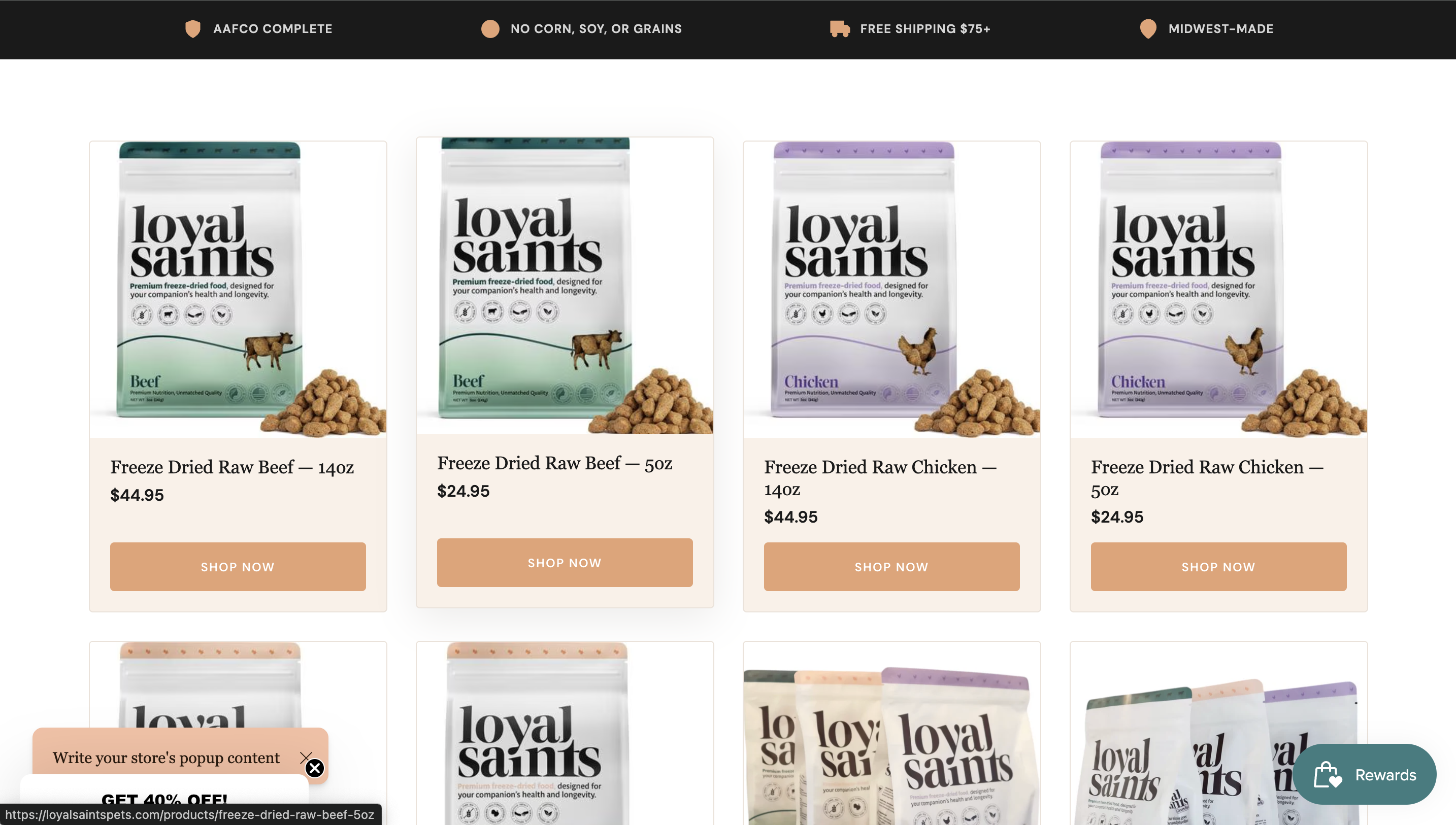
Loyalsaintspets offers freeze-dried raw chicken made from human-grade, whole ingredients with no fillers or additives. A single-protein, minimally processed diet reduces the number of potential food allergens your dogs are exposed to, which makes it easier to isolate environmental triggers when symptoms appear. For breeders managing multiple animals, Loyalsaintspets also carries a 5oz freeze-dried chicken option that works well for puppies and smaller dogs. Clean nutrition is one more layer in a complete allergy control strategy.
FAQ
What is an allergy management workflow for breeders?
An allergy management workflow for breeders is a structured system combining diagnostic testing, environmental controls, cleaning protocols, and record-keeping to reduce allergen exposure for animals and handlers. It follows a multi-component approach because single measures rarely produce consistent symptom improvement.
How often should breeders review allergy records?
A 15-minute weekly review of health and allergy logs is the recommended minimum. This frequency catches emerging issues early and keeps delegation to staff reliable.
What humidity level controls dust mites in a kennel?
Maintaining indoor relative humidity between 40–50% suppresses dust mite reproduction and prevents mold growth. Dropping below 35% for 22 or more hours daily can eliminate mites entirely.
Should breeders claim their dogs are hypoallergenic?
No. Ethical breeders use genetic screening and allergen protein level data instead of hypoallergenic claims. This approach sets realistic buyer expectations and reduces post-purchase returns.
What vacuum type works best for allergen control in breeding spaces?
Industrial-grade HEPA vacuums or robot vacuums with HEPA filters are the right choice. Standard vacuums recirculate allergens back into the air rather than capturing them.


