
TL;DR:
- A structured allergy management workflow for dogs involves steps from symptom identification to long-term prevention, improving their comfort. Accurate diagnosis through elimination diets and allergy testing is essential before treatment begins, as skipping this step often leads to failure. Managing flare-ups quickly with medications like Apoquel or Cytopoint, combined with infection control and environmental adjustments, helps maintain pet health effectively.
A structured allergy management workflow for dogs is a stepwise process that guides you through identifying symptoms, diagnosing triggers, calming flares, and maintaining long-term relief. Canine atopic dermatitis, the clinical term for environmental allergy disease in dogs, affects a significant portion of the dog population and ranks among the most common reasons owners visit a veterinarian. The American Animal Hospital Association (AAHA) recommends a comprehensive, goal-oriented plan rather than single-symptom fixes. Getting this right takes patience, but a clear process makes every step more manageable and gives your dog a real shot at lasting comfort.
What does the allergy management workflow for dogs look like?
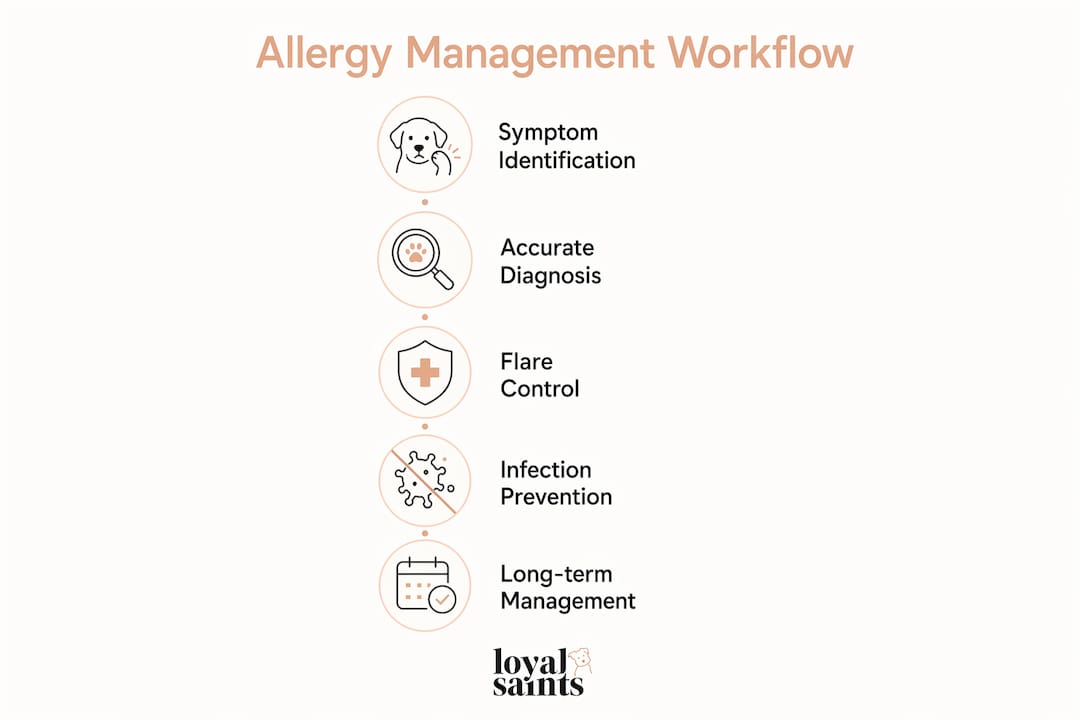
A dog allergy treatment plan works best when it follows a defined sequence. You start by recognizing symptoms, confirm a diagnosis, treat active flares, and then shift to long-term prevention. Skipping steps, especially the diagnostic phase, leads to wasted time and money treating the wrong problem. Think of it as a loop rather than a straight line: you monitor, adjust, and repeat as your dog’s needs change across seasons and life stages.
The workflow has five core phases: symptom identification, accurate diagnosis, flare control, infection prevention, and ongoing trigger reduction. Each phase builds on the last. A structured allergy approach that covers all five phases consistently outperforms reactive, single-step treatments.
How do you identify allergy symptoms in dogs?
Recognizing allergy symptoms in dogs early is the single fastest way to prevent minor irritation from becoming a chronic problem. The most common signs include:
- Itching and scratching, especially around the face, paws, ears, and belly
- Paw licking that leaves reddish-brown staining on the fur
- Recurrent ear infections, often with a yeasty odor
- Red, inflamed skin or hot spots that appear repeatedly in the same locations
- Watery eyes and sneezing, more common with environmental allergens
Itch location on the body offers critical diagnostic clues before any lab test is run. Paw and ear involvement points strongly toward environmental or food allergies, while flea allergy dermatitis tends to concentrate near the tail base.
Documenting symptoms is not optional. Write down when symptoms started, which body parts are affected, and whether they worsen seasonally or year-round. This log gives your veterinarian a head start and shortens the diagnostic timeline considerably. Detailed recording of itch location and timing enables targeted diagnosis before any testing begins.

Pro Tip: Take short video clips of your dog scratching or licking. Vets see dogs at their calmest in the exam room, so video evidence of active symptoms is genuinely useful.
Before assuming allergies, your vet must rule out fleas, mites, and skin infections. Formal allergy diagnosis requires excluding these mimicking conditions through physical exams and cytology. Treating for allergies when the real culprit is mange wastes months and leaves your dog suffering.
What are the diagnostic steps, including elimination diets and allergy testing?
Accurate diagnosis is the foundation of any effective canine allergy management plan. Rushing past this phase is the most common reason treatments fail.
The elimination diet trial
A strict 8 to 12 week elimination diet is the gold standard for diagnosing food allergies in dogs. During this trial, your dog eats only a single novel protein and a single carbohydrate source that they have never eaten before. Nothing else passes their lips.
The trial works by removing all potential food allergens and watching whether symptoms resolve. If they do, you reintroduce original foods one at a time to confirm which protein or ingredient triggers the reaction.
Pro Tip: Use a hydrolyzed protein prescription diet or a true novel protein during the trial. “Grain-free” commercial foods are not elimination diets and will not give you accurate results.
Why hidden allergens cause most trial failures
Hidden allergens during diet trials cause the majority of failures. Even trace protein exposure can invalidate weeks of effort. The sources that catch owners off guard most often include:
- Flavored chewable medications or supplements
- Table scraps or treats given by other family members
- Flavored toothpaste or dental chews
- Food from another pet in the household
Every person in your home needs to understand the rules before the trial starts. One accidental treat resets the clock.
Allergy testing: what it does and does not do
| Test type | Purpose | When it is used |
|---|---|---|
| Intradermal skin test | Identifies environmental allergens for immunotherapy | After clinical diagnosis is confirmed |
| Serum allergy test | Blood-based allergen identification | After clinical diagnosis is confirmed |
| Elimination diet trial | Diagnoses food allergies | During the diagnostic phase |
Allergy tests are used post-diagnosis to identify specific allergens for immunotherapy, not to make the initial diagnosis. Many owners assume a positive blood test confirms allergies. It does not. Diagnosis follows Favrot’s criteria and clinical exclusion of other causes first.
How do you manage active allergy flare-ups and prevent secondary infections?
Active flares need fast attention. The itch-scratch cycle causes skin damage that opens the door to bacterial and yeast infections, which then intensify the itch. Breaking this cycle quickly is the priority.
Calming a flare requires two simultaneous actions: stopping the itch and treating any infection already present. Doing one without the other prolongs your dog’s discomfort and delays recovery.
Short-term antipruritics are the most effective tools for immediate relief. Apoquel (oclacitinib) and Cytopoint (lokivetmab) are the two most widely used options. Apoquel and Cytopoint break the itch-scratch-infection cycle quickly and are generally well tolerated. Your vet will recommend one based on your dog’s age, health history, and the severity of the flare.
Secondary infections require their own treatment. Bacterial infections typically need antibiotics, while yeast infections respond to antifungal medications or medicated shampoos. Treating the infection without addressing the underlying allergy guarantees the infection returns.
Bathing is a practical, underused tool. Weekly or bi-weekly bathing with antimicrobial or hypoallergenic shampoo reduces the allergen load on the skin surface. This frequency is specifically recommended for dogs with atopic dermatitis. Regular baths physically remove pollen, dust mites, and other environmental allergens before they penetrate the skin barrier.
Pro Tip: Leave medicated shampoo on for the full contact time listed on the label, usually 5 to 10 minutes. Rinsing too quickly cuts the antimicrobial effect significantly.
What does long-term canine allergy management involve?
Lifelong allergy management focuses on reducing flare frequency and severity, not curing the underlying condition. That distinction matters. Owners who expect a cure become frustrated and abandon effective plans too early.
Environmental trigger reduction
Reducing allergen exposure at home lowers the baseline itch level, which means flares are less intense and less frequent. Practical steps include:
- Washing your dog’s bedding weekly in hot water
- Using a HEPA air filter in rooms where your dog spends the most time
- Wiping your dog’s paws after outdoor walks during high pollen seasons
- Limiting outdoor time during peak pollen hours, typically morning and early evening
- Vacuuming with a HEPA-filter vacuum at least twice weekly
Dietary support and skin barrier health
| Approach | Benefit | Best used for |
|---|---|---|
| Novel protein diet | Avoids known food triggers | Dogs with confirmed food allergies |
| Hydrolyzed protein diet | Proteins too small to trigger immune response | Dogs with multiple food sensitivities |
| Omega-3 fatty acid supplementation | Reduces skin inflammation, supports barrier | All dogs with atopic dermatitis |
| Moisturizing shampoos and conditioners | Repairs skin barrier between baths | Dogs with dry or damaged skin |
Omega-3 fatty acids from fish oil are one of the most evidence-backed nutritional supports for allergic dogs. They reduce inflammatory signaling in the skin and support the lipid barrier that keeps allergens out. A dog food allergy guide that covers novel protein selection and dietary transitions is worth reading before you make any food changes.
Allergen-specific immunotherapy
Immunotherapy is the closest thing to a long-term solution for environmental allergies. It works by gradually desensitizing your dog’s immune system to specific allergens identified through allergy testing. Allergen-specific immunotherapy shows a 60%–80% clinical improvement rate in treated dogs. That is a meaningful success rate for a chronic condition with no cure. Results typically take 6 to 12 months to appear, and treatment continues for life.
Key Takeaways
A complete allergy management workflow for dogs requires accurate diagnosis, fast flare control, and consistent long-term prevention working together.
| Point | Details |
|---|---|
| Diagnosis before treatment | Rule out fleas, mites, and infections before starting any allergy protocol. |
| Elimination diet strictness | A strict 8 to 12 week trial with zero hidden allergens is required to diagnose food allergies. |
| Break the itch cycle fast | Use Apoquel or Cytopoint during flares and treat secondary infections simultaneously. |
| Bathe regularly | Weekly or bi-weekly antimicrobial baths reduce allergen load and prevent skin infections. |
| Immunotherapy for long-term relief | A 60%–80% improvement rate makes immunotherapy the strongest long-term option for environmental allergies. |
What I’ve learned about managing dog allergies that most guides won’t tell you
Managing a dog with allergies is one of the most emotionally taxing things a dog owner can face. I’ve seen owners do everything right and still feel like they’re failing because their dog still scratches occasionally. That feeling is real, but it reflects a misunderstanding of what success looks like.
Owner frustration and unrealistic expectations are among the most common reasons allergy management fails. Not because the treatment stopped working, but because the owner stopped. The goal was never zero symptoms. The goal is fewer flares, shorter flares, and a dog who is comfortable most of the time.
The piece of advice I give most often is this: set monthly goals, not lifetime ones. Did your dog have fewer ear infections this month than last? Did the paw licking drop from constant to occasional? Those are wins. Celebrate them. Treatment failure often results from owner burnout, and education on realistic outcomes is what prevents it.
The other thing most guides skip is the cost conversation. Allergy management is not cheap, especially if immunotherapy is involved. Talk to your vet about prioritizing interventions by impact and cost. A good vet will help you build a plan that fits your budget without abandoning the most effective steps. Your dog does not need every intervention at once. They need the right ones, applied consistently.
— Kristina
How Loyalsaintspets supports your dog’s allergy nutrition plan
Dietary support is one of the most controllable parts of a long-term allergy plan, and the protein source your dog eats every day matters more than most owners realize.
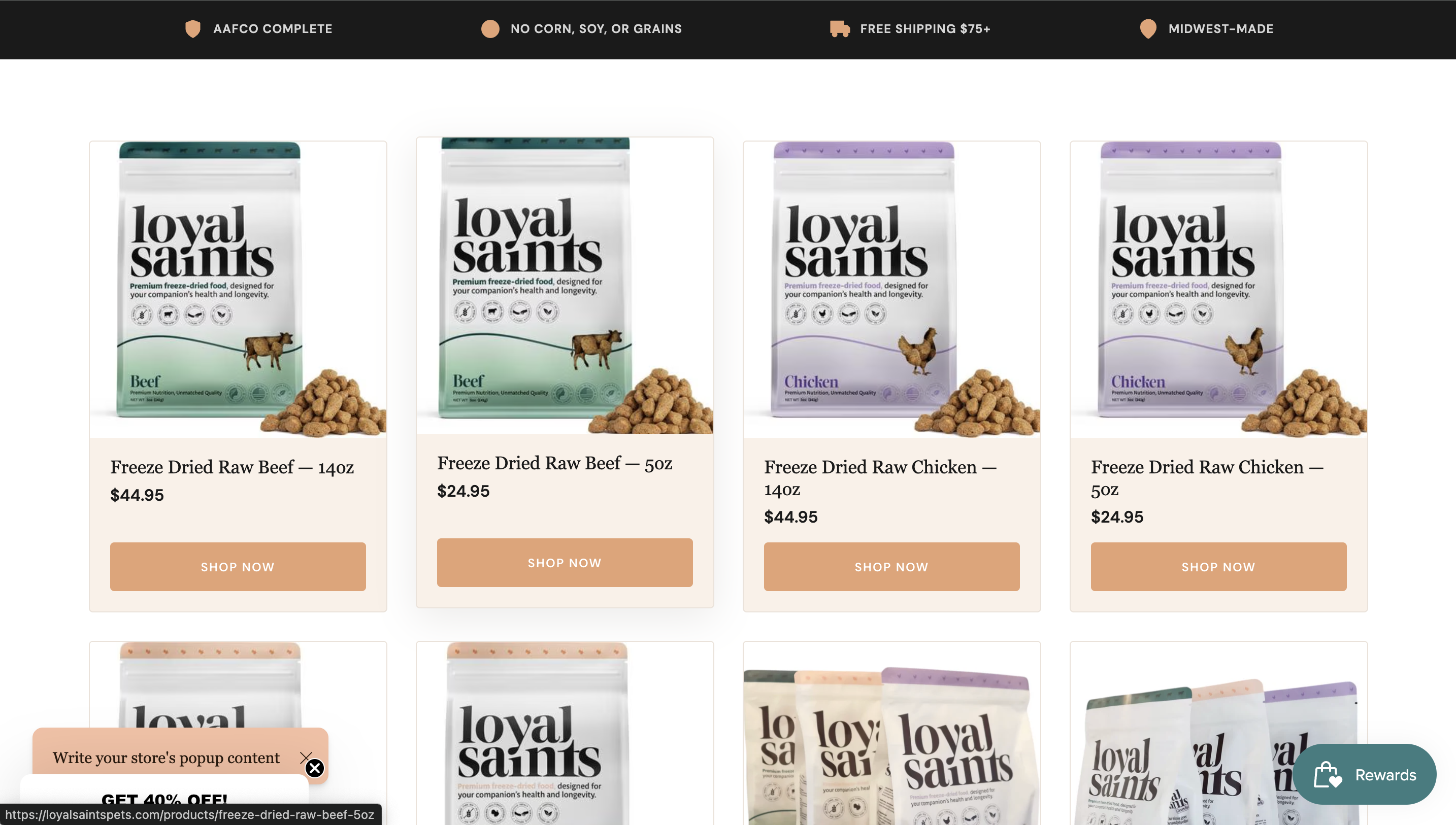
Loyalsaintspets freeze-dried raw chicken and beef are single-ingredient, novel protein options made from human-grade whole ingredients with no fillers, additives, or hidden proteins. That makes them genuinely useful during elimination diet phases, where ingredient transparency is non-negotiable. The freeze-dried raw chicken and freeze-dried raw beef options give you clean, identifiable proteins that fit both trial phases and long-term maintenance diets. Loyalsaintspets products are formulated to meet AAFCO All Life Stages profiles, so you can feed with confidence while working through your dog’s allergy plan.
FAQ
What is an allergy management workflow for dogs?
An allergy management workflow for dogs is a structured, stepwise process covering symptom identification, diagnosis, flare control, infection prevention, and long-term trigger reduction. It is designed to reduce flare frequency and improve your dog’s quality of life over time.
How long does a food elimination diet trial take for dogs?
A strict elimination diet trial takes 8 to 12 weeks to accurately diagnose food allergies in dogs. The trial requires 100% dietary strictness, including no flavored medications, treats, or table scraps.
What are the best short-term remedies for dog allergy flare-ups?
Apoquel and Cytopoint are the most effective short-term options for breaking the itch-scratch cycle during active flares. Your veterinarian will recommend one based on your dog’s age and health profile.
Can dog allergies be cured?
Dog allergies cannot be cured, but allergen-specific immunotherapy achieves a 60%–80% clinical improvement rate in treated dogs. The goal of management is reducing flare frequency and severity, not eliminating the condition entirely.
How do I start an elimination diet for my dog?
Start by selecting a single novel protein and carbohydrate your dog has never eaten, then feed only that combination for 8 to 12 weeks. Read the step-by-step elimination diet guide from Loyalsaintspets for full instructions on how to run the trial correctly.


