
Finding the right food for your dog can feel especially tough in a busy city when you want nothing but fresh, premium nutrition. Digestive health is the foundation of a dog’s energy and comfort, making each meal more than just a treat. As more urban American pet owners turn to freeze-dried options for their simplicity and gut-friendly benefits, understanding the science behind digestion helps you make confident choices that support your dog’s long-term vitality.
Table of Contents
- Digestive Health in Dogs: Key Concepts
- Types of Digestive Issues in Dogs
- How Freeze-Dried Food Supports Digestion
- Role of Natural Ingredients and Enzymes
- Transitioning and Feeding Tips for Gut Health
- Comparing Freeze-Dried to Other Diets
Key Takeaways
| Point | Details |
|---|---|
| Digestive Health is Vital | A dog’s digestive health is essential for overall well-being, requiring attention to nutrient absorption, gut microbiome balance, and enzyme production. |
| Monitor for Digestive Issues | Common digestive problems, such as infections and inflammatory conditions, show various symptoms that necessitate early detection and veterinary care. |
| Freeze-Dried Food Benefits | Freeze-dried diets preserve nutrients effectively, supporting better digestion and nutrient absorption while reducing gastrointestinal strain. |
| Careful Dietary Transitions | Gradual dietary changes help prevent digestive upset; monitor food transitions closely for any signs of discomfort in your dog. |
Digestive Health in Dogs: Key Concepts
Digestive health is fundamental to a dog’s overall wellness and vitality. Understanding how the canine digestive system functions provides critical insights into maintaining your pet’s optimal nutrition and long-term health. Digestive processes involve complex biological mechanisms that break down food into essential nutrients.
The digestive system in dogs serves multiple crucial functions beyond simple food processing. It transforms consumed nutrients into usable energy, supports immune function, and helps maintain cellular health. Dogs have a relatively short digestive tract compared to omnivores, which means they process proteins and nutrients more efficiently.
Key components of canine digestive health include:
- Efficient nutrient absorption
- Balanced gut microbiome
- Proper enzyme production
- Optimal gastrointestinal tract function
- Robust immune system support
Nutritional balance plays a pivotal role in supporting digestive wellness. High-quality proteins, appropriate fiber content, and easily digestible ingredients contribute to maintaining a healthy digestive system. Digestive system functions demonstrate how critical each nutritional component is for overall canine health.
Pro tip: Consult with your veterinarian annually to assess your dog’s digestive health and adjust nutrition strategies based on age, breed, and individual metabolic needs.
Types of Digestive Issues in Dogs
Dogs can experience a wide range of digestive health challenges that impact their overall well-being. Digestive disorders in dogs encompass multiple complex conditions that require careful understanding and management.
Common digestive issues in dogs typically fall into several key categories:
- Infectious Disorders: Bacterial, viral, and parasitic infections
- Inflammatory Conditions: Colitis, pancreatitis, gastroenteritis
- Structural Problems: Gastric bloat, intestinal obstructions
- Malabsorption Syndromes: Inability to properly absorb nutrients
- Motility Disorders: Irregular movement of food through digestive tract
Symptoms of digestive problems can vary widely but often include persistent vomiting, diarrhea, weight loss, and changes in appetite. Some breeds are more predisposed to specific digestive conditions, making early detection and professional intervention crucial. Diagnostic processes help veterinarians identify the root cause and develop targeted treatment strategies.
Here is a quick reference to common canine digestive issues and possible indicators:
| Digestive Issue Type | Typical Causes | Common Signs |
|---|---|---|
| Infectious Disorders | Bacteria, viruses, parasites | Sudden diarrhea, vomiting |
| Inflammatory Conditions | Colitis, pancreatitis | Abdominal pain, loose stool |
| Structural Problems | Bloat, obstructions | Distended abdomen, retching |
| Malabsorption Syndromes | Intestinal damage, enzyme deficit | Weight loss, dull coat |
| Motility Disorders | Nerve or muscle issues | Constipation, erratic stool patterns |
Chronic digestive issues can significantly impact a dog’s quality of life and require comprehensive medical attention.
Nutritional management plays a critical role in preventing and managing many digestive disorders. High-quality, easily digestible foods, appropriate fiber content, and targeted nutritional support can help mitigate potential digestive complications.

Pro tip: Monitor your dog’s stool consistency and report any persistent changes to your veterinarian, as early detection can prevent more serious digestive health complications.
How Freeze-Dried Food Supports Digestion
Freeze-drying technology represents a revolutionary approach to maintaining nutritional integrity in dog food. This preservation method uniquely supports canine digestive health by maintaining the natural structure and bioavailability of essential nutrients, ensuring dogs receive maximum nutritional benefits with minimal digestive stress.
Key digestive advantages of freeze-dried dog food include:
- Preservation of protein structures
- Enhanced nutrient density
- Elimination of moisture that can promote bacterial growth
- Minimal processing that maintains enzymatic activity
- Improved digestibility compared to traditional kibble
Nutrient retention is particularly critical in supporting digestive wellness. Freeze-drying removes moisture while maintaining the food’s cellular structure, which means proteins, vitamins, and minerals remain largely unaltered. This process allows for easier breakdown and absorption in a dog’s digestive system, reducing the likelihood of gastrointestinal complications.
Freeze-dried foods provide a closer nutritional profile to fresh, whole foods, supporting optimal digestive function and overall canine health.
The lightweight and concentrated nature of freeze-dried foods also means less bulk for the digestive system to process, potentially reducing strain on the gastrointestinal tract. By maintaining the natural enzymes and avoiding excessive heat treatment, these foods support the delicate balance of gut microbiome and promote more efficient nutrient absorption.
Pro tip: Gradually transition to freeze-dried food by mixing it with your dog’s current diet, allowing their digestive system to adapt smoothly to the new nutritional profile.
Role of Natural Ingredients and Enzymes
Digestive enzymes naturally break down nutrients in a dog’s body, playing a critical role in converting food into usable energy and supporting overall digestive health. These specialized proteins work across different stages of digestion, ensuring that nutrients are efficiently extracted and absorbed from each meal.
Key digestive enzymes essential for canine nutrition include:
- Amylase: Breaks down carbohydrates
- Protease: Processes proteins
- Lipase: Digests fats
- Cellulase: Helps break down plant fibers
- Lactase: Processes milk sugars
Enzyme activity is fundamentally influenced by the quality and composition of natural ingredients. Fresh, minimally processed foods retain more enzymatic potential, which supports more efficient nutrient absorption. Ingredients like raw fruits, vegetables, and fermented foods can naturally enhance digestive enzyme production and support gut health.
Natural ingredients provide a complex network of enzymes that work synergistically to support optimal digestive function in dogs.
Certain natural ingredients are particularly potent in supporting digestive enzyme production. Foods such as papaya, pineapple, and fermented vegetables contain natural enzyme precursors that can help improve overall digestive efficiency. These ingredients not only provide essential nutrients but also support the body’s inherent enzymatic processes.
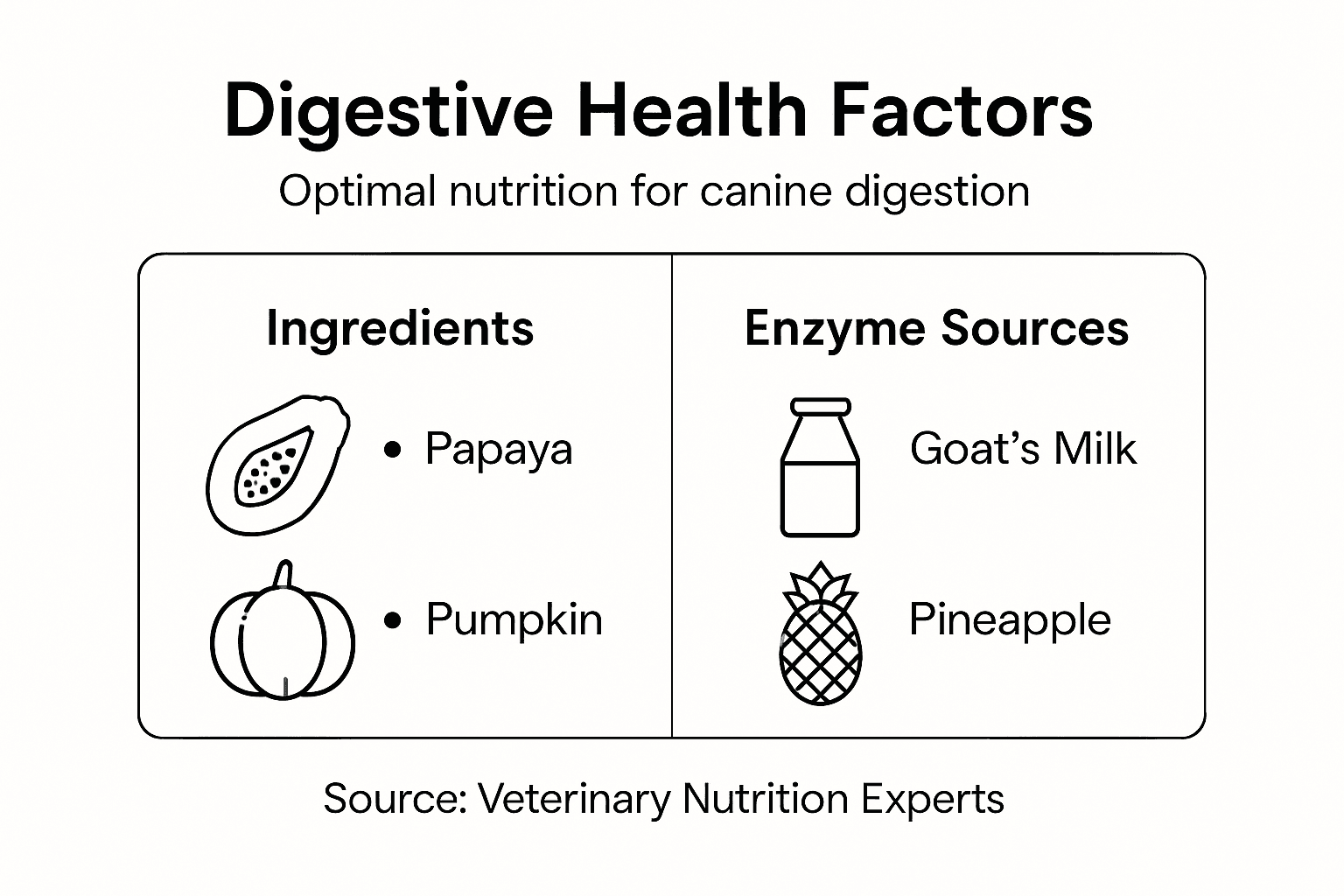
Pro tip: Incorporate small amounts of enzyme-rich foods like papaya or raw goat’s milk into your dog’s diet to naturally support digestive enzyme production.
Transitioning and Feeding Tips for Gut Health
Digestive health transitions require a strategic and gradual approach to prevent gastrointestinal upset and support your dog’s nutritional adaptation. Successful diet changes demand patience, careful observation, and a systematic method that minimizes stress on your dog’s digestive system.
Key steps for a smooth dietary transition include:
- Start with 25% new food, 75% current diet
- Gradually increase new food percentage over 7-10 days
- Monitor stool consistency and overall energy levels
- Watch for signs of digestive discomfort
- Maintain consistent feeding times
- Keep fresh water always available
Portion control plays a critical role in maintaining digestive wellness during food transitions. Smaller, more frequent meals can help reduce digestive strain and support better nutrient absorption. This approach allows the digestive system to adjust more comfortably to new nutritional profiles and ingredient compositions.
Slow, consistent transitions are the cornerstone of successful dietary changes for dogs with sensitive digestive systems.
Individual dogs may respond differently to dietary changes, so close monitoring is essential. Factors like age, breed, existing health conditions, and previous dietary history can influence how smoothly a dog adapts to new nutrition. Some dogs might require an even more extended transition period or specialized digestive support supplements.
Pro tip: Keep a daily feeding log to track your dog’s response during dietary transitions, noting any changes in appetite, energy, or digestive patterns.
Comparing Freeze-Dried to Other Diets
Pet nutrition comparisons reveal significant differences between freeze-dried, kibble, raw, and fresh dog food diets. Each dietary approach offers unique benefits and challenges, making the selection process crucial for supporting your dog’s overall health and digestive wellness.
Key comparative aspects of different dog food diets include:
- Kibble: Convenient, long shelf life, lower cost
- Raw: High protein, minimally processed, potential bacterial risks
- Fresh: Whole ingredients, limited preservation, short shelf life
- Freeze-Dried: Nutrient-dense, lightweight, minimal processing
- Canned: High moisture content, more palatable
Nutrient preservation distinguishes freeze-dried diets from other options. Unlike traditional kibble that undergoes high-heat processing, freeze-drying maintains the molecular integrity of proteins, vitamins, and minerals. This preservation method ensures dogs receive nutrition closer to their ancestral whole-food diet while offering convenient storage and handling.
Freeze-dried diets represent a nutritional bridge between raw feeding and traditional processed dog foods, combining convenience with nutritional excellence.
Each diet type presents unique digestive implications. Kibble often contains more fillers and carbohydrates, potentially challenging dogs with sensitive stomachs. Raw diets offer high bioavailability but require careful handling. Freeze-dried options provide a balanced approach, delivering concentrated nutrition with reduced digestive strain.
Compare how dog food types affect digestive health:
| Diet Type | Digestibility | Nutrient Preservation | Handling Notes |
|---|---|---|---|
| Kibble | Moderate | Low after processing | Easy to store |
| Raw | High | Excellent if fresh | Requires refrigeration |
| Fresh | High | Excellent | Limited shelf life |
| Freeze-Dried | High | Maintains most nutrients | Lightweight, easily portable |
| Canned | Moderate | Good for some nutrients | Bulky, higher moisture |
Pro tip: Consult with your veterinarian to determine the most appropriate diet based on your individual dog’s age, breed, health status, and specific nutritional needs.
Elevate Your Dog’s Digestive Health with Freeze-Dried Nutrition from Loyal Saints Pets
Digestive health challenges such as malabsorption, enzyme deficits, and sensitive stomachs require a nutrition solution that supports efficient nutrient absorption and a balanced gut microbiome. Our premium freeze-dried dog food is designed to deliver naturally preserved proteins, enzymes, and essential nutrients that work gently with your dog’s digestive system for improved vitality and comfort. By choosing high-quality, minimally processed ingredients, you help reduce gastrointestinal strain and promote a happier active lifestyle for your pet.
Discover the benefits of thoughtfully formulated freeze-dried meals like those found in our Beef | Loyal Saints selections or explore greater value and variety through our convenient Bundles | Loyal Saints. Each recipe is crafted to support gut health, maintain enzyme activity, and provide wholesome nutrition without additives or fillers.
Take the next step in supporting your dog’s digestive wellness today. Visit Loyal Saints Pets to find nutritionally balanced freeze-dried dog food designed to nurture your pet’s digestive system and overall health. Act now to provide your family member with a longer, healthier life filled with joyful moments.
Frequently Asked Questions
What are the benefits of freeze-dried food for a dog’s digestive health?
Freeze-dried food helps maintain the nutritional integrity of ingredients, enhances nutrient density, reduces moisture that can promote bacterial growth, and improves digestibility, resulting in minimal digestive stress for dogs.
How should I transition my dog to a freeze-dried diet?
Gradually introduce freeze-dried food by mixing 25% new food with 75% of your dog’s current food. Increase the new food percentage over 7-10 days while monitoring for any signs of digestive discomfort.
Are freeze-dried diets suitable for dogs with sensitive stomachs?
Yes, freeze-dried diets are often easier to digest due to their nutrient retention and minimal processing, making them a good option for dogs with sensitive stomachs. However, always consult with your veterinarian before making any dietary changes.
How do freeze-dried diets compare to kibble in terms of nutrition?
Freeze-dried diets generally preserve more nutrients compared to kibble, which is often subjected to high-heat processing. This means freeze-dried food can provide higher bioavailability of proteins, vitamins, and minerals for your dog.


