
TL;DR:
- Dog digestion influences immune health, mood, energy, and lifespan beyond mealtime. Most issues respond well to gradual dietary adjustments and lifestyle management, emphasizing consistency and vet guidance. Supporting gut health through nutrition, stress reduction, and proper feeding habits can improve overall well-being and longevity.
Your dog’s digestion affects far more than what happens after mealtime. Dog digestive health shapes your pet’s immune defenses, mood, energy, and even lifespan. Yet most dog owners only notice a problem when the symptoms are hard to ignore: loose stool, vomiting, excessive gas, or a dog who just stops eating with enthusiasm. The good news is that most digestive challenges respond well to smart dietary choices and consistent lifestyle adjustments. This guide walks you through the science, the warning signs, and the practical strategies that actually make a difference.
Table of Contents
- Key takeaways
- Dog digestive health: how the gut actually works
- Common digestive issues: what to look for
- Dietary strategies and natural remedies for better digestion
- Lifestyle and management tips for healthy digestion
- Gut health, allergies, and your dog’s longevity
- My honest take on what actually moves the needle
- Feed your dog the way their gut deserves
- FAQ
Key takeaways
| Point | Details |
|---|---|
| Gut health drives immunity | 70 to 80% of a dog’s immune system lives in the gut, making digestion central to overall health. |
| Slow diet transitions matter | Switching food too fast causes vomiting, diarrhea, and gas; always transition over several days. |
| Prebiotics and probiotics work | Targeted supplements improve stool quality, reduce flatulence, and support gut microbiome balance. |
| Lifestyle factors count equally | Stress, rapid eating, and poor hydration contribute just as much to digestive upset as bad food choices. |
| Gut health reduces allergy risk | A balanced gut microbiome helps reduce inflammation and lowers a dog’s sensitivity to allergens. |
Dog digestive health: how the gut actually works
The canine digestive system runs from the mouth to the colon, but the real action happens in the small intestine and the gut microbiome. Millions of bacteria, fungi, and other microorganisms live there, collectively influencing how your dog absorbs nutrients, fights off illness, and even regulates behavior. When this microbial community is balanced, veterinarians call it eubiosis. When it falls out of balance, the result is dysbiosis, and that is when things start going wrong.
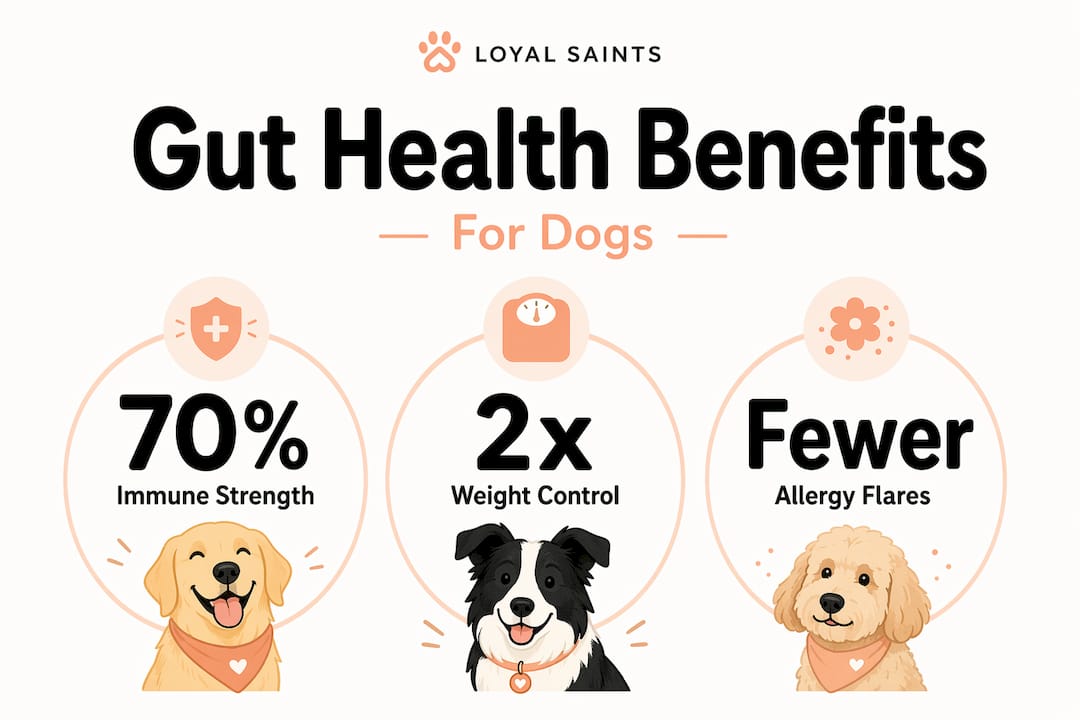
70 to 80% of the immune system in dogs is located in the digestive tract. That number alone should reframe how you think about digestion. It is not just about comfortable bathroom habits. It is about your dog’s ability to fight infections, manage inflammation, and stay mentally steady.
Signs that your dog’s gut microbiome may be out of balance include:
- Frequent loose stools or alternating constipation and diarrhea
- Excessive gas or bloating after meals
- Nausea or repeated grass-eating behavior
- Unexplained weight loss despite normal appetite
- Increased anxiety, irritability, or low energy
“Symptoms like nausea and vomiting are not just digestive complaints. They are signals that the immune system itself may be compromised.” — Integrative veterinary perspective on eubiosis and gut health
The gut also produces serotonin, a neurotransmitter tied to mood regulation. A disrupted gut microbiome can contribute to anxiety and behavior shifts in dogs, which explains why some pets with chronic digestive issues also seem more reactive or withdrawn. Knowing this connection makes it easier to understand why dog digestive system care deserves the same attention you give to vaccinations or dental hygiene.
Common digestive issues: what to look for
Digestive problems in dogs fall into two broad categories: short-term upsets and chronic conditions. Knowing the difference helps you decide whether to wait, adjust feeding, or call your vet.
Sensitive stomachs are common and are most often triggered by sudden diet changes, food intolerances, fatty foods, or stress. These cases usually resolve within 24 to 48 hours with a bland diet and rest. Chronic conditions are a different matter entirely. Inflammatory bowel disease (IBD), exocrine pancreatic insufficiency (EPI), and food allergies require veterinary diagnosis and ongoing management.
Common digestive issues you may encounter include:
- Vomiting: Can signal anything from eating too fast to a serious obstruction. Occasional vomiting after meals is often minor; repeated vomiting with blood or lethargy is an emergency.
- Diarrhea: The most frequent complaint. Often dietary, but persistent diarrhea warrants fecal testing and a vet visit.
- Flatulence: Frequent gas usually points to fermentation of poorly digested carbohydrates or a microbiome imbalance.
- Constipation: Often linked to dehydration or too little fiber, but can also signal pain or an obstruction.
- Loss of appetite or nausea: Grass-eating, lip-licking, and turning away from the food bowl are classic signs.
One mistake many dog owners make is treating symptoms without understanding the root cause. Giving your dog a probiotic supplement is a reasonable short-term step, but it does not replace a proper veterinary diagnosis if symptoms persist beyond a couple of days or keep returning. Self-treating a dog with IBD as if it has a simple upset stomach delays the care that animal actually needs.
Dietary strategies and natural remedies for better digestion
This is where you have the most influence. The foods you choose and how you introduce them shape your dog’s gut environment every single day.
Here are practical steps to support healthy dog digestion through diet:
- Introduce prebiotics and probiotics together. Probiotics block harmful bacteria, strengthen the intestinal barrier, and support immune function. Combined with prebiotics, which feed beneficial bacteria, the results are measurably better. A prebiotic and postbiotic supplement blend showed 65% of dog owners reported improvement in their dogs’ digestive symptoms within 28 days.
- Add pumpkin to the rotation. Plain canned pumpkin (not pie filling) is one of the most practical natural remedies you can use. Pumpkin regulates bowel movements by adding fiber bulk and releasing fatty acids that nourish the colon lining. It works for both diarrhea and constipation, making it a true two-direction tool.
- Choose high-quality lean proteins. Chicken, turkey, and fish are easier to digest than fatty red meats. Protein quality matters because poorly digested protein ferments in the colon, creating gas and feeding harmful bacteria.
- Avoid the usual offenders. Fatty table scraps, spices, onions, grapes, and heavily processed kibble with artificial fillers are common triggers for digestive upset.
- Add digestive enzymes when appropriate. Combining fiber with digestive enzymes and probiotics outperforms fiber alone. Enzymes help break down food more completely so less undigested material reaches the colon.
Pro Tip: Always transition to a new food over 7 to 10 days. Mix roughly 25% new food with 75% old food for the first few days, then gradually shift the ratio. Rapid diet switches are a leading cause of preventable digestive upset.
| Supplement | Primary benefit | Best used for |
|---|---|---|
| Probiotics | Rebalance gut microbiome | Post-antibiotic recovery, IBD support |
| Prebiotics | Feed beneficial bacteria | Ongoing maintenance and prevention |
| Pumpkin fiber | Regulate stool consistency | Diarrhea and constipation |
| Digestive enzymes | Improve nutrient breakdown | EPI, poor stool quality |
| Postbiotics | Reduce inflammation | Chronic GI sensitivity |
Pet owners increasingly expect multifunctional nutrition that addresses digestion, immunity, joints, and anxiety at once. This is exactly the right instinct. A high-quality, whole-ingredient diet does more than one job at a time. For more on choosing between supplement types, this breakdown of probiotics vs. prebiotics is worth reading before you buy anything.
Lifestyle and management tips for healthy digestion
Diet is only part of the picture. How your dog eats and lives day to day has a direct impact on digestive comfort.

Slow-feeder bowls and smaller meals reduce nausea, regurgitation, and bloating. Large breeds who eat one big meal quickly are particularly prone to gastric issues, including the life-threatening condition known as bloat (GDV). Splitting daily food into two or three smaller portions helps stabilize digestion and blood sugar throughout the day.
Practical lifestyle adjustments that support dog gut health include:
- Manage stress actively. Anxiety triggers gut motility changes in dogs, just as it does in people. Regular exercise, predictable routines, and calm feeding environments reduce stress-related digestive flare-ups.
- Keep water available at all times. Dehydration slows gut motility and contributes to constipation. Dogs eating dry kibble need significantly more water than dogs on wet or fresh food diets.
- Monitor stool quality weekly. You do not have to obsess, but checking stool consistency, color, and frequency gives you early signals before a problem escalates.
- Exercise consistently but gently. Moderate daily exercise supports gut motility. Intense exercise right after eating, however, can cause nausea and discomfort.
Pro Tip: If your dog is on long-term medication, ask your vet about probiotic support during and after treatment. Antibiotics in particular disrupt the gut microbiome significantly, and restoring balance afterward makes a real difference in recovery.
According to updated feeding frequency guidelines, most adult dogs benefit from two meals per day rather than one, with the spacing helping prevent overeating and the digestive stress that follows. Puppies and senior dogs often do better with three smaller meals to support consistent energy and digestion.
Gut health, allergies, and your dog’s longevity
The connection between gut health and allergy development is stronger than most dog owners realize. Poor gut health is linked to allergies, skin conditions, anxiety, and immune dysfunction. A disrupted microbiome allows inflammatory signals to circulate more freely, making your dog more reactive to environmental and food allergens.
Here is how digestive health connects to systemic wellness across your dog’s life:
| Health area | How gut health influences it |
|---|---|
| Immune function | 70 to 80% of immune activity is gut-based; dysbiosis weakens defenses |
| Skin and coat | Gut inflammation drives dermatitis and itching in many dogs |
| Behavior and mood | Gut produces serotonin; imbalance contributes to anxiety and irritability |
| Allergy sensitivity | Leaky gut increases reactivity to food and environmental triggers |
| Lifespan and vitality | Sustained gut health reduces chronic disease risk over time |
Dogs with well-maintained gut health tend to experience fewer allergy flare-ups, maintain healthier weight, and show better mobility as they age. This is why pet longevity and digestive health are so tightly linked. Addressing digestion now is an investment in the years of tail wags still ahead.
If your dog already shows allergy symptoms alongside digestive issues, the gut is often the starting point for resolution. This guide on allergy management through diet offers practical next steps.
My honest take on what actually moves the needle
I have spent years looking at what actually helps dogs with digestive struggles versus what just sounds appealing on a label. Here is what I have come to believe based on real outcomes.
Most owners reach for a new food or a single supplement and expect fast results. When nothing dramatic happens in a week, they switch again. That pattern is one of the biggest reasons dogs stay uncomfortable. The gut microbiome needs consistency and time to rebalance. Quick fixes almost never work because the microbiome responds to patterns, not one-off changes.
What I have seen work consistently is the combination of a gradual food transition, a daily probiotic or prebiotic, and real attention to feeding behavior and stress levels. Those three elements together move the needle far more than any single expensive product. Stress management, in particular, is wildly underestimated. A dog eating an excellent diet but living in a high-anxiety environment will still have digestive problems.
My strongest piece of advice: work with your veterinarian before investing heavily in supplements or specialty diets. A fecal microbiome test or a simple dietary elimination trial can tell you more in two weeks than six months of guessing. And when your vet does make a recommendation, give it the time it needs. Dog digestive health strategies work best when you commit to them rather than cycling through options every few weeks.
— Eyo
Feed your dog the way their gut deserves
At Loyalsaintspets, every product starts with one question: what does a dog’s body actually need to thrive? The answer keeps coming back to whole, minimally processed ingredients with nothing artificial in between. Freeze-dried food preserves the nutrients that cooking destroys, meaning your dog gets real protein, real fiber, and real gut support in every meal. You can learn more about why freeze-drying matters for digestion and nutrient retention on the Loyalsaintspets education page. When you are ready to find the right product for your dog’s needs, the full range is available at the Loyalsaintspets shop. Your dog’s gut health is worth feeding intentionally.
FAQ
What are the signs of poor dog digestive health?
Common signs include loose stools, vomiting, frequent gas, lack of appetite, and weight changes. Behavioral shifts like increased anxiety or low energy can also signal gut imbalance.
How long does it take for probiotics to help a dog’s digestion?
Research shows that digestive improvements from prebiotic and probiotic supplements can appear within 7 to 28 days, with most owners reporting noticeable changes by the end of the first month.
Can stress cause digestive problems in dogs?
Yes. Stress and rapid eating are frequently overlooked causes of digestive upset. Managing your dog’s anxiety and feeding environment can significantly reduce gut-related symptoms.
What foods are best for a dog with a sensitive stomach?
Lean proteins like chicken or turkey, plain pumpkin, and low-fat, easily digestible carbohydrates are the most reliable starting points. Avoid fatty meats, spices, and table scraps.
When should I see a vet for my dog’s digestive issues?
See a vet if symptoms last more than 48 hours, if you notice blood in stool or vomit, or if your dog stops eating entirely. Chronic or recurring issues like IBD or EPI require professional diagnosis and should not be managed with diet changes alone.


