
TL;DR:
- High-biological-value animal proteins like chicken, beef, eggs, and salmon are essential for maintaining dog muscle health. Combining proper diet with movement exercises and anti-inflammatory omega-3 fats prevents muscle loss caused by inflammation and aging.
The best foods for dog muscle health are high-biological-value animal proteins that supply all ten essential amino acids dogs cannot produce on their own. Chicken, beef, eggs, and dairy are the most effective muscle-supporting foods you can feed your dog, and they belong at the top of any dog muscle health foods list. Getting this right matters more than most dog owners realize. Muscle loss, known clinically as sarcopenia, can begin in middle age and accelerates without adequate protein and movement. The good news is that the right diet, paired with smart lifestyle choices, gives your dog a real shot at staying strong and active for years to come.
1. Chicken: the top protein for muscle repair

Chicken is the most widely used animal protein in commercial dog food, and for good reason. It delivers a complete amino acid profile, including leucine and lysine, which are directly tied to muscle protein synthesis. Chicken breast is lean, digestible, and easy to source in whole, freeze-dried, or cooked forms.
One important caveat: chicken is the most common allergen in dogs, responsible for 34% of food-allergy-driven skin diseases. That means if your dog shows signs of itching, hot spots, or digestive upset, chicken may be the trigger. Rotating proteins or switching to a novel protein like duck or venison can resolve the issue while keeping muscle nutrition on track.
Pro Tip: If your dog tolerates chicken well, freeze-dried chicken is one of the most digestible forms you can offer. It preserves amino acid content without cooking-related nutrient loss.
2. Beef: dense protein with iron and zinc
Beef ranks among the best foods for dog muscle health because it combines high protein density with iron and zinc. Iron supports oxygen delivery to working muscles, and zinc plays a role in protein metabolism and tissue repair. Ground beef, beef heart, and beef liver each offer slightly different nutrient profiles, making variety worthwhile.
Named animal meals or whole meats listed first on a food label signal higher biological value. Biological value measures how efficiently a dog’s body uses the protein it absorbs. Beef scores well on this measure, making it a reliable choice for dogs at any life stage.
3. Eggs: the gold standard for amino acid completeness
Eggs are defined as the reference protein in nutrition science because they contain every essential amino acid in near-perfect ratios. For dogs, this makes eggs one of the most efficient muscle-building foods available. One whole egg provides protein, healthy fats, and fat-soluble vitamins like A and D that support overall vitality.
Cooked eggs are safer than raw, as raw egg whites contain avidin, a compound that blocks biotin absorption. Scrambled or hard-boiled eggs work well as a meal topper or standalone treat. Dogs with egg sensitivities are less common than those with chicken allergies, making eggs a solid alternative protein for allergy-prone dogs.
4. Dairy: whey, cottage cheese, and Greek yogurt
Dairy products like cottage cheese and plain Greek yogurt provide whey protein, which is rich in branched-chain amino acids. Branched-chain amino acids, particularly leucine, directly trigger muscle protein synthesis. This makes dairy a practical supplement for active dogs or those recovering from illness-related muscle loss.
Not all dogs tolerate lactose well. Low-lactose options like cottage cheese and plain Greek yogurt are better choices than milk or cream. Introduce dairy gradually and watch for loose stools, which signal poor lactose tolerance.
5. Salmon and fatty fish: protein plus anti-inflammatory omega-3s
Salmon delivers complete protein alongside omega-3 fatty acids, specifically EPA and DHA. Omega-3 fatty acids reduce inflammation and improve comfort, allowing dogs to move more and maintain muscle better. This dual benefit makes salmon one of the most valuable foods on any dog muscle maintenance list.
Chronic inflammation is a silent enemy of muscle health. It breaks down muscle tissue and limits a dog’s willingness to exercise. Adding salmon, sardines, or mackerel to your dog’s diet two to three times per week addresses both protein needs and inflammation at the same time. You can read more about omega-3 benefits for dogs and how they support skin, coat, and muscle function together.
6. Organ meats: nutrient-dense muscle food
Organ meats, including liver, kidney, and heart, are among the most nutrient-dense foods you can add to your dog’s diet. Beef heart, for example, is technically a muscle meat and contains high levels of taurine, CoQ10, and complete protein. Liver provides vitamin A, B vitamins, and iron at concentrations far higher than muscle meat.
Bone broth, organ meats, and freeze-dried protein toppers increase digestible protein intake and aid muscle repair. Organ meats should make up no more than 10–15% of the total diet to avoid vitamin A toxicity from liver. Used in moderation, they are a powerful addition to any homemade muscle-building dog food plan.
7. Beans and legumes: complementary amino acids for plant-based support
Beans and legumes like lentils, chickpeas, and black beans provide complementary amino acids that fill gaps left by lower-protein meals. They are not complete proteins on their own, but paired with animal proteins they round out the amino acid profile. Legumes also supply fiber, which supports gut health and nutrient absorption.
One caution worth noting: the FDA has investigated a potential link between grain-free, legume-heavy diets and dilated cardiomyopathy in dogs. This research is ongoing and not conclusive, but it is a reason to use legumes as a supplement rather than a primary protein source. Whole animal proteins should always anchor a muscle-focused diet.
8. Sweet potatoes and complex carbohydrates: fuel without the insulin spike
Sweet potatoes, brown rice, and oats provide slow-digesting carbohydrates that fuel activity without causing sharp insulin spikes. Carbohydrate-restricted, high-protein diets improve insulin sensitivity in dogs, enhancing amino acid uptake into muscles and optimizing protein synthesis. This means the carbohydrate source and quantity matter as much as the protein source.
Simple carbs like white bread or corn syrup cause rapid blood sugar swings that impair muscle protein metabolism over time. Sweet potatoes offer a better option because they digest slowly and provide beta-carotene as a bonus antioxidant. Keeping total carbohydrate intake moderate preserves the metabolic conditions your dog needs to build and hold muscle.
9. How to choose and combine foods for muscle maintenance
Selecting the right foods is only half the equation. How you combine and serve them determines whether your dog actually absorbs and uses the nutrients. Prioritize foods with whole meats or named animal meals as the first ingredient. Check labels for digestibility indicators like moisture content and processing method.
Rotating proteins every few weeks reduces allergy risk and broadens the amino acid and micronutrient range your dog receives. A high-protein diet for dogs works best when paired with moderate carbohydrates and adequate fat. Feeding two measured meals per day, rather than free-feeding, supports consistent amino acid availability for muscle repair throughout the day.
| Food | Protein quality | Allergy risk | Best use |
|---|---|---|---|
| Chicken | Very high | High (34% of cases) | Primary protein, rotate regularly |
| Beef | Very high | Moderate | Primary protein, organ variety |
| Eggs | Highest (reference protein) | Low | Topper or standalone treat |
| Salmon | High | Low | Two to three times per week |
| Organ meats | Very high | Low | Supplement, 10–15% of diet |
| Legumes | Moderate | Low | Complementary, not primary |
10. Lifestyle tips that make nutrition work harder
Food alone does not build muscle. Movement activates the protein your dog eats and turns it into lean tissue. Sit-to-stand repetitions, incline walking, and balance challenges build muscle strength and stability in dogs. These exercises are low-impact enough for senior dogs and effective enough for working breeds.
Pain is the biggest barrier to muscle use. Addressing pain and inflammation is key to effective muscle rebuilding because pain inhibition limits muscle usage regardless of protein intake. If your dog is reluctant to move, anti-inflammatory foods like salmon and foods rich in omega-3s should be prioritized before increasing protein. Reducing inflammation through omega-3s increases mobility more than simply feeding more protein, because movement is what actually builds muscle.
Here is a practical routine to pair with your feeding plan:
- Start with a five-minute warm-up walk before any strength exercise.
- Practice five to ten sit-to-stand repetitions on a firm surface daily.
- Add incline walking on a gentle hill two to three times per week.
- Use a balance disc or wobble board for two to three minutes to challenge stabilizer muscles.
- End each session with a slow cool-down walk and a small high-protein treat.
Pro Tip: Omega-3 supplementation from salmon oil or sardines works best when given consistently with meals, not sporadically. Daily dosing keeps inflammation low enough for your dog to stay active and benefit from exercise.
Key takeaways
Strong dog muscles depend on high-biological-value animal proteins, anti-inflammatory omega-3 fats, controlled carbohydrate intake, and consistent movement paired together.
| Point | Details |
|---|---|
| Prioritize animal proteins | Chicken, beef, eggs, and salmon supply complete amino acids for muscle repair and growth. |
| Watch for allergens | Chicken causes 34% of food-allergy skin cases; rotate proteins to reduce risk. |
| Control carbohydrates | High-carb diets impair insulin sensitivity and reduce amino acid uptake into muscles. |
| Add omega-3s daily | Salmon, sardines, and fish oil reduce inflammation and improve mobility for better muscle use. |
| Pair food with movement | Targeted exercises like sit-to-stands and incline walking activate protein and build lean tissue. |
What I’ve learned after years of watching dogs thrive and struggle
I have seen a lot of dog owners do everything right on paper and still watch their dogs lose muscle as they age. They buy high-protein food, they add supplements, and they wonder why it is not working. The answer, almost every time, is inflammation.
A dog in chronic pain does not use its muscles. It compensates, guards, and rests. No amount of leucine or beef heart changes that. The first thing I look at now is mobility, not protein grams. If a dog is stiff in the morning, reluctant on stairs, or slow to rise, I address that before anything else. Omega-3 rich foods like salmon and sardines are where I start, and the results are usually visible within a few weeks.
The second thing I have learned is that food quality matters more than food quantity. A dog eating a moderate amount of freeze-dried beef or chicken absorbs far more usable protein than a dog eating a large bowl of heavily processed kibble. Digestibility is the variable most dog owners overlook. I always recommend checking whether the first ingredient is a whole meat or named meal, not a by-product or grain filler.
Finally, allergy management is underrated as a muscle health strategy. A dog with a food allergy is in a constant low-grade inflammatory state. That inflammation degrades muscle tissue over time. Identifying and removing the trigger protein, often chicken, can produce visible muscle improvement within weeks. It is one of the most overlooked connections in canine nutrition.
— Kristina
Loyalsaintspets freeze-dried proteins for real muscle nutrition
Loyalsaintspets makes it easy to give your dog the high-quality animal protein that muscle health actually requires. Their freeze-dried meats preserve the full amino acid profile of raw meat without additives, fillers, or cooking-related nutrient loss.
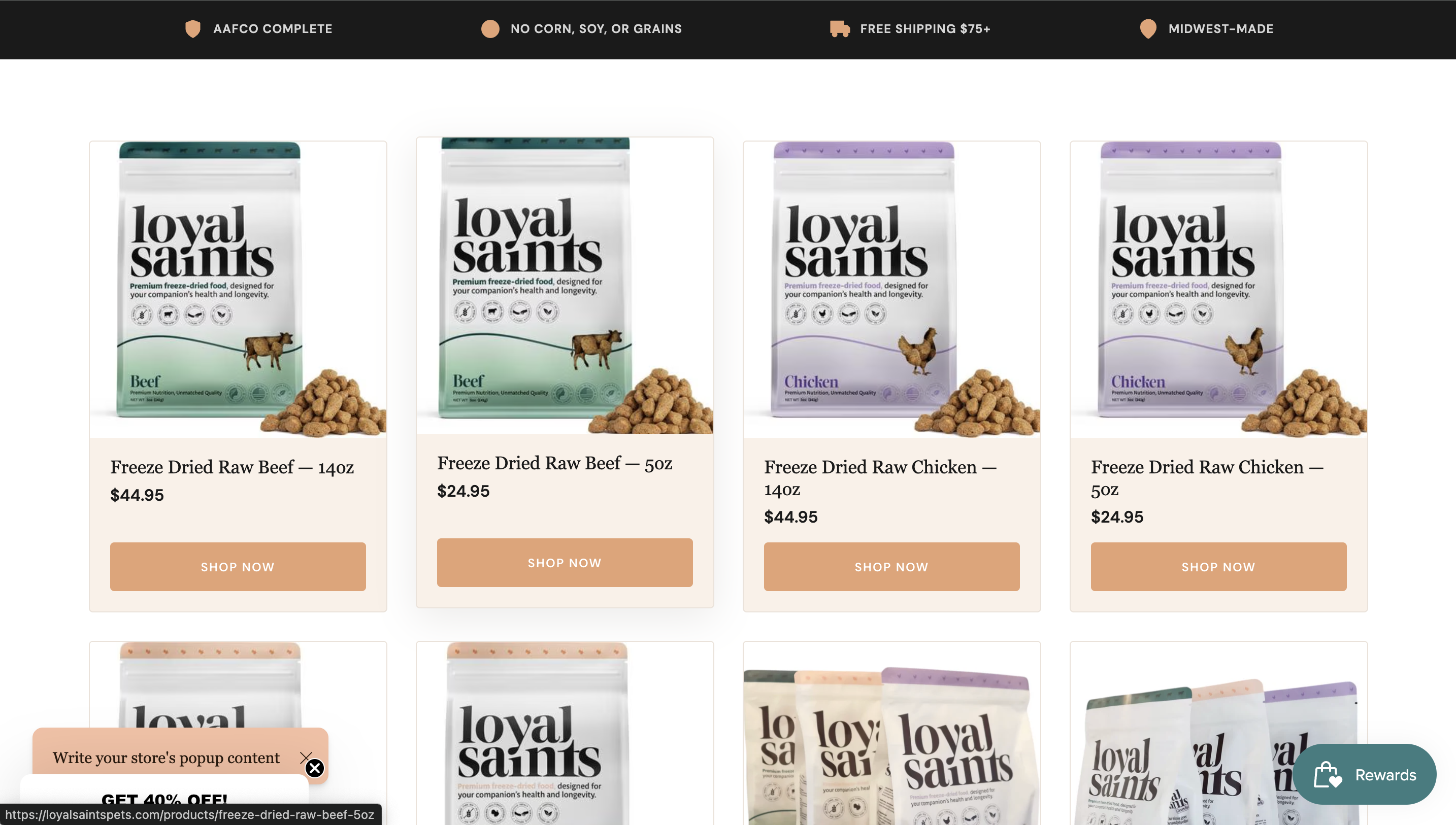
The freeze-dried raw chicken and freeze-dried raw beef are made from human-grade, whole ingredients and meet AAFCO nutritional standards. Use them as a meal topper, a training treat, or a protein boost for dogs recovering from muscle loss. Loyalsaintspets products are veterinarian approved and built for dog owners who treat their pets like family. More tail wags are coming.
FAQ
What foods are best for dog muscle growth?
Chicken, beef, eggs, and salmon are the best foods for dog muscle growth because they supply complete essential amino acids and high biological value protein. Organ meats like beef heart and liver add concentrated nutrients that support muscle repair.
How much protein does a dog need for muscle health?
Protein needs vary by age, size, and activity level, but active and senior dogs generally benefit from diets where named animal protein is the first ingredient. Digestibility matters as much as total protein percentage for effective muscle maintenance.
Can omega-3 fatty acids help with dog muscle health?
Yes. Omega-3 fatty acids reduce inflammation and improve mobility, which allows dogs to stay active and use their muscles. Salmon, sardines, and fish oil are the most practical sources for daily supplementation.
Is chicken safe for dogs with allergies?
Chicken is the most common food allergen in dogs, responsible for 34% of food-allergy-driven skin diseases. Dogs with suspected chicken allergies should be rotated to novel proteins like duck, venison, or salmon while monitoring for symptom improvement.
What exercises support dog muscle health alongside diet?
Sit-to-stand repetitions, incline walking, and balance disc work are veterinarian-recommended exercises that build strength and stability. Pairing these movements with a high-protein diet produces better muscle results than nutrition alone.


