
Does your dog turn their nose up at mealtime, leaving you frustrated and worried? You’re not alone. Picky eating affects countless dogs, but the solution often lies in understanding what makes food appealing and choosing premium, natural options that align with your pet’s nutritional needs. This guide offers practical, vet-backed strategies to transform your picky eater into an enthusiastic diner through smart food choices and proven feeding techniques.
Table of Contents
- Understanding What Makes Dog Food Appealing To Picky Eaters
- Top Vet-Recommended Dog Food Options For Picky Eaters
- How To Successfully Implement Feeding Strategies For Picky Dogs
- Comparing Feeding Options And Selecting The Right Plan For Your Dog
- Explore Premium Natural Dog Foods To Please Picky Eaters
- FAQ
Key takeaways
| Point | Details |
|---|---|
| Food appeal factors | Aroma, texture, and fat content significantly influence whether dogs accept their meals. |
| Feeding consistency | Scheduled meal times and calm environments help establish healthy eating habits. |
| Natural options | Vet-recommended, AAFCO-compliant foods with whole ingredients support long-term health. |
| Variety matters | Rotating flavors and adding toppers prevents taste fatigue and maintains interest. |
| Health monitoring | Sudden appetite changes warrant veterinary consultation to rule out underlying issues. |
Understanding what makes dog food appealing to picky eaters
Your dog’s food preferences aren’t random. Dogs prefer foods with higher fat content and softer textures that release stronger aromas. These sensory cues trigger appetite and signal nutritional value to your pet’s brain.
Texture plays a crucial role in acceptance. Soft, moist foods typically win over dry kibble because they’re easier to chew and release more appealing scents. The aroma itself acts as the primary attractant, often determining whether your dog even approaches their bowl.
Nutritional density must match your dog’s life stage for optimal health. Puppies need different protein and fat ratios than senior dogs, and picky eaters benefit from foods tailored to their specific requirements. Understanding these preferences helps you select foods your dog will actually eat.
Consider these appeal factors when evaluating options:
- Strong, natural meat aromas that stimulate appetite
- Moisture content above 10% for enhanced palatability
- Protein sources your dog historically enjoyed
- Texture appropriate for your dog’s age and dental health
Pro Tip: Warm wet food slightly before serving to intensify aromas and make it more enticing to picky eaters.
Veterinarians can identify the optimal diet for your dog’s unique needs. Consulting with your vet ensures you’re addressing nutritional requirements while accommodating preferences, creating a balanced nutrition plan that supports vitality and longevity.
Top vet-recommended dog food options for picky eaters
Choosing the right food type dramatically impacts your picky dog’s willingness to eat. Each category offers distinct advantages depending on your pet’s preferences and your lifestyle constraints.
Dry foods provide complete, balanced nutrition with extended shelf life. Eukanuba Premium Performance offers enhanced palatability specifically formulated for selective eaters. The crunchy texture also supports dental health, though some picky dogs find it less appealing than moist alternatives.
Wet and fresh foods excel at enticing reluctant eaters. Nulo Gently-Cooked Beef and JustFoodForDogs deliver moisture and intense aromas that stimulate appetite. These options mimic homemade meals while meeting veterinary nutritional standards, though they cost more and require refrigeration.

Toppers and mixers transform ordinary meals into flavor adventures. Freeze-dried mixers boost palatability by adding concentrated meat flavors without changing your dog’s base diet. This approach lets you enhance nutrition gradually while monitoring acceptance.
| Food Type | Best For | Key Benefit | Consideration |
|---|---|---|---|
| Dry kibble | Budget-conscious owners | Dental health, convenience | Lower moisture content |
| Wet/canned | Aroma-sensitive dogs | High palatability | Requires refrigeration |
| Fresh cooked | Maximum nutrition seekers | Premium ingredients | Higher cost |
| Freeze-dried | Convenience plus quality | Natural flavor, easy storage | May need rehydration |
| Toppers | Gradual diet changes | Flavor enhancement | Use as supplement only |
Pro Tip: Start with small portions when introducing new foods to avoid overwhelming your picky eater and wasting premium products.
Explore vet-recommended options that prioritize natural ingredients and meet AAFCO standards. The right combination addresses both nutritional needs and taste preferences, setting the foundation for consistent eating habits.
How to successfully implement feeding strategies for picky dogs
Consistent routines form the backbone of successful feeding practices. Scheduled meals help monitor appetite and identify potential health issues before they escalate. Feed at the same times daily, allowing 20 to 30 minutes for eating before removing the bowl.
Food rotation prevents taste fatigue that plagues many picky eaters. Rotating flavors and textures maintains engagement with meals while ensuring nutritional variety. Switch proteins weekly or introduce different preparation methods to keep your dog interested without causing digestive upset.
Proper storage preserves food quality and safety. Refrigerate wet food immediately after opening and discard any portion left at room temperature beyond 30 minutes on the second offering. This prevents bacterial growth while teaching your dog that meals have time limits.
Implement these proven feeding strategies:
- Establish fixed meal times morning and evening
- Remove uneaten food after 20 to 30 minutes
- Avoid feeding table scraps that encourage holding out
- Create a quiet, distraction-free eating space
- Monitor portion sizes to prevent overfeeding
Watch for warning signs requiring veterinary attention:
- Sudden, complete food refusal lasting over 24 hours
- Weight loss exceeding 10% of body weight
- Vomiting or diarrhea accompanying appetite changes
- Lethargy or behavioral changes beyond pickiness
Your feeding environment matters as much as food quality. Minimize noise and activity during meals, and consider separating multiple pets if competition creates stress. Some dogs eat better from elevated bowls or specific dish materials.
Balance homemade and commercial options when supplementing to ensure complete nutrition. While homemade additions add variety, they shouldn’t replace formulated diets without veterinary guidance to avoid nutritional imbalances.
Comparing feeding options and selecting the right plan for your dog
Selecting the optimal feeding approach requires understanding how each option aligns with your dog’s health status, preferences, and your practical constraints. No single solution works for every picky eater.
Dry kibble offers convenience and dental benefits but may lack the sensory appeal picky dogs crave. It stores easily and costs less per serving, making it ideal for budget-conscious owners whose dogs accept this texture. However, senior dogs or those with dental issues may struggle with harder formulas.
Wet food delivers the moisture and aroma that entice reluctant eaters most effectively. The soft texture suits dogs with dental sensitivity, and the intense smell stimulates appetite even in highly selective pets. The tradeoff comes in higher costs and shorter shelf life once opened.
Fresh cooked diets represent the premium tier of dog nutrition. These veterinarian-recommended options use human-grade ingredients prepared specifically for canine needs. Clinical studies show specialized diets can improve health outcomes over months, though they require more planning and investment.
Toppers bridge the gap between standard kibble and premium fresh foods. Adding freeze-dried meat or vegetable enhancers boosts flavor without completely changing your dog’s diet. This gradual approach works well for extremely picky eaters who resist sudden transitions.
| Option | Palatability | Convenience | Cost | Best Scenario |
|---|---|---|---|---|
| Dry kibble | Moderate | Highest | Lowest | Healthy dogs accepting this texture |
| Wet/canned | High | Moderate | Moderate | Dogs needing aroma stimulation |
| Fresh cooked | Highest | Low | Highest | Premium nutrition seekers |
| Freeze-dried | High | High | Moderate to high | Balance of quality and convenience |
| Toppers only | Variable | Highest | Low to moderate | Enhancing existing acceptable diet |
Pro Tip: Combine feeding methods strategically, such as using dry kibble as the base with wet food or toppers mixed in for maximum value and appeal.
Your dog’s individual response determines the best choice. Monitor eating patterns, stool quality, energy levels, and coat condition over two to four weeks when transitioning. Adjust based on results rather than assumptions.
Consider your lifestyle honestly. Fresh diets require preparation time and refrigeration. Busy schedules may make freeze-dried options more sustainable long-term despite higher upfront costs. The best diet is one you’ll consistently provide.
Explore premium natural dog foods to please picky eaters
Transforming your picky eater’s mealtime starts with choosing foods that prioritize natural ingredients and proven nutritional standards. Loyal Saints offers freeze-dried meals crafted from human-grade proteins, fruits, and vegetables that appeal to even the most selective dogs.
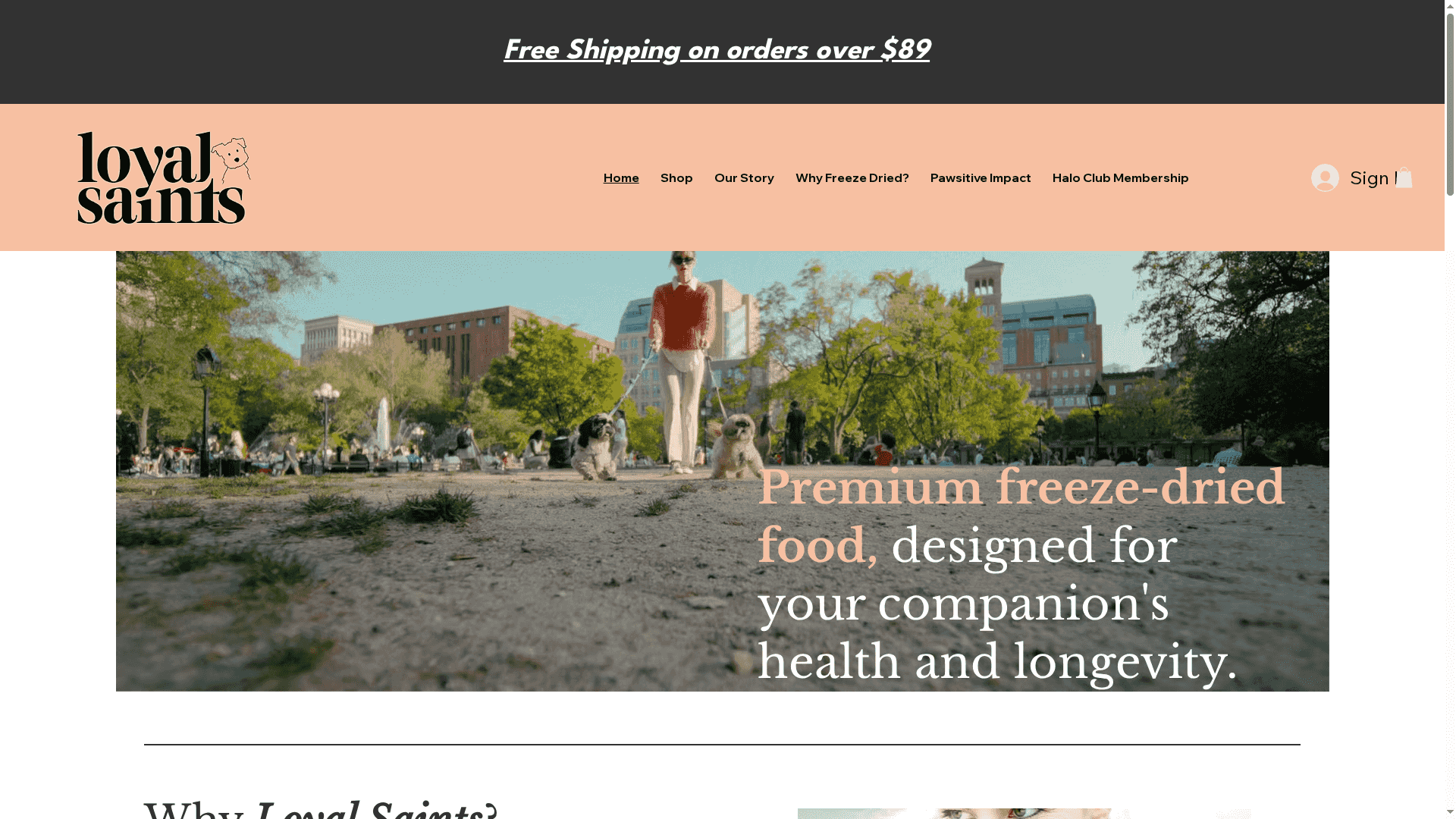
Our formulas are made to AAFCO All Life Stages profiles while delivering the intense flavors and aromas picky eaters crave. Freeze-dried preparation preserves nutrients without artificial additives, giving you confidence in every bowl. Discover the benefits of freeze-dried nutrition that supports vitality and longevity.
Add variety with our premium toppers that transform ordinary meals into exciting dining experiences. These concentrated flavor boosters work with any base diet, letting you enhance nutrition gradually. Shop our complete selection of natural, minimally processed foods designed for dogs you consider family.
FAQ
How can I tell if my dog’s picky eating is a health issue?
Sudden food refusal, weight loss, vomiting, or diarrhea signal potential health problems requiring veterinary attention. Simple pickiness involves selective eating without other symptoms, while medical issues cause dramatic appetite changes or physical symptoms. Schedule a vet visit if your dog refuses all food for 24 hours or shows additional concerning signs.
What are the benefits of using food toppers for picky dogs?
Toppers enhance aroma and flavor, increasing palatability without completely changing your dog’s diet. They let you boost nutrition gradually while maintaining a familiar base food your dog tolerates. This approach costs less than switching to premium foods entirely and reduces digestive upset from sudden diet changes.
How often should I rotate my dog’s food flavors and textures?
Rotate flavors weekly or biweekly to prevent taste fatigue and maintain mealtime interest. Monitor your dog’s response to each protein source and texture, then adjust rotation frequency based on their preferences. Some dogs thrive on variety while others prefer consistency, so observe individual reactions over several weeks.
Can I mix wet and dry food for my picky dog?
Mixing wet and dry food combines the convenience of kibble with the palatability of moist food effectively. Start with a 75% dry to 25% wet ratio and adjust based on your dog’s acceptance and stool consistency. This combination often satisfies picky eaters while controlling costs and providing balanced nutrition from both sources.
Should I warm my dog’s food to make it more appealing?
Warming food to slightly above room temperature intensifies aromas that stimulate appetite in picky dogs. Heat wet or fresh food for 10 to 15 seconds in the microwave, then stir thoroughly to eliminate hot spots. Never serve food hot enough to burn your dog’s mouth, and test temperature with your finger before offering.


