
TL;DR:
- Antioxidant-rich dog foods include whole fruits, vegetables, and vitamins that support immune function and cellular repair. These foods should meet AAFCO standards and feature ingredients like blueberries, spinach, and carrots listed by name. Properly matched to a dog’s life stage, such diets enhance health through balanced antioxidant intake and optional natural add-ons like freeze-dried formulas.
Antioxidant-rich dog foods are diets formulated to include high levels of natural antioxidants that help reduce oxidative stress and support your dog’s overall health. In veterinary nutrition, these foods fall under the broader category of functional nutrition, meaning the ingredients do more than meet basic caloric needs. The right antioxidant profile supports immune function, cellular repair, and long-term vitality. Meeting AAFCO nutritional standards is the baseline, but the best options go further by including whole food sources of vitamins C, E, and carotenoids.
1. What are the top antioxidant ingredients in dog food?
The most effective antioxidants in dog food come from whole fruits, vegetables, and specific vitamins. Vitamins C and E act as primary antioxidants in dog food formulations, neutralizing free radicals before they damage cells. Carotenoids, found in orange and yellow vegetables, add another layer of protection. Natural herbal sources like rosemary also contribute antioxidant activity without synthetic additives.
Antioxidant-rich fruits
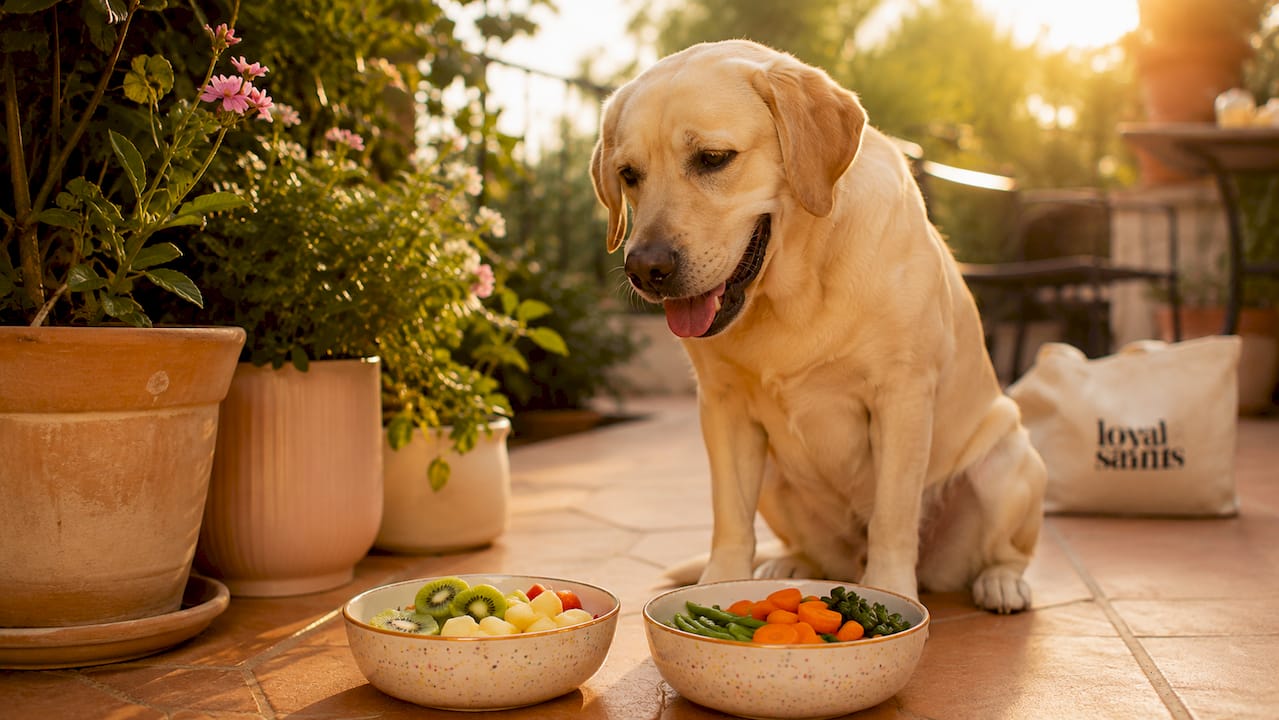
Blueberries, blackberries, raspberries, and strawberries are the top antioxidant fruits safe for dogs. These berries contain anthocyanins, the pigments that give them their deep color and that actively combat oxidative damage in your dog’s cells. A small handful of blueberries added to your dog’s bowl delivers measurable antioxidant support. You will find these fruits listed in premium dog food ingredient panels as whole food additions, not just flavoring.
Antioxidant-rich vegetables
Cooked yellow squash, carrots, sweet potatoes, steamed broccoli, spinach, kale, and green beans all offer meaningful antioxidant benefits for dogs. These vegetables are rich in carotenoids, vitamins, and minerals that support cellular health. Sweet potatoes and carrots are especially high in beta-carotene, which converts to vitamin A in the body. Spinach and kale deliver both vitamin C and vitamin E in a single ingredient.
Pro Tip: Look for dog foods that list whole vegetables like sweet potato or spinach in the first five ingredients. That placement signals a meaningful quantity, not just a trace amount added for marketing purposes.
2. How to identify high-quality antioxidant dog food formulas
Reputable antioxidant-rich dog foods are developed by board-certified veterinary nutritionists and carry AAFCO nutritional adequacy statements. That statement on the label tells you the food meets minimum standards for your dog’s life stage. Without it, you cannot confirm the antioxidant content is balanced with the rest of the diet. Quality matters more than marketing language.
The best formulas share several clear characteristics:
- Whole food antioxidant sources: Ingredients like blueberries, carrots, and spinach appear by name, not as generic “fruit extract.”
- Named protein sources: Salmon, chicken, or beef listed first, not “meat meal” or “animal by-products.”
- No artificial preservatives: Natural antioxidants like vitamin E (listed as mixed tocopherols) replace synthetic BHA or BHT.
- AAFCO statement: Confirms the formula is complete and balanced for a specific life stage.
- Veterinary nutritionist involvement: Look for this on the brand’s website or packaging.
Freeze-dried raw formulas are worth special attention. A salmon-based formula with spinach, fennel, asparagus, and tomato delivers natural antioxidants plus omega-3 fatty acids in a format that is gentle on digestion. The freeze-drying process preserves heat-sensitive vitamins that cooking destroys. That makes freeze-dried options one of the most nutrient-dense dog foods available today.
3. How to choose dog food with antioxidants for your dog’s life stage
There is no single best antioxidant-rich food for all dogs. The right choice depends on your dog’s life stage, activity level, and health status. A puppy building its immune system has different antioxidant needs than a senior dog managing joint inflammation. Matching the formula to your dog’s profile is the most important step you can take.
Puppies
Puppies need antioxidants that support rapid cellular growth and immune system development. Vitamin E is especially important during this stage because it protects developing tissues. Choose a formula labeled “for growth” or “for all life stages” with an AAFCO adequacy statement. Avoid high-dose antioxidant supplements at this stage without veterinary guidance.
Adult dogs
Adult dogs between 1 and 2 years old, depending on breed size, transition into maintenance nutrition. Their antioxidant needs stabilize, but consistent daily intake from whole food sources still matters. A diet with blueberries, sweet potatoes, and named protein sources covers most adult dogs well. Active or working dogs may benefit from formulas with higher vitamin E levels to offset exercise-related oxidative stress.
Senior dogs
Senior dogs benefit most from increased antioxidant support. Aging cells produce more free radicals, and the body’s natural antioxidant defenses weaken over time. Formulas with added vitamin C, vitamin E, and carotenoids help manage this shift. Joint-supporting ingredients like omega-3 fatty acids pair well with antioxidants in senior-specific formulas.
Pro Tip: Ask your veterinarian to review the AAFCO nutritional adequacy statement on your dog’s current food. That one label check tells you whether the antioxidant content is part of a complete diet or just a marketing addition.
The American Veterinary Medical Association recommends matching nutrition to life stage as the foundation of any feeding plan. Antioxidants work best when they are part of a complete, balanced diet rather than isolated additions. Reading AAFCO protein standards alongside antioxidant content gives you the full picture.
4. Budget-friendly ways to add antioxidants to your dog’s diet
You do not need to overhaul your dog’s entire diet to increase antioxidant intake. Plain carrots, pumpkin, apples without seeds, and berries are safe, affordable antioxidant sources you can add as toppers or treats. These whole foods cost very little and deliver real nutritional value. They work especially well for dog owners who feed a base kibble and want to add natural nutrition without switching foods entirely.
Here are the most practical options to consider:
- Carrots: Raw or cooked, they are high in beta-carotene and safe for most dogs. Offer as a treat or chop into meals.
- Pumpkin: Plain canned pumpkin (not pie filling) adds antioxidants and fiber. A tablespoon per meal works well for most medium-sized dogs.
- Blueberries: Fresh or frozen, these are one of the highest antioxidant foods safe for dogs. Use as training treats or meal toppers.
- Spinach: A small amount of cooked spinach adds vitamins C, E, and K. Avoid large quantities for dogs with kidney concerns.
- Apples: Remove seeds and core first. Apples provide vitamin C and quercetin, a natural antioxidant compound.
Introduce any new food gradually over 5–7 days. Start with a small amount and watch for digestive changes like loose stool or gas. Dogs with food sensitivities need extra care during this process. If your dog has a known allergy or chronic condition, check with your veterinarian before adding new ingredients.
Antioxidant-rich food toppers also work well for picky eaters. A freeze-dried protein topper with added vegetables gives your dog concentrated nutrition without requiring a full diet change. This approach lets you boost your dog’s antioxidant intake without disrupting a diet that is already working.
Key Takeaways
Antioxidant-rich dog foods work best when they combine whole food sources of vitamins C and E, carotenoids, and anthocyanins within a complete, AAFCO-compliant diet matched to your dog’s life stage.
| Point | Details |
|---|---|
| Whole food sources matter | Choose foods listing blueberries, spinach, or sweet potato by name in the ingredient panel. |
| Life stage determines needs | Puppies, adults, and seniors each require different antioxidant levels and formulas. |
| AAFCO statement is non-negotiable | Always confirm the food carries an AAFCO nutritional adequacy statement before buying. |
| Budget additions work | Plain carrots, pumpkin, and berries are safe, affordable ways to increase antioxidant intake. |
| Freeze-dried preserves nutrients | Freeze-drying retains heat-sensitive vitamins that cooking destroys, making it a top format for antioxidant delivery. |
Why I think most dog owners are looking at antioxidants the wrong way
Most dog owners I talk to focus on finding the single “best” antioxidant ingredient. They read that blueberries are powerful, so they add blueberries. They hear that vitamin E is important, so they buy a supplement. That approach misses the point entirely.
Antioxidants do not work in isolation. Long-term canine health benefits depend on balanced diets where antioxidants complement other nutrients rather than stand alone. A dog eating a low-quality kibble with a blueberry topper is still eating a low-quality diet. The foundation has to be right first.
The other mistake I see constantly is trusting marketing language over label reading. Veterinarians caution against relying on antioxidant marketing claims without confirming the nutritional backing. Words like “antioxidant-rich” or “superfood formula” on a bag mean nothing without an AAFCO statement and a real ingredient list to back them up. I have seen bags with “blueberry” in the name that list blueberries as the 28th ingredient.
My honest recommendation is to start with the AAFCO statement, then look at the first five ingredients, then check for named antioxidant sources like specific fruits and vegetables. If all three boxes are checked, you have a genuinely good option. Then you can think about toppers and extras. That order of operations changes everything. You can learn more about how antioxidants support immunity to build a smarter feeding plan from the ground up.
— Kristina
Natural antioxidant nutrition from Loyalsaintspets
Loyalsaintspets freeze-dried raw dog food delivers antioxidant nutrition the way nature intended: through whole, minimally processed ingredients with no fillers or artificial additives.
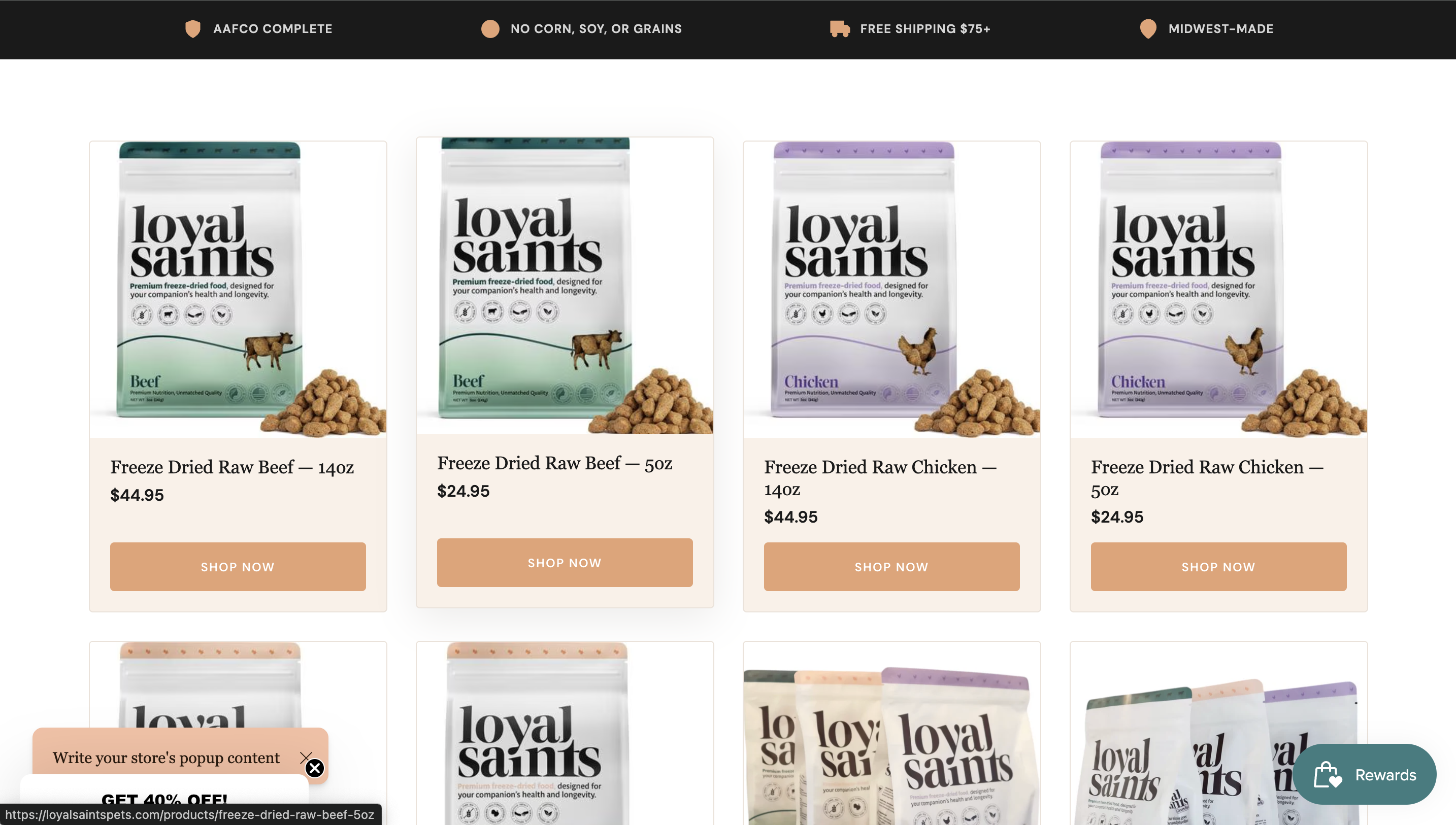
The freeze-dried raw chicken and freeze-dried raw beef options from Loyalsaintspets use human-grade proteins paired with vegetable blends that retain their natural vitamin content. Freeze-drying preserves heat-sensitive antioxidants that cooking destroys, so your dog gets the full nutritional benefit of every ingredient. These formulas meet AAFCO standards, giving you confidence that antioxidant content is part of a complete, balanced diet. Free shipping is available on qualifying orders, making premium nutrition easy to access for every dog owner who wants more tail wags and healthier years ahead.
FAQ
What makes a dog food antioxidant-rich?
A dog food is antioxidant-rich when it contains meaningful quantities of whole food ingredients like blueberries, spinach, sweet potatoes, and vitamins C and E. The ingredient panel should list these by name, and the food should carry an AAFCO nutritional adequacy statement.
Are antioxidants safe for all dogs?
Antioxidants from whole food sources are safe for most dogs when included as part of a balanced diet. Dogs with specific health conditions, such as kidney disease, should have their diet reviewed by a veterinarian before adding high-antioxidant foods like spinach.
How do antioxidants help senior dogs specifically?
Senior dogs produce more free radicals as they age, and their natural antioxidant defenses weaken. Formulas with added vitamins C and E, carotenoids, and omega-3 fatty acids help offset this shift and support joint and immune health.
Can I add antioxidants to my dog’s current food?
Plain carrots, pumpkin, blueberries, and apples without seeds are safe additions to most dogs’ diets. Introduce any new food gradually over 5–7 days and monitor for digestive changes before making it a regular part of the meal.
Does freeze-drying preserve antioxidants in dog food?
Freeze-drying preserves heat-sensitive vitamins and antioxidants that cooking destroys. This makes freeze-dried raw formats one of the most nutrient-dense delivery methods for antioxidant nutrition in dog food.


