
TL;DR:
- Freeze-dried dog food preserves nutrients by removing almost all moisture through sublimation, making it highly nutritious and minimally processed. It should be labeled as “complete and balanced” by the AAFCO and handled using safety protocols like rehydration and proper storage to ensure your dog’s health. Starting as a topper before transitioning to a full diet is recommended, with attention to cost, safety, and your dog’s specific needs.
Freeze-dried dog food is defined as raw meat, organs, and produce with nearly all moisture removed through a process called sublimation, which locks in nutrients without heat damage. When you buy freeze-dried dog food, you are choosing one of the most nutrient-dense, minimally processed options available for your dog. The process preserves proteins, vitamins, and enzymes that traditional cooking destroys. Products that carry an AAFCO “complete and balanced” statement meet the Association of American Feed Control Officials’ nutrient profiles for a full diet. This guide covers how to select, feed, budget for, and safely handle freeze-dried pet food so you can make a confident choice for your dog.
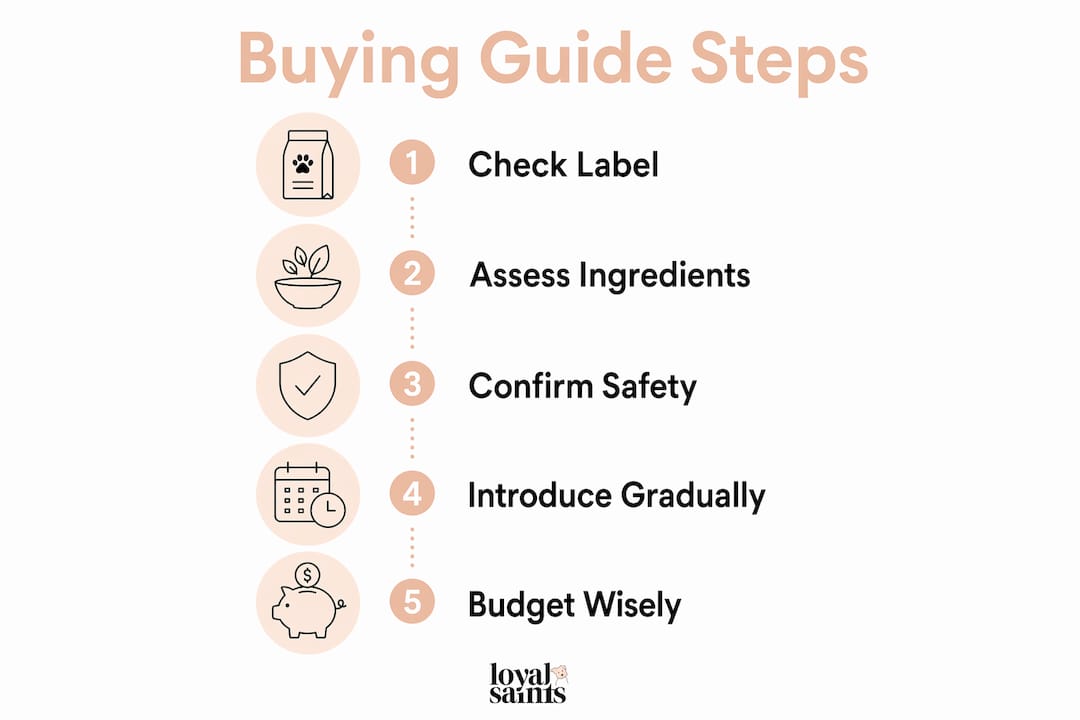
How to evaluate and buy freeze-dried dog food
Selecting the right freeze-dried dog food starts with the label. The AAFCO “complete and balanced” statement is the most important phrase on any bag. Products without this label are legally classified as treats or toppers, not full diets. That distinction matters enormously if you plan to feed freeze-dried food as your dog’s primary meal.

Beyond the label, safety processing is the next factor to check. High-Pressure Processing (HPP) is a cold pasteurization technique that applies up to 87,000 psi to inactivate harmful bacteria without using heat. HPP does not compromise the raw nutrition that makes freeze-dried food valuable. Choosing an HPP-treated product gives you a meaningful safety advantage over untreated options.
Here is what to look for when evaluating any freeze-dried dog food:
- AAFCO statement: Confirms the product meets minimum nutritional requirements for a complete diet.
- HPP certification: Reduces bacterial risk without heat processing.
- Transparent ingredient sourcing: Look for named protein sources like chicken, beef, or salmon, not generic “meat meal.”
- Third-party testing: Brands that publish independent lab results stand behind their safety claims.
- Life-stage suitability: Puppies, adults, and seniors have different nutrient needs. Confirm the product matches your dog’s stage.
- Allergen content: If your dog has known sensitivities, check for common triggers like chicken, dairy, or grains.
- Shelf life: Unopened freeze-dried food stays shelf-stable for 12–24 months without refrigeration, making it practical for bulk buying.
Pro Tip: Always check whether the product is labeled as a “complete diet” or a “topper.” Feeding a topper as a sole diet will leave your dog nutritionally short over time.
Loyalsaintspets formulates its freeze-dried products to meet AAFCO standards using human-grade, whole ingredients with no fillers or artificial additives. That commitment to transparency is exactly what the label-reading process above is designed to reward.
How to safely introduce and feed freeze-dried dog food
Preparation is the step most dog owners skip, and it is the most important one. Freeze-dried food is highly hygroscopic, meaning it aggressively absorbs moisture from whatever it contacts, including your dog’s digestive tract. Feeding it dry can cause dehydration and constipation. Always rehydrate freeze-dried food with water or bone broth before serving.
Follow this transition plan to protect your dog’s digestive system:
- Days 1–2: Replace 25% of your dog’s current food with rehydrated freeze-dried food.
- Days 3–4: Move to a 50/50 split between the new food and the old food.
- Days 5–6: Increase freeze-dried food to 75% of the meal.
- Days 7–10: Complete the transition to a full freeze-dried diet if that is your goal.
Watch for loose stools or reduced appetite during the transition. Both are common and usually resolve within a few days. If symptoms persist beyond day five, slow the transition down.
Portion size depends on your dog’s weight, age, and activity level. Freeze-dried food’s nutrient density means your dog needs smaller portions than with traditional kibble, which helps with weight management when fat content is monitored. Always follow the feeding guide on the package as a starting point, then adjust based on your dog’s body condition score.
Discard any uneaten rehydrated freeze-dried food within one hour of serving. Once rehydrated, the food becomes perishable and can harbor bacterial growth quickly at room temperature.
Pro Tip: Using freeze-dried food as a topper over kibble is a great way to boost palatability and nutrition without committing to the full cost of a freeze-dried diet. Most vets recommend starting as a topper before transitioning to a full diet.
Cost considerations: budgeting for freeze-dried dog food
Freeze-dried pet food costs more than kibble, and understanding why helps you decide where it fits in your budget. Feeding a full freeze-dried diet costs $4–$15 per day depending on your dog’s size, which is 3–5 times more than traditional kibble. Using freeze-dried food as a topper brings that daily cost down to $1–$3. That is a meaningful difference for most households.
| Feeding approach | Estimated daily cost | Best for |
|---|---|---|
| Full freeze-dried diet | $4–$15 | Dogs with allergies, picky eaters, or health conditions |
| Freeze-dried as topper | $1–$3 | Budget-conscious owners wanting a nutrition boost |
| Mixed feeding (kibble + freeze-dried) | $2–$8 | Balancing cost and nutrition quality |
The long-term value argument for freeze-dried food is real. Dogs on high-quality, minimally processed diets often show improvements in coat condition, digestion, and energy levels, which can reduce veterinary costs over time. That said, the upfront price is higher, and you should plan your budget accordingly.
Smart ways to manage the cost:
- Buy in bulk: Larger bag sizes (14oz and above) typically offer a lower cost per ounce than smaller formats.
- Subscribe and save: Many retailers offer subscription discounts of 10–15% on recurring orders.
- Use freeze-dried as a travel food: Its portability and long shelf life make it ideal for trips when refrigeration is not available.
- Mix with kibble: Combining freeze-dried food with a quality kibble stretches your budget while still delivering raw nutrition benefits. Learn more about how these two formats compare in terms of long-term health impact.
For dog owners comparing freeze-dried food against kibble on a nutritional basis, the nutrient density difference is significant enough to justify the price for many households.
Common safety concerns when buying freeze-dried dog food
Freeze-dried food preserves nutrients exceptionally well, but it does not eliminate all risk. Freeze-drying removes moisture but does not kill pathogens like Salmonella, E. coli, or Listeria. This is the most important safety fact any buyer needs to understand before switching to a raw-based freeze-dried diet.
Veterinary experts recommend sourcing freeze-dried dog food exclusively from manufacturers with transparent safety testing and reputable processing standards. HPP treatment and third-party lab verification are the two clearest signals of a trustworthy brand.
Safe handling practices reduce your household’s risk significantly:
- Wash hands thoroughly after handling freeze-dried food and before touching your face or food prep surfaces.
- Use dedicated bowls and utensils for your dog’s meals. Do not share with human kitchenware.
- Store opened bags in a cool, dry place and seal tightly after each use.
- Discard uneaten food within one hour of rehydration to prevent bacterial growth.
- Choose HPP-treated products whenever possible for an added layer of pathogen reduction.
Feeding freeze-dried raw diets is not recommended in homes with infants, elderly individuals, or immunocompromised people. The pathogen risk, while manageable for healthy adults, is higher than with cooked or commercially processed foods.
Some dogs are also poor candidates for a full freeze-dried raw diet. Dogs with pancreatitis, kidney disease, or compromised immune systems need veterinary guidance before any raw-based diet is introduced. Always consult your vet before making a major dietary change, especially if your dog has an existing health condition.
Key Takeaways
Buying freeze-dried dog food safely and effectively requires understanding AAFCO labeling, HPP safety processing, proper rehydration, and realistic cost expectations before making any purchase.
| Point | Details |
|---|---|
| Check the AAFCO label | Only products marked “complete and balanced” qualify as a full diet, not just a topper. |
| Prioritize HPP-treated products | HPP reduces harmful bacteria without heat, making freeze-dried food safer for your dog. |
| Always rehydrate before serving | Feeding freeze-dried food dry risks dehydration and constipation in your dog. |
| Budget with a topper strategy | Using freeze-dried food as a topper costs $1–$3 daily versus $4–$15 for a full diet. |
| Avoid in vulnerable households | Homes with infants, elderly, or immunocompromised individuals should skip raw-based freeze-dried diets. |
What I have learned from years of watching dog owners switch to freeze-dried food
The most common mistake I see is treating freeze-dried food as a plug-and-play replacement for kibble. Dog owners read about the nutrient benefits, order a large bag, and pour it dry into the bowl on day one. Their dog either refuses it, gets constipated, or both. The food itself is not the problem. The preparation and transition process is.
My honest recommendation for most households is to start with freeze-dried food as a topper, not a full diet. This approach gives your dog time to adjust, gives you time to observe how your dog responds, and keeps your grocery bill from spiking overnight. After two or three weeks of consistent topper use, you will have a clear picture of whether a full transition makes sense for your dog and your lifestyle.
The brands worth trusting are the ones that publish their sourcing, their processing methods, and their testing results without being asked. Transparency is not a marketing feature. It is a baseline expectation. If a brand cannot tell you where its protein comes from or whether it uses HPP, that is your answer.
One more thing: please talk to your vet before making a full dietary switch. This is not a formality. Dogs with kidney disease, pancreatitis, or immune conditions need a customized approach, and a good vet will help you build one. The goal is more tail wags and more healthy years, and that starts with the right information.
— Kristina
Premium freeze-dried options from Loyalsaintspets
Dog owners who are ready to take the next step will find exactly what they need at Loyalsaintspets. The product line includes freeze-dried raw chicken (14oz) and freeze-dried raw beef (14oz), both formulated with human-grade, whole ingredients and no fillers. For dog owners who want to sample before committing to a larger bag, the freeze-dried chicken (5oz) is a practical starting point.
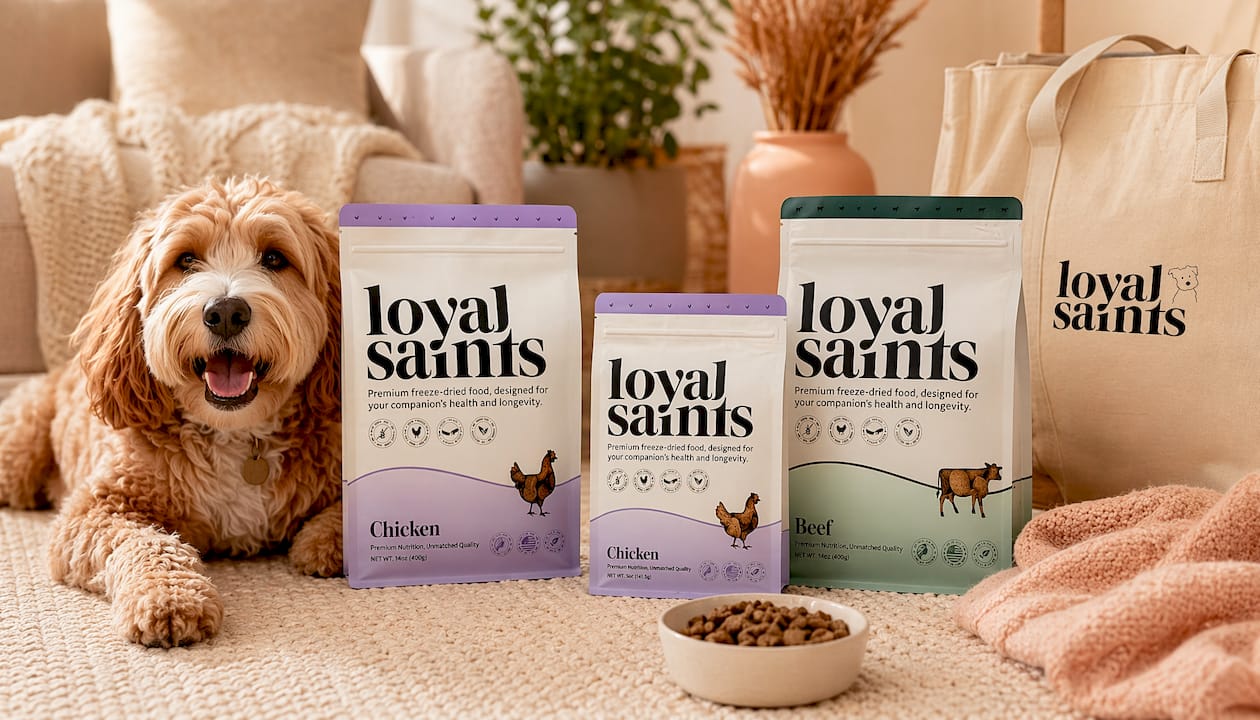
Every Loyalsaintspets product is built around the same principle: your dog deserves food that is as close to nature as possible, with the safety and convenience that fits real life. Free shipping is available on qualifying orders, making it easy to stock up and keep your dog’s meals consistent.
FAQ
What does “complete and balanced” mean on freeze-dried dog food?
The AAFCO “complete and balanced” statement means the product meets minimum nutrient requirements for a full diet. Products without this label are legally classified as treats or toppers and cannot serve as a dog’s sole food source.
Does freeze-dried dog food need to be refrigerated?
Unopened freeze-dried dog food does not require refrigeration and stays shelf-stable for 12–24 months. Once rehydrated, it becomes perishable and should be discarded within one hour if uneaten.
Is freeze-dried dog food safe for all dogs?
Freeze-dried food is safe for most healthy adult dogs when sourced from reputable brands that use HPP processing. Dogs with pancreatitis, kidney disease, or immune conditions should only switch diets under veterinary guidance.
Where can I buy freeze-dried dog food online?
You can buy freeze-dried food for pets directly from Loyalsaintspets, which offers raw chicken and beef options in 5oz and 14oz sizes with free shipping on qualifying orders.
How do I store freeze-dried dog food after opening?
Store opened bags in a cool, dry place and seal them tightly after each use. Keep the product away from moisture, as freeze-dried food absorbs water from the air and will degrade if exposed.


