
TL;DR:
- Natural dog diets focus on whole, minimally processed ingredients to mimic their ancestral nutrition. Properly formulated, they provide essential proteins, fats, minerals, and vitamins necessary for a healthy, long-lived dog. Transitioning safely involves veterinary guidance and a gradual switch to avoid health issues and nutritional deficiencies.
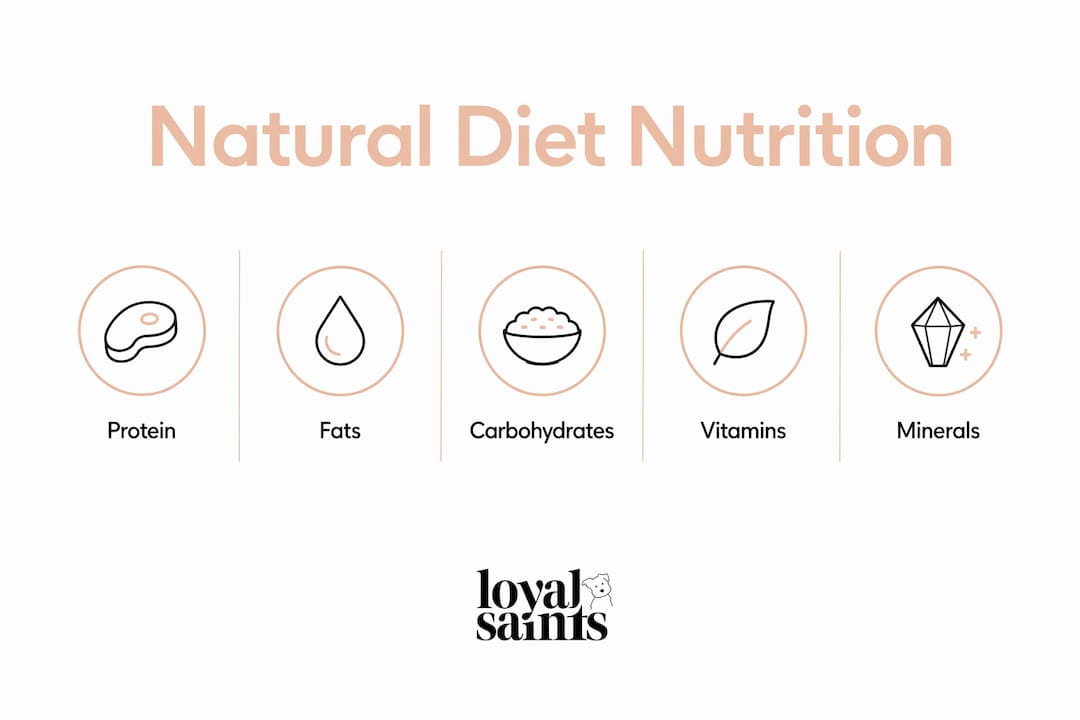
Natural diets for dogs are feeding regimens built on whole, minimally processed ingredients that mirror the ancestral nutrition dogs evolved to eat. Dog owners across the country are moving away from heavily processed commercial kibble and toward real food options: raw meat, cooked whole meals, and freeze-dried alternatives. The shift makes sense when you understand what dogs actually need. Proteins, fats, calcium, phosphorus, omega fatty acids, and key vitamins all play a role in keeping your dog healthy, strong, and living longer. This guide covers what a natural diet really means, how to do it safely, and where freeze-dried options fit into the picture.
What are the key nutritional components of natural diets for dogs?
A natural diet only works when it delivers complete and balanced nutrition. The word “natural” is a marketing term, not a nutritional guarantee. That distinction matters because a diet full of whole ingredients can still leave your dog deficient if the ratios are wrong.
Here is what every natural feeding plan must include:
- Protein and amino acids: Dogs require specific amino acids like methionine and taurine. Muscle meat from chicken, beef, or lamb delivers these. Taurine deficiency has been linked to dilated cardiomyopathy, a serious heart condition.
- Calcium and phosphorus: The calcium-to-phosphorus ratio must stay between 1.1:1 and 1.3:1. Falling outside this range causes nutritional secondary hyperparathyroidism and bone fractures, especially in growing dogs.
- Fats: Omega-3 and omega-6 fatty acids support skin health, coat quality, and inflammation control. Fish, flaxseed, and organ meats are reliable sources.
- Fruits and vegetables: These supply fiber, antioxidants, and micronutrients. Blueberries, carrots, and leafy greens all contribute without adding empty calories.
- Vitamins and minerals: Iron, zinc, vitamin D, and vitamin E must be present in correct amounts. Deficiencies develop slowly and often go unnoticed until serious damage occurs.
Pro Tip: Ask your vet to run a full blood panel every six months when feeding a home-prepared diet. Early deficiencies show up in bloodwork long before your dog shows symptoms.
Nutritional completeness is the goal, not just ingredient quality. A bowl of chicken and rice looks natural but misses most of the minerals your dog needs daily.
What are the common types of natural dog diets?
Dog owners who want to feed more naturally have three main options: raw meat-based diets (RMBD), homemade cooked meals, and freeze-dried raw food. Each has a different nutritional profile, preparation demand, and safety level.
Raw meat-based diets (RMBD)
A balanced raw diet model follows the NRC micronutrient guidelines using 70% muscle meat, 10% raw bone, 5% liver, 5% other organs, and 10% fiber and vegetables. This ratio is designed to balance essential amino acids and maintain the correct calcium-to-phosphorus ratio. Getting it right requires precise sourcing and consistent preparation. A study tracking 104 healthy dogs over 12 months found that RMBD-fed dogs showed lower rates of obesity compared to dogs on commercial diets. That result is promising, but it does not eliminate the safety concerns that come with raw feeding.
Homemade cooked meals
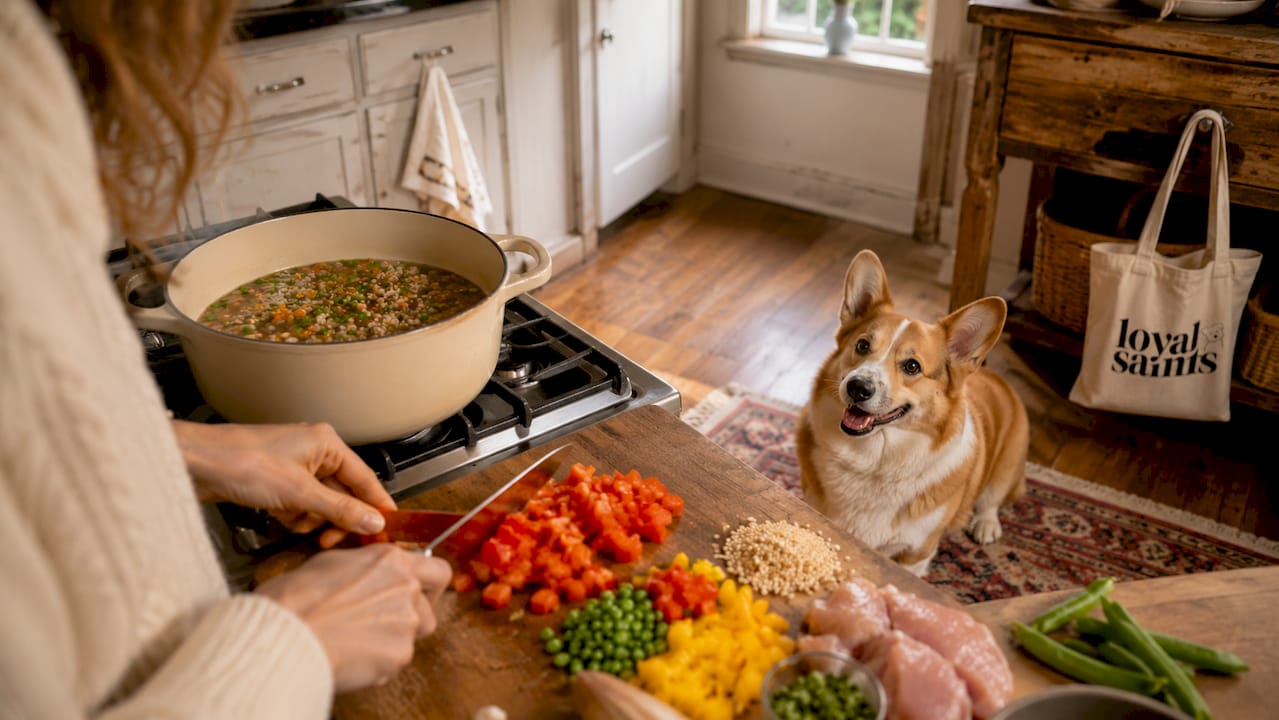
Cooking reduces bacterial risk but introduces a different problem: most recipes found online are nutritionally incomplete. Most homemade recipes lack comprehensive nutrient analysis and fail to meet NRC or AAFCO standards without professional formulation. A board-certified veterinary nutritionist can build a recipe that works for your specific dog’s age, weight, and health status. Without that step, you are guessing at ratios that directly affect your dog’s bones, organs, and lifespan.
Freeze-dried raw food
Freeze-drying removes moisture from raw ingredients at low temperatures, preserving the nutrient profile of whole food while eliminating most bacterial risks. Freeze-dried raw foods provide the convenience and safety benefits that conventional raw feeding cannot match. For dog owners who want the nutritional density of a raw diet without the handling risks, freeze-dried is the most practical middle ground. Products from Loyalsaintspets use human-grade proteins, fruits, and vegetables with no fillers or additives, and they meet AAFCO standards for complete and balanced nutrition.
| Diet type | Nutritional completeness | Bacterial risk | Preparation effort |
|---|---|---|---|
| Raw meat-based | High when properly formulated | High | High |
| Homemade cooked | Variable, often incomplete | Low to moderate | High |
| Freeze-dried raw | High when AAFCO-compliant | Low | Low |
What are the safety risks of natural diets for dogs?
Safety is the part of natural feeding that owners most often underestimate. The risks are real and well-documented by veterinary and regulatory authorities.
The FDA has found high levels of bacterial contamination in raw pet foods, including Salmonella, Listeria, and E. coli. The World Small Animal Veterinary Association (WSAVA) recommends against feeding raw meat-based diets because of these microbial risks. These pathogens do not just threaten your dog. They threaten your household.
“Dogs fed raw diets can shed harmful pathogens in their saliva and stool even when they appear completely healthy. This asymptomatic shedding poses a real infection risk to children, elderly family members, and anyone with a compromised immune system living in the same home.”
The nutritional risks are equally serious. Calcium-phosphorus imbalance in homemade diets leads to orthopedic disorders including fractures and skeletal deformities. These conditions develop gradually, which makes them easy to miss until the damage is significant. Vitamin D toxicity from over-supplementation is another common mistake in home-prepared diets.
Key safety risks to know before switching:
- Salmonella, Listeria, and E. coli contamination in raw meat
- Zoonotic transmission to vulnerable household members
- Calcium-phosphorus imbalance causing bone disease
- Vitamin and mineral deficiencies from unverified recipes
- Over-supplementation leading to toxicity
Homemade and raw diets without professional oversight carry major risks to both nutrition and safety. Commercial diets meeting AAFCO standards are often the safer baseline, especially for owners without access to a veterinary nutritionist.
How can you safely transition your dog to a natural diet?
Switching your dog’s food too quickly causes digestive upset, loose stools, and food refusal. A gradual, supervised transition protects your dog’s gut and gives you time to spot problems early. Here is a practical approach:
- Consult a veterinary nutritionist first. A board-certified expert can assess your dog’s current health, identify any nutritional gaps, and build a diet plan that meets NRC or AAFCO standards. This step is not optional if you are moving to a homemade or raw diet.
- Start with a 10-day transition. Mix 25% new food with 75% current food for the first three days. Move to 50/50 for the next three days. Then 75% new food for three more days. Finish with 100% new food by day ten. The transition to freeze-dried food follows the same gradual approach.
- Use balanced recipes and quality supplements. Do not rely on online recipes without veterinary review. If your dog’s diet lacks a specific mineral, use a vet-approved supplement rather than guessing at food sources.
- Practice safe food handling. Wash all surfaces, bowls, and utensils that contact raw meat. Store raw food separately from human food. Wash your hands thoroughly after every feeding.
- Monitor your dog’s health closely. Watch for changes in stool consistency, energy level, coat quality, and weight. Schedule a vet check at the 30-day and 90-day marks to catch any nutritional shifts early.
Pro Tip: Keep a simple feeding journal for the first 90 days. Note what you fed, how much, and any changes in your dog’s behavior or digestion. This record becomes invaluable at vet appointments.
A natural diet transition done right takes patience. The dogs that thrive on whole-food diets are the ones whose owners took the time to do it properly from the start.
Key Takeaways
Natural diets for dogs deliver real health benefits only when they are nutritionally complete, professionally guided, and prepared with consistent food safety practices.
| Point | Details |
|---|---|
| Balance over “natural” | A diet must meet NRC or AAFCO standards to be safe, regardless of ingredient quality. |
| Calcium-phosphorus ratio | Maintain a 1.1:1 to 1.3:1 ratio to prevent bone disease and orthopedic disorders. |
| Raw diet safety risks | FDA-confirmed pathogens in raw meat pose risks to pets and household members alike. |
| Freeze-dried as a middle ground | Freeze-drying preserves whole-food nutrition while eliminating most bacterial contamination risks. |
| Gradual transition matters | A 10-day stepwise switch prevents digestive upset and gives time to monitor your dog’s response. |
What I’ve learned from watching owners feed “natural” diets
Most dog owners who come to natural feeding do so with the best intentions. They read about ancestral diets, they see their dog’s dull coat or low energy, and they decide processed kibble is the problem. They are often right that something needs to change. Where they go wrong is in thinking that “whole ingredients” automatically means “complete nutrition.”
I have seen dogs fed beautiful, colorful bowls of meat and vegetables who were quietly developing bone loss because the calcium-to-phosphorus ratio was off. The owners had no idea. The dogs looked fine for months. That is the part that keeps me up at night.
My honest opinion: freeze-dried raw food is the most underrated option in natural pet nutrition. Owners who are committed to raw feeding often dismiss it because it does not feel “real enough.” But the science says otherwise. Freeze-drying preserves the nutrient density of whole food while removing the bacterial risks that make raw feeding genuinely dangerous for households with kids or immunocompromised family members. You can read more about raw diet benefits and safety before making your decision.
The other thing I would tell every owner: get a veterinary nutritionist involved before you start, not after something goes wrong. Most problems I see with natural diets are entirely preventable with one professional consultation. Your dog cannot tell you when something is missing from their diet. You have to build that safety net for them.
— Kristina
What Loyalsaintspets offers for natural dog nutrition
Loyalsaintspets was built for dog owners who treat their pets like family and want food that reflects that commitment. Every product uses human-grade proteins, fruits, and vegetables with no fillers, no artificial additives, and no shortcuts.
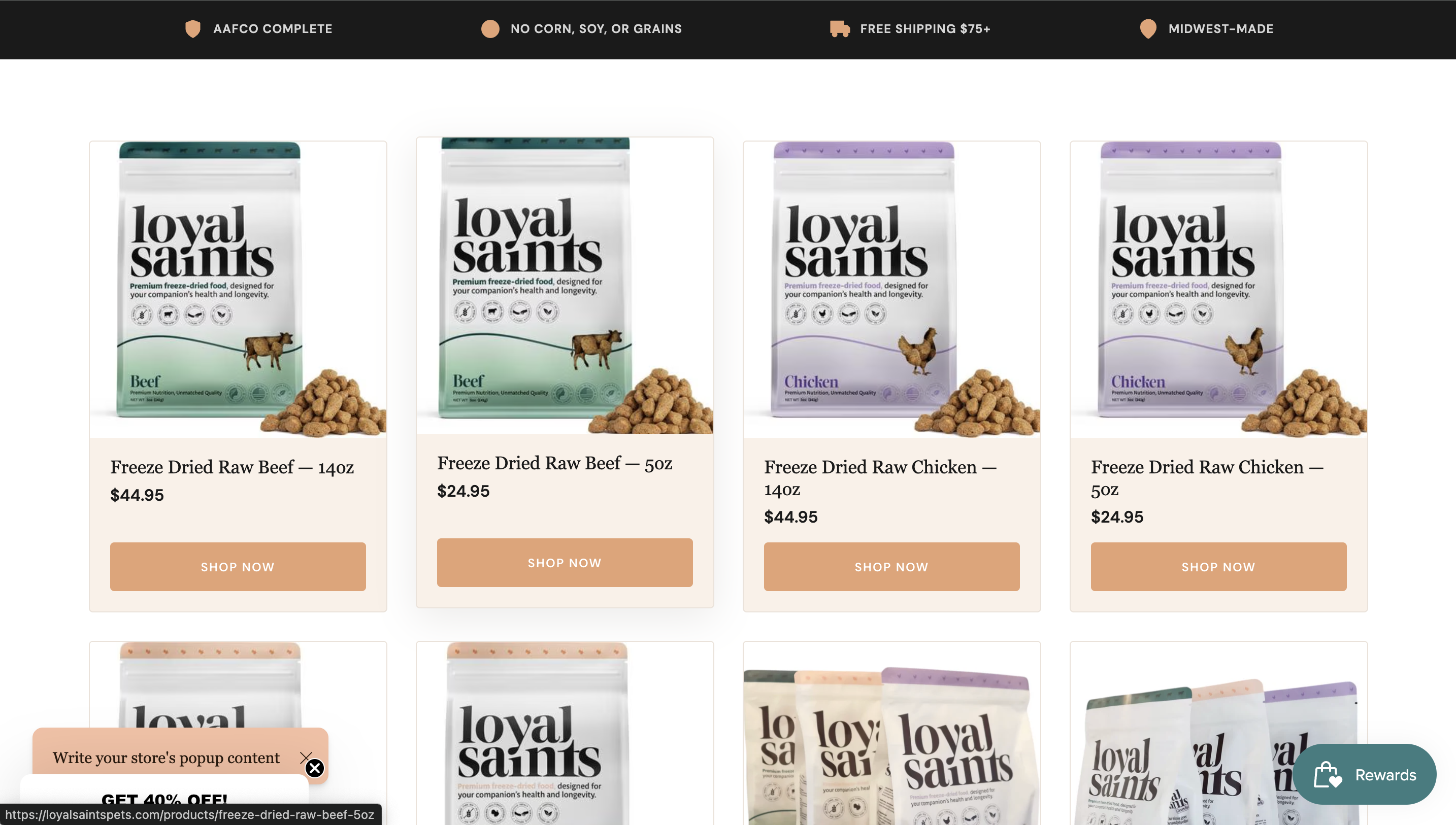
The freeze-dried raw chicken and freeze-dried raw beef options give your dog the whole-food nutrition of a raw diet without the bacterial risks or the prep time. Both meet AAFCO standards for complete and balanced nutrition. If you are ready to feed your dog better without the complexity of home preparation, Loyalsaintspets makes that easy. Free shipping is available on qualifying orders, so getting started costs less than you might expect. Your dog deserves food that works as hard as you do for their health.
FAQ
What does “natural diet” mean for dogs?
A natural diet for dogs is a feeding plan built on whole, minimally processed ingredients like raw or cooked meat, organs, bones, and vegetables. The term “natural” is not a regulated nutritional standard, so the diet must still meet AAFCO or NRC guidelines to be complete and safe.
Is a raw diet safe for dogs?
Raw diets carry confirmed risks from pathogens like Salmonella, Listeria, and E. coli, which can affect both dogs and their owners. The FDA and WSAVA recommend against raw feeding without professional oversight and strict food safety practices.
How do I know if my dog’s natural diet is nutritionally complete?
A board-certified veterinary nutritionist can verify that your dog’s diet meets NRC nutrient requirements. Regular blood panels every six months also help catch deficiencies before they cause visible health problems.
What is freeze-dried dog food and is it truly natural?
Freeze-dried dog food is raw whole food with moisture removed at low temperatures, preserving nutrients while eliminating most bacterial risks. It qualifies as a natural diet option and is significantly safer than conventional raw feeding for most households.
How long does it take to transition a dog to a natural diet?
A safe transition takes approximately 10 days, starting with 25% new food and gradually increasing to 100%. Moving too fast causes digestive upset, so patience during the switch protects your dog’s gut health.


