
TL;DR:
- Maintaining a dog’s health requires a consistent routine of daily care, proper nutrition, and regular veterinary visits. Regular wellness exams, adjusted according to age, help detect health issues early and keep dogs aging healthily. Choosing high-quality, minimally processed food and establishing predictable habits support long-term wellbeing.
The pet health maintenance process is a structured routine of daily feeding, exercise, grooming, and regular veterinary visits designed to keep your dog healthy and prevent disease before it starts. Most dogs thrive when their care follows a consistent schedule that covers nutrition, physical activity, and preventive screenings. Veterinary bodies recommend that adult dogs receive annual wellness exams, while senior dogs aged 7 and older need checkups every six months. Loyalsaintspets builds its entire product line around this philosophy: feed your dog real, whole ingredients and pair that nutrition with a solid daily care routine for a longer, happier life together.
What are the essential components of a daily pet health maintenance routine?
A strong daily routine covers five core areas: nutrition, exercise, grooming, dental care, and health observation. Structured routines reduce stress and support emotional well-being in pets. That means consistency is not just convenient for you. It is an active health tool for your dog.
Nutrition and feeding schedules
Feed your dog at the same times each day. Fixed meal times regulate digestion, help maintain a healthy weight, and make it easier to spot appetite changes early. Choose a food that lists a named protein source as the first ingredient and meets AAFCO nutritional standards for your dog’s life stage.
Exercise and mental stimulation
Most dogs need 30–60 minutes of daily activity that combines physical movement with mental engagement. A brisk walk covers the physical side. Puzzle feeders, scent games, and training sessions cover the mental side. Skipping mental stimulation is one of the most common gaps in canine health maintenance.
Grooming and dental hygiene
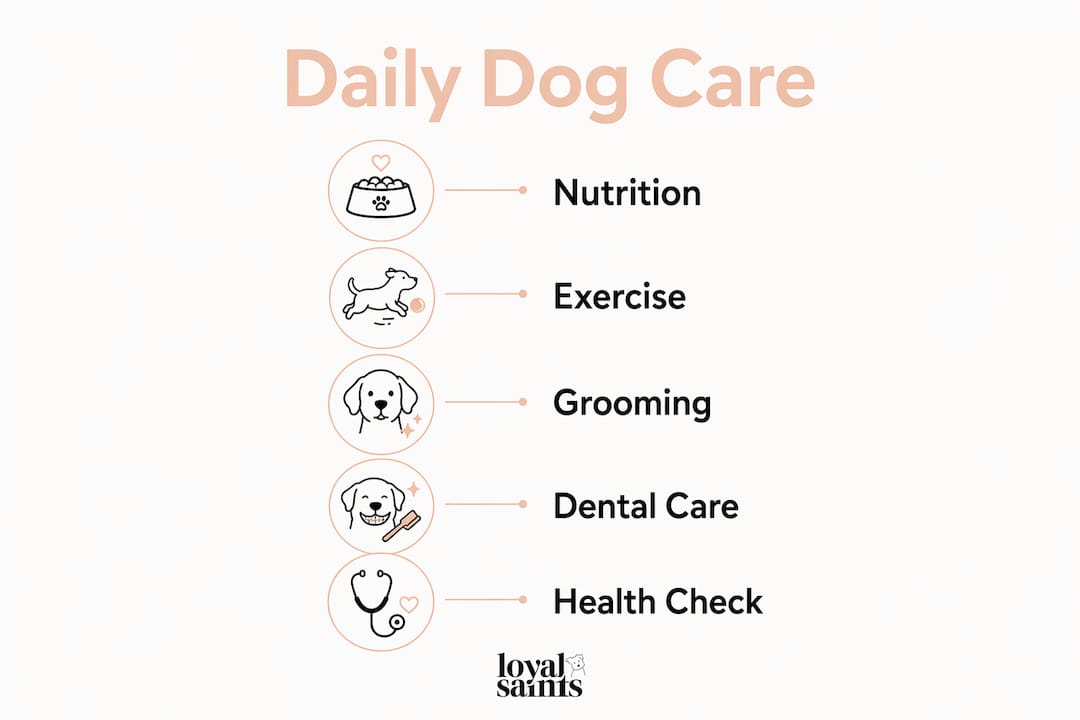
Brush your dog’s coat several times a week to prevent matting and catch skin issues early. Daily brushing with pet-specific toothpaste prevents gum disease and plaque buildup. Human toothpaste is toxic to dogs, so never substitute it. Trim nails monthly and clean ears weekly to prevent infections.
Daily health observation
Spend two minutes each day scanning your dog for changes. Look at the eyes, coat, gums, and energy level. Early detection of lumps, limping, or behavioral shifts can mean the difference between a simple vet visit and a costly treatment.
- Fixed feeding times twice daily
- 30–60 minutes of combined physical and mental activity
- Coat brushing several times per week
- Daily tooth brushing with dog-safe toothpaste
- Monthly nail trims and weekly ear checks
- Monthly flea, tick, and heartworm prevention
Pro Tip: Set a phone reminder for your dog’s daily tooth brushing. Most owners skip it not out of neglect but because it is easy to forget. Two minutes a day prevents dental disease, which is one of the most common and expensive conditions vets treat.
How often should dogs receive veterinary wellness exams?
Vet visit frequency depends entirely on your dog’s age. Puppies need checkups every 3–4 weeks until they reach 16 weeks old. Adult dogs between 1 and 7 years need annual exams. Senior dogs aged 7 and older require visits every six months because their health can change rapidly.
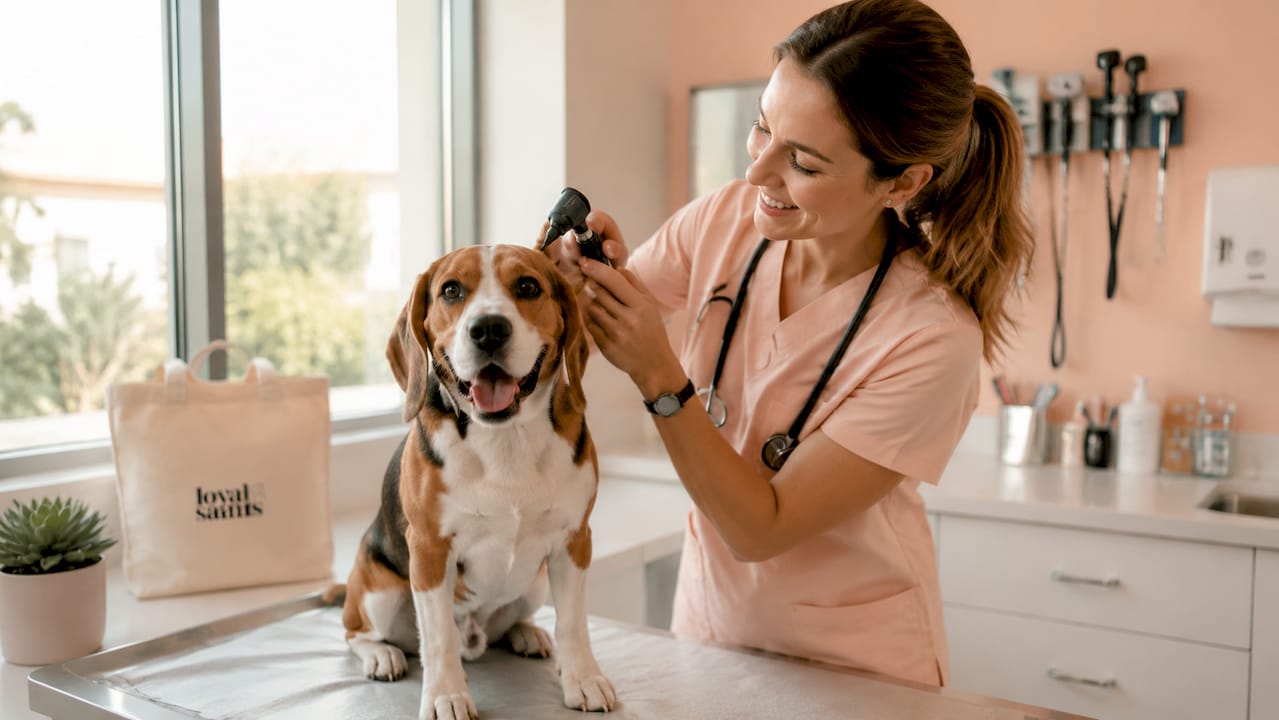
The reason senior dogs need more frequent care is straightforward. Six months in pet years roughly equals two human years for an older dog. A lot can change in that window, especially for breeds prone to joint disease, heart conditions, or kidney problems.
What a nose-to-tail wellness exam covers
A comprehensive wellness exam covers eyes, ears, teeth, skin, heart, lungs, lymph nodes, abdomen, joints, and weight. The vet also reviews vaccination status, parasite prevention, and nutritional needs. Bloodwork, urinalysis, and fecal testing are added based on age and risk factors.
| Life stage | Age range | Recommended visit frequency |
|---|---|---|
| Puppy | 0–16 weeks | Every 3–4 weeks |
| Adult | 1–7 years | Once per year |
| Senior | 7+ years | Twice per year |
The most underrated benefit of regular wellness exams is baseline data. Tracking health trends over multiple visits allows your vet to catch subtle changes before symptoms appear. A single visit tells you how your dog looks today. A series of visits tells you how your dog is aging.
Pro Tip: Ask your vet to record your dog’s weight, blood pressure, and bloodwork values at every visit. Keep a personal copy. Trends in those numbers over two or three years are far more informative than any single reading.
What nutritional strategies support optimal dog health?
Nutrition is the foundation of every animal healthcare practice. The food your dog eats every day either supports or undermines every other part of their care routine. Choosing quality food means reading the ingredient list, not just the marketing on the front of the bag.
What to look for in quality dog food
- A named protein source (chicken, beef, salmon) listed first
- No artificial preservatives, colors, or flavor enhancers
- AAFCO statement confirming the food is complete and balanced
- Appropriate formulation for your dog’s life stage (puppy, adult, senior)
- Whole food ingredients you can recognize
What to avoid
- Generic “meat meal” or “animal by-products” as the primary protein
- Corn syrup or added sugars
- Artificial dyes like Red 40 or Yellow 5
- Excessive fillers that dilute nutritional value
Freeze-dried raw food is one of the most nutritionally dense options available. The freeze-drying process removes moisture without heat, which preserves proteins, enzymes, and nutrients that cooking destroys. For dog owners who want the benefits of a raw diet without the preparation time, freeze-dried options offer a practical middle ground. Loyalsaintspets formulates its freeze-dried products from human-grade proteins, fruits, and vegetables with no additives or fillers, meeting AAFCO standards for complete nutrition.
Hydration matters as much as food quality. Dogs on dry kibble diets often consume less water than they need. Adding water to meals or incorporating moisture-rich foods supports kidney function and digestion. Always consult your vet before making significant diet changes, especially for dogs managing allergies or chronic conditions. For practical guidance on selecting premium pet food, the ingredient-first approach is the most reliable starting point.
How can you build a consistent pet wellness routine?
Consistency in daily routines is a powerful health intervention that lowers anxiety and reduces stress-related conditions in dogs. Building that consistency does not require a complicated system. It requires a few fixed habits repeated daily.
Follow these steps to build a routine that sticks:
- Set fixed meal times. Feed your dog at the same time morning and evening. This anchors the rest of the day’s schedule.
- Schedule daily exercise. Block a specific time for walks or play. Morning exercise works well because it burns energy before you leave for work.
- Add a two-minute health scan. Check eyes, gums, coat, and energy level every evening. Note anything unusual in a simple phone note.
- Do weekly grooming checks. Pick one day per week for ear cleaning, coat brushing, and a quick paw inspection.
- Prepare for vet visits in advance. Bring medication lists, stool samples, and behavior notes to every appointment. Prepared owners get more out of every visit.
- Schedule annual or biannual vet appointments at the start of each year. Booking in advance prevents the common mistake of skipping wellness visits when life gets busy.
Mental enrichment belongs in the weekly plan too. Rotate toys, introduce new scent trails in the yard, or teach one new command per month. Dogs that stay mentally active show fewer anxiety-related behaviors and maintain better overall health as they age. For a full breakdown of healthy dog lifestyle habits, building these habits early pays off across your dog’s entire lifespan.
Pro Tip: Track your dog’s weight at home once a month using a bathroom scale. Weigh yourself, then weigh yourself holding your dog, and subtract. Unexpected weight loss or gain is often the first sign of a health issue, and catching it early gives your vet more options.
What are common challenges in maintaining your dog’s health?
Even committed dog owners run into obstacles. Knowing the most common ones helps you plan around them rather than react to them.
- Recognizing urgent symptoms. Pets mask illness well, so owners often wait too long before seeking care. Vomiting more than twice in 24 hours, refusal to eat for more than a day, labored breathing, or sudden lameness all require same-day veterinary attention.
- Grooming resistance. Dogs that resist nail trims or ear cleaning often had negative early experiences. Pair grooming with high-value treats and keep sessions short. Gradual desensitization over two to three weeks works better than forcing compliance.
- Adjusting care for aging dogs. Senior dogs need softer food, shorter but more frequent exercise sessions, and more frequent vet visits. Their joints, kidneys, and cognitive function all change with age. Adjust the routine rather than maintaining the same schedule from their adult years.
- Busy schedules. A 15-minute walk and a quick health scan still count. Imperfect consistency beats no consistency. If you miss a day, resume the next morning without guilt.
- Medication compliance. Dogs that resist pills often accept medication hidden in a small amount of soft food or a pill pocket. Ask your vet about liquid alternatives when tablet refusal becomes a pattern.
Key takeaways
A consistent pet health maintenance process combining daily home care, quality nutrition, and scheduled veterinary visits is the most effective way to extend your dog’s healthy years.
| Point | Details |
|---|---|
| Daily routine is a health tool | Structured feeding, exercise, and grooming reduce stress and prevent common conditions. |
| Vet visit frequency changes with age | Puppies need monthly visits, adults need annual exams, and seniors need checkups every six months. |
| Nutrition quality drives long-term health | Choose AAFCO-compliant food with named proteins and no artificial additives or fillers. |
| Baseline data saves lives | Tracking wellness exam results over time lets vets catch subtle changes before symptoms appear. |
| Preparation maximizes vet visits | Bring medication lists, stool samples, and behavior notes to every appointment. |
Why routine is the most underrated health decision you make for your dog
I have seen dog owners spend significant money on supplements, specialty diets, and premium gear while skipping annual wellness exams because their dog “seemed fine.” That logic costs more in the long run, and more importantly, it costs dogs years they could have had.
The most valuable thing I have learned watching dogs age is that the owners who catch problems early are almost always the ones with boring, predictable routines. They feed at the same time. They walk at the same time. They notice immediately when something is off because they know exactly what “normal” looks like for their dog. That knowledge only comes from consistency.
Nutrition is where I see the biggest gap between intention and action. Owners want to feed their dogs well, but they default to whatever is cheapest or most convenient. The ingredient list tells you everything. If you cannot pronounce the first five ingredients or they are not whole foods, your dog is eating fillers. That matters every single day across a 10 to 15 year lifespan. Small daily choices compound into real health outcomes. The 2026 dog health checklist from Loyalsaintspets captures this well: longevity is built in daily habits, not occasional heroics.
— Kristina
Nutrition that works as hard as your dog’s daily routine
A great wellness routine needs great fuel. Loyalsaintspets freeze-dried raw food is made from human-grade proteins, whole fruits, and vegetables with zero fillers, artificial additives, or preservatives. Every formula meets AAFCO standards for complete and balanced nutrition, and veterinarians approve the ingredient quality.
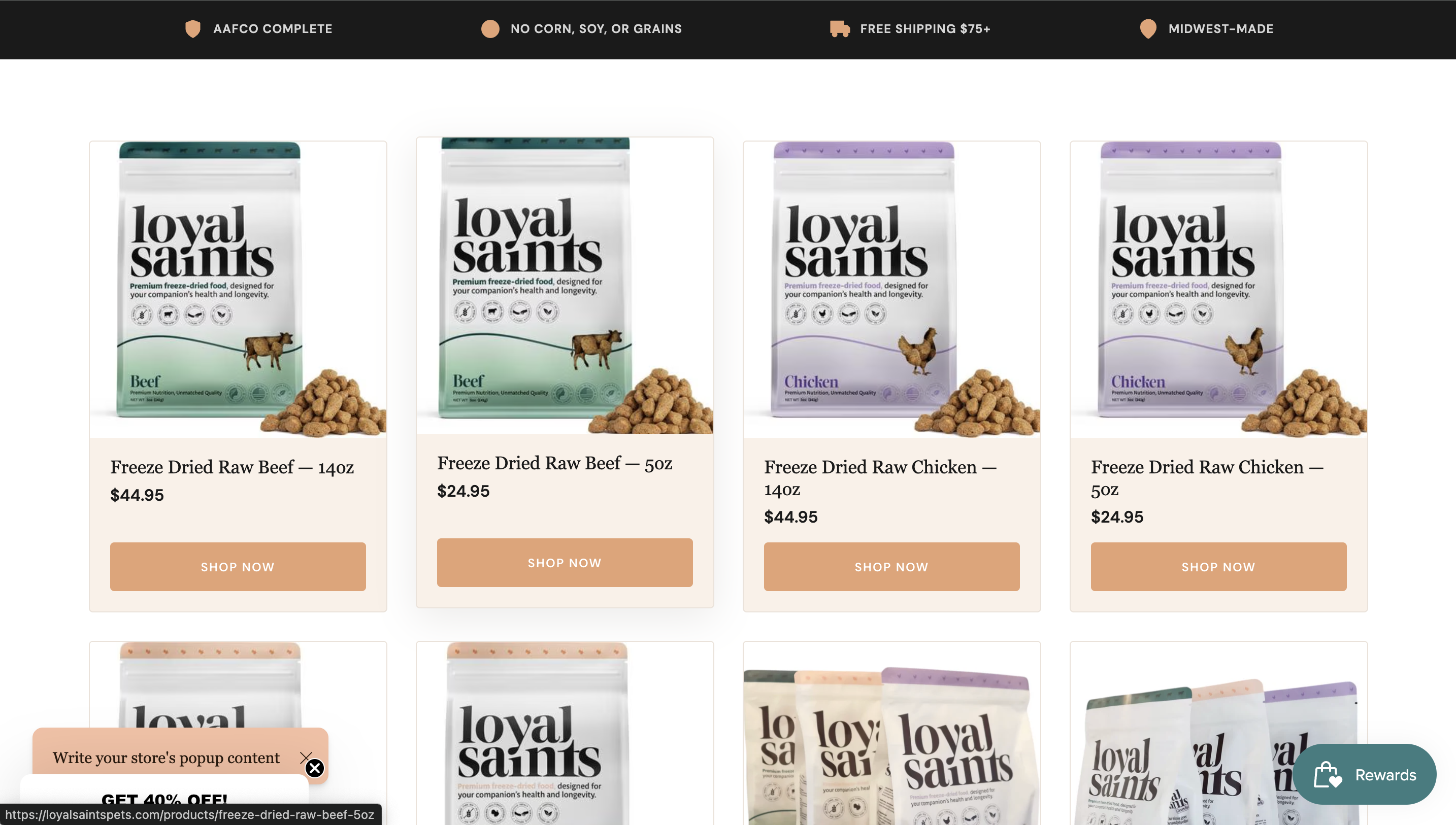
Whether you are starting with a smaller bag to test your dog’s response or stocking up for the month, Loyalsaintspets has options that fit your schedule and your dog’s needs. The freeze-dried raw chicken 14oz is the most popular choice for owners prioritizing lean protein and digestive health. The freeze-dried raw beef 14oz offers a rich alternative protein for dogs that need variety or manage chicken sensitivities. Free shipping is available on qualifying orders.
FAQ
What is the pet health maintenance process?
The pet health maintenance process is a structured routine of daily feeding, exercise, grooming, and scheduled veterinary visits designed to prevent disease and support long-term dog health. It combines home-based care with professional wellness exams to catch problems early.
How often should my dog see a vet?
Puppies need checkups every 3–4 weeks until 16 weeks old, adult dogs need annual exams, and senior dogs aged 7 and older need visits every six months. Visit frequency increases as your dog ages because health changes faster in older animals.
What does a dog wellness exam include?
A comprehensive wellness exam covers eyes, ears, teeth, skin, heart, lungs, lymph nodes, abdomen, joints, and weight, plus a review of vaccinations, parasite prevention, and nutrition. Bloodwork, urinalysis, and fecal testing are added based on age and health history.
What should I bring to my dog’s vet appointment?
Bring a current medication list, a fresh stool sample, and written notes on any behavioral or appetite changes you have observed. Prepared owners help vets complete more thorough assessments in less time.
Is freeze-dried raw food a good option for daily dog nutrition?
Freeze-dried raw food preserves proteins, enzymes, and nutrients that cooking destroys, making it one of the most nutrient-dense daily feeding options available. It works well as a complete diet or as a topper to enhance the nutritional value of existing meals.


