
Raw dog food carries real contamination risk, and both the CDC and FDA advise against it for most households. That said, if you’re already feeding raw or seriously considering it, three things matter right now:
- Wash your hands thoroughly with soap and water after every contact with raw pet food, bowls, or feeding surfaces.
- Isolate the food: keep raw dog food sealed, stored separately from human food, and clean bowls immediately after every meal.
- Talk to your veterinarian if you have concerns about your pet’s health or if anyone in your household is pregnant, elderly, very young, or immunocompromised.
Loyalsaintspets’ freeze-dried raw products offer a lower-handling-risk alternative that still delivers raw-style nutrition, and every product is vet-reviewed and AAFCO-complete.
Key Takeaways
Raw dog food safety depends on understanding the no-kill-step risk, knowing who in your household is most vulnerable, and following strict handling and storage protocols every single time.
| Point | Details |
|---|---|
| No kill step is the core risk | Raw food skips cooking, so pathogens like Salmonella and Listeria survive until contact with people or pets. |
| FDA testing found real contamination | Of 196 raw samples tested, 15 were positive for Salmonella and 32 for Listeria monocytogenes. |
| High-risk groups need extra caution | Young children, pregnant people, elderly adults, and immunocompromised individuals face the most serious illness risk. |
| Storage and handling rules are non-negotiable | Refrigerate at or below 40°F, thaw only in the fridge or microwave, and disinfect surfaces after every prep session. |
| Loyalsaintspets freeze-dried products | Vet-reviewed, AAFCO-complete, and shelf-stable, offering raw-style nutrition with a lower handling risk profile. |
Table of Contents
- Why does raw dog food carry higher contamination risk?
- Who faces the highest risk from raw pet food?
- What are the exact handling steps to reduce contamination at home?
- How should you store and thaw raw dog food safely?
- How do you vet a commercial raw food manufacturer?
- Should you consult a vet before starting a raw diet?
- What should you do if you suspect illness or contamination?
- Your household safety checklist for raw dog food
- How to introduce raw food to your dog safely
- Best practices for sourcing raw ingredients for homemade diets
- The honest truth about raw feeding and what most guides miss
- A safer raw-style option worth considering
- Primary sources for further reading and recall information
- Sources
Why does raw dog food carry higher contamination risk?
The core issue is what food scientists call the “no kill step.” Cooking destroys pathogens. Raw food skips that step entirely, so any bacteria present in the meat, organs, or bones stays alive right up until your dog eats it, and often lingers on every surface it touched along the way.
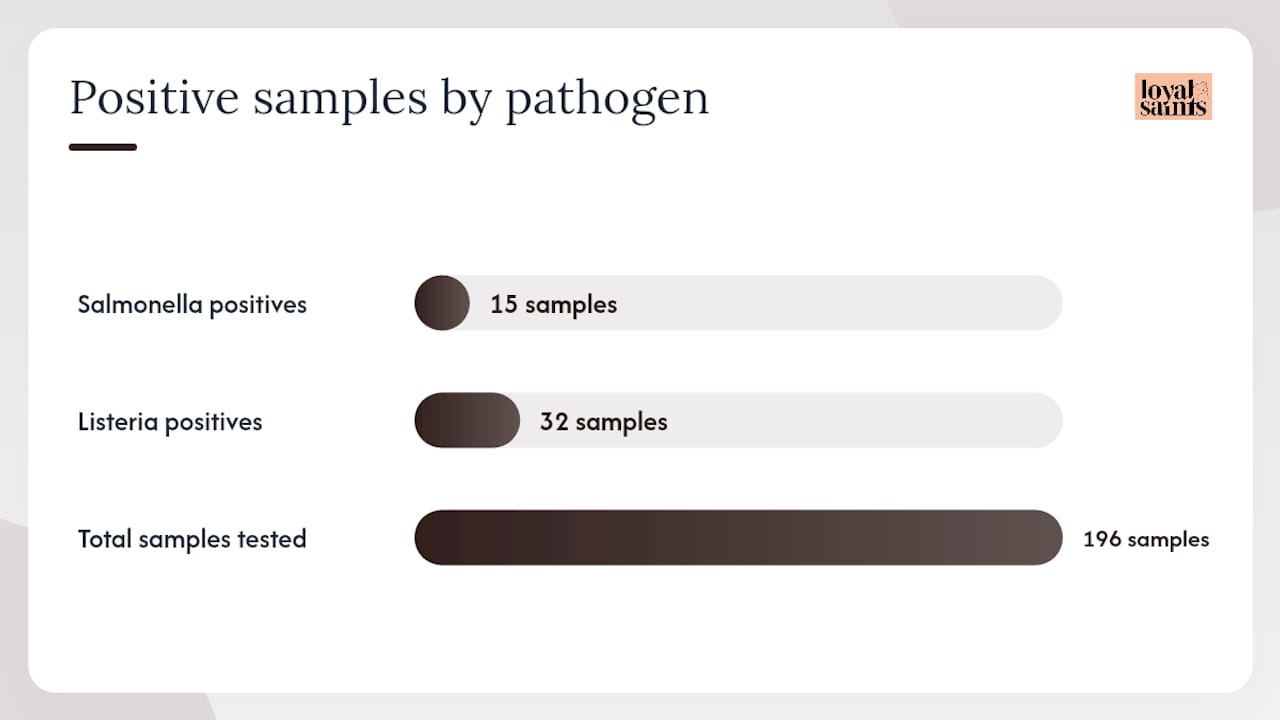
FDA CVM testing between 2010 and 2012 found that of 196 raw pet food samples tested, 15 were positive for Salmonella and 32 were positive for Listeria monocytogenes. That’s roughly 8% and 16% of samples, respectively, carrying pathogens that can cause serious illness in both people and pets.
| Pathogen | Samples Positive (of 196) | Primary Risk |
|---|---|---|
| Salmonella | 15 | Diarrhea, fever, vomiting in people and pets |
| Listeria monocytogenes | 32 | Severe illness, especially in pregnant people and newborns |
The Penn State Extension notes these rates are meaningfully higher than what’s found in conventional processed pet food. Beyond Salmonella and Listeria, raw diets can also harbor E. coli and Campylobacter, both capable of causing gastrointestinal illness in people and pets. A CDC MMWR investigation documented 356 human Salmonella cases across 42 states linked to raw turkey products, including raw pet food, with contamination detected across multiple processing facilities and leading to widespread recalls.
Who faces the highest risk from raw pet food?
Some people and pets are significantly more vulnerable than others. CDC guidance specifically advises against raw feeding in households where high-risk individuals are present.
- Young children (under 5): Their immune systems are still developing, making them more susceptible to Salmonella and E. coli infections.
- Adults over 65: Immune response weakens with age, increasing the severity of foodborne illness.
- Pregnant people: Listeria poses a serious risk to both the pregnant person and the unborn baby.
- Immunocompromised individuals: Anyone on chemotherapy, living with HIV/AIDS, or taking immunosuppressants faces a higher risk of severe infection.
- Puppies and kittens: Young animals have immature immune systems and are more likely to become ill from pathogen exposure.
- Sick or elderly pets: Pets already managing illness are less equipped to fight off bacterial infections.
Peer-reviewed veterinary case reports confirm that transmission runs both ways: pets can shed pathogens in their feces after eating raw food, and they can transfer bacteria to people through face licking or contact with contaminated paws. If your dog eats raw and then licks your toddler’s hands, that’s a real exposure pathway.
What are the exact handling steps to reduce contamination at home?
These steps materially reduce risk, but they don’t eliminate it entirely. Think of them as your household safety protocol, not a guarantee.
- Wash hands thoroughly. Use soap and warm water for at least 20 seconds before and after handling raw pet food, and again after touching bowls, utensils, or feeding surfaces.
- Use dedicated tools. Keep a separate cutting board, knife, and serving spoon exclusively for pet food. Never use them for human food preparation.
- Clean up immediately. Don’t let raw food sit on counters. Wipe surfaces right after serving, and wash bowls after every single meal.
- Disinfect surfaces. The FDA recommends a bleach solution of 1 tablespoon of unscented liquid chlorine bleach per 1 gallon of water. Apply it to surfaces, let it sit for at least 2 minutes (the contact time matters), then rinse and air dry.
- Run bowls through the dishwasher. Hot water and detergent in a dishwasher cycle are more effective than a quick hand rinse. If hand-washing, use hot soapy water and scrub thoroughly.
- Dispose of waste carefully. Double-bag raw food packaging and leftovers before placing them in a covered trash can. This limits environmental contamination and keeps other household members away from discarded material.
FDA cross-contamination research highlights a commonly overlooked risk: touching secondary kitchen items like spice jars, refrigerator handles, or cabinet knobs after handling raw food spreads bacteria to surfaces you’d never think to clean. Limit your movement in the kitchen during prep, and wipe down anything you touched.
Pro Tip: Place a disposable silicone mat or a dedicated plastic tray under your dog’s bowl. After each meal, toss the mat or run the tray through the dishwasher. It keeps the floor around the bowl from becoming a contamination zone.
How should you store and thaw raw dog food safely?
The core rule: refrigerate at or below 40°F, freeze until you’re ready to use it, and never thaw on the countertop or in the sink.
- Refrigerator storage: Keep raw food at or below 40°F at all times. Store it in a sealed, leak-proof container on the lowest shelf to prevent drips onto other foods.
- Freezer storage: Keep portions frozen until 1–2 days before use. Freeze in meal-sized portions so you’re only thawing what you need.
- Safe thawing methods: Thaw in the refrigerator overnight or use the microwave’s defrost setting immediately before serving. Both are safe options.
- Countertop and sink thawing: Avoid both. Bacteria multiply rapidly at room temperature, and a countertop thaw can push the food’s surface into the “danger zone” (40°F–140°F) long before the center is thawed.
- Leftovers: Discard any raw food left at room temperature for more than 2 hours. Refrigerated leftovers should be used within 1–2 days and kept tightly sealed.
- Separation: Always store raw pet food away from human food, ideally in a dedicated container or drawer.
For freeze-dried products specifically, check out how to store freeze-dried dog food safely for product-specific guidance that applies to shelf-stable formats.
How do you vet a commercial raw food manufacturer?
Some commercial raw products reduce risk when manufacturers use rigorous testing and controls, but no commercial product eliminates it entirely. Before buying, ask these questions directly:
- Does the company test the final product for Salmonella, Listeria, and E. coli before it ships?
- Do products carry lot numbers for traceability in the event of a recall?
- Is third-party testing used, or only in-house testing?
- Is a veterinary nutritionist involved in formulation?
- What sanitation programs does the facility use, and how does the company respond to recalls?
On packaging, look for a clear lot number, explicit handling instructions, and transparent sourcing information. Penn State Extension encourages owners to ask manufacturers specifically about lot testing and sanitation programs.
Loyalsaintspets’ freeze-dried products go through a documented testing process you can read about directly on the site. The freeze-dried testing process page covers pathogen controls and quality steps. Products like the Freeze Dried Raw Chicken — 14oz, Freeze Dried Raw Chicken — 5oz, and Freeze Dried Raw Beef — 14oz are formulated with vet review and meet AAFCO standards, with packaging safety standards that support lot tracking and recall responsiveness.
Should you consult a vet before starting a raw diet?
Yes, and not just for safety reasons. A raw diet that isn’t properly balanced can leave your dog short on calcium, phosphorus, or key vitamins over time. Peer-reviewed veterinary literature documents that many home-prepared raw diets fall short of complete and balanced nutrition without professional formulation.
Ask your veterinarian or a board-certified veterinary nutritionist:
- Is this diet complete and balanced for my dog’s age, breed, and health status?
- What bloodwork or monitoring is recommended during the transition?
- How do I transition safely to minimize gastrointestinal upset?
For more on balanced canine nutrition, Loyalsaintspets has a dedicated resource covering what complete nutrition looks like and how to evaluate any diet plan. Transition gradually over 7–10 days, mixing increasing amounts of the new food with the old, and watch for loose stools, vomiting, or lethargy as early signs that the change isn’t going smoothly.
What should you do if you suspect illness or contamination?
Act quickly and preserve your evidence.
- Save the packaging. Write down the lot number, expiration date, and UPC code before discarding anything.
- Isolate the remaining product. Seal it in a bag and set it aside. Don’t feed any more of it until you know what you’re dealing with.
- Call your veterinarian if your pet shows vomiting, diarrhea, lethargy, or loss of appetite after eating raw food.
- Call your healthcare provider if anyone in your household develops symptoms that could be foodborne illness, especially in high-risk individuals.
- Report to the FDA. Use the FDA Recalls & Withdrawals page or the FDA’s Safety Reporting Portal to flag a potentially contaminated product.
- Contact your local public health department if multiple people in the household are affected.
The CDC MMWR Salmonella outbreak report is a useful reminder that recalls can happen at the industry level, affecting many households at once. Staying on top of FDA recall notices is part of responsible raw feeding.
Your household safety checklist for raw dog food
Keep this list somewhere visible in your kitchen. It covers the full daily and weekly routine.
- Wash hands 20 seconds before and after every contact with raw food, bowls, or surfaces
- Use dedicated cutting boards, knives, and serving tools for pet food only
- Serve immediately and remove uneaten food within 2 hours
- Wash bowls after every meal (dishwasher preferred)
- Disinfect prep surfaces with a bleach solution (1 tablespoon bleach per 1 gallon water, 2-minute contact time)
- Wipe down secondary surfaces touched during prep: refrigerator handle, cabinet knobs, spice jars
- Store raw food at or below 40°F in a sealed, leak-proof container on the lowest refrigerator shelf
- Thaw only in the refrigerator or microwave, never on the counter
- Double-bag all raw food waste before placing in a covered trash can
- Limit pets from licking faces after eating; wash hands after pet contact
- Keep raw food away from children’s reach and human food at all times
- Check the FDA recall page regularly for alerts on raw pet food products
For freeze-dried products, natural home storage tips can help you keep shelf-stable options fresh without the same refrigeration demands.
How to introduce raw food to your dog safely
Start slow. A sudden switch from kibble to raw can cause digestive upset even in healthy dogs, so a gradual transition over 7–10 days gives your dog’s gut microbiome time to adjust.
Begin by replacing about 25% of your dog’s current food with raw food for the first two to three days. If stools remain firm and your dog shows no signs of nausea or lethargy, increase to 50% raw for the next few days, then 75%, and finally 100%. Watch closely at each stage. Loose stools for a day or two are common; persistent diarrhea, vomiting, or blood in the stool means you should pause and call your vet.
During the transition, keep a simple log: what you fed, how much, and any symptoms. This record is genuinely useful if your vet needs to troubleshoot. Also note the lot number of every product you open, so you have that information on hand if a recall is issued.
Best practices for sourcing raw ingredients for homemade diets
If you’re preparing raw meals at home rather than buying commercial products, sourcing quality ingredients is your first line of defense.
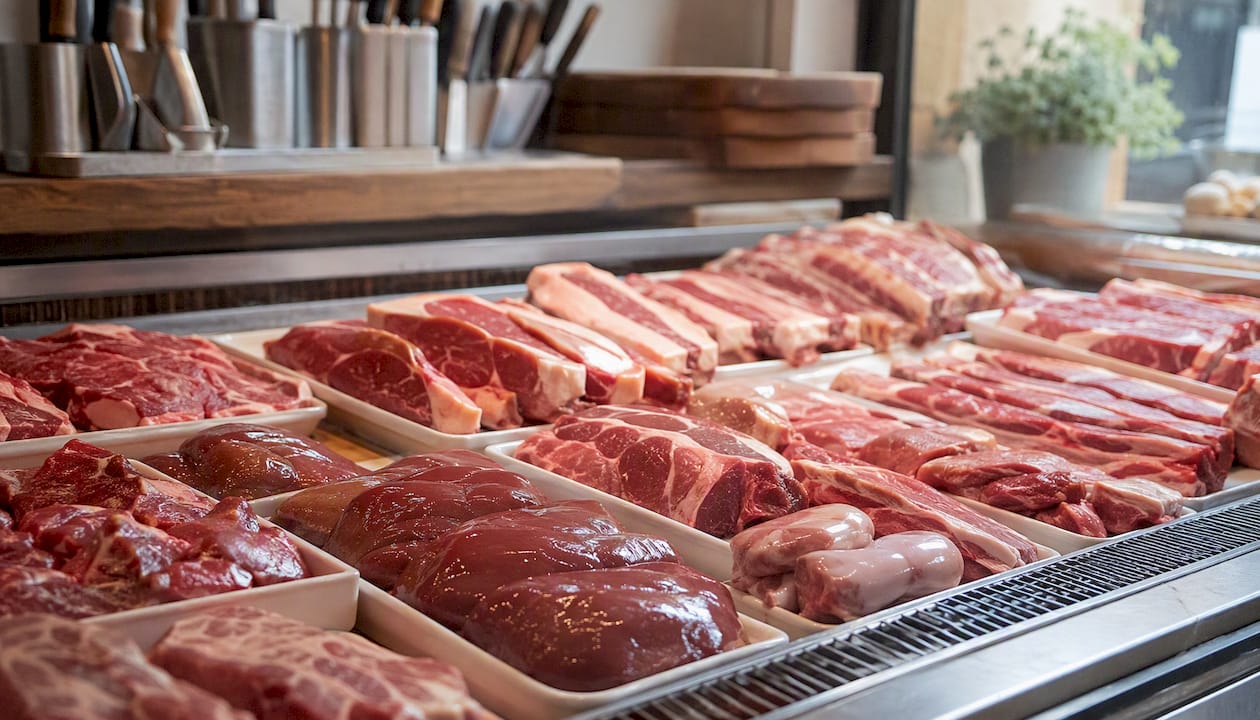
Buy meat from reputable suppliers who follow USDA inspection standards. Human-grade meat from a licensed butcher or grocery store is a safer starting point than meat labeled “pet food grade,” which may not meet the same handling standards. Avoid meat that has been sitting at room temperature in a display case for an extended period, and check sell-by dates carefully.
Organ meats and raw bones carry higher bacterial loads than muscle meat, so handle them with extra care and store them on the lowest shelf of your refrigerator in sealed containers. If you’re sourcing from a farm or direct supplier, ask about their slaughter and handling practices. Transparency matters here the same way it does with commercial manufacturers.
Never use meat that smells off, has a slimy texture, or has changed color in a way that suggests spoilage. When in doubt, discard it. The cost of replacing a questionable piece of meat is far lower than a veterinary or medical bill.
The honest truth about raw feeding and what most guides miss
Most raw feeding guides focus on the mechanics of handling and skip the harder conversation: the risk isn’t just about whether you get sick. It’s about whether your dog silently sheds pathogens for days after eating contaminated food, exposing everyone in your home without any obvious warning sign.
Veterinary case reports describe owners who followed reasonable hygiene steps and still had household transmission events, simply because they didn’t account for their dog’s fecal shedding or face-licking behavior. The dog felt fine. The pathogen was still present.
The other thing most guides understate: nutritional completeness is as important as safety. A raw diet that’s microbiologically clean but calcium-deficient will still harm your dog over time. These two concerns, safety and nutrition, have to be addressed together, not separately.
Freeze-dried raw is worth serious consideration not because it’s a compromise, but because the freeze-drying process reduces pathogen load while preserving the nutritional profile of raw ingredients. That’s a meaningful difference for households with children, elderly family members, or immunocompromised individuals. It’s also why Loyalsaintspets built its product line around that format specifically.
A safer raw-style option worth considering
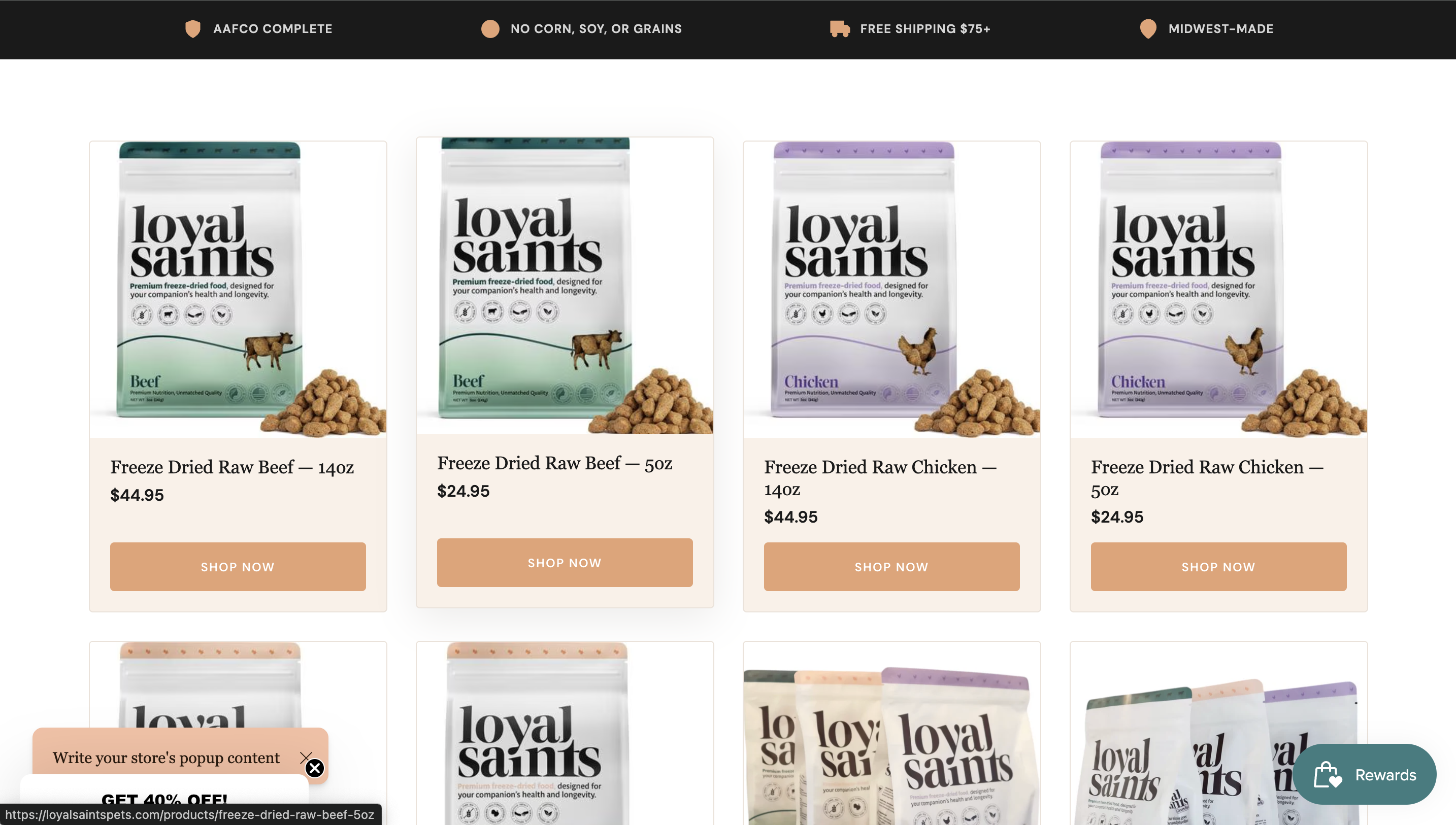
Freeze-dried raw dog food gives your dog the nutrition of a raw diet with significantly lower handling risk, because it’s shelf-stable, pre-portioned, and packaged to minimize contamination exposure. You still follow safe handling steps, but the risk profile is meaningfully different from fresh raw.
Loyalsaintspets offers three vet-reviewed, AAFCO-complete options to start with:
- Freeze Dried Raw Chicken — 14oz: a full-size bag for daily feeding, made with human-grade chicken and whole ingredients.
- Freeze Dried Raw Chicken — 5oz: a smaller size, ideal for trying the format or for smaller dogs.
- Freeze Dried Raw Beef — 14oz: a single-protein beef option for dogs with chicken sensitivities.
Read why freeze-dried works for the full safety and nutrition rationale, and explore the Halo Club subscription for recurring delivery with free shipping. Visit the Loyalsaintspets shop to find the right fit for your dog.
Primary sources for further reading and recall information
- FDA: Raw Pet Food Diets Can Be Dangerous — FDA CVM testing data, contamination rates, and public-health guidance on raw pet food.
- CDC: Raw Pet Food PDF — Printable CDC guidance on raw pet food risks, handling steps, and storage recommendations.
- CDC: About Pet Food Safety — CDC Healthy Pets page covering contamination risks, transmission pathways, and safe-handling steps.
- FDA: Tips for Safe Handling of Pet Food and Treats — Specific cleaning, disinfecting, and storage instructions from the FDA for raw and processed pet food.
- Penn State Extension: Food Safety Dangers of Raw Pet Food — Academic summary of surveillance data and prevention steps for raw pet food handling.
- CDC MMWR: Multistate Salmonella Outbreak Linked to Turkey Products — Detailed outbreak investigation documenting 356 human cases across 42 states linked to raw turkey pet food.
- PMC: Veterinarian’s Experience with Raw Meat Diets — Peer-reviewed veterinary case reports on pathogen risks and transmission pathways in raw-fed households.
- PMC: Review of Raw Pet Food Safety and Pathogen Risks — Systematic review of pathogen findings and cross-contamination routes in home kitchens.
This article is general information, not a substitute for advice from a qualified doctor. Consult a qualified healthcare professional about your own circumstances before acting on anything here.
Sources
- Get the Facts! Raw Pet Food Diets can be Dangerous to You and Your Pet | FDA
- Raw Pet Food - What is raw pet food
- About Pet Food Safety | Healthy Pets, Healthy People | CDC
- Tips for Safe Handling of Pet Food and Treats | FDA
- Food Safety Dangers of Raw Pet Food | Penn State Extension
- Multistate outbreak of Salmonella Reading infections linked to turkey products (MMWR) | CDC
- One veterinarian’s experience with owners who are feeding raw meat to their pets | PMC
- Review of raw pet food safety and pathogen risks | NCBI PMC


