
What is a high-protein diet for dogs?
A canine diet high in protein generally means food that provides 30% or more crude protein on a dry matter basis. For context, AAFCO sets the minimum at 18% crude protein for adult dogs and 22.5% for puppies. High-protein formulas go well beyond that floor, with performance and freeze-dried options often reaching a notably higher protein content.
The good news for most dog owners: healthy adult dogs, active dogs, and seniors all tend to do well on higher-protein diets. The old fear that protein damages kidneys in healthy dogs has been thoroughly debunked. Research confirms there is no evidence that high-protein diets harm healthy kidneys. Protein restriction is only warranted for dogs already diagnosed with advanced kidney disease.
Here is a quick snapshot of what a quality high-protein diet delivers:
- Supports lean muscle mass and recovery
- Promotes healthy skin and coat through amino acid supply
- Aids weight management by increasing satiety
- Meets or exceeds AAFCO complete-and-balanced standards
- Provides all 10 essential amino acids dogs require
Health benefits of high-protein diets for dogs
Protein does a lot more than build muscle. It fuels immune function, supports skin and coat health, and helps dogs feel full longer, which matters a lot if your dog is managing their weight.

For active and working dogs, the benefits are especially clear. Dogs that herd, hunt, run agility, or do search-and-rescue work experience higher rates of muscle breakdown and need more protein for repair and sustained energy. Veterinary nutrition research confirms that high-protein diets are effective tools for weight loss, muscle preservation, and supporting high-performance dogs. Diets for weight management are often formulated with more than 90 grams of protein per 1,000 kcal.
Senior dogs get a particularly important benefit. Aging naturally causes sarcopenia, the gradual loss of muscle mass, and adequate protein is the most effective countermeasure. Protein needs can increase by up to 50% in older dogs compared to younger adults. Cutting protein in seniors, as older conventional wisdom once suggested, can actually accelerate muscle loss and frailty.
Pro Tip: Dr. Ben at Dog Food Advisor notes that for most healthy dogs, 30% protein is perfectly appropriate, especially when it comes from high-quality, digestible sources. The quality of the protein matters more than chasing an exact percentage.
Potential risks and cautions with high-protein dog food
High-protein diets are not right for every dog in every situation. Knowing the cautions helps you make a smarter choice.
- Dogs with kidney disease: Excess protein increases the metabolic load on already-compromised kidneys. Protein restriction, combined with phosphorus restriction, is clinically beneficial for dogs with diagnosed chronic kidney failure.
- Sedentary dogs: High-protein foods are often calorie-dense and higher in fat. A couch dog on a performance formula can gain weight even if the protein itself is not the direct cause.
- Abrupt diet changes: Switching foods too quickly disrupts the gut microbiome and causes diarrhea, vomiting, or appetite loss.
- Very high long-term intake: A study on healthy adult beagles found that very high-protein diets shift gut bacteria toward proteolytic species and increase metabolites linked to inflammation and kidney stress, even in otherwise healthy dogs.
Pro Tip: Always transition gradually over 7–10 days when switching to a new food. Start with 75% old food and 25% new, then shift the ratio every two to three days until the transition is complete. This gives the gut microbiome time to adapt.
Why protein quality matters more than the percentage on the label
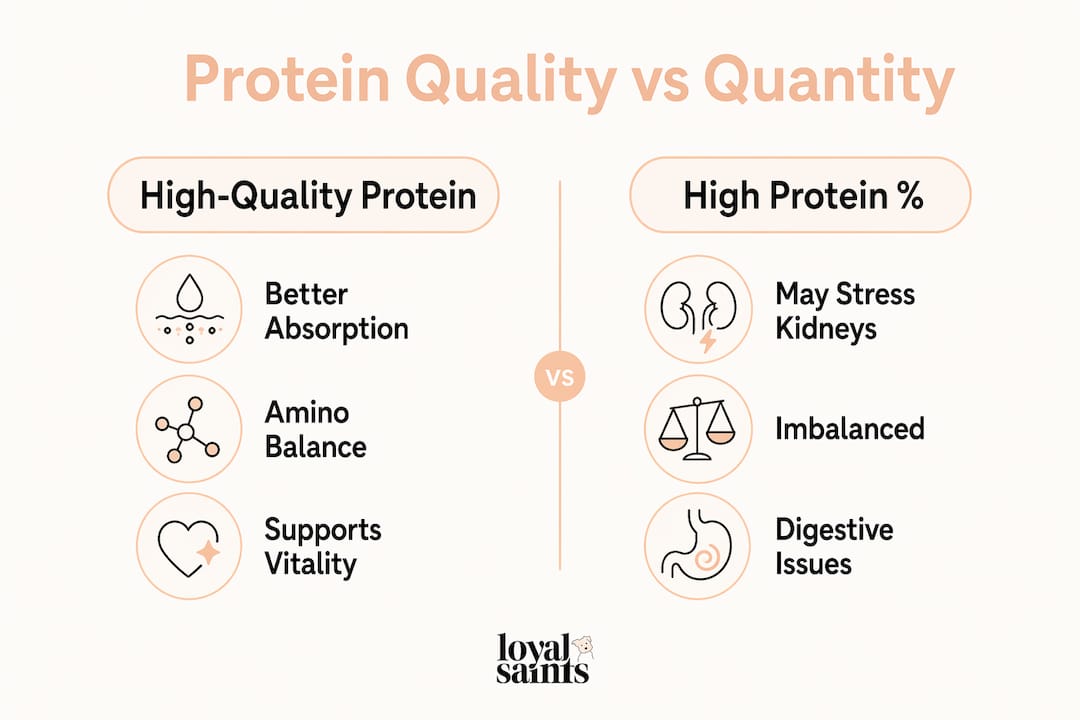
The number on the bag tells you how much protein is present. It does not tell you whether that protein is actually useful to your dog. Veterinary nutritionists emphasize that amino acid profile and protein quality matter far more than crude protein percentage alone.
Here is why that distinction is practical, not just academic:
- A high-quality protein supplies all 10 essential amino acids dogs need in the right balance, so less total protein is required.
- A low-quality protein forces the body to process excess amounts just to extract enough of the amino acids it actually needs, creating metabolic waste.
- Animal proteins are superior choices because they provide a complete amino acid profile that plant proteins alone cannot match.
- Protein digestibility above 86% is classified as high by the Merck Veterinary Manual. Foods below 80% digestibility are considered low, regardless of their crude protein percentage.
- AAFCO standards require that commercial diets meet minimum amino acid levels for each essential amino acid, not just total protein.
A food with 28% crude protein from chicken, eggs, and fish will almost always outperform a food with 35% crude protein padded with pea protein and corn gluten meal. The role of protein quality in your dog’s long-term health is something worth understanding before you buy.
Feeding recommendations by dog group
Protein needs vary meaningfully by life stage, activity level, and health status. One number does not fit every dog.
- Puppies: AAFCO recommends a minimum of 22.5% crude protein on a dry matter basis. Growing bodies need more protein to build muscle, bone, and organs.
- Healthy adult dogs: Most thrive at 25–30% crude protein. The 18% AAFCO minimum is a floor, not a target.
- Active and working dogs: Performance and sport formulas at 30–35% crude protein are common and appropriate. These dogs repair muscle faster and burn more energy.
- Senior dogs: Research supports up to 50% more protein than adult maintenance levels to prevent sarcopenia. A diet providing 28–32% crude protein from high-quality animal sources is often ideal for healthy seniors.
- Weight management dogs: Veterinary weight-loss protocols frequently use high-protein diets to preserve lean muscle while restricting calories. Evaluating protein on a caloric basis is the most accurate way to assess intake for these dogs.
- Dogs recovering from illness or injury: Extra protein supports tissue repair and rebuilding of damaged muscle. Always confirm with your vet before adjusting diet during recovery.
Always look for an AAFCO complete-and-balanced statement matched to your dog’s life stage. Without it, the food is not nutritionally complete regardless of its protein percentage.
How Loyalsaintspets formulates high-protein diets for canine health
Loyalsaintspets builds its freeze-dried formulas around one principle: the protein has to be real, whole, and worth eating. That means human-grade animal proteins as the primary ingredient, not fillers or ambiguous “meat meal” sources.
- Freeze-dried raw beef and chicken lock in nutrients without heat damage, preserving amino acid integrity better than conventional processing.
- Named animal proteins appear first on every ingredient list, giving you full transparency about what your dog is actually eating.
- Formulas meet AAFCO complete-and-balanced standards, so your dog gets the full nutritional picture, not just protein in isolation.
- No artificial additives, fillers, or preservatives. The ingredient list stays clean and short.
- Veterinarian-approved formulations support muscle strength, allergy management, coat health, and digestive function.
The freeze-dried raw beef (5oz) and freeze-dried raw beef (14oz) options give you flexibility whether you are topping kibble or feeding as a full meal. The freeze-dried raw chicken (14oz) is a great fit for dogs who do well on poultry-based protein. All three deliver the kind of high-quality protein that supports vitality at every life stage.
Signs your dog is getting too little or too much protein
Your dog’s body gives you clear signals when protein intake is off. Knowing what to look for helps you catch problems early.
Signs of protein deficiency:
- Muscle loss or visible thinning, especially over the hindquarters
- Dull, brittle coat or flaky skin
- Low energy and slow recovery after exercise
- Poor wound healing or frequent illness
- Weight loss despite normal food intake
Signs of protein excess (or poor-quality protein):
- Loose stools or chronic digestive upset
- Unexplained weight gain, often from calorie-dense high-fat formulas
- Increased thirst and urination, which can signal elevated kidney metabolites
- Flatulence or foul-smelling stools, a sign of excess protein fermenting in the colon
If you notice any of these signs, a conversation with your vet is the right next step. Taurine deficiency, while more common in cats, is the most notable clinical presentation in protein-deficient dogs, according to veterinary nutrition literature.
How high-protein diets compare to other canine diet types
Not every dog needs a high-protein formula, and understanding the differences helps you choose wisely.
| Diet type | Typical protein % (dry matter basis) | Best suited for |
|---|---|---|
| Standard maintenance | 18–25% | Healthy, low-activity adult dogs |
| High-protein | 30–35% | Active, working, senior, or weight-management dogs |
| Low-protein (renal) | 14–18% | Dogs with diagnosed chronic kidney disease |
| Balanced moderate | 25–30% | Most healthy adult dogs as a practical middle ground |
Standard maintenance diets meet AAFCO minimums and work well for dogs with low activity and no special health needs. High-protein diets offer a genuine advantage for dogs that need muscle support, weight control, or recovery. Low-protein renal diets serve a specific medical purpose and should only be used under veterinary guidance. The balanced moderate range is where most healthy adult dogs land comfortably.
How high-protein diets affect your dog’s digestion and gut health
Protein level has a direct effect on what happens in your dog’s gut. The research here is worth paying attention to.
A study on healthy adult beagles found that high-protein food shifts gut bacteria toward proteolytic species, raises fecal pH, and reduces beneficial short-chain fatty acids. These changes were associated with increased metabolites linked to inflammation and kidney stress. The study used a very high-protein formula at 45.77% crude protein on a dry matter basis, well above what most dogs eat daily.
The practical takeaway is that fiber matters alongside protein. Foods that combine high-quality animal protein with digestible fiber sources like sweet potato or beet pulp support a healthier microbiome balance. Gradual transitions, as covered earlier, also give gut bacteria time to adapt rather than being overwhelmed by a sudden shift in substrate. Moderate high-protein diets in the 30–35% range, fed with adequate fiber, carry far less gut disruption risk than extreme formulas.
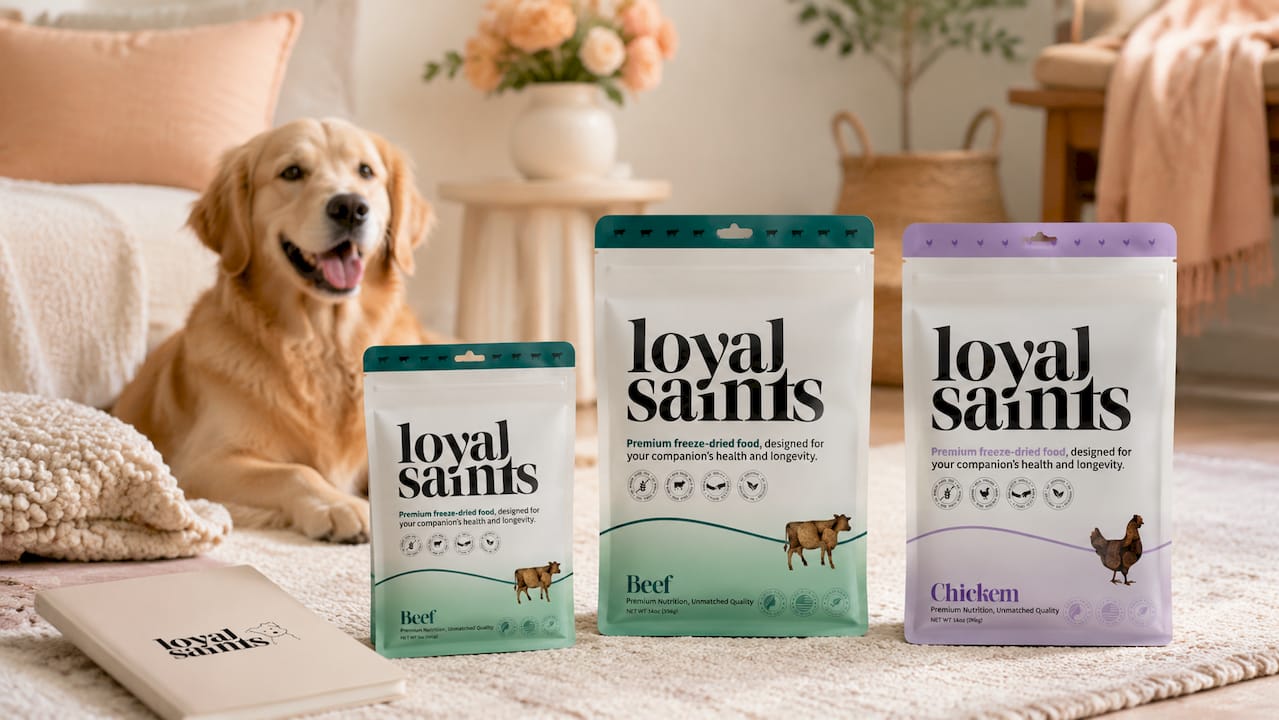
Your dog deserves food that actually does what the label promises. Loyalsaintspets freeze-dried formulas are built from human-grade, whole animal proteins with no fillers, no guesswork, and veterinarian approval behind every recipe. Whether your dog is an athlete, a senior, or somewhere in between, there are plenty of tail wags coming with the right nutrition. Shop freeze-dried raw beef and see the difference real protein makes.
Key Takeaways
A canine diet high in protein supports muscle maintenance, energy, and vitality when protein quality and amino acid balance are prioritized alongside the percentage on the label.
| Point | Details |
|---|---|
| 30% is the practical threshold | High-protein dog food generally starts at 30% crude protein on a dry matter basis, well above the 18% AAFCO adult minimum. |
| Seniors need more, not less | Protein requirements can increase by up to 50% in older dogs to prevent sarcopenia and support immune health. |
| Quality beats quantity | Animal proteins with complete amino acid profiles outperform higher-percentage foods padded with plant protein concentrates. |
| Transition over 7–10 days | Gradual diet changes prevent gut microbiome disruption and reduce the risk of digestive upset. |
| Kidney risk applies to sick dogs only | Research confirms high-protein diets do not harm healthy kidneys; restriction is only warranted for dogs with diagnosed kidney disease. |


