
TL;DR:
- A healthy dog gut is essential for digestion, immunity, and long-term vitality, influenced by diet and microbiome diversity. Proper nutrition with prebiotics, postbiotics, and minimally processed proteins improves gut health, which benefits systemic functions like bone and coat health. Persistent digestive issues require veterinary diagnosis to address underlying conditions beyond diet adjustments.
Dog gut health is defined as the balanced function of the digestive tract and its resident microbial community, known as the gut microbiota. A thriving gut microbiome directly shapes your dog’s digestion, immune responses, nutrient absorption, and long-term vitality. Recent science confirms the benefits of dog gut health extend far beyond the stomach, touching bone metabolism, coat quality, and antioxidant status. If you want your dog to live longer and feel better, the gut is where that work begins.
What are the key benefits of a healthy gut for dogs?
A healthy gut gives your dog a stronger immune system, better digestion, and lower levels of chronic inflammation. These are not minor perks. They are the biological foundation of a long, active life.
The canine gut microbiome contains over 1,000 distinct strains of bacteria, with key roles in metabolism and immune education. That diversity matters because each strain contributes unique metabolic functions your dog cannot perform on its own.
The most important metabolites gut bacteria produce are short-chain fatty acids, or SCFAs. SCFAs like acetate, propionate, and butyrate come from the fermentation of dietary fibers by specific bacterial groups. Butyrate, in particular, feeds the cells lining the colon and keeps the gut wall intact.
Here is what a well-balanced gut delivers for your dog:
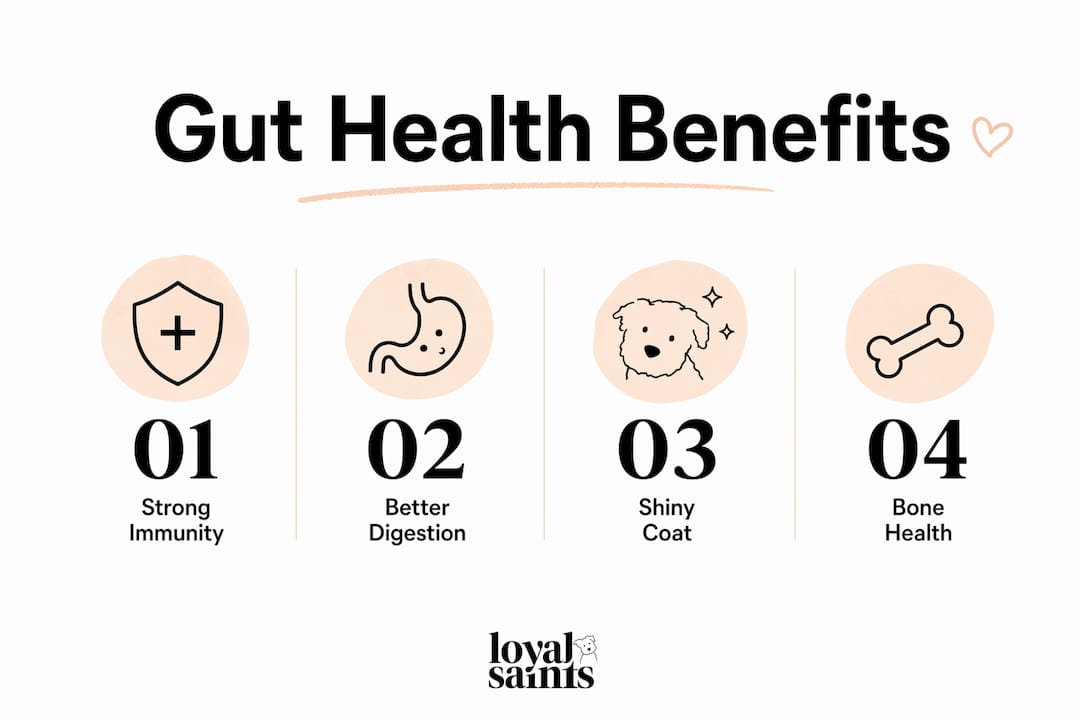
- Stronger immune defense. Gut microbiota educate immune cells and help distinguish harmful pathogens from harmless substances. Dysbiosis, or microbial imbalance, correlates with chronic diseases including inflammatory enteropathy and cardiovascular issues.
- Reduced inflammation. SCFAs carry anti-inflammatory signals throughout the body. Dogs with higher SCFA production show lower levels of pro-inflammatory cytokines.
- Better nutrient absorption. A healthy gut wall absorbs proteins, fats, vitamins, and minerals efficiently. A damaged or inflamed gut wall leaks nutrients before they reach the bloodstream.
- Improved coat and skin. Gut metabolites reach hair follicles and influence the amino acid profiles that build healthy fur.
- Stronger bones. Gut microbiota modulation is linked to improved bone formation markers, a connection most dog owners never hear about.
A 42-day randomized controlled trial found that postbiotic supplementation increased serum IgA, IgM, and IgG while reducing pro-inflammatory cytokines in adult dogs. Higher immunoglobulin levels mean a more prepared immune system, ready to respond to threats before they become illness.
Pro Tip: Think of gut health as your dog’s internal defense network. Feed it well, and it defends your dog from the inside out.
How does diet influence dog gut health?
Diet is the most effective lever you have to shape your dog’s gut microbiome. What your dog eats every day determines which bacteria thrive and which ones fade out.
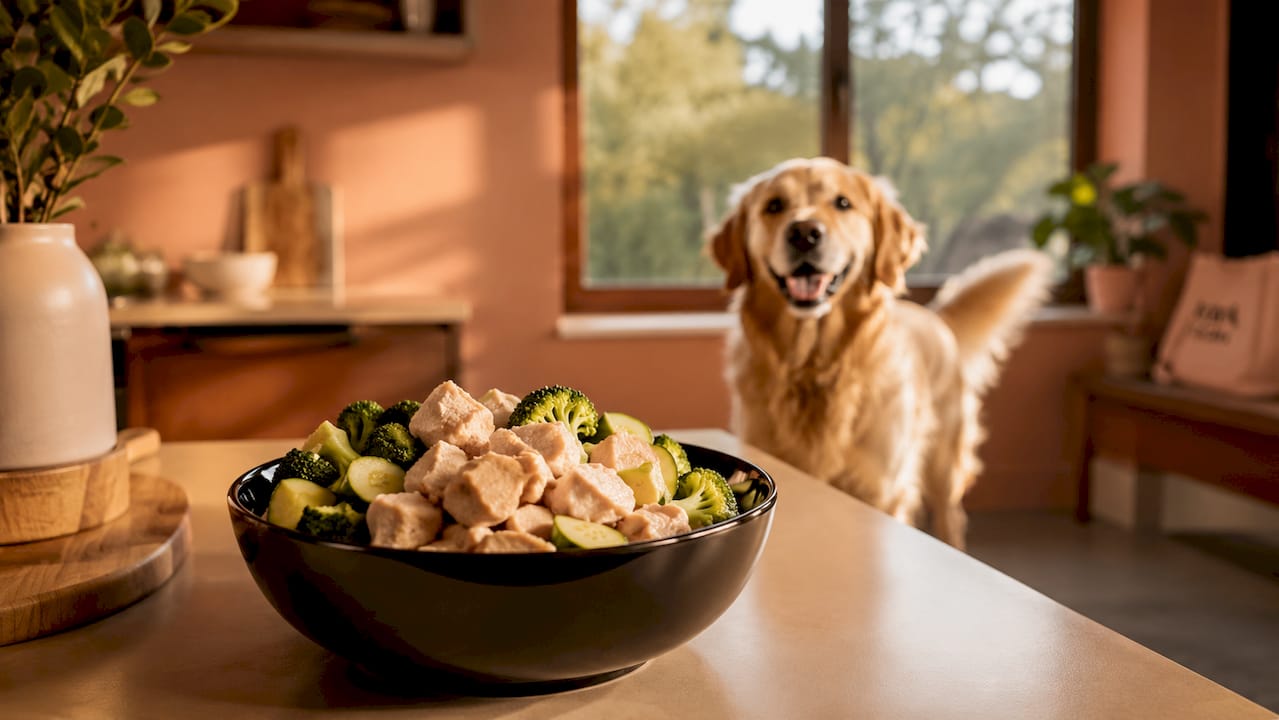
Prebiotic fibers are the starting point. These are plant-based carbohydrates that beneficial bacteria ferment for fuel. Baobab fruit pulp and acacia gum are two well-studied sources that increase beneficial bacterial taxa and raise fecal butyrate concentration in healthy dogs. Butyrate strengthens the gut barrier and reduces local inflammation.
Postbiotics are a newer category worth understanding. Unlike probiotics, which are live bacteria, postbiotics are non-viable microbial components that still stimulate immune responses and reduce inflammation. They are more stable than live cultures and do not require refrigeration to stay effective. For dog owners who want consistent results, postbiotics offer a reliable option.
Freeze-dried proteins from whole animal sources also support gut health. Minimal processing preserves natural enzymes and amino acids that aid digestion. Loyalsaintspets builds its freeze-dried formulas around human-grade, whole ingredients specifically to preserve this nutritional integrity. You can learn more about how fiber shapes the microbiome and which nutrients matter most.
Foods and nutrients that support a healthy gut include:
- Fermentable fibers from fruits and vegetables, which feed beneficial bacteria
- High-quality animal proteins that provide complete amino acid profiles for gut wall repair
- Postbiotic supplements derived from strains like Bifidobacterium animalis, shown to improve immune markers and coat quality
- Minimally processed whole foods that retain natural enzymes and avoid artificial additives that disrupt microbial balance
Pro Tip: Rotate protein sources gradually over two to three weeks when switching foods. Abrupt changes stress the microbiome and can cause temporary digestive upset.
The shift in canine nutrition is moving from simply feeding dogs to feeding their microbiome using complex polysaccharides, fibers, and postbiotics as functional tools. This is not a trend. It reflects a deeper understanding of how dog nutrition actually works at the cellular level.
What signs indicate poor gut health in dogs?
Poor gut health shows up in ways that are easy to miss or misattribute to other causes. Knowing the warning signs helps you act before a minor imbalance becomes a chronic condition.
Watch for these symptoms in your dog:
- Chronic diarrhea or loose stools lasting more than two to three days, especially without an obvious dietary cause
- Vomiting that recurs weekly or more often, even if it seems mild
- Unexplained weight loss despite a normal or increased appetite
- Decreased appetite or reluctance to eat foods your dog previously enjoyed
- Excessive flatulence with a foul odor, which signals abnormal fermentation in the gut
- Dull, brittle coat or flaky skin, which can reflect poor nutrient absorption at the gut level
- Low energy or lethargy that does not improve with rest
Persistent digestive issues may signal chronic inflammatory enteropathy, a condition that affects the gut lining and disrupts normal microbial balance. Diet trials resolve symptoms in 38–89% of dogs with chronic enteropathy, which shows how powerful nutrition can be. But that range also tells you some dogs need more than a diet change.
A structured diagnostic approach is necessary before assuming diet alone will resolve chronic gut issues. Diagnostics include fecal testing, blood work, imaging, and sometimes biopsies. Markers like fecal calprotectin help veterinarians measure gut inflammation directly. If your dog shows any of the symptoms above for more than two weeks, schedule a veterinary visit rather than waiting it out.
How does the gut-systemic axis explain benefits beyond digestion?
The gut-systemic axis is the network of biological pathways through which gut metabolites influence organs and systems far from the digestive tract. This is why gut health matters for pets in ways that go well beyond regular bowel movements.
SCFAs produced in the gut enter the bloodstream and travel to distant tissues. There, they regulate immune cell behavior, reduce oxidative stress, and support metabolic function. A dog with a diverse, well-fed microbiome produces more of these protective metabolites every day.
The evidence from postbiotic research makes this concrete. Postbiotic supplementation increased bone formation markers and improved hair cuticle integrity and amino acid profiles in supplemented dogs. Bone and coat quality are not typically associated with gut health in everyday conversation, but the science is clear.
“Gut health is not just about probiotics. Metabolites like SCFAs produced by diverse microbiota affect distant systems, underpinning systemic vitality, including antioxidant status, bone metabolism, and hair follicle health.”
The table below summarizes the systemic areas influenced by gut microbiota and their metabolites:
| System affected | Mechanism | Observed benefit |
|---|---|---|
| Immune system | Microbial education of immune cells | Higher IgA, IgM, IgG; lower pro-inflammatory cytokines |
| Bone metabolism | SCFA signaling to bone-forming cells | Increased bone formation markers |
| Coat and skin | Amino acid delivery via gut metabolites | Smoother hair cuticles, improved follicle nutrition |
| Antioxidant status | Reduced oxidative stress from SCFA activity | Better overall vitality and cellular protection |
| Gut barrier integrity | Butyrate feeding colonocytes | Reduced intestinal permeability and inflammation |
This axis highlights why gut microbiome nutrition is foundational to your dog’s overall well-being. Improving the gut does not just fix digestion. It upgrades multiple systems at once.
Key Takeaways
A dog’s gut microbiome drives immune function, nutrient absorption, coat quality, and bone health, making dietary quality the single most impactful factor in long-term canine well-being.
| Point | Details |
|---|---|
| Gut health drives immunity | Diverse gut microbiota educate immune cells and reduce pro-inflammatory cytokines throughout the body. |
| SCFAs are the key metabolite | Butyrate, acetate, and propionate from fiber fermentation protect the gut wall and reduce systemic inflammation. |
| Diet is the primary lever | Prebiotic fibers like baobab and acacia gum, plus postbiotics from Bifidobacterium animalis, measurably improve gut and systemic health. |
| Systemic benefits are real | Postbiotic supplementation improves bone formation markers, coat quality, and antioxidant status, not just digestion. |
| Chronic symptoms need a vet | Persistent diarrhea, weight loss, or lethargy require diagnostics including fecal testing and blood work before diet changes alone. |
What I’ve learned about gut health after years with dogs
I used to think gut health meant giving a dog a probiotic capsule and calling it done. Years of reading the research and watching dogs respond to real dietary changes taught me that view was too simple.
The gut-systemic axis genuinely surprised me. I did not expect bone metabolism and coat quality to show up in gut health studies. When I first read that postbiotic supplementation improved hair cuticle integrity in a controlled trial, I went back and read it twice. That kind of finding changes how you think about what you are feeding your dog every day.
What I tell dog owners now is this: patience matters more than any single supplement. The microbiome stabilizes gradually. Dogs fed high-quality, minimally processed proteins with adequate prebiotic fiber show real improvements over weeks, not days. Expecting overnight results leads to giving up too soon.
I also caution against treating gut health as a cure-all. Veterinary diagnostics remain critical for chronic symptoms. Parasites, endocrine disorders, and structural problems will not resolve with a better diet. Get the diagnosis right first, then build the nutritional strategy around it.
The most encouraging part of current research is how targeted microbiome-based interventions are becoming. We are moving toward individualized gut health protocols for dogs, not one-size-fits-all supplement regimens. That is genuinely exciting for anyone who considers their dog a family member.
— Kristina
Loyalsaintspets freeze-dried nutrition for a healthier gut
Your dog’s gut health starts with what goes in the bowl. Loyalsaintspets freeze-dried raw chicken is made from human-grade whole ingredients with no fillers, no artificial additives, and no processing shortcuts that strip away natural enzymes.
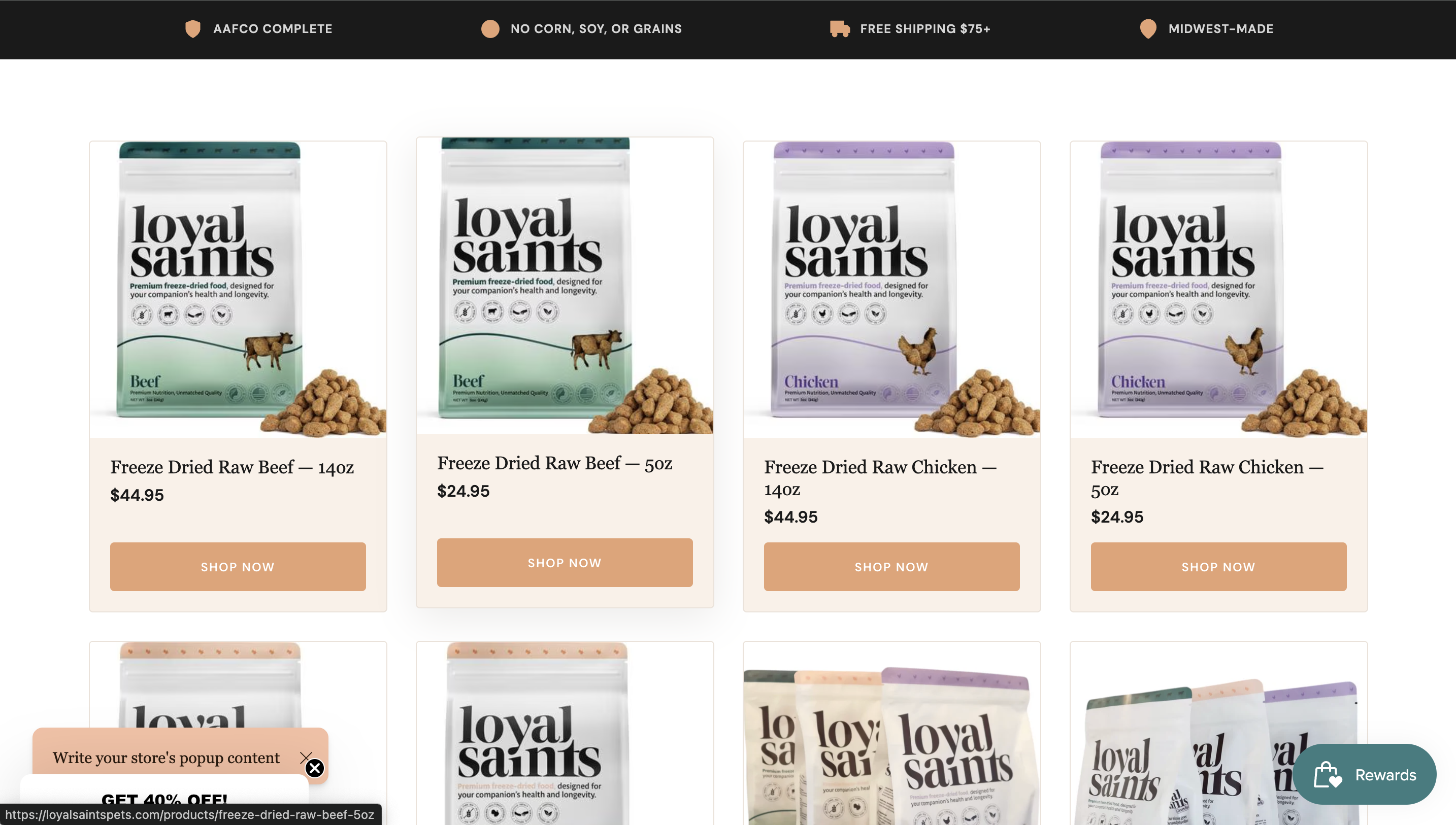
Freeze-drying preserves the amino acids, natural enzymes, and nutritional integrity that support a healthy gut lining and a thriving microbiome. The freeze-dried raw chicken 14oz is a high-protein, gut-friendly option that fits naturally into a balanced diet. If you want to start smaller, the 5oz option lets you try before committing to a larger bag. Learn more about why freeze-dried works for digestive health and nutrient preservation, and browse the full range at the Loyalsaintspets shop.
FAQ
What are the main benefits of dog gut health?
A healthy gut improves immune function, nutrient absorption, coat quality, and bone metabolism. These benefits come from a diverse microbiome that produces short-chain fatty acids and educates immune cells.
How can I improve my dog’s gut health naturally?
Feed prebiotic fibers from fruits and vegetables, choose minimally processed whole proteins, and consider postbiotic supplements derived from strains like Bifidobacterium animalis. Gradual dietary transitions protect the microbiome from stress.
What are the signs of a healthy dog gut?
Signs include firm, consistent stools, a shiny coat, steady weight, good energy levels, and a strong appetite. Absence of chronic gas, vomiting, or digestive discomfort also indicates a balanced gut.
Do probiotics help dogs with gut health?
Probiotics introduce beneficial live bacteria, but postbiotics, which are non-viable microbial components, offer more stable and measurable immune and digestive benefits based on recent controlled trials in adult dogs.
When should I see a vet about my dog’s digestive health?
See a vet if your dog shows diarrhea, vomiting, weight loss, or lethargy lasting more than two weeks. Chronic symptoms require diagnostics including fecal testing, blood work, and possibly imaging before dietary changes can be planned effectively.


