
TL;DR:
- A healthy dog gut is a balanced microbial ecosystem that supports digestion, nutrient absorption, and immunity. Maintaining routine, proper diet, and targeted supplements helps prevent gut issues and promotes overall health. Early signs of imbalance include loose stools, low energy, and skin problems, which require veterinary attention.
A healthy dog gut is defined as a balanced microbial ecosystem in the digestive tract that supports proper digestion, nutrient absorption, and immune defense. Most dog owners focus on coat condition or energy levels as health markers, but the gut is where real health begins. 70–80% of a dog’s immune system lives in the gut, making it the single most important system to protect. Veterinarians like Dr. Julie Buzby have emphasized for years that canine gut health connects directly to mood, energy, disease resistance, and longevity. When your dog’s gut microbiome is balanced, everything else tends to follow.
What are the signs of good versus poor gut health in dogs?
Balanced gut health shows up as steady energy, a healthy appetite, and firm, well-formed stools produced on a regular schedule. These are the clearest signals that your dog’s digestive system is working the way it should. A dog with good gut function also tends to be calmer and more engaged, since the gut and brain communicate through what researchers call the gut-brain axis.
Poor dog digestive health looks very different. Watch for these warning signs:
- Loose stools or diarrhea occurring more than once or twice in a week
- Vomiting after meals or on an empty stomach
- Bloating or gas that seems excessive or painful
- Sudden changes in appetite, either eating less or becoming food-obsessed
- Low energy or lethargy without an obvious cause like heat or illness
- Dull coat or skin irritation, which often traces back to poor nutrient absorption
20% of dog owners reported their pets experiencing diarrhea or loose stools, and 10% needed veterinary care specifically for gut issues as of early 2026. That tells you gastrointestinal distress is not a rare problem. It is one of the most common reasons dogs visit the vet.
If your dog shows two or more of these signs consistently, consult your veterinarian before adjusting diet or adding supplements. Early intervention prevents minor imbalances from becoming chronic conditions. You can also review gut distress indicators to better understand what to look for between vet visits.
How does diet influence dog gut health?
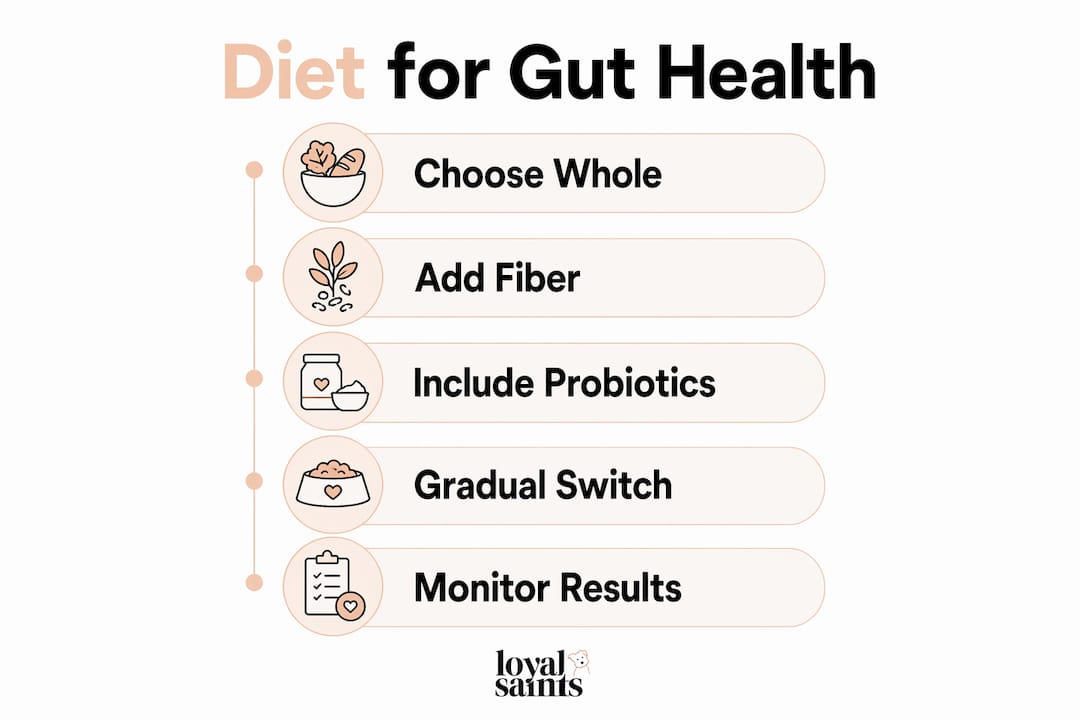
Diet is the most direct lever you have for improving dog digestion. What your dog eats every day shapes the composition of the gut microbiome, the speed of digestion, and the quality of nutrient absorption. High-quality protein and carbohydrate sources enhance digestion and promote stable stool formation, which is why ingredient quality matters more than marketing claims on the bag.
The foods that most reliably support a balanced gut microbiome include:
- Plain pumpkin puree (not pie filling): rich in soluble fiber that feeds beneficial bacteria
- Bone broth: provides collagen and gelatin that soothe the gut lining
- Kefir: a fermented dairy product containing live cultures that act as natural probiotics
- Lean meats like chicken and turkey: easily digestible proteins that do not overload the digestive tract
- Fibrous vegetables like sweet potato, carrots, and green beans: provide prebiotic fiber that feeds good bacteria
Whole, minimally processed foods rich in prebiotic fibers and live cultures provide the best support for microbial health in dogs. Processed kibble with fillers, artificial preservatives, and low-grade proteins does the opposite. It disrupts microbial balance and reduces the diversity of beneficial bacteria over time.
Dietary fiber deserves special attention. Fiber acts as fuel for the beneficial bacteria living in your dog’s colon. Without enough fiber, those bacteria decline, and harmful strains fill the gap. You can read more about how fiber shapes gut microbiota and which sources work best for different dog sizes and breeds.

Pro Tip: When switching your dog to a new food, transition over 7–10 days by mixing increasing amounts of the new food with the old. Gradual dietary transitions give gut bacteria time to adjust and prevent the loose stools that come from switching too fast.
What supplements and natural remedies support dog gut health?
Supplements fill the gap when diet alone is not enough, especially after illness, antibiotic treatment, or a stressful event like boarding or travel. The most studied options for canine gut health are prebiotics, probiotics, and postbiotics.
Probiotics introduce live beneficial bacteria directly into the gut. The most effective strains for dogs include Lactobacillus acidophilus, Lactobacillus rhamnosus, and Bifidobacterium animalis. Prebiotics and probiotics help restore gut microbial balance, which alleviates digestive issues and improves overall gut function. This is why veterinarians commonly recommend them after a round of antibiotics, which wipe out beneficial bacteria along with harmful ones.
Postbiotics are the newest category. A controlled study of 36 dogs found that supplementing with prebiotics and postbiotics for 28 days improved fecal markers of inflammation and increased beneficial bacteria. That is meaningful evidence that these supplements produce real, measurable changes in the gut, not just theoretical benefits.
Natural remedies worth adding to your dog’s routine include:
- Pumpkin puree: one to four tablespoons daily depending on dog size; firms loose stools and softens constipation
- Bone broth: one to two ounces per meal; supports gut lining integrity and adds palatability
- Ginger: small amounts can ease nausea and reduce gut inflammation
- Plain yogurt or kefir: a tablespoon with meals provides live cultures without the cost of commercial supplements
Pro Tip: Always consult your veterinarian before starting any supplement, especially if your dog takes medication or has a diagnosed condition. Dosage matters, and the wrong amount can cause the very symptoms you are trying to fix.
How do lifestyle and feeding routines affect gut function?
Diet gets most of the attention, but daily habits shape gut health just as much. Regular exercise, consistent feeding times, and fresh water access all contribute positively to gut function. Think of these as the structure that holds your dog’s gut health in place between meals.
Here are the five lifestyle habits that make the biggest difference:
- Feed on a consistent schedule. Dogs thrive on routine. Eating at the same times each day regulates digestive enzyme production and reduces the risk of bloating or acid buildup between meals.
- Offer smaller, more frequent meals. Feeding smaller, more frequent meals reduces digestive workload and may improve nutrient absorption in sensitive dogs. Two to three meals per day works better than one large meal for most breeds.
- Keep fresh water available at all times. Water is required for every stage of digestion, from breaking down food to moving waste through the colon. Dehydration slows gut motility and hardens stools.
- Prioritize daily exercise. Physical movement stimulates gut motility, the muscular contractions that push food through the digestive tract. A 20 to 30 minute walk each day makes a measurable difference for dogs prone to constipation or sluggish digestion.
- Minimize stress and sudden changes. Stress triggers the release of cortisol, which disrupts gut bacteria and increases gut permeability. Boarding, new pets, moving homes, and loud environments all count as stressors. Gradual introductions and calm routines protect the gut during transitions.
Gut health also connects to weight management. A well-functioning microbiome regulates metabolism and appetite signals, which is why dogs with chronic gut issues often struggle with weight. You can explore the connection between gut health and weight to understand how these systems interact.
Key takeaways
A healthy dog gut requires consistent nutrition, targeted supplementation, and daily lifestyle habits working together, not any single fix applied in isolation.
| Point | Details |
|---|---|
| Gut health drives immunity | 70–80% of a dog’s immune system lives in the gut, making it the foundation of overall health. |
| Watch for early warning signs | Loose stools, low energy, and appetite changes signal gut imbalance before it becomes serious. |
| Whole foods feed good bacteria | Plain pumpkin, kefir, lean meats, and fibrous vegetables support a balanced gut microbiome. |
| Supplements fill the gap | Lactobacillus and Bifidobacterium strains, plus postbiotics, produce measurable gut improvements. |
| Routine protects the gut | Consistent meal times, smaller portions, exercise, and low stress maintain stable gut function daily. |
What I’ve learned from watching gut health up close
Gut health is a proactive investment in a dog’s long-term wellness, not reactive treatment of symptoms. That is the single most important shift in thinking I have seen make a difference for dog owners. Most people wait until their dog has chronic diarrhea or is refusing food before they pay attention to the gut. By that point, the imbalance has usually been building for weeks.
The mistake I see most often is treating gut issues as isolated events. A dog gets diarrhea, the owner gives pumpkin for a few days, stools firm up, and the owner moves on. But the underlying cause, whether it is a low-quality diet, inconsistent feeding, or chronic stress, never gets addressed. The diarrhea comes back, sometimes worse.
Owners also underestimate how much ingredient quality matters. Switching from a processed kibble full of fillers to a whole-food diet with digestible proteins often resolves gut issues that supplements alone could not touch. I have seen dogs come off long-term probiotic regimens simply because their food changed. The gut responds to real food faster than most people expect.
My practical recommendation is this: build a gut health routine before problems appear. Feed whole, minimally processed food, add a prebiotic fiber source, keep meals consistent, and monitor stool quality weekly. Partner with your vet annually to assess gut health as part of a broader wellness check. That approach keeps your dog comfortable, energetic, and with you longer.
— Kristina
Why Loyalsaintspets freeze-dried food supports your dog’s gut
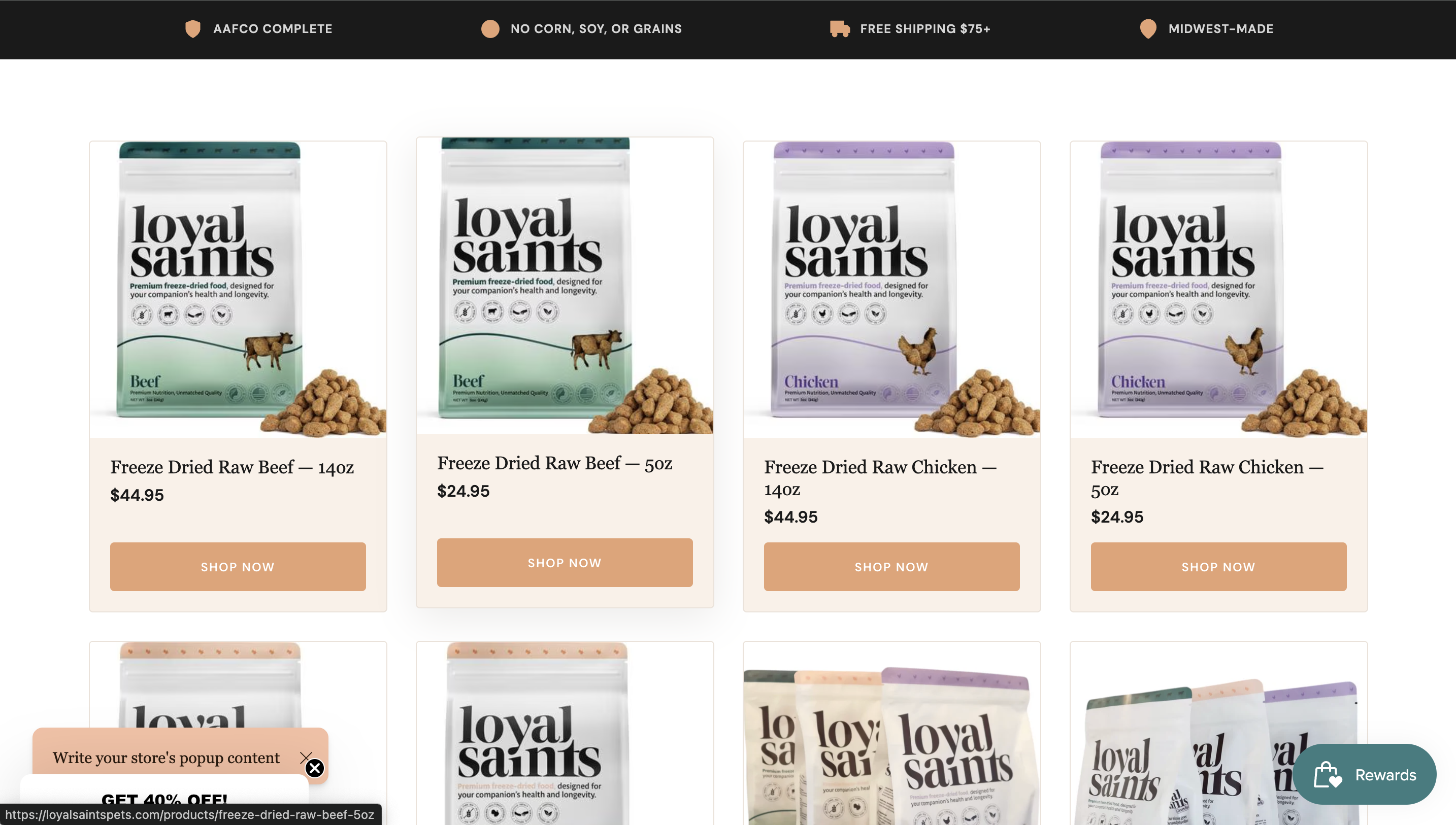
Loyalsaintspets freeze-dried raw foods are built around the same principles that veterinary research supports: whole ingredients, minimal processing, and high-quality protein that the gut can actually use. Freeze-drying preserves natural enzymes, moisture, and nutrients that cooking destroys, which means your dog gets food that is closer to what nature intended. The freeze-dried raw chicken and freeze-dried raw beef options provide easily digestible protein with no fillers, artificial preservatives, or mystery ingredients. For dog owners ready to make a real change, the full Loyalsaintspets shop offers gut-friendly options that pair naturally with the dietary strategies covered here.
FAQ
What does a healthy dog gut look like?
A healthy dog gut produces firm, well-formed stools on a consistent schedule and supports steady energy and a normal appetite. Behavioral calm and a shiny coat are also reliable indicators of good gut function.
What are the best probiotics for dogs?
The most studied strains for dogs are Lactobacillus acidophilus, Lactobacillus rhamnosus, and Bifidobacterium animalis. Always choose a product formulated specifically for dogs and confirm the dosage with your veterinarian.
How long does it take to improve dog digestion with diet changes?
Most dogs show noticeable improvement in stool quality within 7–14 days of a diet change, provided the transition is gradual. A full microbiome shift takes four to six weeks of consistent feeding.
Can stress cause gut problems in dogs?
Yes. Stress triggers cortisol release, which disrupts gut bacteria and increases gut permeability. Boarding, new environments, and household changes are common stress triggers that produce digestive symptoms.
Are gut-friendly dog treats actually useful?
Treats made with whole ingredients like pumpkin, sweet potato, or plain meat do support gut health when used as part of a balanced diet. Treats with artificial additives or high sugar content undermine the gut health you are working to build.


