
TL;DR:
- Immune-supporting dog foods include natural ingredients like postbiotics, antioxidants, and omega-3 fatty acids. These components modulate the immune response, support gut health, and reduce inflammation without over-stimulating the immune system. A complete diet meeting AAFCO standards supplemented with targeted functional ingredients provides the best approach.
Immune-supporting dog food ingredients are natural components that strengthen your dog’s defenses by balancing gut health, supplying antioxidants, and regulating inflammation. The goal is not to overstimulate the immune system. Overstimulation can trigger autoimmune disorders and chronic inflammation. The right ingredients modulate and balance immune response, improving measurable markers like IgA, IgG, and IgM while keeping pro-inflammatory signals in check. The gut-immune axis sits at the center of this process, making digestive health the starting point for any serious approach to canine immunity.
1. What are immune-supporting dog food ingredients?
The term “immune-supporting dog food ingredients” describes a specific category of functional nutrients. Veterinary nutritionists call these “immunomodulatory ingredients.” Both terms refer to the same thing: components that help the immune system respond accurately without overreacting.

The three main categories are postbiotics, antioxidants, and omega-3 fatty acids. Each works through a different pathway. Postbiotics act through the gut microbiome. Antioxidants neutralize cell-damaging free radicals. Omega-3 fatty acids reduce systemic inflammation at the molecular level.
AAFCO nutrition standards represent the minimum baseline for canine diets. Functional immune ingredients go beyond that baseline. They add targeted support on top of a complete, balanced foundation.
2. Postbiotics: the gut-immune powerhouse
Postbiotics are bioactive compounds produced when beneficial bacteria ferment fiber in the gut. They differ from probiotics in one important way: they are already processed, which makes them more stable and safer to dose consistently.
A 42-day randomized controlled trial with adult Beagle dogs found that Bifidobacterium animalis postbiotics increased serum immunoglobulins IgA, IgM, and IgG by 47–61%. The same study showed reduced pro-inflammatory cytokines TNF-α, IL-6, and IL-1β. That combination means stronger antibody production and less unnecessary inflammation at the same time.
Postbiotics also produce short-chain fatty acids (SCFAs), which feed the cells lining the gut wall. A stronger gut barrier means fewer pathogens and toxins enter the bloodstream. This is why gut health and dog immunity are so closely linked.
Key benefits of postbiotics in dog food:
- Increased IgA, IgG, and IgM production
- Reduced TNF-α, IL-6, and IL-1β inflammatory signals
- Improved antioxidant enzyme activity
- Stronger gut barrier through SCFA production
- Greater stability than live probiotic cultures
Pro Tip: Look for “Bifidobacterium animalis fermentate” or “postbiotic culture” on the ingredient label. These signal a processed, stable form rather than a live culture that may not survive shelf storage.
3. Spirulina: antioxidant and immune modulator
Spirulina platensis is a blue-green microalgae packed with protein, B vitamins, iron, and phycocyanin, a pigment with strong antioxidant properties. It is one of the most studied natural dog food immune boosters in veterinary nutrition.
A 7-week clinical trial with working dogs found that Spirulina supplementation at 0.04–0.08 g/kg body weight improved antioxidant capacity, reduced inflammatory cytokines IL-6 and TRAF6, and enhanced gut microbiota diversity. Dogs also showed improved serum protein levels and better lipid profiles. That is a wide range of benefits from a single ingredient.
Spirulina supports gut barrier gene expression, which means it helps the intestinal lining stay intact. A healthy gut lining is the first physical defense against pathogens. When that barrier is strong, the immune system spends less energy reacting to threats that should never have entered the body.
What Spirulina delivers for your dog:
- High-quality plant protein and B vitamins
- Phycocyanin for antioxidant defense
- Reduced systemic inflammatory markers
- Improved gut microbiota diversity
- Better lipid metabolism and serum protein levels
The dosage matters. The clinical evidence centers on 0.04–0.08 g/kg body weight daily. Products that list Spirulina without specifying amounts may not deliver enough to produce these effects.
4. Beta-glucans: priming the immune system without overdoing it
Beta-glucans are complex polysaccharides found in yeast, fungi, and certain grains. They work by activating immune cells called macrophages and natural killer cells, helping them recognize threats faster. The key distinction is that beta-glucans modulate rather than stimulate, making them safe for long-term use in older dogs, stressed dogs, and dogs recovering from illness.
POLYCAN is a specific beta-glucan derived from Aureobasidium pullulans. A clinical study found that 1,000 mg/day of POLYCAN in Beagle dogs increased serum IgG, raised calcium and IGF-1 levels, and shifted the gut microbiome toward beneficial bacterial populations. No adverse effects on growth or digestion were recorded. That safety profile makes it one of the more practical options for daily use.
| Immune parameter | Beta-glucan (POLYCAN) effect | General dietary fiber effect |
|---|---|---|
| Serum IgG | Significant increase | Minimal change |
| Gut microbiome | Shifts toward beneficial bacteria | General prebiotic effect |
| Inflammatory markers | Reduced | Variable |
| Growth and digestion | No adverse impact | No adverse impact |
| Immune cell activation | Macrophage and NK cell priming | Indirect, limited |
Beta-glucans are especially valuable during seasonal changes, after illness, or when a dog is under physical stress. They give the immune system a reliable reference point without pushing it into overdrive.
Pro Tip: Choose beta-glucan products that specify the source, such as Aureobasidium pullulans or Saccharomyces cerevisiae, and list the milligram amount per serving. Vague “yeast extract” listings often contain too little active beta-glucan to produce measurable results.
5. Vitamins, omega-3s, and other natural immune supporters
Antioxidant vitamins and healthy fats round out a complete immune-supporting diet. Vitamin E is the most studied fat-soluble antioxidant for dogs. It protects immune cell membranes from oxidative damage, which is the cellular wear that accumulates from normal metabolism and environmental stress. Natural sources include sunflower seeds, wheat germ, and leafy greens.
Selenium works alongside vitamin E. Together they activate glutathione peroxidase, an enzyme that neutralizes harmful peroxides before they damage tissue. Selenium deficiency is linked to weakened immune responses in dogs, making it a nutrient worth checking on any food label.
Omega-3 fatty acids EPA and DHA from marine sources are more effective than plant-based ALA for controlling inflammation in dogs. ALA must be converted to EPA and DHA in the body, and dogs do this conversion poorly. Fish oil, sardines, and salmon are the most reliable sources. For more on this, the omega-3 benefits for dogs are well documented in veterinary literature.
Colostrum, the first milk produced after birth, contains immunoglobulins and growth factors that support gut barrier integrity. Bovine colostrum supplements are widely available and show consistent results in supporting IgG levels and reducing intestinal permeability in dogs.
Natural superfoods with evidence-based immune benefits:
- Blueberries: Rich in anthocyanins that reduce oxidative stress
- Kale: Provides vitamin C, vitamin K, and beta-carotene
- Pumpkin: Supplies beta-carotene and supports gut motility
- Sardines: Deliver EPA and DHA directly without conversion loss
- Eggs: Provide bioavailable protein and selenium
Ingredients to approach with caution or avoid:
- Herbal blends without listed dosages or clinical backing
- Garlic and onion (toxic to dogs at any amount)
- Echinacea and other botanicals with no canine-specific research
- High-dose single vitamins without veterinary guidance
Herbal blends often lack scientific support and may cause unpredictable interactions. Stick to ingredients with clear mechanisms and measurable clinical outcomes. You can find a deeper breakdown of nutrients that strengthen dog immunity with clinical trial summaries if you want to go further.
Key Takeaways
The most effective approach to canine immune health combines a complete AAFCO-compliant diet with clinically validated functional ingredients targeting the gut-immune axis.
| Point | Details |
|---|---|
| Postbiotics lead the way | Bifidobacterium animalis postbiotics raised IgA, IgG, and IgM by 47–61% in a 42-day trial. |
| Spirulina adds antioxidant depth | Daily Spirulina at 0.04–0.08 g/kg improved antioxidant capacity and reduced inflammatory cytokines. |
| Beta-glucans prime without overdoing it | POLYCAN at 1,000 mg/day increased IgG and shifted gut microbiome without adverse effects. |
| Marine omega-3s outperform plant sources | EPA and DHA from fish are more effective than ALA for managing inflammation in dogs. |
| AAFCO compliance is the foundation | Functional ingredients supplement but never replace a complete, balanced diet. |
What I’ve learned about immune nutrition after years of watching dogs thrive
By Kristina
The most common mistake I see dog owners make is reaching for a supplement before fixing the diet. A probiotic capsule on top of a low-quality kibble is like putting a fresh coat of paint on a cracked wall. The foundation has to be right first.
Complete, balanced diets meeting AAFCO standards are not optional. They are the floor. Functional ingredients like postbiotics, Spirulina, and beta-glucans are meaningful additions on top of that floor, not replacements for it.
My second observation is that gut health is where most of the immune work actually happens. When I look at the clinical evidence, postbiotics and prebiotics consistently show the most measurable results. If I had to pick one place to start, it would be there. The gut-immune axis connection is not a theory. It is backed by multiple controlled trials.
I am also cautious about herbal blends. The marketing around adaptogens and botanical immune formulas sounds compelling. The clinical evidence for most of them in dogs is thin or nonexistent. If a product cannot tell you the milligram amount of each active ingredient, that is a signal to keep looking.
For dogs with existing health conditions, autoimmune issues, or chronic inflammation, please talk to your vet before adding any functional ingredient. Immune modulation is powerful. That power needs to be directed carefully.
— Kristina
Natural immune nutrition from Loyalsaintspets
Loyalsaintspets freeze-dried raw meats deliver the nutrient density that immune-supporting diets depend on. Freeze-drying preserves natural proteins, fatty acids, and micronutrients without additives or fillers, keeping the nutritional profile as close to whole food as possible.
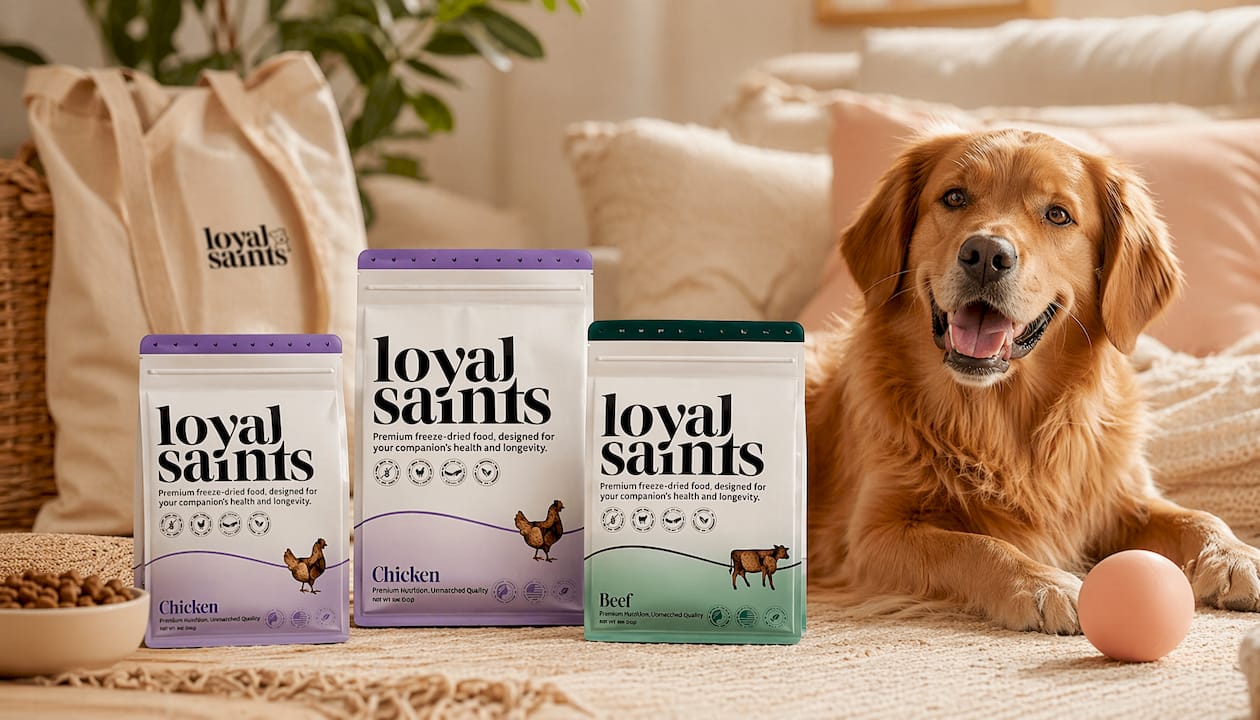
The freeze-dried raw chicken (5oz) and freeze-dried raw chicken (14oz) options give your dog high-quality animal protein with naturally occurring vitamins and minerals that support immune cell function. The freeze-dried raw beef (5oz) adds iron-rich protein with a different amino acid profile, making it a great complement in rotation. All Loyalsaintspets products meet AAFCO standards and are made from human-grade ingredients, so you know exactly what your dog is eating.
FAQ
What are the best ingredients for dog immunity?
Postbiotics, beta-glucans, Spirulina, marine omega-3 fatty acids (EPA and DHA), vitamin E, and selenium are the best-supported ingredients for canine immune health. Each has clinical evidence showing measurable improvements in immune markers or inflammatory control.
How do postbiotics differ from probiotics for dogs?
Postbiotics are the processed byproducts of bacterial fermentation, making them more stable and consistent than live probiotic cultures. A 42-day trial showed Bifidobacterium animalis postbiotics increased IgA, IgG, and IgM by 47–61% in adult dogs.
Can I boost my dog’s immune system through food alone?
A complete, AAFCO-compliant diet with functional ingredients like Spirulina, omega-3s, and postbiotics can meaningfully support immune health. Supplements add targeted benefits but do not replace the foundation of balanced daily nutrition.
Are herbal immune supplements safe for dogs?
Most herbal blends lack canine-specific clinical evidence and may cause unpredictable interactions. Ingredients like garlic and onion are toxic to dogs. Stick to ingredients with documented dosages and peer-reviewed trial results.
How long does it take to see immune benefits from diet changes?
The Bifidobacterium animalis postbiotic trial showed measurable immunoglobulin increases within 42 days. Spirulina benefits appeared within 7 weeks. Consistent daily feeding is required for results to accumulate.


