
TL;DR:
- Premium dog food provides measurable health benefits through higher-quality ingredients and proven feeding trials. It supports muscle, digestion, skin, and coat health better than regular formulas, often with smaller serving sizes. Consistent improvement in stool quality, energy, and coat condition takes time, emphasizing patience and label verification for optimal results.
Premium dog food benefits are defined by measurable improvements in digestion, coat health, muscle condition, and nutrient absorption that result directly from higher-quality ingredients and nutritional completeness. If you’ve been wondering whether the price difference between a budget bag and a premium formula actually matters for your dog’s health, the answer is yes. The gap isn’t just marketing. It comes down to ingredient quality, how the food is made, and whether it’s been proven to work through actual feeding trials. Understanding these distinctions helps you make smarter choices at the shelf and see real results in your dog’s daily life.
What are the real premium dog food benefits?
Premium dog food is defined by the industry term “complete and balanced nutrition,” a standard set by AAFCO, the Association of American Feed Control Officials. AAFCO nutritional adequacy statements on packaging confirm that a food meets minimum nutrient requirements for a specific life stage. What most dog owners don’t realize is that not all AAFCO statements carry the same weight.
There are two types of AAFCO claims you’ll find on a bag. The first says a food is “formulated to meet” AAFCO nutrient profiles. The second says it was “substantiated by feeding trials.” The difference matters enormously. Feeding-trial substantiation uses actual dogs to confirm that nutrients are absorbed and used by the body, not just present on paper. Formulation-only claims mean the recipe was calculated to hit targets, but no dog ever ate it in a controlled study.
Here’s what to look for on the label when evaluating premium pet food quality:
- Life stage specificity: The AAFCO statement should name a life stage, such as “adult maintenance,” “growth,” or “all life stages.” Vague statements are a red flag.
- Feeding-trial language: Look for phrases like “animal feeding tests using AAFCO procedures” to confirm the stronger standard.
- Named manufacturer: Premium brands disclose who makes the food and where. Ingredient transparency from the manufacturer signals accountability.
- Life stage match: A food formulated for puppies is not appropriate for a senior dog, even if both are labeled “premium.”
Pro Tip: Before comparing ingredients between two foods, check the AAFCO statement first. A food with a feeding-trial claim and modest ingredients often outperforms a formula-only product with an impressive ingredient list.
The WSAVA framework, used by veterinary nutritionists worldwide, goes further by emphasizing transparent company testing over marketing language. No single premium food is right for every dog, regardless of how it’s positioned. That’s why starting with the label’s AAFCO statement is the most reliable first step.
What nutritional components drive the advantages of premium dog food?
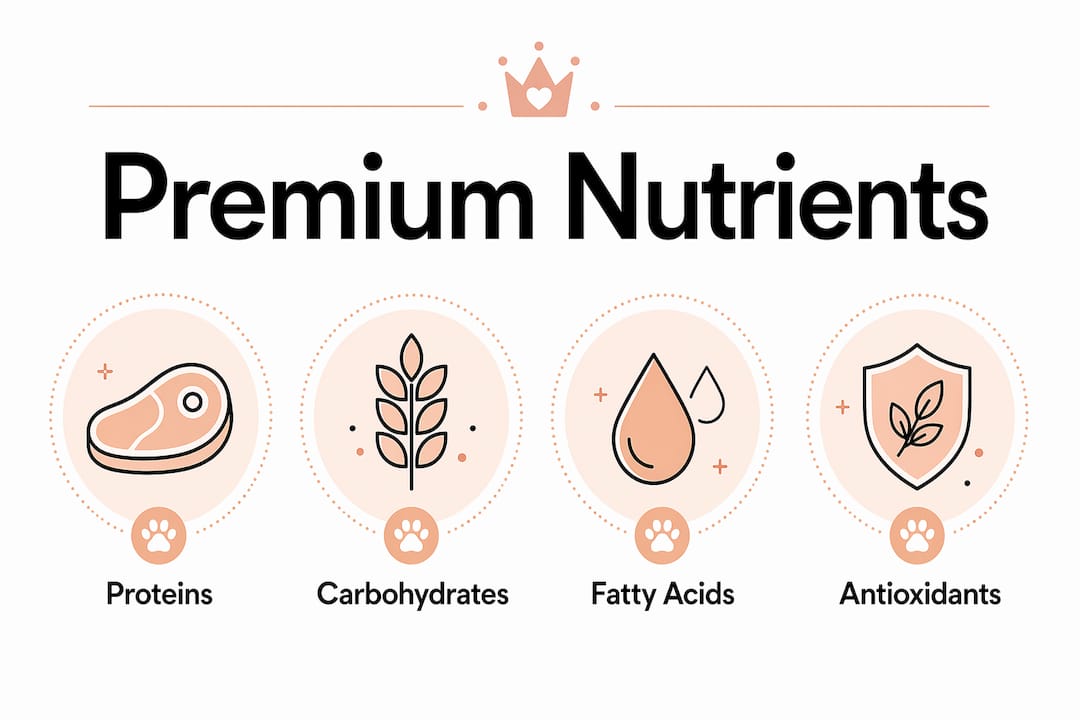
The benefits of premium pet food trace back to four core nutritional categories. Each one plays a specific role in your dog’s body, and each one is handled very differently between premium and budget formulas.
Named animal proteins build muscle and fuel recovery
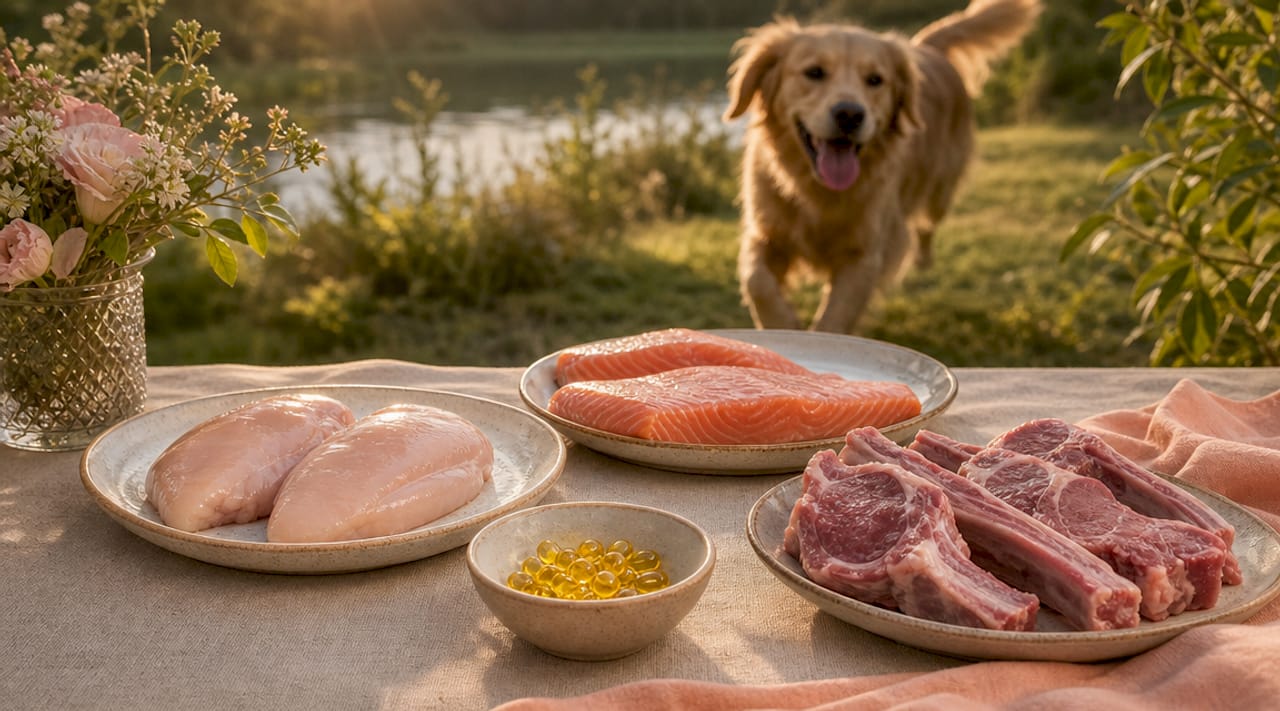
Named proteins like chicken, salmon, or lamb are more digestible and more beneficial than rendered by-products or generic “meat meal.” Premium foods list the protein source by name, which tells you exactly what your dog is eating and gives you a reliable measure of quality. Protein supports muscle maintenance, immune function, and energy production. Dogs on high-quality named proteins tend to maintain lean body mass more effectively, especially as they age.
Smart carbohydrates versus cheap fillers
Not all carbohydrates are equal in dog food. Quality carbs like brown rice and sweet potatoes supply energy, dietary fiber, and support nutrient delivery through the digestive tract. Budget formulas often rely on corn syrup, wheat middlings, or low-grade grain fractions that spike blood sugar and contribute little nutritional value. The fiber content in quality carbohydrates also feeds beneficial gut bacteria, which supports long-term digestive health.
Omega fatty acids for skin and coat health
Omega-3 and Omega-6 fatty acids from sources like salmon oil promote skin barrier integrity, reduce inflammation, and produce the coat shine most owners notice within weeks of switching. Therapeutic levels of these fatty acids in premium diets also reduce allergic skin reactions, which is one of the most common reasons dogs visit the vet. Budget foods rarely include meaningful amounts of these fats because they are expensive to source and preserve.
Natural antioxidants and reduced synthetic additives
Premium formulas use natural preservatives like mixed tocopherols (vitamin E) and rosemary extract instead of BHA, BHT, or ethoxyquin. Natural antioxidants protect the fat content from oxidation while also contributing to cellular health. Fewer synthetic additives mean less exposure to compounds that have raised concerns in long-term canine health research. For a balanced canine nutrition plan, this matters as much as the protein source.
How does premium dog food compare to regular dog food?
The clearest way to see the difference between premium and regular dog food is to look at what comes out of your dog, not just what goes in. Higher bioavailability in premium diets results in smaller, firmer stools and less odor. This happens because more of the food is actually absorbed, leaving less undigested material to pass through.
| Factor | Premium dog food | Regular dog food |
|---|---|---|
| Digestibility | High, due to quality proteins and smart carbs | Lower, due to fillers and by-products |
| Stool volume and odor | Smaller, firmer stools with reduced odor | Larger, softer stools with stronger odor |
| Serving size | Smaller portions due to nutrient density | Larger portions needed to meet energy needs |
| Ingredient transparency | Named proteins, disclosed sourcing | Generic terms like “meat meal” or “animal fat” |
| Preservatives | Natural tocopherols and plant extracts | Synthetic BHA, BHT, or ethoxyquin |
| Long-term health impact | Reduced disease risk, better vitality | Higher risk of nutritional gaps over time |
The nutrient density difference also affects how much you actually feed. Due to higher satiety, serving sizes for premium foods are often smaller, which can partially offset the higher per-pound price. A dog eating a nutrient-dense formula feels full sooner and maintains a healthier weight more easily than one eating a filler-heavy budget food.
Processing methods also matter. Freeze-drying and minimal heat processing preserve bioactive nutrients, enzymes, and natural moisture that high-temperature extrusion destroys. This is why what makes dog food premium goes beyond the ingredient list and includes how those ingredients are handled from sourcing to bag.
Pro Tip: Switch your dog to a premium food gradually over 7 to 10 days by mixing increasing amounts of the new food with the old. This prevents digestive upset and gives you a clean baseline for observing changes in stool quality and energy.
What health improvements can dog owners realistically expect?
Switching to a high-quality dog food produces real, observable changes. Here’s what to watch for and when to expect it:
-
Stool firmness improves within 1 to 2 weeks. This is the fastest and most reliable indicator that the new food is being digested well. Firmer, less odorous stools confirm higher nutrient absorption. If stools become loose during the transition, slow the changeover rather than abandoning the new food.
-
Energy and activity levels shift within 2 to 4 weeks. Dogs on better nutrition often show improved stamina during walks and play. This reflects better protein utilization and more stable blood sugar from quality carbohydrates rather than filler-driven energy spikes.
-
Coat shine and skin condition improve over 4 to 8 weeks. Coat changes lag behind digestion improvements because skin cell turnover takes time. Don’t judge a premium food by coat appearance in the first two weeks. Patience here is necessary for an accurate evaluation.
-
Allergy-related scratching and hot spots may reduce over 6 to 12 weeks. Omega fatty acids and the removal of common filler allergens like corn and artificial dyes contribute to this improvement. Dogs with chronic skin issues often see the most dramatic changes when switching to a limited-ingredient premium formula.
-
Veterinary costs may decrease over time. Fewer digestive issues, better immune function, and healthier skin and coat all reduce the frequency of vet visits for common complaints. The long-term financial case for premium pet food choices is real, even if the upfront cost is higher.
Key takeaways
Premium dog food delivers measurable health improvements through feeding-trial substantiation, named animal proteins, quality carbohydrates, and omega fatty acids that budget formulas cannot match.
| Point | Details |
|---|---|
| AAFCO feeding trials matter most | Choose foods with feeding-trial substantiation over formulation-only claims for proven nutrient absorption. |
| Named proteins drive real results | Chicken, salmon, and lamb provide more digestible, bioavailable protein than generic by-products. |
| Stool quality is the first signal | Firmer, less odorous stools within two weeks confirm the food is being properly digested. |
| Coat changes take time | Allow 4 to 8 weeks before evaluating skin and coat improvements after switching foods. |
| Nutrient density reduces portion size | Smaller servings from premium foods can offset the higher per-pound cost over time. |
Why I think most dog owners evaluate premium food the wrong way
Most people switch to a premium food and then judge it by their dog’s coat within the first week. That’s the wrong metric at the wrong time. The first thing to evaluate is stool quality, because it tells you immediately whether the food is being absorbed or just passing through. A firmer, smaller stool within the first two weeks is the clearest sign that the food is doing its job.
I’ve also seen owners dismiss a genuinely good food because their dog was reluctant to eat it at first. Dogs accustomed to heavily flavored budget foods sometimes need a week or two to adjust to a cleaner-tasting premium formula. That initial hesitation is not a sign of poor palatability. It’s often a sign of the opposite.
The other mistake I see constantly is skipping the AAFCO label check entirely and going straight to the ingredient list. A beautiful ingredient list means nothing if the food hasn’t been tested on actual dogs. Verify the AAFCO statement and confirm it names a life stage before you spend another minute reading the back of the bag.
Finally, talk to your vet before making a switch, especially if your dog has a history of digestive sensitivity, allergies, or a chronic condition. The WSAVA framework exists precisely because no single premium food works for every dog. Your vet can help you match the food’s profile to your dog’s specific needs, which is always more reliable than a general recommendation.
— Eyo
How Loyalsaintspets delivers on every premium dog food benefit
Loyalsaintspets was built around one idea: your dog deserves food that actually works, made from ingredients you can recognize and trust. Every product in the Loyalsaintspets lineup uses freeze-dried technology to preserve the nutrients, enzymes, and natural moisture that cooking destroys. That means your dog gets the full benefit of every named protein, every whole fruit and vegetable, and every omega-rich ingredient in the formula.
There are no fillers, no artificial preservatives, and no mystery ingredients. Every formula meets AAFCO standards and is crafted from human-grade, whole-food ingredients. If you’re ready to see the difference that real premium nutrition makes, explore why freeze-dried works and browse the full range of options at the Loyalsaintspets shop. More tail wags are coming.
FAQ
What makes dog food “premium” vs regular?
Premium dog food uses named animal proteins, quality carbohydrates, and natural preservatives, and it meets AAFCO nutritional standards, ideally through feeding-trial substantiation rather than formulation alone. Regular dog food often relies on generic by-products, cheap fillers, and synthetic additives that reduce digestibility and nutritional value.
How long does it take to see premium dog food benefits?
Stool quality improves within one to two weeks, energy levels shift within two to four weeks, and coat and skin changes typically appear after four to eight weeks. Coat changes lag behind digestion improvements, so patience and consistent monitoring are necessary for a fair evaluation.
Is premium dog food worth the higher cost?
Yes, for most dogs. Nutrient-dense premium foods require smaller serving sizes, which reduces the cost per meal, and fewer health issues over time can lower veterinary expenses. The long-term value often exceeds the upfront price difference.
What should I look for on a premium dog food label?
Check the AAFCO adequacy statement first and confirm it names a specific life stage and uses feeding-trial language. Then look for a named protein source like chicken or salmon as the first ingredient, and verify that AAFCO protein standards are met for your dog’s age and size.
Can premium dog food help with allergies and skin issues?
Omega-3 and Omega-6 fatty acids from sources like salmon oil reduce skin inflammation and support the skin barrier, which helps manage allergic reactions. Removing common filler allergens like corn, wheat, and artificial dyes also contributes to fewer hot spots and less scratching over time.


