
TL;DR:
- Most dogs can improve their gut health significantly within weeks by switching to a higher-quality, lower-carb diet and adding canine-specific probiotics. Monitoring symptoms and avoiding unnecessary antibiotics or household chemicals support recovery, while food diversity strengthens the microbiome. Implementing these simple steps at home offers a practical, diet-first approach to canine gut health without prescriptions.
Six practical, diet-first steps will improve most dogs’ gut health within weeks — and you can start today without a prescription or a complicated routine.
Here’s your immediate action plan:
- Transition to a higher-quality, lower-carb diet over 7–10 days
- Add a pet-specific probiotic (1–10 billion CFUs daily, canine strains)
- Give plain canned pumpkin (1–4 teaspoons depending on your dog’s size) for soluble fiber
- Reduce unnecessary antibiotic exposure and always ask your vet about gut support during any antibiotic course
- Minimize household chemical residues your dog contacts daily
- Log symptoms (stool consistency, energy, appetite) so you can track real progress
Go to the vet immediately if your dog shows blood in stool or vomit, a distended abdomen, repeated vomiting, or sudden collapse. These are not wait-and-see situations.
Table of Contents
- What signs of gut problems should you watch for in your dog?
- What diet changes most reliably support a healthy canine gut?
- Which probiotics, fermented foods, and digestive enzymes actually help?
- What actively damages your dog’s gut microbiome — and how to reduce it
- When should you test your dog’s gut health?
- A safe at-home protocol for mild, acute digestive upset
- Why freeze-dried whole-food diets support gut health
- Key Takeaways
- What the diet-first approach gets right that most owners overlook
- Loyalsaintspets freeze-dried beef: a gut-friendly option worth trying
- Useful sources for further reading
What signs of gut problems should you watch for in your dog?
Knowing what to look for is half the battle. Gut problems in dogs don’t always announce themselves with obvious digestive drama — sometimes the first clue is a skin flare-up or a mood shift.
Digestive signs to monitor:
- Loose stool, diarrhea, or constipation lasting more than 24 hours
- Vomiting (occasional vs. repeated — the latter is more serious)
- Mucus or unusual color in stool (yellow, orange, or gray stools can signal liver or pancreatic issues)
- Chronic foul gas that’s noticeably worse than your dog’s baseline
- Appetite changes: sudden disinterest in food or ravenous hunger
- Unexplained weight loss despite normal eating
Non-digestive clues tied to gut health:
70–90% of a dog’s immune system activity is associated with the gut, so problems there often surface elsewhere. Chronic ear infections that keep coming back, skin flare-ups, excessive paw-licking, and even behavioral shifts like increased anxiety can all point to gut imbalance. Dogs with food allergies and atopic dermatitis often have 20–30% reduced microbial diversity and lower levels of beneficial organisms like Lactobacillus and Faecalibacterium. The gut–skin axis is real, and improving gut balance can reduce the recurrence of skin and ear issues when combined with appropriate care.
Logging symptoms helps. Keep a simple daily note of timing, what your dog ate, stool photos (yes, really), energy level, and any medications. This record is genuinely useful at a vet appointment and helps you spot patterns you’d otherwise miss.
What diet changes most reliably support a healthy canine gut?
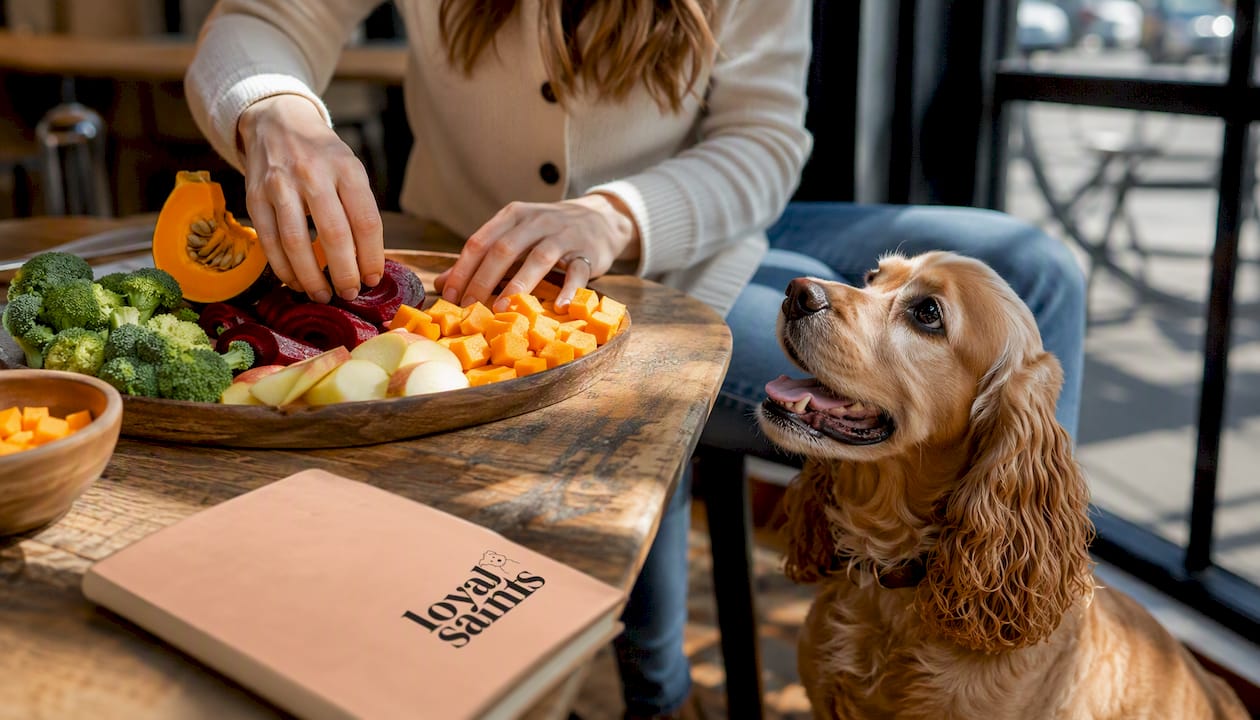
Diet is the single most powerful lever you have. Ultra-processed diets and low dietary fiber reduce microbial diversity and short-chain fatty acid (SCFA) production, weakening the gut barrier and increasing inflammation. Flipping that equation is straightforward in principle: more diverse, whole-food ingredients; and fewer simple carbohydrates and synthetic additives.
What to feed for a healthier gut
Species-appropriate priorities:
- Higher-quality animal protein as the primary ingredient
- Lower simple carbohydrates (minimize corn, white rice, and potato as main fillers)
- Varied protein sources over time to build microbial diversity
- Fermentable fiber from whole-food sources
Safe prebiotic foods to add:
Pumpkin, oats, sweet potato, carrots, and green beans are all well-tolerated prebiotic sources for most dogs. Start with 1–2 teaspoons of plain canned pumpkin for small dogs, up to 1–2 tablespoons for large breeds. Oats can be added cooked, plain, and in small amounts. Chicory root (a natural source of inulin) appears in some commercial foods and is another solid prebiotic option.
Foods to move away from:
Highly processed kibble with corn syrup, artificial preservatives, or unspecified “meat meal” as the primary protein. These limit the substrate variety that beneficial gut microbes need to thrive.
How to transition diets safely (7–10 day schedule)
Monitor stool consistency at each stage. Loose stool during transition is common; slow down the ratio if it persists more than two days. Most dogs stabilize within 1–2 weeks of completing the transition.
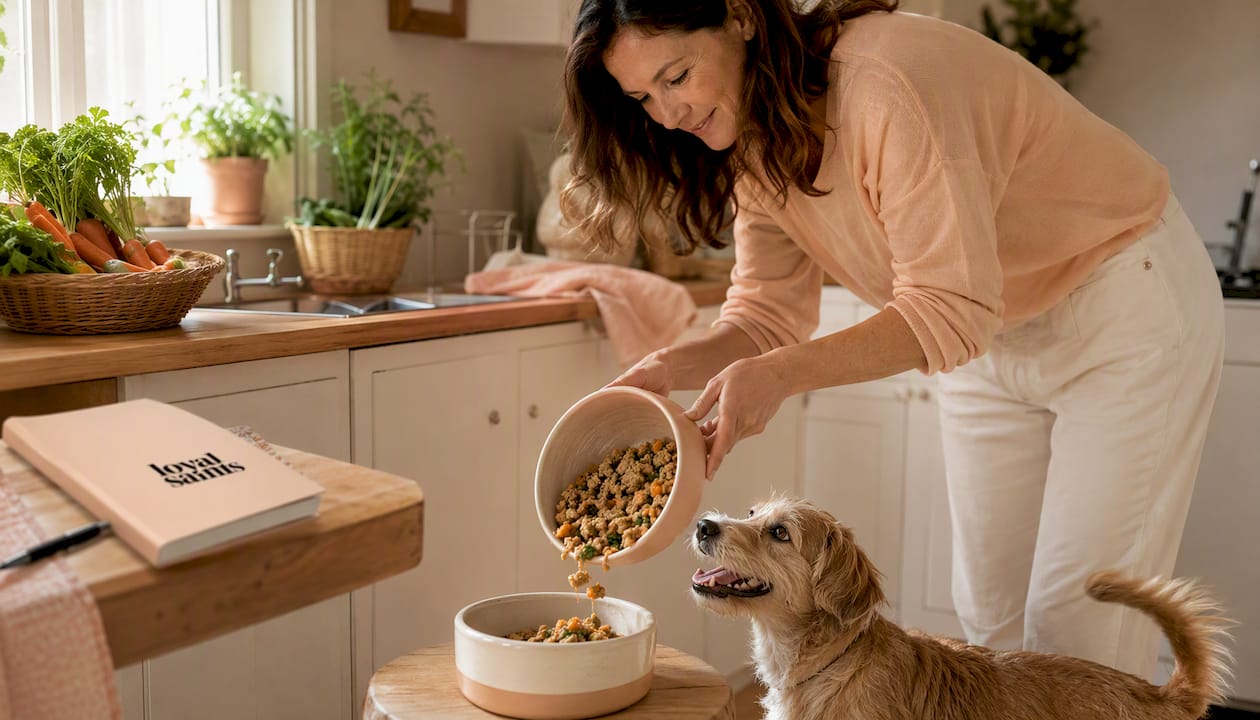
Pro Tip: When introducing a new single-protein food like freeze-dried raw beef, start it as a small topper (about 10% of the meal) for the first 3–4 days before increasing. This is especially useful for elimination protocols, where you need to confirm tolerance before committing to a full diet change.
Which probiotics, fermented foods, and digestive enzymes actually help?
Not all gut supplements are created equal, and the difference between a human probiotic and a canine-specific one matters more than most labels suggest.
Prebiotics vs. probiotics vs. symbiotics:
- Prebiotics are the fiber-based fuel that feeds beneficial gut bacteria (think pumpkin, chicory, oats)
- Probiotics are live bacterial strains that colonize or support the gut directly
- Symbiotics combine both in one product
Evidence-backed canine probiotic strains:
Recommended canine probiotic dosages commonly range from 1–10 billion CFUs daily, and specific strains like Enterococcus faecium SF68 and Bifidobacterium animalis AHC7 have the strongest evidence for improving stool quality and reducing acute diarrhea in dogs. These are the strains to look for on a label — not generic “multi-strain” blends designed for humans.
Safe fermented foods for dogs:
- Plain goat milk kefir (small amounts: 1–2 tablespoons for small dogs, up to ¼ cup for large breeds)
- Fermented pumpkin preparations (available in some pet-specific products)
- Small amounts of plain, unseasoned natto (though palatability varies)
Avoid kombucha, flavored yogurts with xylitol or artificial sweeteners, and any fermented product with added onion or garlic.
When digestive enzymes help:
Dogs with suspected exocrine pancreatic insufficiency (EPI) or chronic malabsorption may benefit from added digestive enzymes. Signs include greasy, foul-smelling stool and weight loss despite a good appetite. Enzyme supplementation in these cases should be guided by your vet, since unsupervised use in a healthy dog can occasionally cause digestive irritation.
Pro Tip: A nutraceutical combination of prebiotics, probiotics, tannins, zinc, and nucleotides performed comparably to antibiotic treatment for dogs with acute diarrhea in a controlled 6-day study, with some measures showing faster early recovery. This doesn’t mean skipping your vet — it means targeted gut supplements are a legitimate first-line option for mild cases.
Safety note: Always choose a product with a named canine strain, a stated CFU count, and confirmed shelf stability. Consult your vet before starting any supplement, especially if your dog is on medication.
What actively damages your dog’s gut microbiome — and how to reduce it
Some of the biggest threats to your dog’s gut health are things you might not think twice about.
Primary harms:
- Broad-spectrum antibiotics: Antibiotic-induced dysbiosis often shows a dose-dependent relationship with disease susceptibility, and recovery may be incomplete without active gut support. Always ask your vet whether an antibiotic is truly necessary and whether a targeted narrow-spectrum option is available.
- Ultra-processed, low-fiber diets: These limit the substrate variety that beneficial microbes need and reduce SCFA production, which regulates inflammation and mucosal health.
- Chronic stress: Stress hormones alter gut motility and microbial composition. Dogs in high-stress environments (boarding, frequent moves, separation anxiety) are at real risk for gut imbalance.
- Household chemical residues: Floor cleaners, disinfectant sprays, and antimicrobial products your dog walks through and then licks off their paws can disrupt the microbiome over time.
- Repeated antimicrobial exposure: Antibacterial shampoos, wipes, and ear cleaners used more frequently than needed can reduce beneficial microbial populations on and in the body.
Practical mitigation steps:
- Ask your vet specifically about gut support before and after any antibiotic course
- Switch to lower-additive, whole-food-based diets where possible
- Add prebiotic fiber (pumpkin, oats, green beans) after any antibiotic course to help restore SCFA production
- Use pet-safe, fragrance-free cleaning products in areas your dog frequents
- Let your dog spend time outdoors in natural environments — soil microbes and varied environmental exposures support microbial diversity
Pro Tip: After an antibiotic course, wait 1–2 hours after each antibiotic dose before giving a probiotic (so the antibiotic doesn’t kill the live cultures). Continue the probiotic for at least 2–4 weeks after the course ends, and add a prebiotic food source to support faster recovery.
When should you test your dog’s gut health?
Testing makes the most sense when symptoms persist despite reasonable home management. If your dog has had loose stool or digestive upset for more than 2–4 weeks, keeps cycling through the same problem, or has complex skin and allergy issues that haven’t responded to diet changes, it’s time to go beyond guesswork.
| Test type | What it reveals | Typical turnaround |
|---|---|---|
| Fecal parasitology | Parasites, worm eggs, protozoa (Giardia, Coccidia) | 1–3 days |
| Fecal PCR panel | Bacterial and viral pathogens (Salmonella, Parvovirus, Campylobacter) | 3–5 days |
| Culture-based test | Bacterial overgrowth, antibiotic sensitivity | 3–7 days |
| Microbiome sequencing | Microbial diversity, dysbiosis markers, beneficial/harmful ratios | 2–4 weeks |
Microbiome sequencing is the most detailed option, but it’s also the most expensive and the hardest to act on without veterinary interpretation. Most vets start with fecal parasitology and a PCR panel because they’re faster, more affordable, and directly actionable. Sequencing results suggest imbalances — they don’t prescribe cures. Your vet uses them to guide targeted treatment, not replace clinical judgment.
Costs vary widely by clinic and region. Fecal parasitology is typically the most affordable; microbiome sequencing panels can run significantly higher. Ask your vet for a cost estimate before ordering.
A safe at-home protocol for mild, acute digestive upset
Before you start: this protocol is for otherwise healthy adult dogs with mild, acute upset (soft stool, one or two vomiting episodes, mild lethargy). It is not appropriate for puppies, senior dogs, small breeds prone to hypoglycemia, or any dog showing red-flag symptoms.
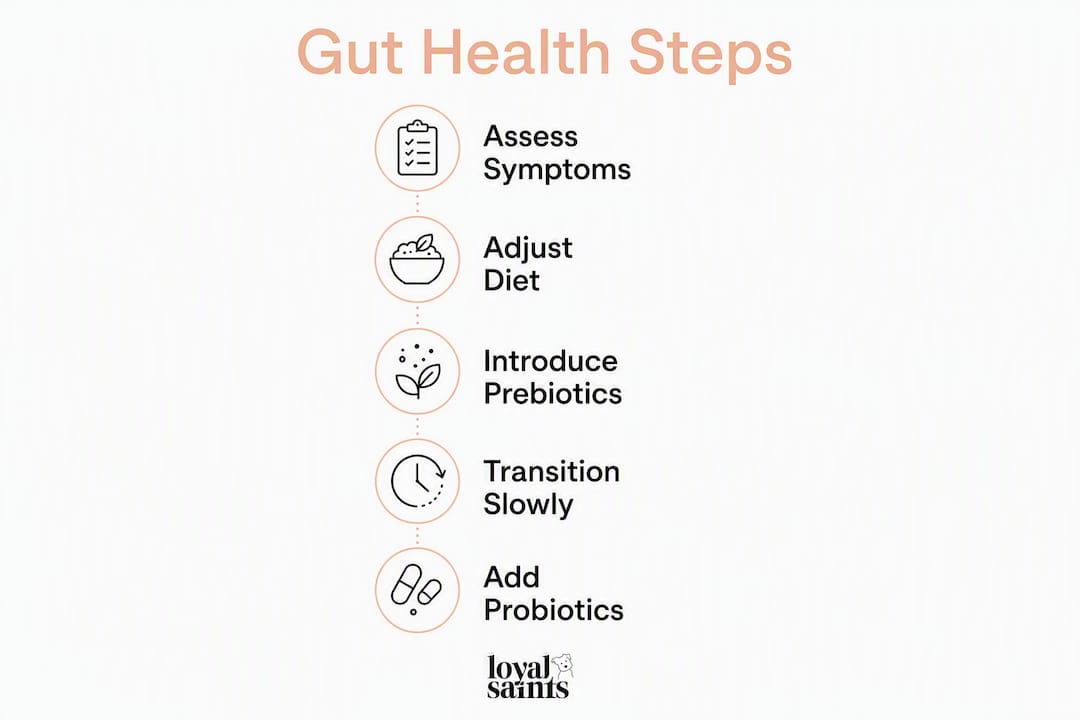
- Assess first. Check for blood in stool or vomit, severe lethargy, a distended abdomen, or repeated vomiting. If any of these are present, call your vet now — do not proceed with home management.
- Short supervised fast (12–24 hours). For healthy adult dogs, a brief fast gives the gut time to rest and can be an effective first-line step. Always provide fresh water. Skip this step for puppies, seniors, diabetic dogs, or any dog with a known metabolic condition.
- Prioritize hydration. Offer small amounts of water frequently. If your dog is reluctant to drink, a small amount of low-sodium chicken broth (no onion or garlic) can encourage fluid intake.
- Introduce a bland diet. Boiled chicken breast and plain white rice (roughly 1:2 ratio) is the classic starting point. Feed small, frequent meals for 24–48 hours before beginning a gradual transition back to the regular diet.
- Add plain canned pumpkin. One to four teaspoons (depending on size) mixed into the bland meal supports stool consistency through soluble fiber.
- Give a pet-specific probiotic. Choose a product with a named canine strain and a stated CFU count. Start at the lower end of the 1–10 billion CFU range.
- Monitor for 24–48 hours. Log stool consistency, energy, appetite, and water intake. If symptoms worsen at any point, or if there’s no improvement after 48 hours, call your vet.
For natural digestive health support beyond the acute phase, a consistent diet-first approach is what produces lasting results.
Why freeze-dried whole-food diets support gut health
The connection between food processing level and gut microbiome diversity is well-established. Ultra-processed diets limit the variety of fermentable substrates that beneficial bacteria need, while whole-food diets provide a broader range of nutrients, intact fiber, and natural micronutrients that support a more diverse microbial community.
Freeze-dried raw diets occupy a useful middle ground: they preserve the nutritional profile of raw whole foods without the food-safety concerns of fully raw feeding. The freeze-drying process retains intact proteins, omega-3 fatty acids (which help regulate gut inflammation), and natural micronutrients that high-heat processing typically degrades.
| Feature | Benefit for gut health |
|---|---|
| Single-protein source | Ideal for elimination protocols; reduces reaction risk |
| Human-grade whole ingredients | Higher nutrient density, lower additive load |
| AAFCO-complete formulation | Balanced nutrition without supplementation guesswork |
| No fillers or synthetic additives | Fewer compounds that disrupt microbial balance |
| Freeze-dried preservation | Retains intact proteins and micronutrients |
Loyalsaintspets’s Freeze Dried Raw Beef (5oz) and Freeze Dried Raw Beef (14oz) are both single-protein, AAFCO-complete options made from human-grade ingredients with no fillers or synthetic additives. The 5oz size is practical for elimination trials or for owners who want to test tolerance before committing to a larger supply. The 14oz format suits dogs who have already confirmed tolerance and are using freeze-dried beef as a consistent dietary foundation.
Pro Tip: When using freeze-dried food as part of a gut-health transition, rehydrate it with warm water before serving. This increases moisture content (which supports digestion) and makes the food more palatable for dogs adjusting from kibble. Start at 10–15% of the meal and increase by 10% every 2–3 days.
Key Takeaways
A diet-first approach, combined with pet-specific probiotics and reduced harmful exposures, produces measurable gut health improvement in most dogs within 2–6 weeks.
| Point | Details |
|---|---|
| Diet is the foundation | Transition to a higher-quality, lower-carb, whole-food diet over 7–10 days using the gradual mixing schedule. |
| Use canine-specific probiotics | Choose strains like Enterococcus faecium SF68 or Bifidobacterium animalis AHC7 at 1–10 billion CFUs daily. |
| Add soluble fiber | Plain canned pumpkin (1–4 teaspoons daily) supports stool quality and feeds beneficial gut bacteria. |
| Know your red flags | Seek immediate vet care for blood in stool or vomit, distended abdomen, repeated vomiting, or severe lethargy. |
| Loyalsaintspets freeze-dried beef | Single-protein, AAFCO-complete, human-grade options in 5oz and 14oz sizes support elimination trials and ongoing gut-health diets. |
What the diet-first approach gets right that most owners overlook
Most gut-health conversations for dogs focus on what to add: a probiotic here, a supplement there. What gets less attention is the foundation those additions are built on. A probiotic given on top of a highly processed, low-fiber diet is working against the current — the diet itself keeps disrupting the microbial environment the probiotic is trying to support.
The evidence points clearly toward diet diversity as the primary driver of microbiome health. Varied whole-food ingredients provide a broader range of fermentable substrates, which means more diverse microbial populations, more SCFA production, and a stronger gut barrier. Supplements amplify a good diet; they can’t replace one.
There’s also a tendency to underestimate how long gut recovery takes. Owners who try a new food for two weeks and declare it “didn’t work” are often stopping just before the real changes would have shown up. Skin and allergy-related gut symptoms in particular need 6–8 weeks of consistent dietary support before you can fairly evaluate the result.
The other thing worth saying plainly: not every gut problem needs a supplement. A dog whose diet is already diverse, whole-food-based, and appropriately fibered may simply need a short bland-diet reset and time. Reaching for a probiotic or enzyme before addressing the diet is putting the cart before the horse. Start with what your dog eats every day — that’s where the biggest gains are.
Loyalsaintspets freeze-dried beef: a gut-friendly option worth trying
If you’re ready to put the diet-first plan into action, Loyalsaintspets makes it straightforward. The Freeze Dried Raw Beef (5oz) is a single-protein, human-grade option that works well as an elimination-trial protein or a whole-food topper — no fillers, no synthetic additives, and AAFCO-complete so you’re not guessing about nutritional balance. For dogs who’ve confirmed tolerance and need a consistent supply, the Freeze Dried Raw Beef (14oz) is the practical choice for ongoing use.
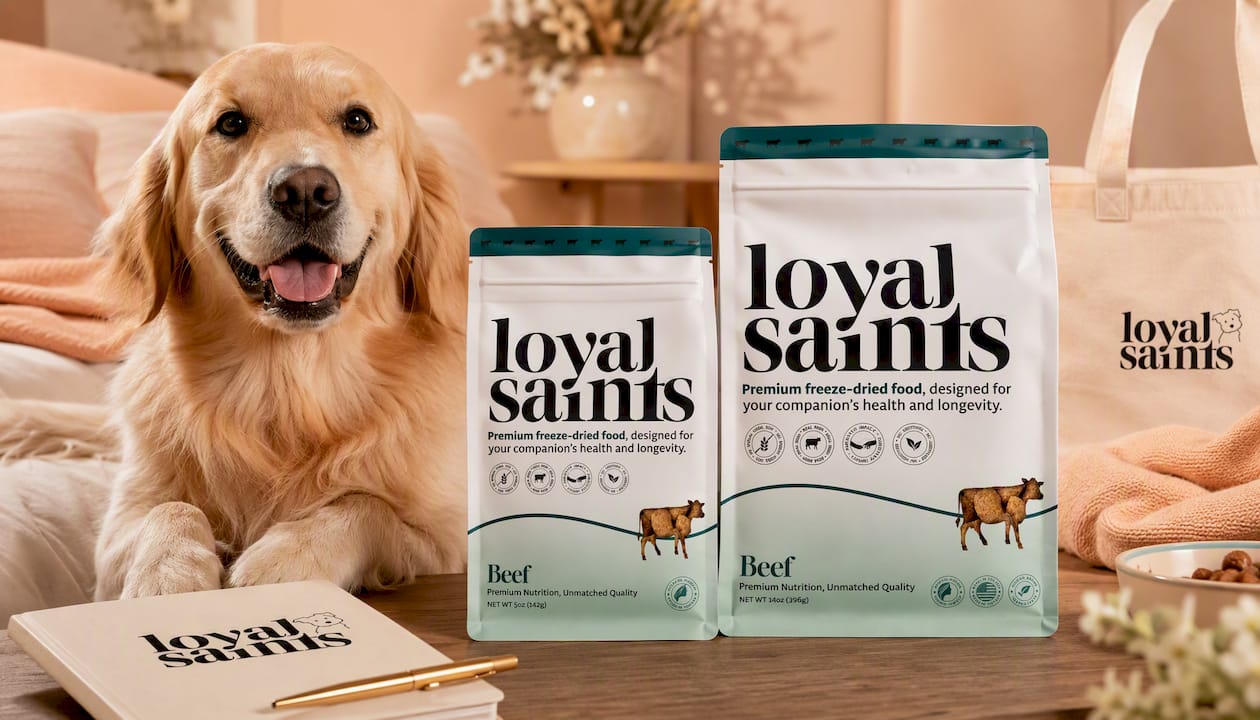
Both options rehydrate easily with warm water, making the transition from kibble gentler on sensitive stomachs. Start with a small topper and increase gradually over 7–10 days, monitoring stool and energy at each stage. Before any major diet overhaul, check in with your vet — especially if your dog has an existing health condition. And during the first week of any new food, log what you see. Small changes in stool consistency and energy are the earliest signs that the gut is responding well.
Useful sources for further reading
- A Review of Natural Gastroprotectants for Dogs — IVC Journal: Covers evidence-backed probiotic strains, soluble fiber guidance, and dosing ranges for canine gut support.
- Comparison of Nutraceuticals vs. Antibiotics for Acute Diarrhea in Dogs — MDPI Animals: Controlled trial comparing a symbiotic/nutraceutical formula to antibiotic treatment; useful for understanding when supplements are a legitimate first-line option.
- Gut Instinct: How Microbiota and Lifestyle Changes Can Help — AKC Canine Health Foundation: Accessible overview of the canine microbiome and lifestyle factors that influence it.
- What to Add to Your Dog’s Diet to Boost Gut Health — AKC: Practical dietary additions reviewed by veterinary experts.
- Symptoms of Poor Gut Health in Dogs — Vetnique: Vet-reviewed guide to recognizing digestive and non-digestive signs of gut imbalance.
Choosing a trustworthy probiotic: Look for a product that lists the specific strain name (not just the genus), states a CFU count per dose, confirms shelf stability at room temperature, and is formulated specifically for dogs. Products that only list “Lactobacillus” without a strain designation offer no guarantee of efficacy. When in doubt, ask your vet for a brand recommendation — they often have clinical experience with specific products that general reviews can’t replicate.
Recommended
- Healthy Dog Gut: Your 2026 Guide to Better Digestion | The Loved by Loyal Saints Blog
- How to Improve Dog Digestion Naturally for Better Health | The Loved by Loyal Saints Blog
- How to Improve Dog Digestive Health Naturally at Home | The Loved by Loyal Saints Blog
- Dog Digestive Health: Natural Solutions That Work | The Loved by Loyal Saints Blog


