
BARF (Biologically Appropriate Raw Food) mixes muscle meat, bone, organs, and some fruit or vegetable matter, while the Prey Model diet mimics a whole animal carcass with mostly meat, bone, and organs and skips the plant matter entirely. Choose Prey Model only if you can consistently source and balance whole-prey ratios yourself. Choose BARF if you want more flexibility, or lean on an AAFCO-complete freeze-dried product if you want raw-style nutrition without the DIY guesswork. Both approaches carry real nutritional and pathogen risks worth knowing before you start.
TL;DR:
- Using AAFCO-compliant freeze-dried raw products ensures balanced nutrition without the need for complex ratio calculations or homemade recipe adjustments.
- Prey Model diets require consistent access to whole prey items and precise ratios, making them less practical for most owners without veterinary guidance.
- Raw feeding carries a significant risk of pathogen exposure; proper handling and sourcing from suppliers with documented testing are essential to minimize household hazards.
- Both diet philosophies often fall short of meeting all nutritional needs without supplementation or professional formulation, especially in home recipes.
- Sourcing high-quality raw ingredients from trusted suppliers who prioritize traceability and pathogen testing helps reduce health risks and environmental impact.
Table of Contents
- BARF vs Prey Model: A Side-by-Side Look
- What Goes Into Each Diet: Ratios, Organs, and Supplements
- Does DIY Raw Actually Meet Nutritional Standards?
- How Risky Is Raw Feeding for Pathogen Exposure?
- How Do You Choose Between BARF, Prey Model, and Freeze-Dried?
- Where Freeze-Dried, AAFCO-Complete Food Fits In
- How Do You Source Raw Ingredients Safely?
- Does the Raw Diet You Choose Affect the Environment?
- An Evidence-Led Take on Raw Feeding
- Try Freeze-Dried Raw Without the DIY Risk
- Sources
- FAQ
BARF vs Prey Model: A Side-by-Side Look
The two philosophies split on one core question: does a dog need plant matter, or just animal parts? BARF says yes, a small amount helps round out fiber and micronutrients. Prey Model says no, a wild canine ancestor never ate a vegetable on purpose, so the diet should stay carnivorous.
That philosophical split changes everything downstream, from your grocery list to your risk of a nutrient shortfall.
- Composition: Prey Model runs close to 90% muscle meat, 10% bone, with organs folded into that bone percentage; BARF typically follows an 80/10/10 split: meat, bone, and organ, plus a small slice of vegetables, fruit, or a supplement blend.
- Owner effort: BARF asks you to juggle more ingredients and often a supplement kit; Prey Model asks for fewer ingredients but a stricter, less forgiving ratio.
- Sourcing flexibility: BARF adapts more easily to what your butcher or grocery store has on hand; Prey Model works best when you can access whole prey items or a wide variety of bone-in cuts.
- Nutritional accuracy: Neither approach is automatically complete. Both need careful math or a lab-tested recipe to avoid gaps.
- Best fit: Prey Model suits owners with reliable access to varied raw cuts and time to research ratios; BARF suits owners who want a bit more room to substitute ingredients week to week.
Life stage matters more than most new raw feeders expect. A growing puppy has a narrower margin for calcium and phosphorus error than an adult dog, which makes freehand ratio guessing riskier during that window. Senior dogs with kidney or dental issues often do better on a softer, more consistent formulation than either raw model can guarantee at home.
This is where an AAFCO-complete freeze-dried product earns its place in the conversation. It keeps the raw, minimally processed ingredient profile owners want from BARF or Prey Model, but the ratios are formulated and lab-checked before the bag ever reaches your kitchen. For owners who like the idea of raw feeding but not the idea of becoming an amateur nutritionist, that middle path solves the biggest weakness of both DIY models at once.
What Goes Into Each Diet: Ratios, Organs, and Supplements
Ratios are where good intentions go wrong most often. Here’s how the two models typically break down, and why the numbers matter more than they look at first glance.
- BARF’s 80/10/10 (plus extras): 80% muscle meat, 10% raw edible bone, 10% organ (half of that liver), with a small addition of vegetables, fruit, or a supplement to round out fiber and vitamins.
- Prey Model’s 90/10 or 95/5: 90 to 95% meat and bone combined, 5 to 10% organ, no plant matter, built to mirror what a whole prey animal’s body actually contains.
- Organ selection matters: liver supplies vitamin A and copper, kidney adds trace minerals, and spleen or heart contributes iron and taurine. Skipping organs entirely is one of the most common home-recipe mistakes.
- Bone choice affects safety: raw chicken necks, backs, and wings are softer and easier to digest than weight-bearing bones like beef femurs, which can fracture teeth or splinter under bite pressure.
- Supplements often needed: calcium and vitamin D, iodine, and zinc or copper are the minerals home recipes miss most, since muscle meat alone runs short on all of them.
Commercial raw meat-based diets don’t automatically solve this. Lab testing of packaged raw products has found frequent label and analysis discrepancies, with some products running high in fat while under-delivering the protein or minerals printed on the bag. An AAFCO “complete and balanced” statement on the label is the fastest way to check whether a product has actually been formulated to meet minimum nutrient standards, rather than just assembled from raw-sounding ingredients. Our guide to AAFCO feeding trials versus formulation breaks down exactly what that label claim does and doesn’t guarantee.
Does DIY Raw Actually Meet Nutritional Standards?
Most of the time, no, and the gap is bigger than most owners assume. A study of 200 home-prepared recipes for healthy dogs found that 95% had at least one essential nutrient below AAFCO minimums. That’s not a fringe result. It’s the norm for recipes written without a veterinary nutritionist’s input.
By the numbers: 95% of 200 home-prepared dog recipes fell short of at least one essential nutrient, and even commercial raw products tested showed calcium or phosphorus deficits in 22 to 32% of products checked.
The consequences aren’t abstract. Calcium and phosphorus imbalances during growth are linked to developmental bone disease in puppies, and long-term deficiencies in taurine or other amino acids have shown up in dogs with diet-associated cardiomyopathy. Clinical reviews of raw meat-based diets have also documented bone-related injuries and thyroid hormone abnormalities tied to inconsistent formulation. Even recipes that look balanced on paper can fall short in practice, since nutrient bioavailability doesn’t always match lab math, which is exactly why blind ratio-following is riskier than it feels.
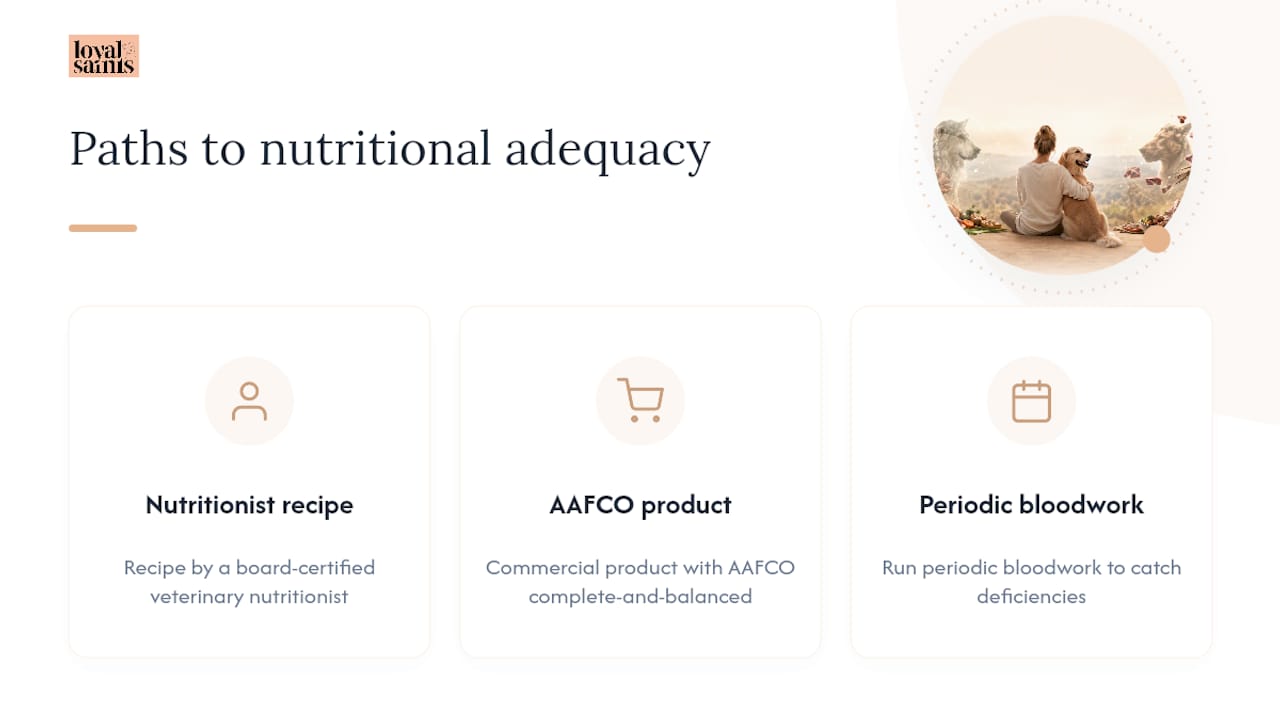
The fix isn’t complicated, even if it takes more effort upfront: use a recipe formulated by a board-certified veterinary nutritionist, choose a commercial product carrying an AAFCO complete and balanced statement, or run periodic bloodwork to catch a slow-building deficiency before it becomes a diagnosis. Our post on balanced canine nutrition basics walks through what a genuinely complete diet needs to cover.
How Risky Is Raw Feeding for Pathogen Exposure?
This is the part vets bring up first, and for good reason. About 1 in 3 frozen raw meat diets purchased online tested positive for foodborne pathogens like Salmonella, Listeria, or E. Dogs can also shed pathogens without showing symptoms after eating contaminated raw food, sometimes for days, which turns a healthy-looking dog into a household transmission risk.
Children, elderly family members, pregnant people, and anyone immunocompromised face the highest risk from that shedding. Cornell’s Riney Canine Health Center recommends treating raw pet food with the same caution you’d use for raw meat destined for a human plate, or avoiding it altogether in high-risk households.
A few handling rules cut that risk substantially:
- Thaw raw food in the refrigerator, never on the counter.
- Feed on a dedicated surface you can disinfect immediately after, not near your prep area.
- Never rinse raw food or bowls in the kitchen sink; wash in a separate basin or run items through a dishwasher’s sanitizing cycle.
- Wash hands and any tools with hot soapy water immediately after handling.
- Store raw food separately from human food, ideally on the bottom shelf of the freezer or fridge.
Pro Tip: Keep a dedicated set of raw-feeding bowls, scoops, and cutting boards that never touch human food prep areas. It’s a small habit that closes most of the cross-contamination gap in one move.
How Do You Choose Between BARF, Prey Model, and Freeze-Dried?
Your dog’s life stage, your household’s vulnerability, and your own bandwidth for research all point toward one answer faster than you’d think.
- Assess your dog and household: puppies, seniors, and dogs with existing health conditions need tighter nutrient control; homes with young kids, elderly relatives, or immunocompromised members need stricter pathogen control.
- Choose Prey Model only when you have reliable access to varied whole-prey cuts and are working with a veterinary nutritionist to check your ratios over time.
- Choose BARF when you want more ingredient flexibility, paired with a vet-formulated recipe rather than one pulled from a forum post.
- Choose an AAFCO-complete freeze-dried product when you want raw ingredient quality without owning the formulation risk yourself.
- Start slow either way: transition over 5 to 7 days, watch stool consistency and energy levels, and recheck weight and coat condition at the two-week mark.
Whichever path you pick, loop in your vet before you commit long-term, and confirm any commercial product’s AAFCO statement before it becomes your dog’s everyday food. Our comparison of raw versus cooked dog food safety is a useful next stop if you’re still weighing whether raw feeding fits your household at all.
Where Freeze-Dried, AAFCO-Complete Food Fits In
Some freeze-dried dog food brands address the gap this comparison exposes: owners want the ingredient quality of raw feeding without gambling on home-recipe math or a contaminated batch. Some recipes use human-grade proteins with no fillers or synthetic additives and are formulated to meet AAFCO complete and balanced standards, so the calcium, phosphorus, and trace mineral work is pre-done.
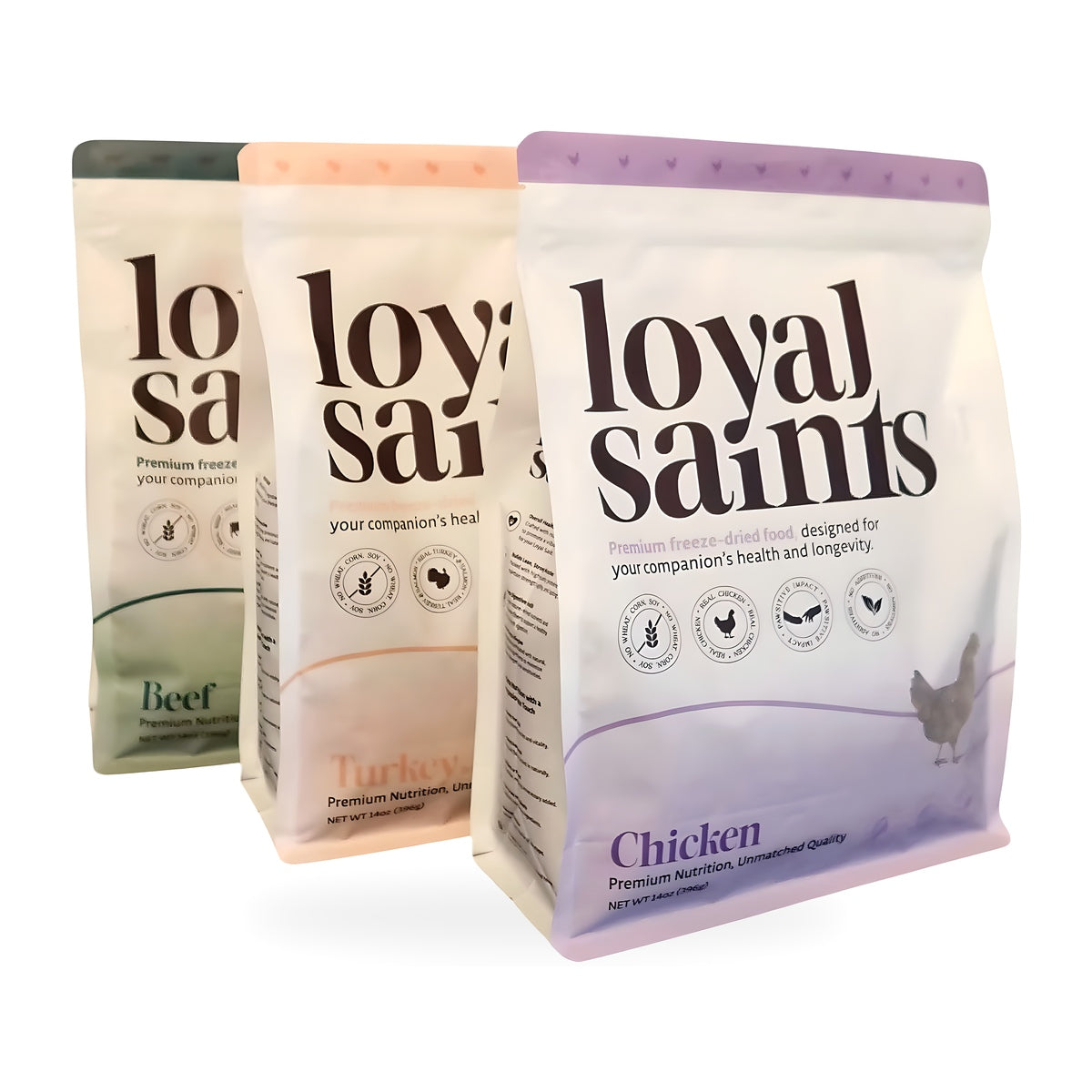
That makes it a fit for exactly the households flagged in the decision checklist above: growing puppies who need tighter ratios, homes with young kids or older relatives where pathogen exposure carries more weight, and owners who simply don’t have hours to spend balancing a spreadsheet of raw cuts every week.
How Do You Source Raw Ingredients Safely?
Sourcing is where a lot of home raw feeding quietly falls apart, even with the ratios figured out. Buying meat, bone, and organs from a grocery store’s regular meat case is convenient, but it’s not always handled or labeled with pet feeding in mind, and it rarely tells you anything about how the animal was raised or what it was fed.
A butcher who sells directly to raw feeders, or a supplier that specifically packages pet-grade cuts, tends to give you better traceability, since they can usually tell you the farm or processor of origin. Look for suppliers who freeze product promptly after processing, since fast freezing limits bacterial growth far better than meat that’s sat refrigerated for days before reaching your freezer.
Organs deserve extra scrutiny. Liver and kidney concentrate whatever the animal was exposed to, including antibiotics or environmental toxins, so sourcing from animals raised without routine antibiotic use is worth the extra cost if you can find it. Ask suppliers directly about their testing practices for Salmonella and E. coli, since routine pathogen testing isn’t standardized across every raw supplier the way it is for human meat processing.
If sourcing safely feels like a part-time job on top of your actual job, that’s a legitimate reason to lean on a commercial product with documented testing behind it rather than assembling raw ingredients from five different vendors every month.
Does the Raw Diet You Choose Affect the Environment?
Raw feeding’s environmental footprint depends heavily on how far your ingredients travel and how much of the animal actually gets used. Prey Model feeding, done well, tends to use more of the animal, bone, organ, connective tissue, and muscle meat alike, which cuts down on the waste that comes from a diet built mostly around trimmed muscle cuts.
BARF’s inclusion of vegetables and fruit adds a produce supply chain on top of the meat supply chain, which usually means more packaging and more transportation miles unless you’re sourcing produce locally. Neither model is inherently greener than the other; it comes down to sourcing choices more than philosophy.
Buying directly from local farms or butchers shortens the supply chain and typically reduces the refrigeration and transport emissions tied to shipping frozen meat long distances. Commercial products, whether raw or freeze-dried, carry their own footprint from processing and packaging, though freeze-drying specifically reduces the energy needed for long-term storage since it eliminates the need for constant refrigeration or freezing after purchase. Sustainable packaging, where a brand offers it, is one concrete way to offset some of that footprint without changing what’s actually in the bowl.
An Evidence-Led Take on Raw Feeding
Owners choose raw feeding because it feels closer to what a dog’s body evolved to eat, and there’s real appeal in fewer processed additives and more visible, recognizable ingredients. That instinct isn’t wrong. But natural doesn’t automatically mean balanced or safe, and the data on home recipes and pathogen contamination backs that up clearly.
If you’re drawn to raw feeding, treat it like a project that deserves professional input, not a philosophy you can freehand. A conservative trial, careful sourcing, and a vet checking your work will get you further than conviction alone.
— Kristina
Try Freeze-Dried Raw Without the DIY Risk
If BARF and Prey Model both sound appealing but the ratio math and pathogen risk give you pause, Loyalsaintspets built its freeze-dried line specifically for that hesitation. It’s raw-style, human-grade nutrition that’s already formulated to meet AAFCO complete and balanced standards, so you get the ingredient quality without owning the formulation risk yourself.

The Freeze Dried Raw Beef 14oz bag runs $24.95 to $44.95 and works well as a primary food for single-protein feeders, while the Freeze Dried Raw Beef 5oz size is a practical way to test how your dog does before committing to a larger bag. If your dog does well on variety, or you simply want to rotate proteins, the Variety Pack featuring beef, chicken, and turkey with salmon covers three proteins in one order. Check each product’s AAFCO panel before you buy, and if you’re feeding long term, the Halo Club membership at $79.99 a year or $10.99 a month brings down your cost per bag while keeping shipping consistent. Start with the size that matches your dog’s current appetite, and adjust from there.
Sources
- Assessment of commercial raw pet food nutrition and labeling (PMC9495138)
- Raw foods for dogs: Evidence-based advice from the Riney Canine Health Center (Cornell)
FAQ
Why don’t vets like raw feeding?
Most veterinary caution comes down to two documented risks: home recipes frequently miss essential nutrients, and raw meat carries a real chance of Salmonella, Listeria, or E. coli contamination. Major veterinary associations, including the Canadian Veterinary Medical Association, have issued formal caution statements based on these documented risks rather than opposition to raw ingredients themselves.
What is the 80/10/10 rule for raw dog food?
The 80/10/10 rule is a BARF-style ratio guideline: 80% muscle meat, 10% raw edible bone, and 10% organ, with half of that organ portion typically coming from liver. It’s a starting framework, not a guarantee of nutritional completeness, since it doesn’t account for supplement gaps like iodine or vitamin D.
Is a BARF diet better for dogs than Prey Model?
Neither is inherently better; they suit different owners. BARF offers more ingredient flexibility and works well when paired with a vet-formulated recipe, while Prey Model suits owners with reliable access to varied whole-prey cuts and the time to track ratios closely.
What is the 90/10 rule for dogs?
It’s meant to mimic what a whole prey animal’s body naturally contains rather than a curated meal.
Are freeze-dried products a safer raw alternative?
Freeze-dried products formulated to meet AAFCO complete and balanced standards remove most of the ratio-guessing risk tied to home-prepared raw diets, since the nutrient math is done and tested before the product reaches you. They still deserve the same careful handling as any raw-style food, but they close the formulation gap that causes most DIY nutritional shortfalls.


