
Yes, a shelf-stable dog food can be every bit as nutritious as fresh or frozen food, but only when two conditions hold: it’s formulated to meet AAFCO’s complete and balanced standard, and it’s processed in a way that protects amino acid bioavailability. Freeze-drying is the standout method here. Peer-reviewed testing has found that freeze-dried formats often maintain amino acid digestibility at 90% or higher for many indispensable amino acids, numbers that rival or beat fresh, raw diets. That’s the science. AAFCO’s labeling framework is the paper trail that proves a manufacturer accounted for processing losses when it built the recipe, not just marketing copy promising freshness.
Loyal Saints Pets builds its freeze-dried lineup, including the Freeze Dried Raw Beef 14oz and Freeze Dried Raw Chicken 5oz, around exactly this logic.
Before you buy any shelf-stable food, check the bag for these three things:
- An AAFCO complete and balanced statement matched to your dog’s life stage
- A guaranteed analysis panel with real numbers, not vague “fresh” language
- Fully sealed, oxygen-barrier packaging with no punctures or swelling
Key Takeaways
Shelf-stable dog food retains nutrients reliably only when it pairs an AAFCO complete and balanced formulation with a low-heat process like freeze-drying that protects amino acid digestibility.
| Point | Details |
|---|---|
| Check the AAFCO statement first | Look for “complete and balanced” tied to your dog’s specific life stage before anything else. |
| Freeze-drying limits protein damage | Sublimation avoids the high heat that triggers the Maillard reaction and locks up reactive lysine. |
| Retort and kibble need more fortification | Higher thermal load in these formats generally means lower amino acid digestibility and heavier post-processing supplementation. |
| Packaging preserves what processing protects | A hermetic, oxygen-barrier seal prevents oxidation of fats and vitamins after processing ends. |
| Loyal Saints Pets builds around this evidence | Its freeze-dried Chicken, Beef, and Turkey with Salmon SKUs are AAFCO complete and formulated to support high nutrient retention. |
Table of Contents
- What “Shelf-Stable Fresh” Actually Means
- How Does Processing Affect Vitamins, Amino Acids, and Fats?
- What Does the Peer-Reviewed Evidence Actually Show?
- Freeze-Dried vs. Refrigerated Fresh vs. Retort vs. Kibble: What Actually Changes
- How to Evaluate a Shelf-Stable Food for Nutrient Retention
- How to Store Shelf-Stable Dog Food After You Open It
- Why We Formulate Around Nutrient Retention, Not Just Freshness Claims
- What Most Dog Owners Get Wrong About “Fresh” Food
- Ready to Feed Your Dog Food Built Around the Research?
- Sources
What “Shelf-Stable Fresh” Actually Means
“Shelf-stable fresh” sounds like a contradiction, and honestly, it kind of is marketing shorthand. It means a food made from fresh, whole ingredients that has then been processed and packaged so it doesn’t need refrigeration to stay safe. The safety comes from the packaging and process, not from the ingredients being any less perishable than what’s in your dog’s bowl at a fresh-food delivery service.
Here’s how the common formats break down:
- Freeze-dried: Raw or lightly cooked food is frozen, then placed in a vacuum chamber where ice sublimates directly into vapor. Almost no heat touches the protein.
- Retort-pouched or canned: Food is sealed in a container and heated under pressure to commercial sterilization temperatures, often above 240°F.
- Mild-cook fresh (HPP or sous-vide/steamed): Food is gently heated or pressure-treated to reduce pathogens while staying well below retort temperatures.
- Refrigerated fresh: Minimally processed food kept cold, with a shelf life measured in days to a few weeks.
- Extruded kibble: Ingredients are cooked under high heat and pressure, then pushed through a die and dried.
The term that actually matters here is thermal load, the total amount of heat energy a food absorbs during processing. Higher thermal load breaks down more heat-sensitive nutrients and damages more protein structure. When you see “fresh” on a shelf-stable bag, ask yourself what process got it there. A retort pouch and a freeze-dried pouch can both claim “fresh ingredients,” but they’ve been through very different thermal experiences.
How Does Processing Affect Vitamins, Amino Acids, and Fats?
Heat is the main enemy of nutrient retention, but it doesn’t attack every nutrient equally. B-vitamins like thiamine and folate are notoriously heat-labile. So is vitamin C. Both degrade progressively as temperature and processing time climb, which is why high-heat methods like extrusion and retort sterilization typically need heavier vitamin fortification after the fact to hit AAFCO’s nutrient profiles.
Protein damage is trickier to spot because a food can still look and smell fine while its amino acids have taken a hit. The key indicator here is reactive lysine, the portion of the amino acid lysine that remains chemically available for your dog’s body to use. When proteins are exposed to high heat, lysine binds with sugars in a process called the Maillard reaction (the same chemistry that browns a steak crust). That browning is flavorful on your dinner plate. In dog food, it means lysine becomes locked away and undigestible, even though the total lysine content on a lab panel might look unchanged.
Freeze-drying sidesteps most of this problem because it removes water through sublimation rather than heat evaporation. The food never gets hot enough to trigger significant Maillard browning, which is one reason freeze-dried products tested in independent analysis showed high essential amino acid digestibility alongside low reactive-lysine damage.
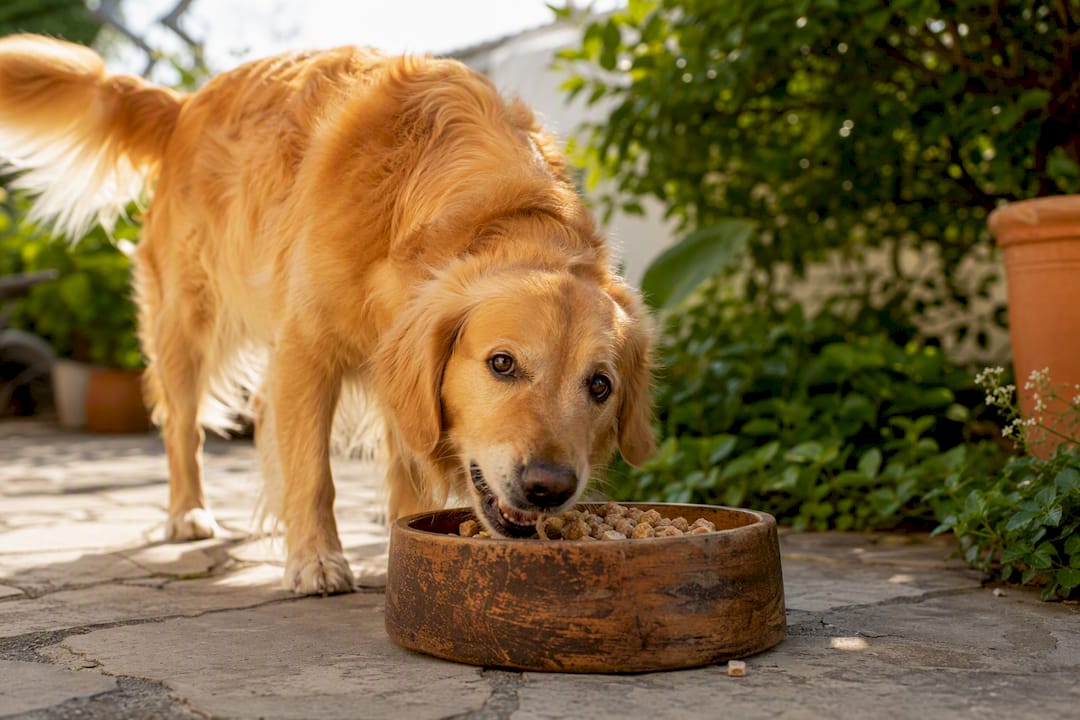
Packaging does the rest of the work. Once nutrients survive processing, oxidation is the next threat, especially to fats and fat-soluble vitamins. A sealed, oxygen-barrier pouch keeps air out and locks in whatever nutritional quality the process preserved.
A few nutrient categories to keep in mind:
- Heat-sensitive: thiamine, folate, vitamin C, reactive lysine
- Moderately stable: most minerals, many fat-soluble vitamins when packaging blocks oxygen
- Process-dependent: total protein content often stays similar across formats, but usable protein does not
What Does the Peer-Reviewed Evidence Actually Show?
The clearest data point comes from precision-fed assays comparing diets built from the same ingredients but processed differently. Retort-style, high-heat diets consistently showed lower indispensable amino acid digestibility than raw or gently cooked versions, while sous-vide and steamed preparations preserved nitrogen-corrected metabolizable energy better than retort, HPP, or freeze-dried diets in that particular trial. That last detail matters: freeze-drying wins on amino acid digestibility, but it isn’t automatically the top performer on every single metric in every study.
A separate dog feeding trial using a Latin-square design found that freeze-dried and frozen raw diets produced higher protein apparent total tract digestibility and lower fecal output than extruded kibble. Lower fecal output is a real-world signal, not just a lab number: it usually means your dog’s gut absorbed more of what it ate instead of passing it through.
| Format | Indispensable AA digestibility | Fecal/energy signal |
|---|---|---|
| Freeze-dried | Often ≥90% | Lower fecal output vs. kibble |
| Raw/frozen raw | High, often comparable to freeze-dried | Higher protein ATTD than extruded |
| Sous-vide/steamed | Moderate to high | Higher TMEn than retort in one trial |
| Retort/canned | Generally lower than raw | Higher heat exposure, more fortification needed |
| Extruded kibble | Lower protein ATTD than raw/freeze-dried | Highest fecal output in comparative trial |
Read these numbers with some caution. Sample sizes in pet food digestibility research tend to be small, some assays use precision-fed rooster models rather than dogs directly, and several studies draw from a limited set of commercial products. The direction of the findings is consistent across multiple trials, but treat any single percentage as a signal, not gospel.
Freeze-Dried vs. Refrigerated Fresh vs. Retort vs. Kibble: What Actually Changes
Every format trades something for something else. Here’s what tends to shift as you move between them:
- Freeze-dried shelf-stable: High amino acid digestibility, minimal heat damage, long shelf life, no refrigeration needed. Rehydration adds a small prep step.
- Refrigerated fresh: Similar nutrient profile to freeze-dried in many cases, but a short shelf life measured in days and mandatory cold-chain storage.
- Retort/canned: Long shelf life and strong pathogen safety from high-heat sterilization, but generally lower indispensable amino acid digestibility and heavier reliance on post-processing vitamin fortification.
- Extruded kibble: The most convenient and typically the least expensive, but the comparative feeding trial found the lowest protein digestibility and highest fecal output of the formats tested.
Watch your own dog for the real-world signals. Smaller, firmer stool volume often points to better nutrient absorption. A duller coat, more frequent digestive upset, or unexplained weight changes after a food switch are worth mentioning to your vet.
None of this means format alone decides quality. A poorly formulated freeze-dried food can still fall short of a well-formulated retort diet with proper fortification. Formulation and testing matter as much as the processing method itself, sometimes more.
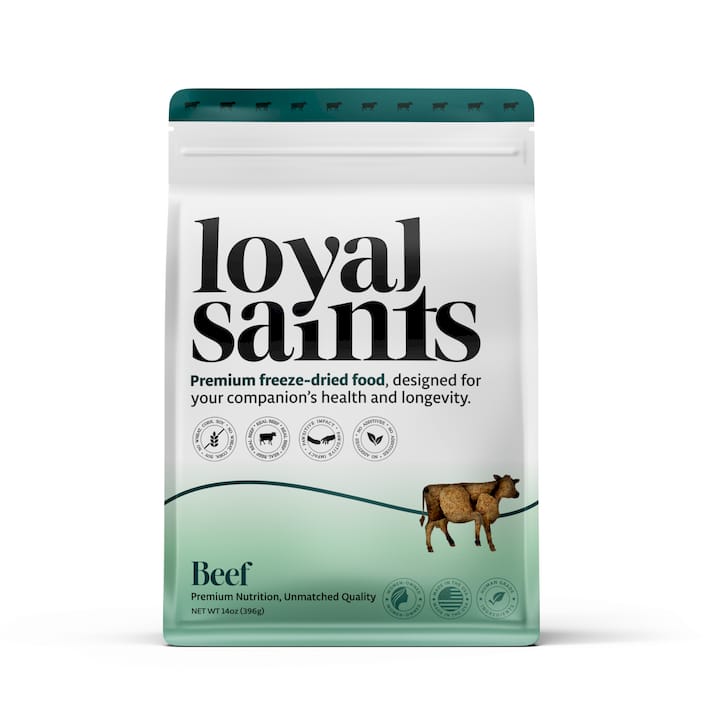
How to Evaluate a Shelf-Stable Food for Nutrient Retention
Start with the AAFCO statement. It should specify “complete and balanced” for a named life stage (growth, adult maintenance, or all life stages), not a vague wellness claim. Veterinary nutrition teams generally recommend treating this statement as the baseline filter before you look at anything else on the bag.
From there, dig a little deeper:
- Ask the manufacturer whether they test for reactive lysine or amino acid digestibility, not just crude protein percentage
- Check the ingredient order for named proteins first, not generic “meat meal” or unnamed fat sources
- Confirm the packaging uses a hermetic, oxygen-barrier seal, since that’s what actually keeps nutrients stable over months
- Read the feeding guidelines and compare calorie density to what your dog’s current food provides
Red flags include “fresh” claims with no formulation detail, missing guaranteed analysis panels, or a total absence of any life-stage designation.
Pro Tip: Call or email the manufacturer and ask specifically whether they’ve tested reactive lysine levels. A company that can answer that question confidently has usually done real nutritional homework, not just written good copy.
How to Store Shelf-Stable Dog Food After You Open It
Nutrient retention doesn’t stop at the factory door. What you do with the bag matters too.
- Before opening: Store unopened pouches in a cool, dry place away from direct sunlight. The hermetic seal is doing the preservation work, and commercial sterilization plus intact packaging is what makes shelf-stable food safe without refrigeration in the first place.
- After opening: Reseal tightly and use within the manufacturer’s stated window, typically a few weeks for freeze-dried products. Refrigeration after opening is smart even when not strictly required.
- Rehydrating: Use cool or room-temperature water rather than hot water, which can undo some of the heat-avoidance benefit freeze-drying gave you in the first place.
- Watch for trouble: A punctured pouch, a rancid smell, visible mold, or unusual discoloration means the food’s integrity is compromised. Toss it.
Why We Formulate Around Nutrient Retention, Not Just Freshness Claims
Loyal Saints Pets built its freeze-dried line around the evidence above, not around the word “fresh” as a selling point. Every SKU is formulated to meet AAFCO’s complete and balanced standard, then supplemented post-processing to correct for whatever minor losses freeze-drying does cause.
The lineup covers different needs:
- Freeze Dried Raw Chicken (14oz / 5oz): A gentle single-protein option, good for dogs with sensitivities or owners just starting a freeze-dried transition
- Freeze Dried Raw Beef (14oz / 5oz): A richer protein source suited to adult maintenance and active dogs
- Freeze Dried Raw Turkey with Salmon (14oz / 5oz): A dual-protein blend with added omega fatty acids from salmon
Every pouch ships shelf-stable, so there’s no cold-chain shipping cost, and subscription orders through Halo Club add free shipping perks on top.
| Product | Best fit |
|---|---|
| Freeze Dried Raw Chicken | Sensitive stomachs, new transitions |
| Freeze Dried Raw Beef | Adult maintenance, active dogs |
| Freeze Dried Raw Turkey with Salmon | Dogs needing extra omega support |
What Most Dog Owners Get Wrong About “Fresh” Food
The conventional wisdom treats “fresh” and “shelf-stable” as opposites, and that framing has led a lot of dog owners astray. The real dividing line isn’t shelf life. It’s thermal load, and specifically whether the process left indispensable amino acids in a form your dog’s body can actually use.
I’d argue the industry has spent too much energy selling the emotional appeal of “fresh” and not enough explaining reactive lysine, amino acid digestibility, or what an AAFCO statement is actually guaranteeing. That’s a disservice to owners who genuinely want to make an informed choice, not just a comfortable-sounding one.
If you take one thing from the research, take this: format is a proxy, not the answer. Freeze-drying earns its reputation because the data backs it up, amino acid digestibility often at or above 90%, lower thermal damage to protein, and no need for the heavy fortification that high-heat methods require. But a freeze-dried bag with a sloppy formulation and no AAFCO statement is still a bad bag. Check the label before you check the marketing.
— Kristina
Ready to Feed Your Dog Food Built Around the Research?
Loyal Saints Pets formulates every freeze-dried recipe to hit AAFCO’s complete and balanced standard while preserving the amino acid digestibility that shelf-stable feeding depends on. That’s the exact criteria this article just walked you through, applied to human-grade proteins with no fillers or synthetic additives.
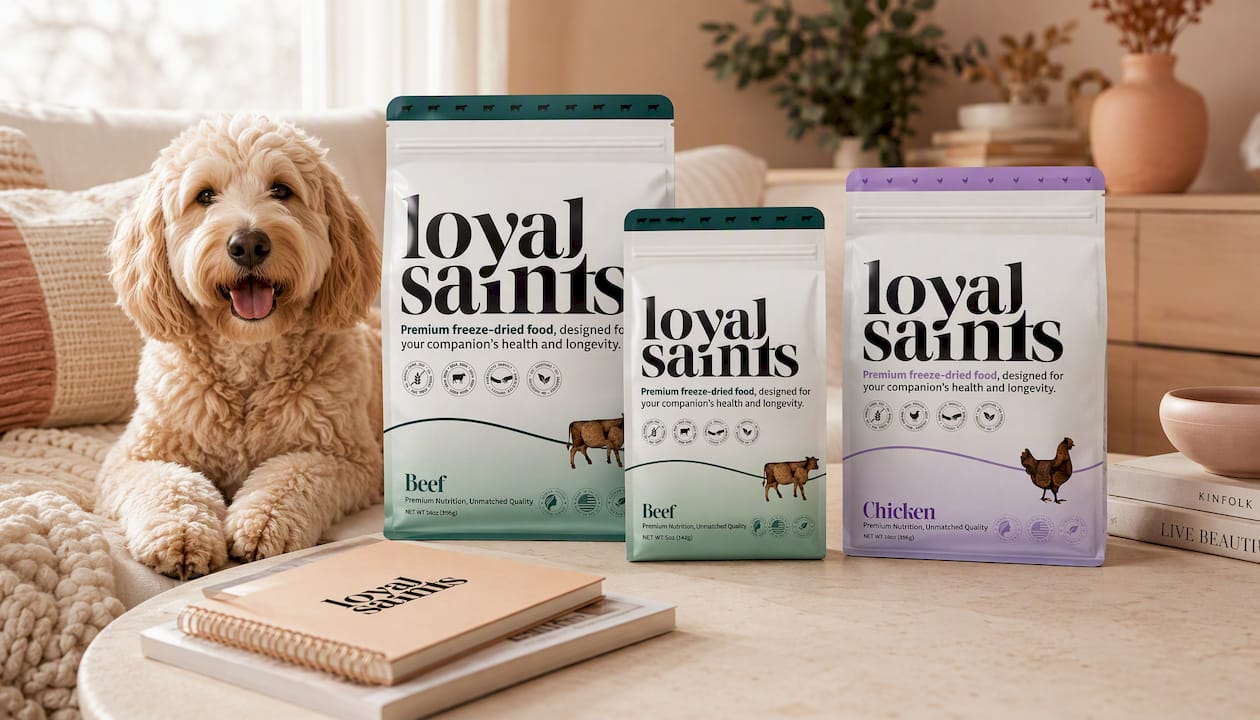
If you want to see the reasoning behind the process itself, Why Freeze Dried? walks through how the method protects nutrients from farm to bowl. Ready to try it? Start with the Freeze Dried Raw Chicken 14oz, a gentle entry point for most dogs, and join Halo Club for recurring savings and free shipping on every order.
Sources
- PMC article (comparative study of processing methods)
- Apparent total tract nutrient digestibility and effects on metabolites and fecal characteristics (Translational Animal Science, 2024)
- AAFCO


