
A properly formulated commercial raw or freeze-dried diet can genuinely benefit athletic dogs, thanks to higher energy density and better digestibility. But this only holds true when the food is AAFCO-complete, handled like the raw meat it is, and cleared with your veterinarian first. Pathogen risk is real, and it’s the single biggest reason to skip homemade recipes in favor of tested, complete freeze-dried raw dog food products.
TL;DR:
- Raw or freeze-dried diets with AAFCO approval can improve stool quality, coat condition, and health markers, but benefits are modest and individualized responses vary.
- Pathogen risks remain since freeze-drying does not sterilize meat, requiring strict handling protocols, especially with vulnerable household members.
- Performance athletes need tailored macronutrient ratios based on activity type, with gradual fat increases over four to six weeks to avoid gastrointestinal issues.
- Not all raw products are complete or tested equally; look for clear AAFCO statements, actual feeding trials, and microbiological testing for safety and nutritional adequacy.
- Transitioning should be slow over six weeks, with vet consultation, detailed monitoring, and consideration of diet as part of a holistic performance plan.
Table of Contents
- Is a Raw Diet Good for Athletic Dogs?
- What Are the Risks of Feeding Raw to Dogs?
- How Much Protein and Fat Does an Athletic Dog Need?
- How Do You Choose a Safe Commercial Raw Product?
- How Do You Transition an Athletic Dog to Raw Food?
- Which Supplements and Health Checks Matter Most?
- How Loyalsaintspets Supports Athletic-Dog Nutrition
- A Practical Path Forward for Raw-Fed Athletes
- Freeze-Dried Options Built for Active Dogs
- Sources
Is a Raw Diet Good for Athletic Dogs?
The short answer: for many high-drive, high-output dogs, yes, but the benefits are more nuanced than raw feeding forums suggest. Sport dogs, working dogs, and dogs with demanding daily exercise loads burn through calories differently than a couch companion does, and that changes what “good nutrition” even means for them.
Several benefits show up consistently in the research, even though the evidence base is still developing.
What the studies actually show:
- Improved stool quality and firmer, less voluminous output, which matters for dogs training or competing on tight schedules
- Better coat condition, often visible within weeks of a diet switch
- Slightly improved composite clinical health scores in dogs fed raw meat-based diets compared with kibble-fed dogs, along with lower alkaline phosphatase and globulin and higher lymphocyte counts, according to a cross-sectional study comparing raw and kibble diets
- Possible anti-inflammatory and microbiome shifts, though researchers describe this signal as inconsistent across study designs and product formulations
Quick Stat: In one comparison of raw-fed (n=28) and kibble-fed (n=27) dogs, the raw group showed a statistically significant improvement in composite clinical health score (P = 0.03). It’s a real finding, but a small sample size like this can’t tell you how your individual dog will respond.
The performance mechanics behind these benefits are fairly intuitive once you break them down. Fat carries more than twice the calories per gram than protein or carbohydrate does, so a fat-forward raw or freeze-dried diet delivers more usable energy in a smaller meal. That matters for a dog running agility courses on a Saturday or pulling a sled for six hours. Amino acids in raw, minimally processed proteins also tend to be highly bioavailable, giving muscles the building blocks they need for repair after a hard training session.
None of this means raw feeding is a guaranteed performance upgrade. Veterinary nutritionists at NC State’s veterinary hospital point out that owner-reported benefits often get tangled up with other changes happening at the same time, like a new training block, added joint supplements, or simply more attentive care during a diet transition. A dog’s shinier coat might be the food. It might also be the fish oil you started giving alongside it.
The honest takeaway is this: raw and freeze-dried diets show a real, if modest, benefit signal for digestibility, stool quality, and coat health, with weaker but promising signals on inflammation. Energy density and amino acid quality make physiological sense as performance levers. What the research doesn’t yet support is the claim that raw feeding alone transforms performance. Diet is one input among several, and it works best as part of a plan your vet has actually reviewed.
What Are the Risks of Feeding Raw to Dogs?
Freeze-drying does not sterilize meat. That single fact should shape every decision you make about raw feeding, because pathogens like Salmonella and certain strains of E. coli can survive the freeze-drying process and remain dormant in the finished product, according to Cornell’s Riney Canine Health Center. Cornell’s guidance is blunt on this point: treat freeze-dried and frozen raw products with the exact same caution you’d use for a package of raw chicken thighs from the grocery store.
This isn’t just about your dog’s health. Raw and freeze-dried products can carry bacteria that transfer to household surfaces, hands, and other pets, and public-health researchers have flagged this cross-contamination risk in homes where raw feeding is common, per the Riney Canine Health Center’s evidence review. If anyone in your household is pregnant, immunocompromised, elderly, or very young, that risk calculation changes.
Here’s a practical handling protocol that reduces the risk substantially:
- Wash your hands with soap and warm water before and after handling any raw or freeze-dried product, even the “dried” ones.
- Use a dedicated food scoop and bowl for raw meals, and run them through the dishwasher or hand wash with hot, soapy water after every use.
- Rehydrate freeze-dried food on a cleanable surface, not your kitchen counter’s porous cutting board, and disinfect that surface immediately after.
- Store raw and freeze-dried products away from human food, and keep them out of reach of children and immunocompromised family members.
- Keep raw-fed dogs’ bowls and feeding areas separate from high-traffic household zones, especially if young kids are around.
- If your dog or a household member develops unexplained vomiting, diarrhea, or fever after a raw feeding, contact your veterinarian or physician promptly and mention the diet.
Pro Tip: Freeze the scoop, not just the food. Keeping a dedicated raw-food scoop in the freezer between uses (sealed in a small bag) keeps bacteria from multiplying on a damp utensil sitting on your counter overnight.
If you ever suspect a specific product caused illness in your dog or a family member, report it. The FDA accepts complaints about pet food safety concerns, and that reporting pathway exists precisely because pattern detection across many households is how contamination issues get caught early. Our detailed raw diet safety guide walks through the full handling checklist step by step, and our raw dog food safety resource covers household-specific precautions in more depth.
How Much Protein and Fat Does an Athletic Dog Need?
Macronutrient needs shift depending on what kind of athlete your dog actually is, and lumping “high-energy dog nutrition” into one blanket recommendation misses the mark. A dog doing 90-second agility runs has very different fuel needs than a dog pulling a sled for hours or working search-and-rescue shifts all day.
Performance nutrition research, including guidance from Today’s Veterinary Practice, breaks recommendations down by event type, expressed as grams per 1,000 kcal rather than as raw percentages:
- Short-distance/sprint dogs (agility, flyball, short-burst work): roughly 60 g protein and 40 g fat per 1,000 kcal, leaning on quick-access energy and glycogen replenishment between bursts.
- Intermediate-duration dogs (herding, moderate hiking, field trials): a middle ground, typically increasing fat somewhat above sprint levels to extend sustained output.
- Endurance dogs (sledding, long-distance running, extended search-and-rescue shifts): roughly 90 g protein and 60 g fat per 1,000 kcal, since sustained work relies heavily on fat oxidation rather than fast glycogen bursts.
- Growing puppies in early training programs: higher protein needs relative to body weight, with careful calcium and phosphorus balance to avoid skeletal issues.
- Senior athletes easing into lighter work: generally lower total calories but still elevated protein to protect lean muscle mass during the aging process.
Here’s the part that trips up a lot of owners: the guaranteed analysis on a bag or pouch, those neat little percentages for protein, fat, and fiber, tells you almost nothing useful on its own. Those numbers are calculated on an “as fed” or dry-matter basis, not a caloric basis, so comparing a freeze-dried product’s 45% protein to a kibble’s 28% protein is comparing two different math systems entirely. To make a real comparison, convert both products to grams of nutrient per 1,000 kcal, which normalizes for moisture content and calorie density. This is standard practice among performance-dog nutritionists, and it’s the only way a label comparison actually means anything.
If you’re planning to increase your dog’s fat intake meaningfully, whether to fuel more endurance work or add condition heading into a competitive season, do it gradually. Dogs’ digestive systems typically need four to six weeks to adjust to a higher-fat diet without triggering loose stool or pancreatic stress. Watch stool consistency and energy levels weekly during that window, and back off the pace of increase if you see soft stool that doesn’t resolve within a few days. Our guide on how protein and fat impact canine endurance goes deeper into tailoring these ratios by sport.
How Do You Choose a Safe Commercial Raw Product?
Not every bag or pouch labeled “raw” or “freeze-dried” is complete and balanced, and that distinction matters more than most packaging makes clear. Some products are formulated as a full diet; others are meant as toppers or treats and will leave gaps if fed as a dog’s sole food source.
Run through this checklist before you commit to a product for regular feeding:
- Look for the AAFCO nutrient adequacy statement. It should specify the life stage the food is formulated for (growth, adult maintenance, or all life stages), not just say “complete and balanced” with no further detail.
- Check whether the manufacturer ran an actual AAFCO feeding trial versus simply formulating to meet the nutrient profile on paper. Feeding trials are the more rigorous standard, though few manufacturers currently conduct them, according to a review of raw meat-based diet risks and benefits.
- Ask about microbiological testing practices. Reputable brands test batches for pathogens like Salmonella and Listeria before products ship, not just at the raw-ingredient stage.
- Read the label for life-stage suitability, especially if you’re feeding a growing puppy in training, since calcium and phosphorus ratios matter enormously during skeletal development.
- Watch for red flags: no nutrient adequacy statement at all, vague “human-grade” claims with zero nutrient completeness backing, or bone-heavy homemade-style mixes marketed for puppies without calcium and phosphorus balancing.
Quick Stat: Reviews of raw meat-based diets note that home-prepared recipes frequently fall short of complete nutrition, while commercial products vary widely in quality control and testing rigor.
One more thing worth clarifying: freeze-drying is a preservation method, not a cooking method. It removes moisture through a low-temperature vacuum process, which locks in nutrients and extends shelf life without heat degrading proteins. It does not kill bacteria, which circles back to why handling protocols matter regardless of how “convenient” a freeze-dried pouch feels. Convenience and safety are two separate questions, and a good product answers both.
How Do You Transition an Athletic Dog to Raw Food?
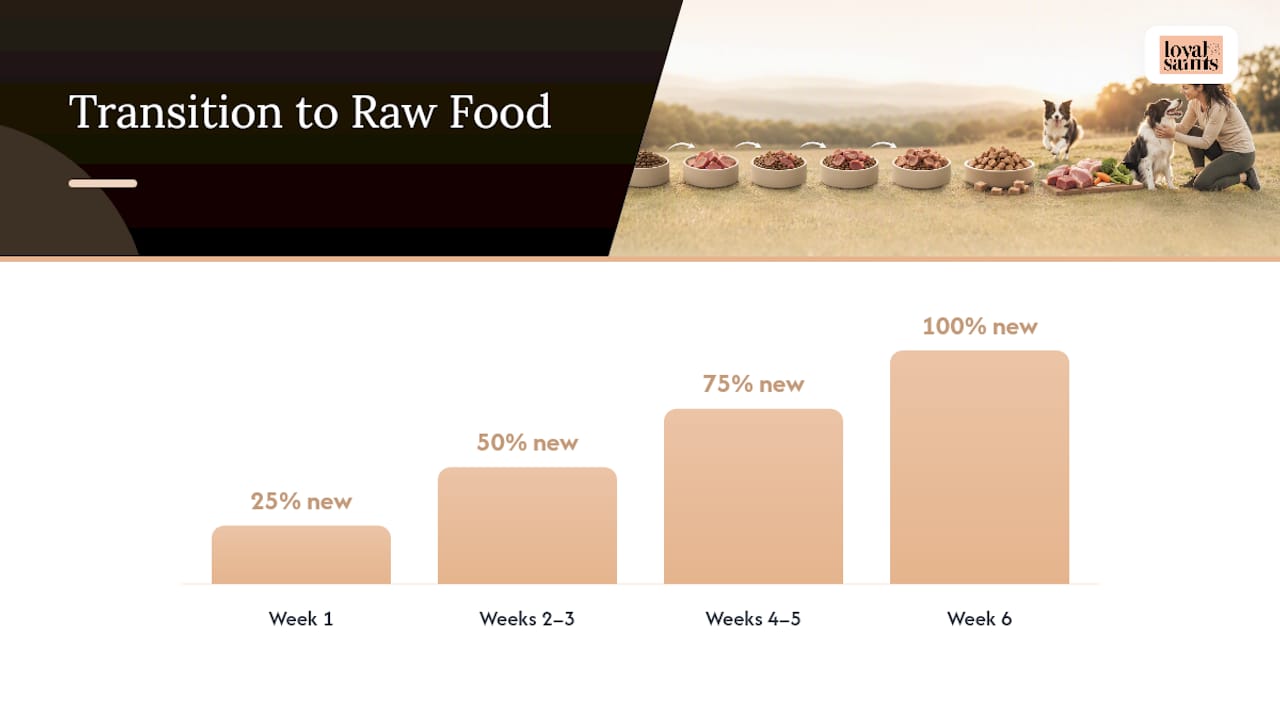
Switching a working or competing dog onto a new diet mid-season is asking for trouble, so timing the transition matters as much as the food itself. Build in a two to six week window, and never make the switch during a heavy competition stretch or right before a big event.
Here’s a practical framework:
- Week 1: Mix 25% new food with 75% current food. Watch for stool changes and appetite shifts.
- Weeks 2 to 3: Move to a 50/50 blend, checking body condition score weekly and adjusting portions if your dog starts gaining or losing weight unexpectedly.
- Weeks 4 to 5: Shift to 75% new food, 25% old, and start fine-tuning fat levels if you’re targeting a higher-energy formula for endurance work.
- Week 6: Complete the transition to 100% new food, assuming stool, coat, and energy all look stable.
For portion math, start with your dog’s resting energy requirement, then multiply by an activity factor that reflects actual workload, not aspirational workload. A dog doing light daily walks needs a much smaller multiplier than one training for competitive obedience trials five days a week. Once you have total daily kcal, convert to grams of your specific product using its kcal-per-gram value, which is typically listed on the packaging or available from the manufacturer directly. If you need to add calories for a harder training block, add them primarily through fat rather than protein, since fat delivers more energy per gram without overloading kidneys with excess protein your dog doesn’t need.
Timing meals around exercise matters more for athletic dogs than casual pets. Feed the main meal four to six hours before intense exercise to avoid gastrointestinal distress, and offer only a small snack one to two hours before if your dog needs a pre-workout boost. During exercise, especially in heat, offer small sips of water every 15 to 20 minutes rather than letting your dog gulp a large volume at once, which can trigger bloating or discomfort. In warm conditions, highly active dogs may need up to 50% more water than usual, so pre-hydrating by mixing a little extra water into meals on hot days is a smart habit.
Pro Tip: Weigh your dog’s food, don’t eyeball it. A kitchen scale takes the guesswork out of portioning and makes it much easier to spot when a training block genuinely needs more calories versus when your dog’s just begging harder.
Our guide to high-energy dog diets for active dogs covers portion sizing in more detail if your dog’s workload varies seasonally.
Which Supplements and Health Checks Matter Most?
Most athletic dogs on a well-formulated raw diet don’t need a cabinet full of supplements, but a few have real evidence behind them. Omega-3 fatty acids, specifically EPA and DHA from fish oil, support joint comfort and may help manage exercise-induced inflammation. Joint-support compounds like glucosamine and chondroitin have more mixed evidence, but many trainers of high-impact sport dogs use them preventively, particularly in breeds prone to joint stress.
Be cautious about megadosing anything, including fat-soluble vitamins and calcium. More is not automatically better, and excess calcium in particular can interfere with skeletal development in young dogs or create imbalances in adults.
Baseline monitoring for raw-fed athletic dogs should include:
- A complete blood count (CBC) and chemistry panel at the start of the diet to establish a baseline
- Urinalysis to catch early kidney or urinary changes, especially relevant given the higher protein loads in performance diets
- A retest every six to twelve months, or sooner if you notice anything concerning
- Regular body condition scoring, ideally monthly during active training seasons
Watch for red flags that warrant a call to your vet: persistent GI upset, unexplained weight loss, lethargy that doesn’t match training load, or abnormal bloodwork on a routine check. In puppies specifically, watch closely for signs tied to calcium and phosphorus imbalance, including limping, joint swelling, or abnormal gait, since growing skeletons are especially sensitive to raw diet formulation errors.
How Loyalsaintspets Supports Athletic-Dog Nutrition
Freeze-dried formulas can be built around principles of complete nutrition, real ingredients, and formulations that hold up to scrutiny. Well-crafted recipes are AAFCO-complete, meaning they are formulated to meet nutrient adequacy standards rather than just calling themselves “raw” and hoping owners don’t check the label.
A few things worth knowing about how the brand supports performance-focused feeding:
- Products are developed with input from a veterinary and nutrition advisory resource, so formulation decisions aren’t guesswork.
- Freeze-dried formats stay shelf-stable without refrigeration, which matters for owners who travel to competitions or trials and need food that survives a cooler bag.
- Single-protein options let you rotate proteins or isolate one if your dog has sensitivities, without losing nutritional completeness.
- The Why Freeze Dried resource explains the preservation process in plain terms, including why handling precautions still apply.
For owners comparing formats side by side, the freeze-dried versus kibble comparison breaks down the energy and health differences using the same clinical research referenced earlier in this piece.
A Practical Path Forward for Raw-Fed Athletes
The evidence here doesn’t support raw feeding as a miracle performance upgrade, and it doesn’t support dismissing it as reckless either. What it supports is something more useful: a measured, vet-informed approach where you pick a complete product, transition slowly, and actually track how your dog responds instead of assuming.
If you’re considering this path, here’s what to do this week. Call your vet and mention you’re considering a raw or freeze-dried diet for a working or competing dog. Pick a product with a clear AAFCO life-stage statement, not a vague nutrition claim. Start your transition plan, and keep a simple log of stool quality, coat condition, and energy levels for the first six weeks. Schedule baseline bloodwork if you haven’t run any recently.
Every dog responds differently, and that’s not a hedge, it’s the whole point. The dog next door on the same diet might thrive while yours needs a different fat ratio or a different protein source entirely. Document what you see, adjust with your vet’s input, and treat the diet as one part of a bigger performance picture that includes training load, rest, and recovery.
— Kristina
Freeze-Dried Options Built for Active Dogs
If your athletic dog is ready for a complete, AAFCO-formulated freeze-dried diet, there are single-protein and variety options built for exactly this kind of feeding plan, without the freezer space or thawing hassle that traditional raw feeding demands.
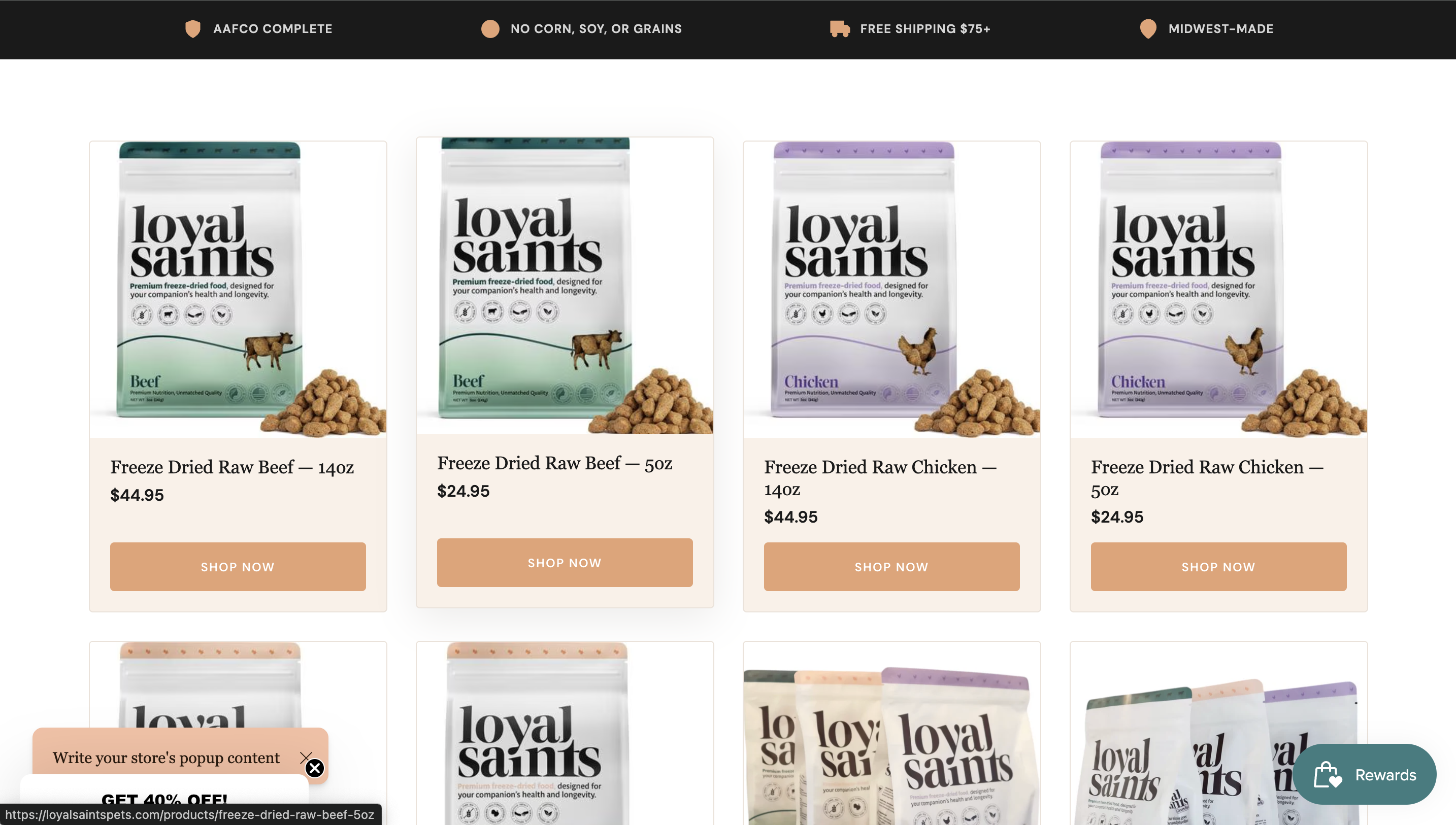
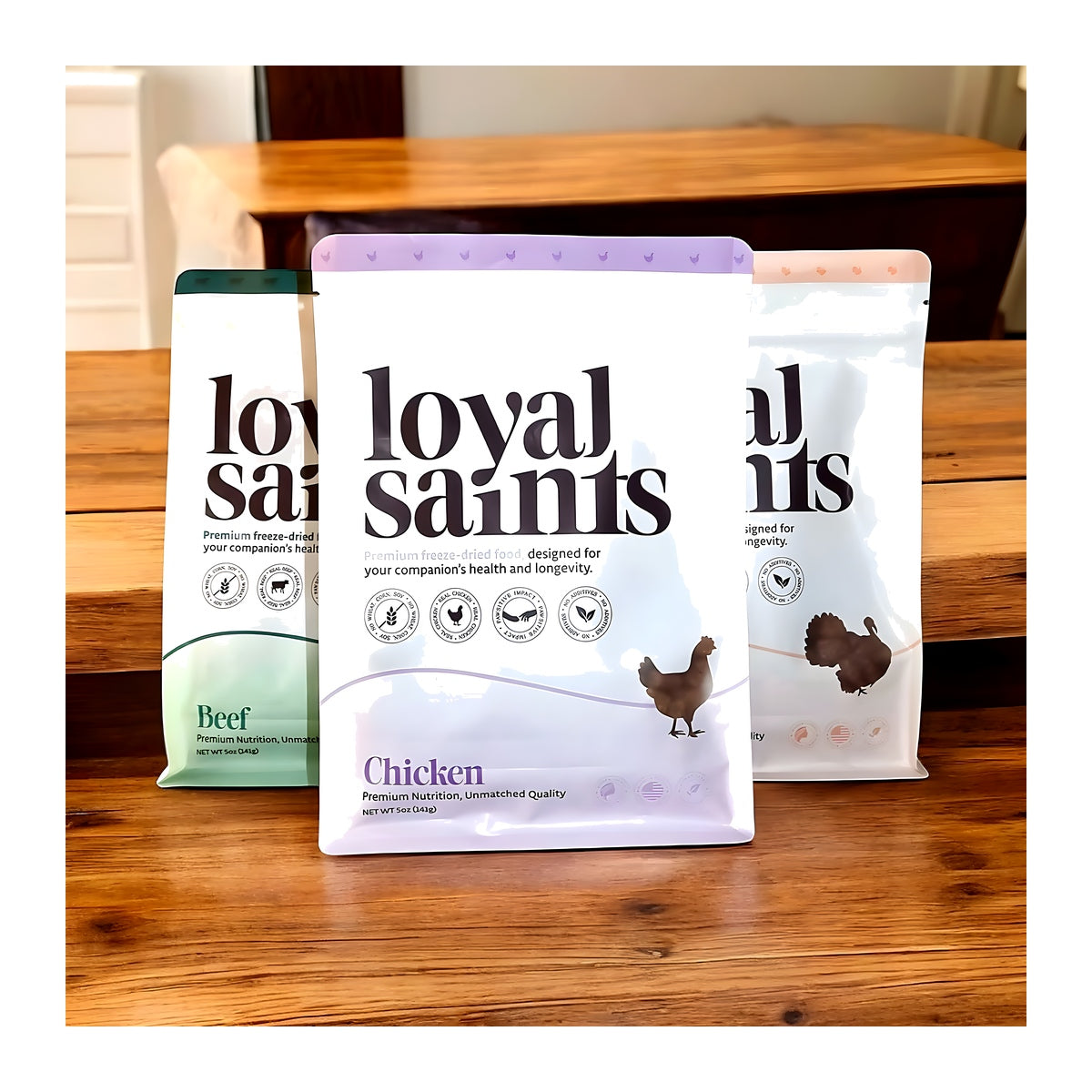
The Freeze Dried Raw Beef — 14oz delivers dense energy for dogs in heavier training cycles, while the 5oz Beef option works well for trial-sized testing during a transition. The Freeze Dried Raw Chicken — 14oz and its 5oz counterpart give you a leaner protein rotation option, useful for dogs who do best cycling proteins across a training season. For dogs that benefit from added omega-3s, the Freeze Dried Raw Turkey with Salmon — 14oz and 5oz size combine lean poultry with fish-based fatty acids. If you’d rather rotate all three proteins without committing to a single flavor, the Variety Pack — 14oz covers beef, chicken, and turkey with salmon in one order.
Many freeze-dried options ship shelf-stable and are formulated to meet AAFCO completeness standards, helping reduce guesswork about nutritional gaps mid-season. Starting with a trial size, running a six-week transition, and monitoring your dog’s response before committing to a full rotation is advised.
Sources
This guide draws on peer-reviewed research and veterinary institution guidance rather than raw-feeding forums or anecdotal claims:
- Clinical health markers in dogs fed raw meat-based or commercial extruded kibble diets
- Nutritional Needs of Performance Dogs | VCA Animal Hospitals
- Raw foods for dogs: Evidence-based advice from the Riney Canine Health Center | Cornell University College of Veterinary Medicine
- Current knowledge about the risks and benefits of raw meat–based diets for dogs and cats
This article is general information, not a substitute for advice from a qualified doctor. Consult a qualified healthcare professional about your own circumstances before acting on anything here.


